

Do You Need a Permit to Elope in West Virginia? (National Parks, State Parks, Forests + Waterfalls Explained)
West Virginia is one of the most underrated places in the eastern United States for couples who want a nature-focused elopement. From quiet forest overlooks to dramatic waterfalls and scenic state parks, the landscape offers countless places for a meaningful ceremony surrounded by the outdoors.
If you're still exploring locations and early planning decisions, you may want to start with my complete guide on How to Elope in West Virginia, which walks through the full process of planning an elopement in the state.
But before choosing a location, many couples ask the same question:
Do you need a permit to elope in West Virginia?
The good news is that many West Virginia elopement locations allow small, simple ceremonies — but the exact rules depend on whether the land is managed by a state park, national park, national forest, or another public agency.
The answer depends entirely on where your ceremony takes place. Different landscapes in West Virginia are managed by different land agencies — including state parks, national parks, and national forests — and each has its own rules for weddings and small ceremonies.
Some locations require a special use permit regardless of group size, while others allow simple elopements without formal paperwork as long as visitors follow park guidelines.
Understanding how permits work across these different types of public land can help you avoid surprises and choose a ceremony location that fits both your vision and the regulations of the area.
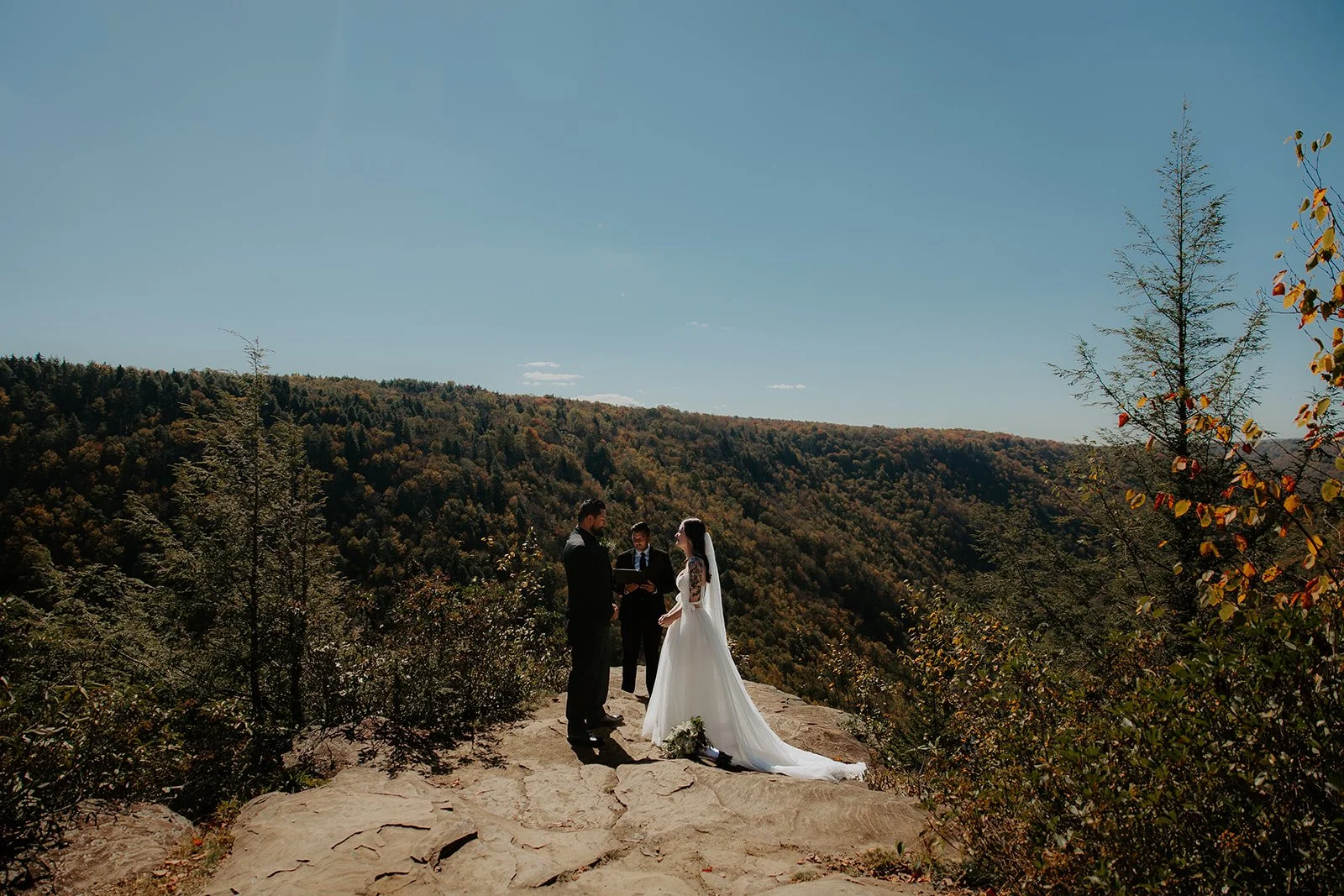
Do You Need a Permit to Elope in West Virginia? (Short Answer)
Sometimes.
Whether you need a permit to elope in West Virginia depends on the type of public land where your ceremony takes place. Many state parks and national parks require special use permits for wedding ceremonies, while small elopements in national forests or roadside scenic areas may not require one.
Because different landscapes are managed by different agencies, permit rules can vary significantly between locations — even within the same region of the state.
The table below gives a quick overview of how permit requirements typically work across West Virginia’s most common elopement locations.
| Location Type | Permit Required | Typical Cost | Managed By |
|---|---|---|---|
| New River Gorge National Park | Yes | ~$100–$150 | National Park Service |
| Blackwater Falls State Park | Yes | ~$300 | West Virginia State Parks |
| Monongahela National Forest | Usually no for small groups | Free | U.S. Forest Service |
| Roadside overlooks or trails | Usually no | Free | Local or state agencies |
Permit requirements can vary based on ceremony size, setup, and location-specific rules, so always confirm details directly with the land manager before finalizing your plans.
Elopement Permits in West Virginia State Parks
West Virginia’s state parks are some of the most popular places for couples to elope thanks to their scenic overlooks, waterfalls, and easy accessibility. Many parks offer dramatic landscapes without the crowds or strict ceremony restrictions often found in larger national parks.
However, most West Virginia state parks require a special use permit for wedding ceremonies, even for smaller gatherings.
Permit requirements can vary depending on the park and ceremony location, but they typically involve:
Reserving a designated ceremony area
Paying a wedding or special use permit fee
Following group size guidelines
Avoiding decorations or setups that could damage natural areas
For example, Blackwater Falls State Park requires a wedding permit regardless of group size, and the permit currently costs $300 plus taxes and administrative fees.
Other state parks may have different rules depending on the ceremony location and the number of guests attending.
If you're considering a state park ceremony location, it’s always best to contact the park office directly to confirm permit requirements before finalizing your plans.
If you're exploring ceremony locations within the state park system, you may also want to read:
Best State Parks for an Intimate Elopement in West Virginia
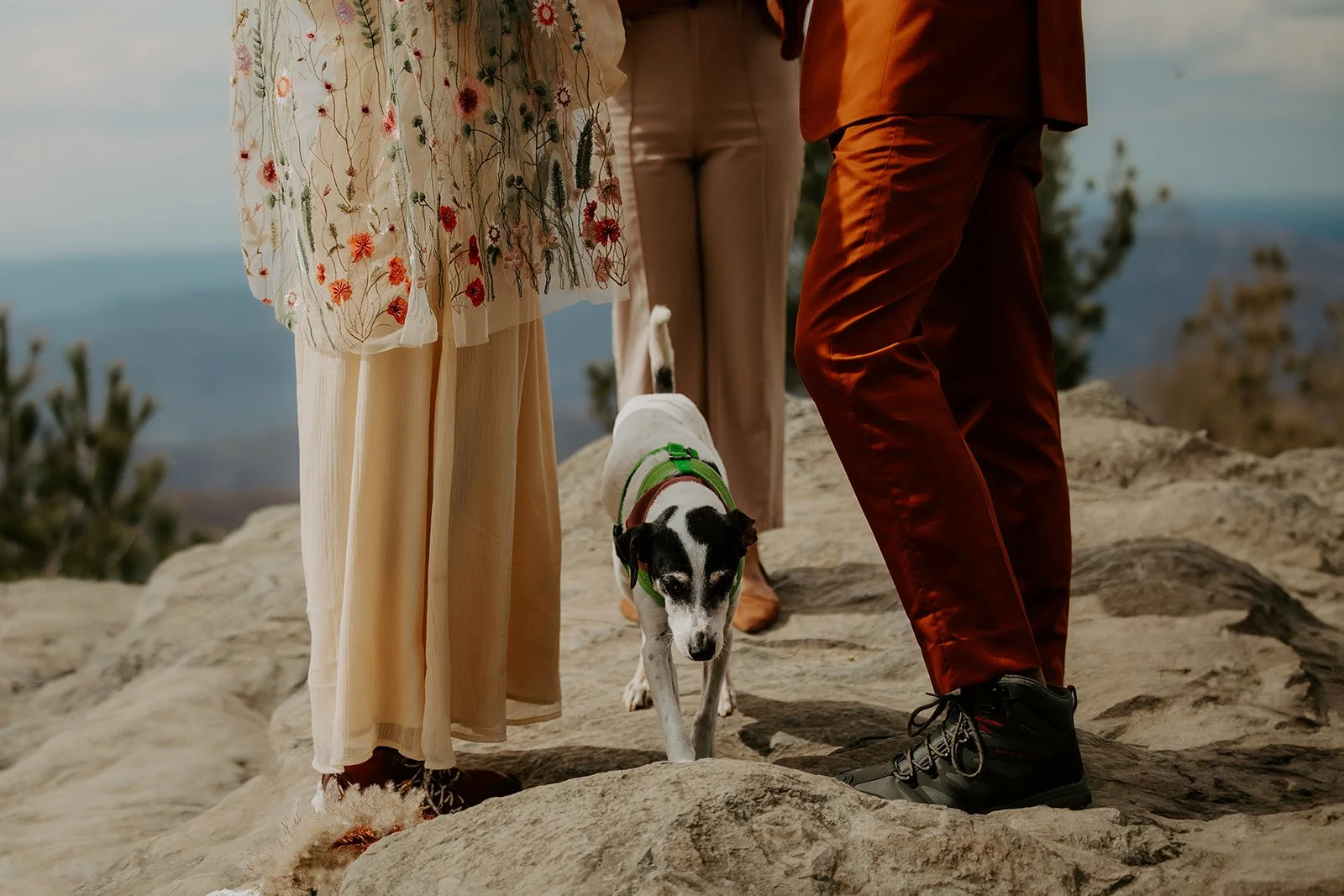
Do You Need a Permit to Elope in New River Gorge National Park?
Yes — wedding ceremonies in New River Gorge National Park and Preserve require a Special Use Permit issued by the National Park Service.
Like most U.S. national parks, the permit system helps the park manage ceremonies while protecting natural resources and ensuring other visitors can still enjoy the landscape.
Couples planning to elope in the park typically need to:
Submit a Special Use Permit application in advance
Pay a permit fee (typically around $100–$150)
Choose a ceremony location approved by the park
Follow group size guidelines and visitor use rules
Certain areas of the park may have additional restrictions depending on accessibility, trail conditions, or seasonal visitation levels.
Because the park has become increasingly popular in recent years, it’s a good idea to apply for a permit several weeks in advance to allow time for processing and approval.
If you're considering this location, you may also want to explore nearby waterfalls and overlooks throughout the region, many of which fall under different land management agencies with different permit requirements.
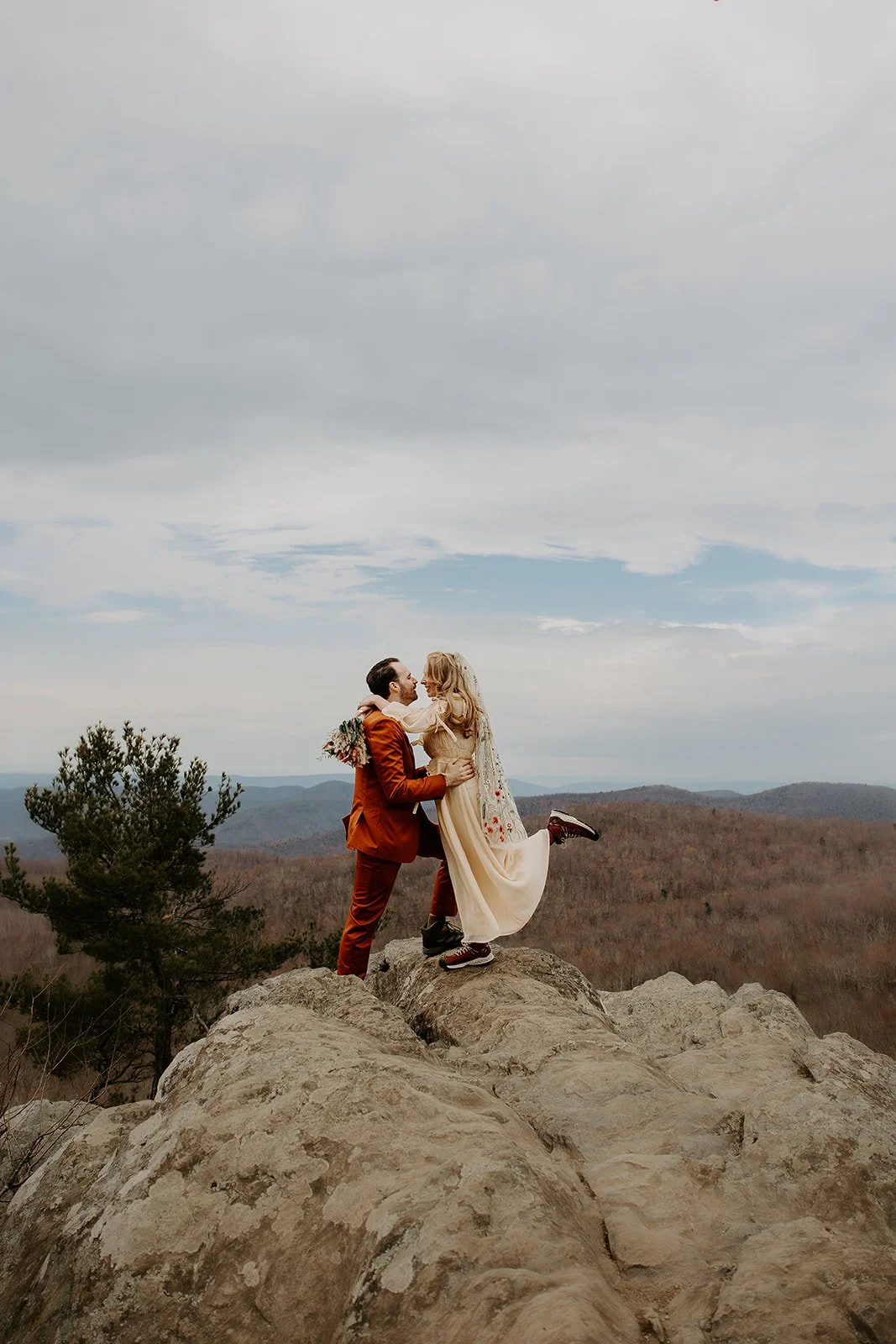
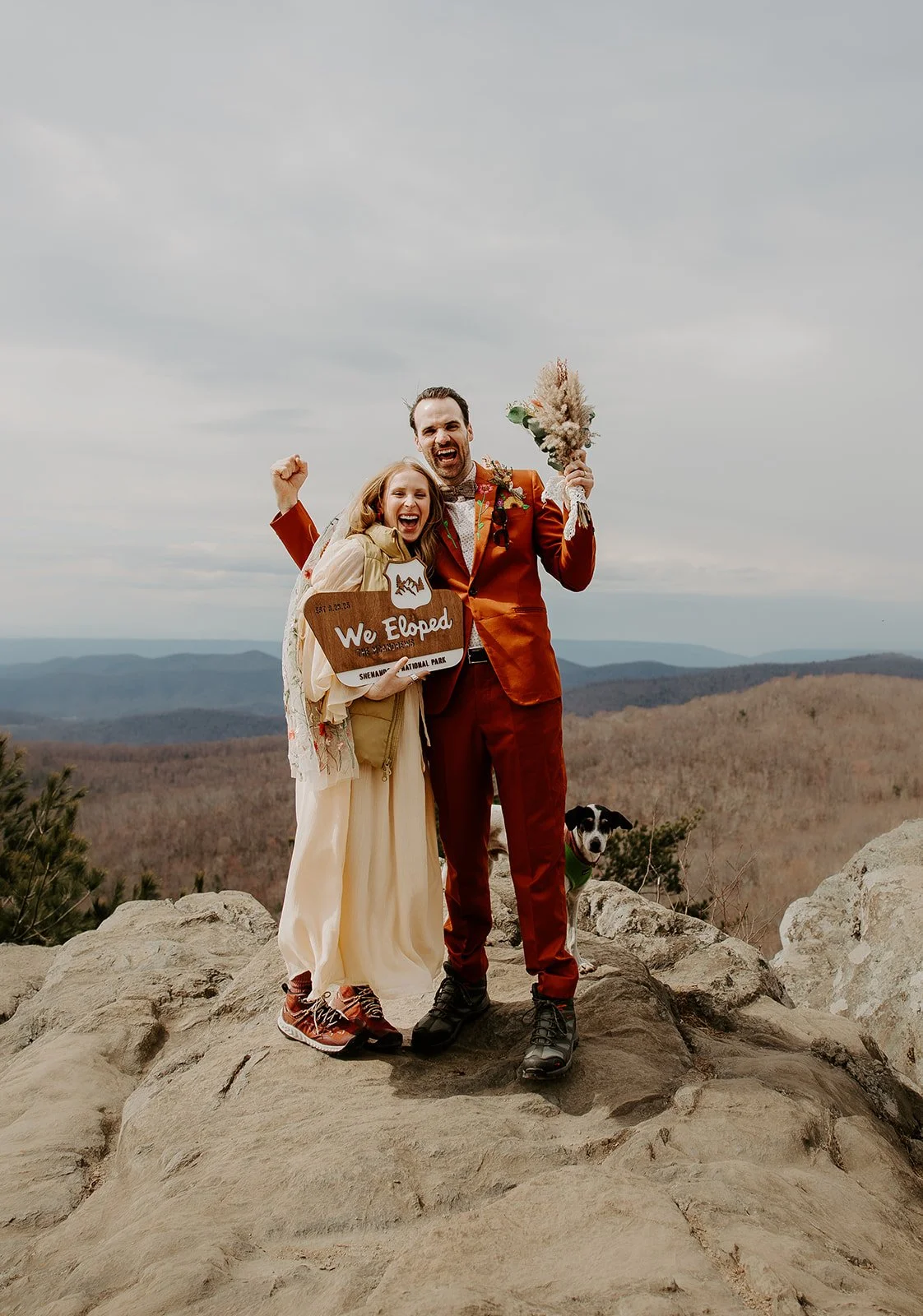
Eloping in Monongahela National Forest (Permit Rules)
Many couples are surprised to learn that national forests can be some of the most flexible places to elope on public land.
In much of Monongahela National Forest, small ceremonies typically do not require a special use permit as long as the gathering remains simple and does not interfere with normal visitor use.
This generally means ceremonies that:
have a small group size
do not block trails, overlooks, or public access points
avoid structures like arches, chairs, or large décor setups
follow Leave No Trace principles
Because national forests cover large areas with many different access points, couples often find more privacy and flexibility compared to highly managed park locations.
However, larger gatherings, elaborate setups, or ceremonies held in developed recreation areas may still require authorization from the U.S. Forest Service.
When planning an elopement in a national forest, it’s always a good idea to contact the local ranger district if you’re unsure about specific location rules.
Do Waterfall Elopements Require a Permit?
Sometimes.
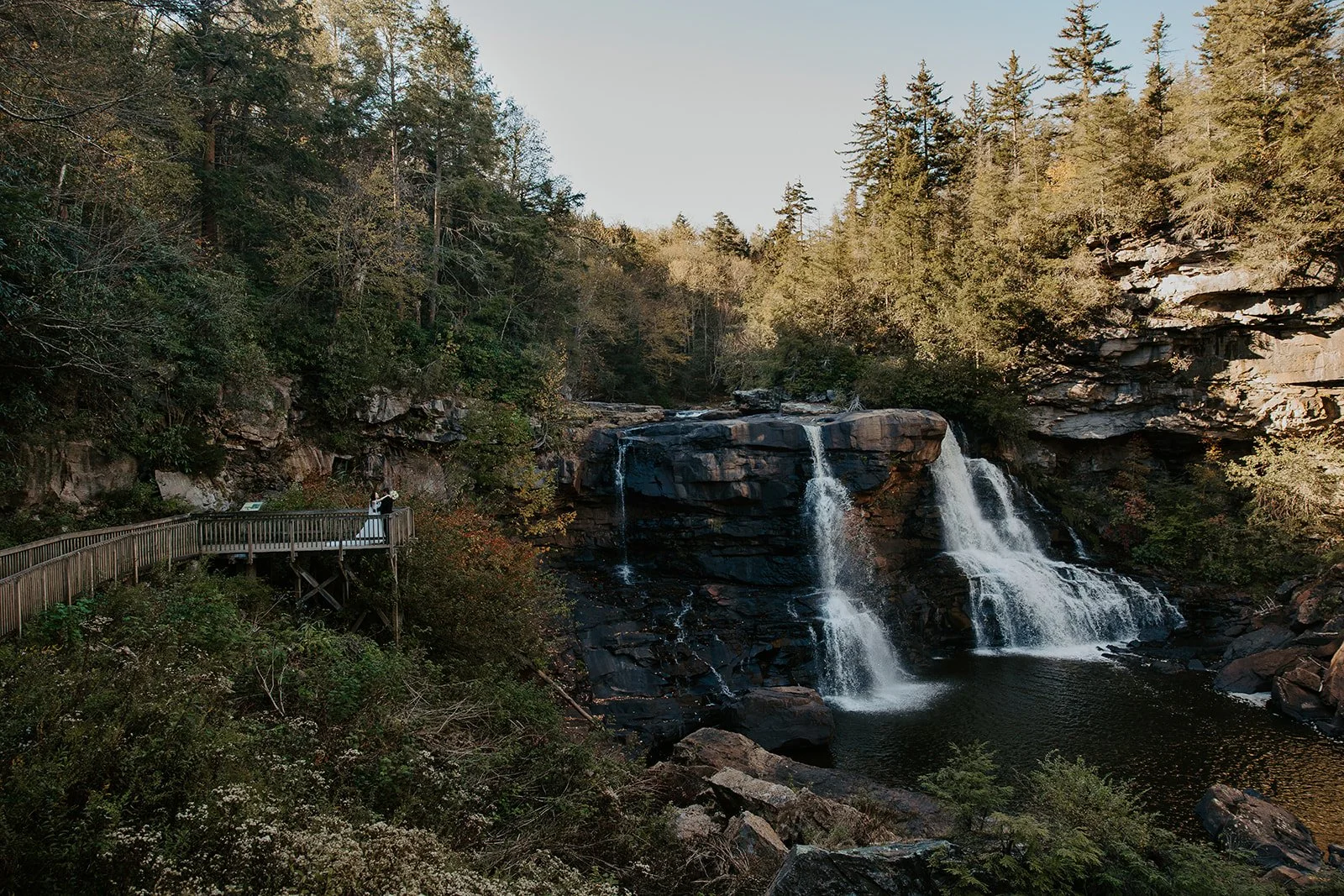
Whether a waterfall elopement in West Virginia requires a permit depends on who manages the land where the waterfall is located. Some waterfalls sit inside state parks or national parks that require ceremony permits, while others are located along roadside scenic areas where small gatherings may not require formal permission.
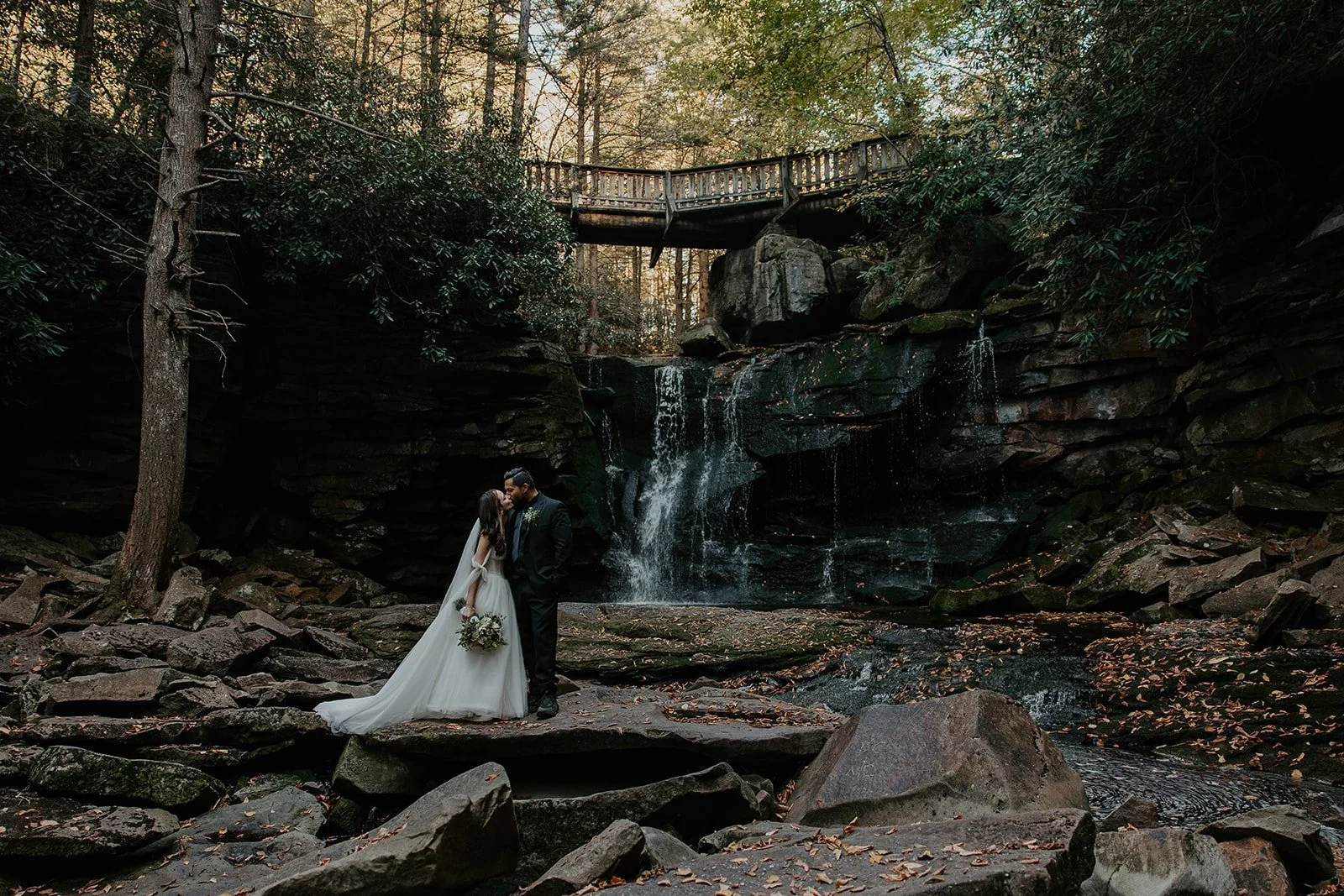
For example, Blackwater Falls and Elakala Falls are both located inside Blackwater Falls State Park, which requires a wedding permit for ceremonies.
Other waterfalls — like Cathedral Falls — are located along roadside scenic areas and may allow small, simple ceremonies without a permit as long as visitors follow local regulations and avoid blocking public access.
Similarly, waterfalls located inside New River Gorge National Park and Preserve, such as Sandstone Falls, require a National Park Service special use permit.
Because waterfalls in West Virginia fall under several different land management agencies, it’s important to confirm permit requirements for the specific location you’re considering.
If you're looking for scenic ceremony locations, you can explore many of the state’s most beautiful waterfalls in my guide to Waterfall Elopement Locations in West Virginia.
When You Might NOT Need an Elopement Permit
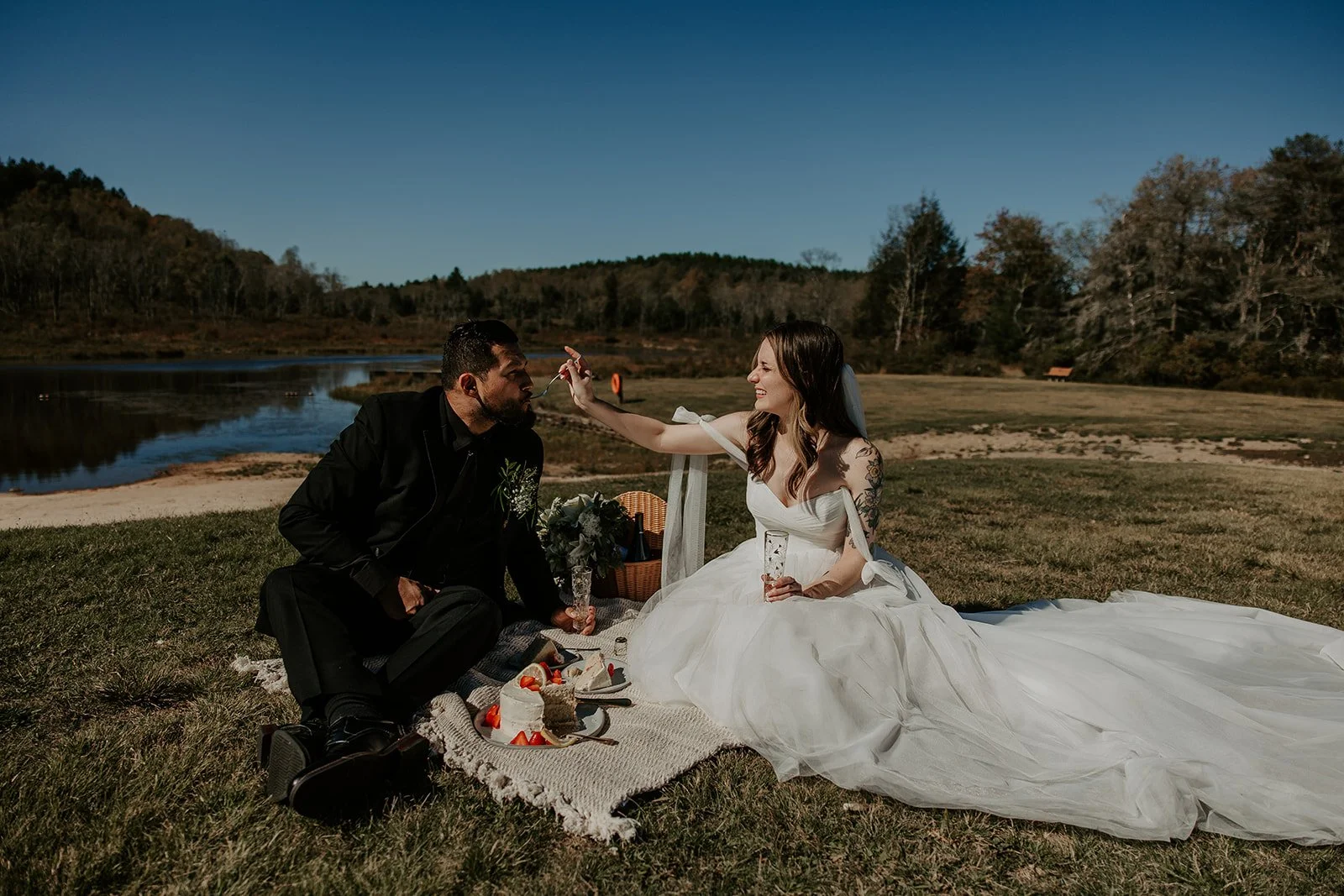
In some cases, small elopements in West Virginia may not require a permit at all.
This is most common when ceremonies take place in national forests, roadside scenic areas, or public overlooks that are not managed as designated event locations.
Typically, a permit may not be required if the ceremony:
includes a very small group of people
does not involve chairs, arches, or decorations
does not block trails, overlooks, or public access
does not interfere with other visitors
follows Leave No Trace principles
These types of ceremonies are often referred to as simple or dispersed ceremonies, meaning the gathering is small enough that it does not impact normal visitor use of the area.
However, even when permits are not required, couples should still confirm rules with the land manager and make sure their ceremony respects the surrounding environment and other visitors.
West Virginia Elopement Permit Checklist
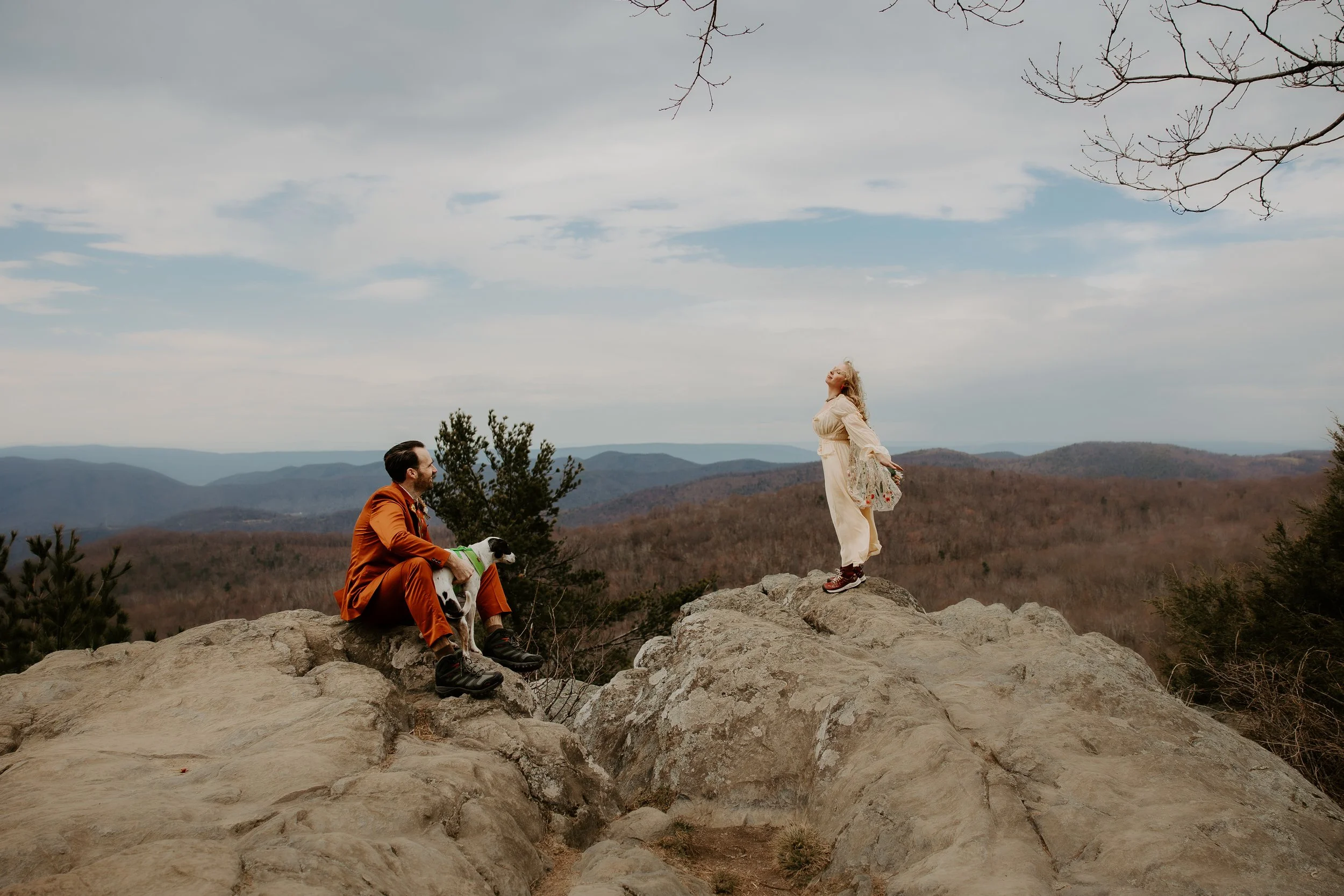
Before finalizing your ceremony location, it’s a good idea to confirm a few key details about the area where you plan to elope.
Because permit rules in West Virginia vary depending on the land manager, checking these items early can help avoid surprises during the planning process.
Before choosing your ceremony location, confirm:
Who manages the land (state park, national park, national forest, or local agency)
Whether a special use permit is required for ceremonies
Group size limits for weddings or gatherings
Any restrictions on décor, chairs, arches, or amplified music
Permit application timelines and processing requirements
Whether specific ceremony locations must be reserved in advance
Taking a few minutes to verify these details early in the planning process can make it much easier to choose a location that aligns with both your vision and the regulations of the area.
Common Questions About West Virginia Elopement Permits
-
Sometimes.
Some locations — particularly areas within national forests or roadside scenic areas — may allow small ceremonies without a permit if there is no setup, décor, or disruption to public access.
However, many state parks and national park locations require permits regardless of group size, so it’s important to confirm regulations for the specific location where you plan to hold your ceremony.
-
Permit fees vary depending on the location and land management agency.
Typical ranges include:
State parks: often around $100–$300
National parks: typically about $100–$150
National forests: often free for small ceremonies
Fees may vary depending on ceremony size, location popularity, and whether a specific ceremony site must be reserved.
-
Most parks recommend submitting permit applications at least 2–4 weeks before your ceremony date.
However, during peak seasons — especially during fall foliage in West Virginia — it’s often best to apply earlier to allow time for processing and approval.
-
This depends on the location.
Many public lands restrict items such as:
arches
chairs
large decorations
amplified music
Some parks allow simple setups if they are approved as part of the permit process, while others require ceremonies to remain minimal to protect the landscape.
More FAQs About Eloping in West Virginia
-
Yes. West Virginia requires two witnesses to be present when the marriage license is signed. Witnesses must be at least 18 years old.
Many couples simply ask friends or family members attending their elopement to sign as witnesses.
-
Couples must obtain a marriage license from a county clerk’s office in West Virginia before the ceremony.
You typically need:
valid photo identification
payment for the license fee
both partners present when applying
Marriage license requirements and fees can vary slightly by county, so it’s always best to confirm details with the county clerk where you plan to apply.
-
Yes. Many couples choose to elope in West Virginia state parks because they offer scenic overlooks, waterfalls, and accessible trails.
However, most state parks require a special use permit for wedding ceremonies, even for smaller gatherings. Permit requirements vary by park, so it’s important to confirm the rules for the specific location you’re considering.
-
West Virginia offers beautiful scenery throughout the year, but many couples choose:
spring for waterfalls and lush greenery
summer for warm weather and long daylight hours
fall for colorful foliage in the mountains
Fall is especially popular in the Appalachian region, so popular parks and overlooks can be busier during peak foliage weeks.
-
Yes. Many of the state’s most scenic elopement locations are located on public lands, including state parks, national parks, and national forests.
Each type of public land has different regulations regarding ceremonies and permits, so it’s important to verify requirements before choosing your location.
Planning a West Virginia Elopement
Permit rules are only one part of planning an elopement in West Virginia. Once you know whether your ceremony location requires a permit, the next step is figuring out which type of setting feels most aligned with the experience you want.
Some couples are drawn to waterfalls and easy-access overlooks. Others want something quieter, more private, or centered around a relaxed day in the mountains.
If you're looking for a full walkthrough of the planning process, you can read my step-by-step guide to eloping in West Virginia, which covers everything from choosing a location to building a flexible timeline for your day.
If you’re still narrowing down where to elope or how to plan your day, these guides may help:
Waterfall Elopement Locations in West Virginia
Best State Parks for an Intimate Elopement in West Virginia
Hidden Gem Elopement Locations in West Virginia
How to Plan a Stress-Free West Virginia Elopement
How Much Does It Cost to Elope in West Virginia?
West Virginia Elopement Timeline Ideas for Couples Who Want It Simple
Start Planning Your West Virginia Elopement
Understanding permit rules is often just the first step when planning an elopement in West Virginia. Couples also navigate things like choosing the right ceremony location, understanding seasonal conditions, building a flexible timeline, and making sure the day feels relaxed and meaningful rather than rushed.
As a public-lands elopement photographer, I guide couples through the logistics behind the scenes — researching ceremony locations, helping confirm permit requirements, and designing an experience-first wedding day in some of West Virginia’s most scenic landscapes.
If you’re considering eloping in West Virginia and want support planning a thoughtful, nature-focused day, you can explore my West Virginia elopement packages and pricing to see what the experience looks like.
And when you're ready, feel free to reach out through the contact form below. I'd love to hear what you're envisioning and help you start shaping your elopement day.



West Virginia has ancient forests, tannin-stained waterfalls, and some of the least crowded public land on the East Coast. Here's why it belongs at the top of your elopement list.