

Easiest Places to Elope in the U.S. (2026) — Fast Licenses, No Waiting, No Stress
Practical, stress-free, and legally simple options for couples who want an easy elopement experience.
Planning an elopement should feel exciting—not overwhelming. And for many couples, the “best” place to elope isn’t necessarily the most remote or the most photogenic… it’s the easiest.
If you’re dreaming of a wedding day focused on the two of you (not a mountain of paperwork), this guide breaks down the easiest places to elope in the U.S. based on real legal requirements like:
No waiting periods
No witnesses required
No residency rules
Self-solemnization options
Fast, simple marriage license processes
The states below offer some of the most straightforward legal paths to eloping, but understanding how those requirements translate into a smooth, stress-free experience is where guidance matters.
Let’s dive in.
Why Trust This Guide
I’ve photographed elopements across public lands and national parks throughout the U.S., guiding couples through permits, legal requirements, and planning logistics so they don’t have to figure it all out alone.
From narrowing down the right location to navigating paperwork, designing timelines, and preparing for the unexpected, I help turn what can feel overwhelming into a process that feels clear and manageable.
This guide is built from real experience — not generic research — and is designed to help you choose a location that feels simple, meaningful, and fully yours.
With the right guidance, eloping doesn’t have to feel complicated.
👉 Let's start shaping your elopement →Not sure on pricing yet? See what's included in every package →

Want to Elope Quickly or on Short Notice?
Some couples searching for the easiest places to elope are prioritizing speed and simplicity — whether due to travel schedules, life transitions, or simply a desire to begin their marriage without a long planning process.
I’ve helped couples plan meaningful, fully permitted elopements in as little as two months by focusing on locations with straightforward requirements and creating timelines that keep the process clear and manageable.
Even when time is limited, having guidance helps prevent permit issues, missed paperwork, and last-minute stress — so your day still feels calm, intentional, and fully yours.
In certain cases within my local region, shorter timelines may be possible depending on location and permitting requirements.
If you’re hoping to elope sooner rather than later, you can reach out below and we’ll talk through what’s possible.
What Makes a State “Easy” to Elope In?
When couples want the least stressful elopement possible, the simplest states share at least one (often several) of these qualities:
No waiting period after you get your marriage license
No witnesses required, allowing true “just us two” ceremonies
No residency requirement
Low fees & fast processing
Self-solemnization (you can marry yourselves)
Flexible officiant rules
Courthouses that issue licenses same-day
The states below are where those factors come together beautifully.
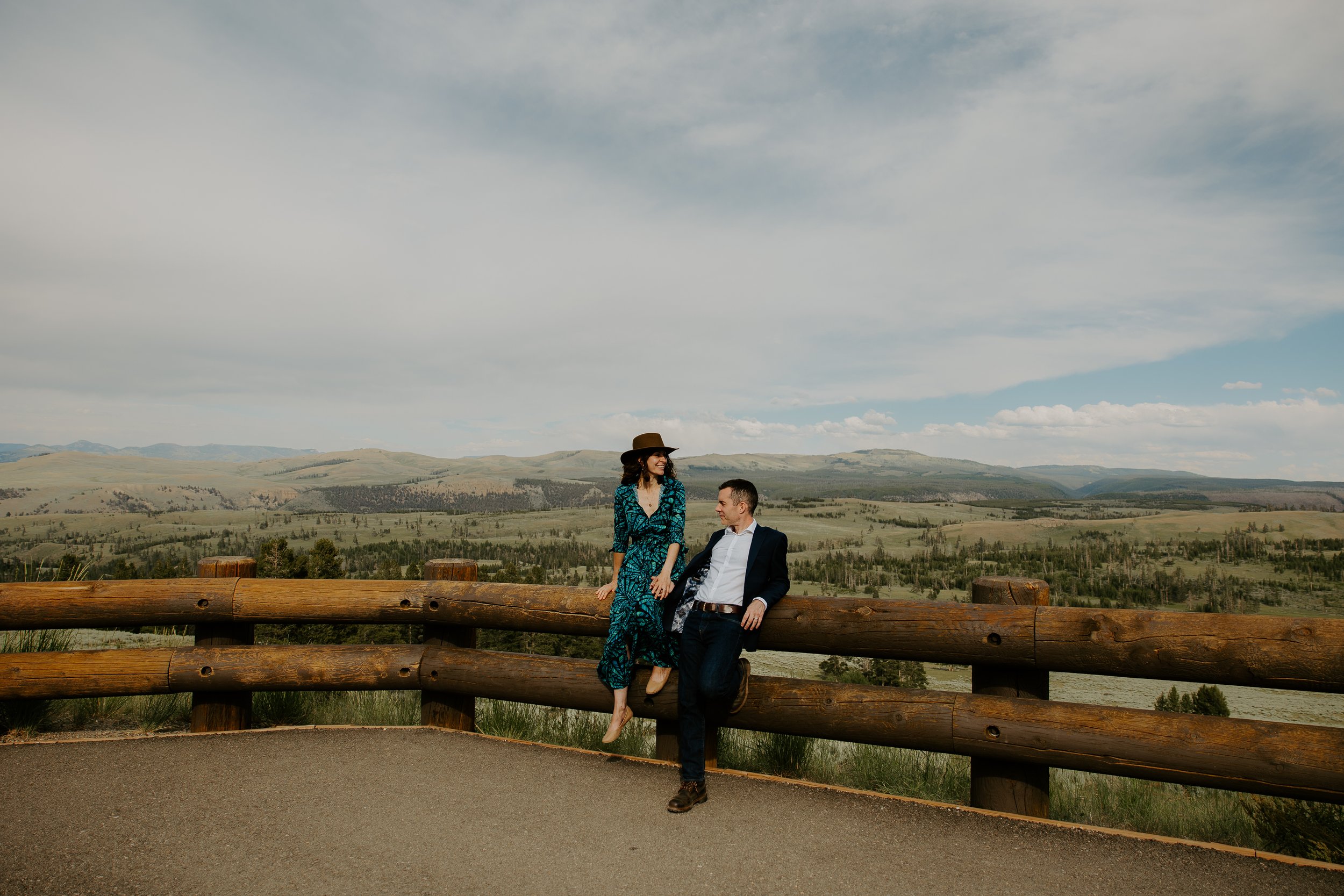
Easiest Places to Elope in the U.S. Overall
These states check the most boxes for an easy elopement:
✔ No waiting period
✔ No witnesses
✔ No residency requirement
✔ Simple or flexible officiant rules
✔ Visitor-friendly license process
| State | Waiting Period |
Witnesses Required |
Residency Required |
Self- Solemnization |
Why It’s Easy |
|---|---|---|---|---|---|
| Alabama Learn how to elope in Alabama → |
None | No | No | No | No ceremony or officiant required |
| Arkansas | None | No | No | No | Simple licensing + low fees |
| Colorado Learn how to elope in Colorado → |
None | No | No | Yes | Self-solemnization allowed |
| Connecticut | None | No | No | No | Fast application-to-marriage process |
| Florida (non-residents) Learn how to elope in Florida → |
None | No | No | No | No-wait license for travelers |
| Hawaii Learn how to elope in Hawaii → |
None | No | No | No | Simple online application |
| Idaho Learn how to elope in Idaho → |
None | No | No | No | No expiration date on license |
| Indiana | None | No | No | No | Fast courthouse process |
| Mississippi | None | No | No | No | Minimal requirements |
| Missouri | None | No | No | No | Quick, flexible licensing |
| Montana Learn how to elope in Montana → |
None | No | No | No | Flexible rules + scenic public lands |
| New Hampshire Learn how to elope in New Hampshire → |
None | No | No | No | Simple and scenic |
| Ohio | None | No | No | No | Easy courthouse process |
| Tennessee Learn how to elope in Tennessee → |
None | No | No | No | No witnesses + quick license |
| Vermont | None | No | No | No | Simple and scenic |
| Virginia Learn how to elope in Virginia → |
None | No | No | No | Easy for out-of-state couples |
| Washington, D.C. | None | No | No | With approval | License never expires |
| West Virginia Learn how to elope in West Virginia → |
None | No | No | No | Fast, flexible licensing |
Alabama
Arkansas
Colorado
Connecticut
Florida (non-residents)
Indiana
Mississippi
Missouri
Montana
New Hampshire
Ohio
Tennessee
Vermont
Virginia
Washington, D.C.
West Virginia
Not Sure Which State Fits You Best?
“Easy” can mean different things depending on what matters most to you — privacy, scenery, guest flexibility, or how quickly you want to be married. If you’d like help narrowing this list down to a state and location that truly fits your priorities, I’m happy to walk through it with you.
Start Planning Your Elopement
Where to Get Married Just the Two of us – States That Don’t Require Witnesses
If you envision literally just the two of you exchanging vows on your wedding day without a group of family and friends, consider eloping in one of the states that doesn’t require any witnesses. The following states are some of the easiest places to elope for that very reason!
Arkansas
Colorado (self-solemnization allowed)
Connecticut
Washington D.C.
Florida (No-wait license for travelers)
Indiana
Massachusetts
Mississippi
Missouri
Montana (most flexible marriage laws in the U.S.)
Pennsylvania (self-uniting license available)
South Carolina
Vermont
Eloping without witnesses is possible in the right places — and having guidance makes the process simple, smooth, and stress-free.
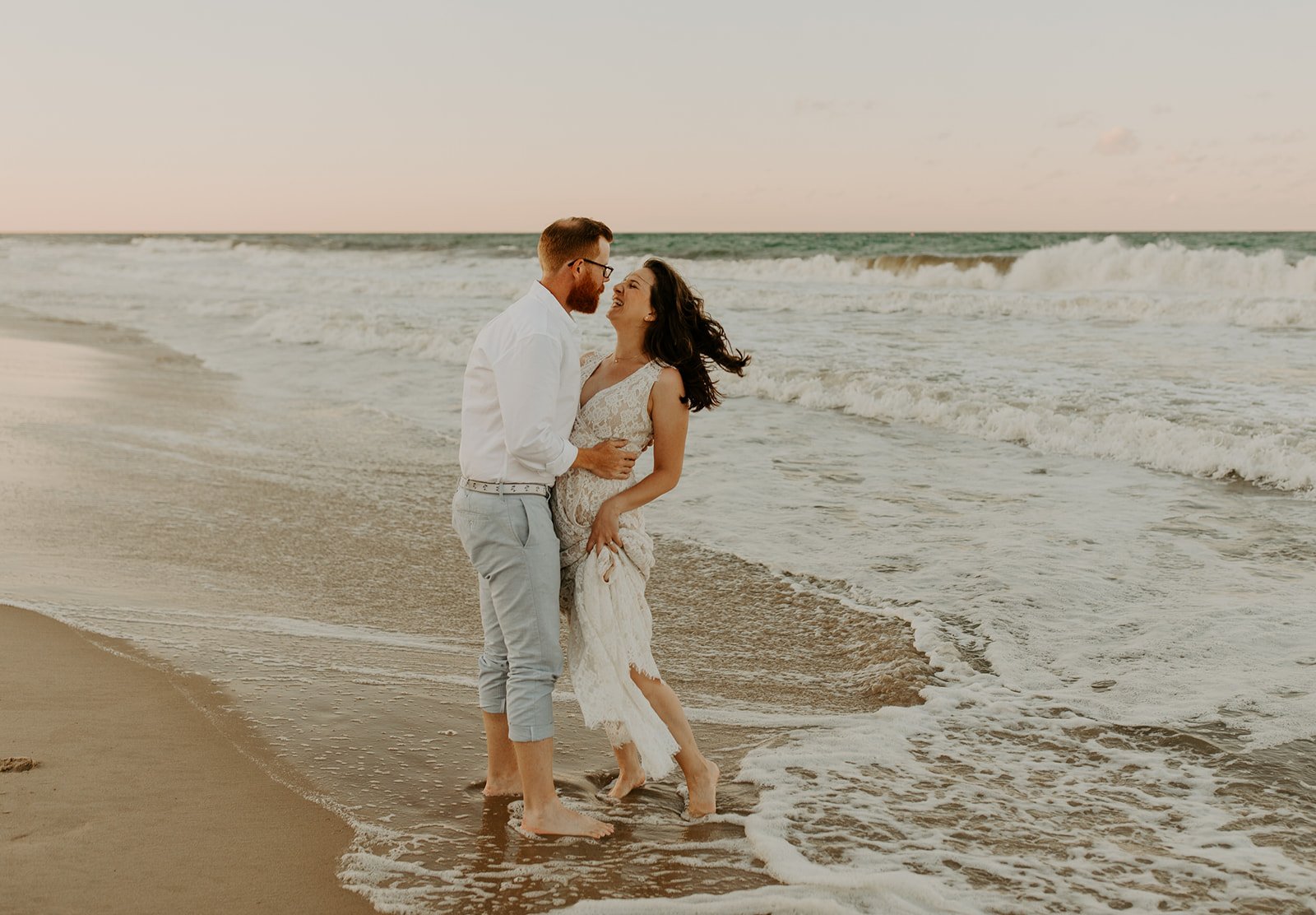
Where to Get Married the Same Day – States With No Waiting Period
Waiting periods were put into place to prevent hasty “shotgun” weddings, but there are many reasons why couples want to get married on the same day. One of the most common is traveling to another state to elope and having a limited amount of time. These states are some of the easiest places to elope specifically because they don’t require a waiting period and are perfect for travelers, last-minute elopements, or couples working on a tight schedule.
Arkansas
Connecticut
Washington D.C.
Georgia
Indiana
Kentucky
Maine
Minnesota
Missouri
Nebraska
Nevada (Las Vegas = famous for speed)
New Mexico
North Carolina
North Dakota
Ohio
Oklahoma
Rhode Island
South Dakota
Utah (only legally recognized virtual marriage process in the U.S.)
Vermont
Wyoming
If timing matters, whether you’re planning quickly or simply want a smooth, uncomplicated process, I can help you choose a location where getting married is straightforward and stress-free.
→ Share your plans

People Also Ask: Answers to the Most Searched Questions About Easy Elopements
-
Colorado, Alabama, and Connecticut are often considered the easiest states for eloping because they have:
no waiting period
no witness requirements
no residency requirements
fast, streamlined marriage license processes
Colorado is especially known for allowing self-solemnization, meaning couples can legally marry themselves without an officiant.
-
Colorado is the only U.S. state where self-solemnization is universally recognized without additional paperwork.
Washington, D.C. also allows self-officiating with a quick approval process.This makes Colorado (and D.C.) extremely popular for couples who want a completely private, deeply personal “just us” ceremony.
-
Yes — most U.S. states recognize online ordination through ministries like Universal Life Church (ULC) or American Marriage Ministries (AMM). This makes it incredibly easy to have a friend or family member officiate your ceremony.
However, a few states have additional restrictions:
Tennessee — Online-ordained officiants are not recognized unless ordained through a physical congregation.
Virginia — Acceptance varies by county; some require court approval for online-ordained officiants.
Pennsylvania — Online ordination is not valid for traditional officiants, but couples can apply for a self-uniting license instead.
West Virginia — Some counties require officiants to be affiliated with an established congregation.
Everywhere else recognizes online ordination, making it a simple and meaningful option for couples who want someone personal to lead their ceremony.
-
If you want to get married the same day you obtain your marriage license, choose a state with no waiting period. Popular options include:
Colorado
Florida (non-residents)
Hawaii
Nevada
Tennessee
New Mexico
West Virginia
See the full no-waiting-period table above for all qualifying states.
-
A total of 20 states + Washington, D.C. do not require witnesses.
This allows for a truly private “just us” elopement.Top choices include:
Alabama
Colorado
Florida
Idaho
Montana
Tennessee
Texas
Virginia
West Virginia
The full table (above) breaks down every no-witness state and links to the relevant guides.
-
It depends on the state you’re getting married in. Some states require an officiant, while others allow you to legally marry without one.
Here’s the accurate breakdown:
Colorado — No officiant needed. Couples can self-solemnize and legally marry themselves.
Alabama — No officiant needed. Alabama uses a notarized marriage certificate instead of a marriage license or ceremony, so no officiant is required.
Pennsylvania — Not required if you obtain a self-uniting license. This allows couples to marry themselves without an officiant or witness signatures (depending on the county).
Washington, D.C. — Allows self-officiating with court authorization.
All other U.S. states require an officiant, but most accept:
judges
clergy
and friends or family who become legally ordained (except in states with restrictions such as Tennessee, Virginia, or certain counties in West Virginia or Pennsylvania).
This gives couples a lot of flexibility when choosing someone meaningful to lead their ceremony.
-
Requirements vary by state, but generally you’ll need:
both partners present
valid government-issued ID
marriage license fee
officiant (unless self-solemnizing)
witnesses (unless in a state that doesn’t require them)
Your ceremony can be as formal or laid-back as you want—the legal part is surprisingly simple in most states.
-
Yes — Utah is the only state that allows a fully digital marriage license and legally valid Zoom ceremony through counties like Utah County and Salt Lake County. This does not replace the in-person requirements for an elopement ceremony in Utah locations such as Moab, Zion, or the Salt Flats.
Ready to Start Planning Your Easy, Stress-free Elopement?
Wherever your elopement takes you, I’d love to help you craft a day that feels intentional, meaningful, and authentically you.
I travel everywhere—all travel fees are included in every elopement package—and I’m here to help with:
choosing the right location
navigating marriage laws
permits and logistics
building your personalized timeline
capturing every moment beautifully
→ Let’s start planning your dream elopement
Wondering about investment first? View Packages and pricing →


Learn More About Eloping


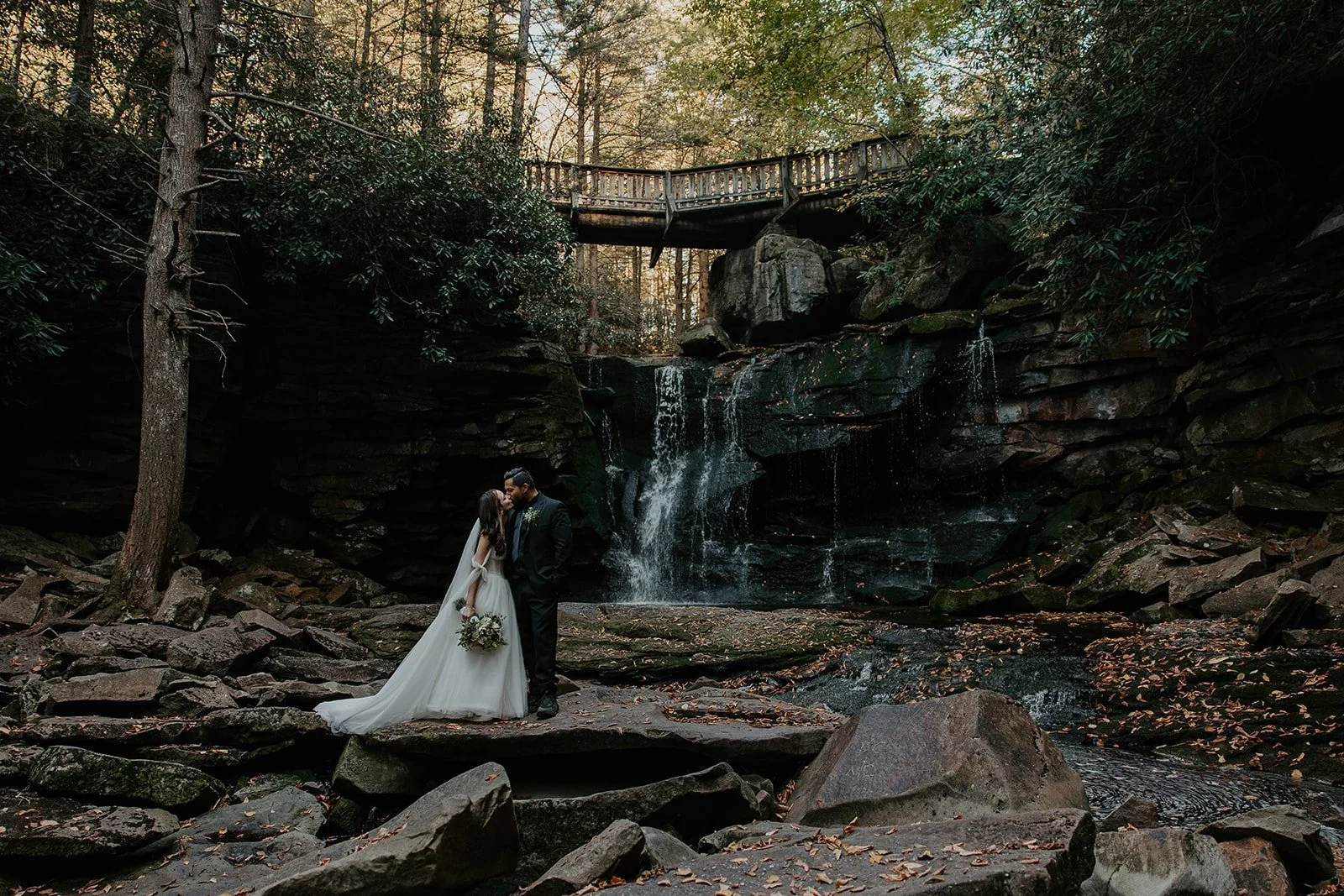
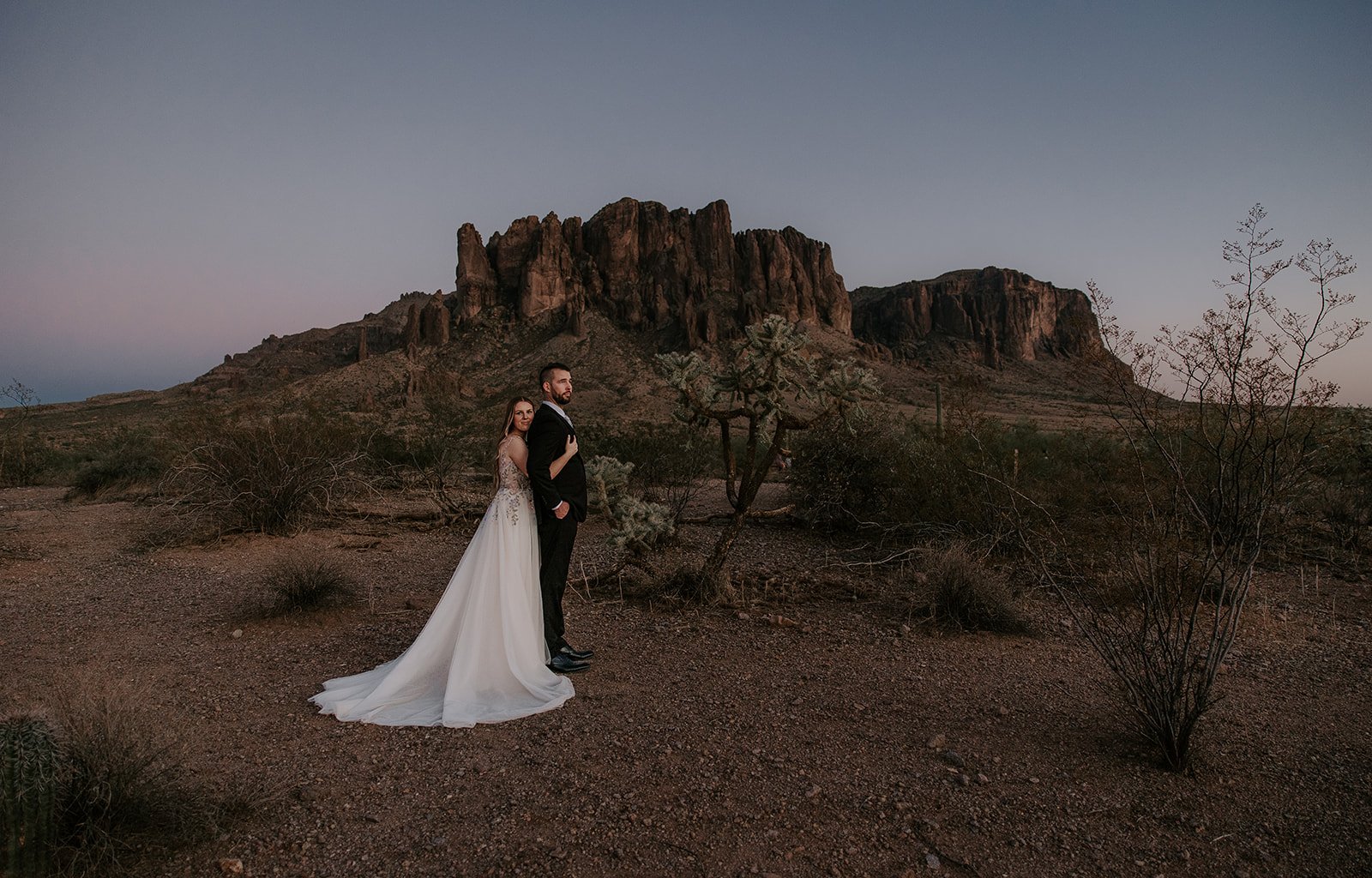
Get Inspired By Real Elopements In the Easiest States to Elope


Bethany Wolf
Guided Public-Lands Elopement Photographer
✔ permits & logistics handled
✔ timeline design
✔ location guidance
✔ travel included nationwide
Learn why Ohio is one of the most underrated states for eloping! This guide will walk you through permits, locations, itineraries, activities, and more!