
How to Elope in Colorado – Locations, Permits, & Colorado Elopement Packages
Colorado is one of the easiest states in the U.S. to elope, not just because of its mountain views, but because of its legal simplicity and access to expansive public lands.
From self-solemnization (yes, you can marry yourselves in Colorado) to flexible ceremony options across national parks, state parks, BLM land, and alpine forests, Colorado offers couples an unusual amount of freedom.
In this guide, I’ll walk you through exactly how to elope in Colorado — including permits, the best types of locations, ideal seasons, timeline examples, and what a fully guided Colorado elopement experience can look like.
As a guided public-lands elopement photographer, I take full responsibility for permits, location logistics, and seasonal planning so your day feels steady, intentional, and fully supported.

Why Elope in Colorado?
Colorado’s Legal Simplicity
Colorado is widely considered one of the easiest states in the country to elope, and not just because of its scenery, but because of how simple the legal process is.
Couples can legally marry themselves through self-solemnization in Colorado. No officiant is required. No witnesses are required. There is no residency requirement. Once you obtain your marriage license from a county clerk, you’re legally able to hold your ceremony anywhere that allows it.
And yes — if you want your dog to “sign” your marriage license as a witness, Colorado allows that too. If including your pup is part of your vision, here’s how to include your dog in your elopement.
This level of legal flexibility removes layers of coordination and allows your ceremony to feel private, intentional, and fully your own.
Unmatched Access to Public Lands
Colorado offers an incredible range of ceremony settings across public lands — from alpine lakes and mountain overlooks to red rock formations and high desert landscapes.
Couples can choose from:
National Parks
Colorado State Parks
Bureau of Land Management (BLM) land
National Forest land
Each type of land has its own permit structure and seasonal considerations, but Colorado provides more accessible public-land options than most states. Whether you envision a quiet state park ceremony or a sunrise elopement on BLM land with minimal restrictions, there are flexible options available.
Four Distinct Seasons — Four Different Experiences
Colorado’s seasons dramatically shape the feel of your elopement day.
Spring brings snowmelt, fewer crowds in some areas, and dramatic mountain backdrops.
Summer offers wildflowers, high-alpine access, and longer daylight hours.
Fall is known for golden aspens and cooler, comfortable temperatures.
Winter creates snow-covered landscapes for couples who want something quiet and striking.
Understanding seasonal accessibility, road closures, and permit considerations is essential — especially in higher elevations. Planning around these factors ensures your day feels smooth rather than uncertain.
Freedom to Design a Day That Feels Like You
Colorado’s legal flexibility and public land access allow couples to build a day around how they actually like to experience things.
You’re not confined to a venue timeline.
You’re not required to host a traditional format.
You’re not limited to a single location.
You can exchange vows at sunrise in the mountains, celebrate with a private dinner in town, explore a second location at sunset, or spend the day slowly and intentionally in one meaningful place.
When couples choose to elope in Colorado, they’re often choosing autonomy — the ability to create a wedding day that feels steady, spacious, and genuinely theirs.

Colorado Elopement Requirements at a Glance
Planning to elope in Colorado? Here are the key legal requirements couples should know before their wedding day.
How to Elope in Colorado
1. Obtain Your Marriage License
To legally elope in Colorado, you and your partner must apply for a marriage license at any county clerk and recorder’s office in the state. Both partners must appear together in person with valid identification. The fee typically ranges between $20–$30, depending on the county.
Once you have your license, you’re legally able to hold your ceremony anywhere that permits it.
2. Decide Whether You’d Like to Self-Solemnize
One of the biggest advantages of eloping in Colorado is that you can legally marry yourselves through self-solemnization.
This means:
No officiant required
No witnesses required
No residency requirement
You can exchange vows privately, in a remote location, without coordinating additional vendors unless you choose to.
If you prefer to include an officiant for a more traditional ceremony structure, that’s absolutely an option, but it’s not required in Colorado.
3. Choose Your Location & Understand Permit Requirements
Colorado offers ceremony options across:
National Parks
State Parks
National Forest land
Bureau of Land Management (BLM) land
👉 For a full breakdown of permit requirements across each type of public land, read:
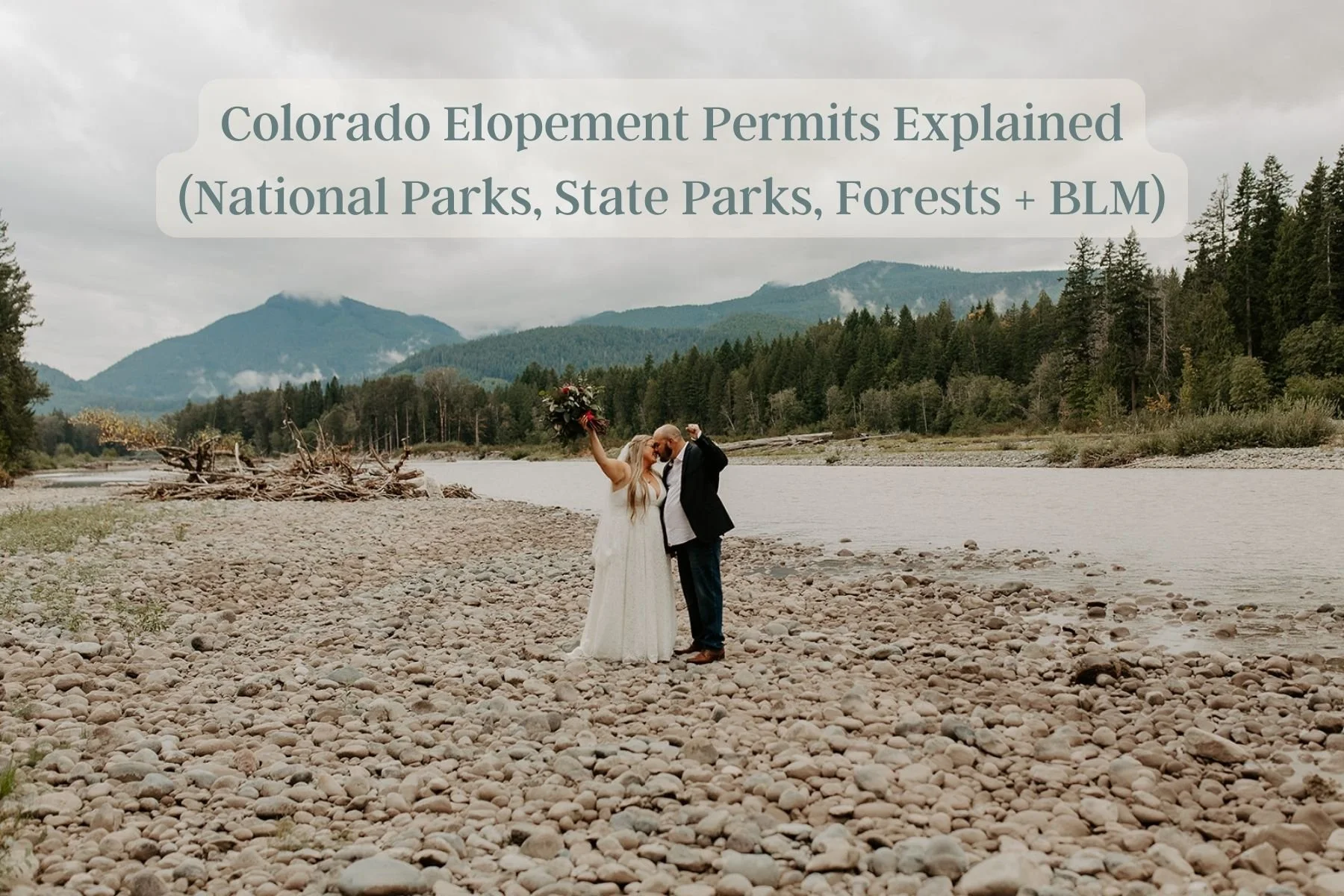
Colorado Elopement Permits Explained (National Parks, State Parks, Forests + BLM)
Each land type has different permit structures, group size limitations, and seasonal access considerations.
Some locations require special use permits. Others allow small ceremonies without formal applications. High-elevation areas may have road closures or snow restrictions depending on the time of year.
This is where having a guide matters.
As a public-lands elopement photographer, I take responsibility for researching permit requirements, location regulations, and seasonal access before your day so you’re not left guessing or navigating conflicting information.
4. Build a Timeline Around Light, Accessibility & Experience
Once your location is secured, we design a timeline around:
Travel time between locations
Sunset positioning
Trail access
Weather patterns
Guest logistics (if applicable)
Colorado’s landscapes are stunning — but altitude, crowds, and accessibility need to be accounted for thoughtfully.
When planned well, your day feels spacious and intentional rather than rushed or uncertain.

When is the Best Time to Elope in Colorado?
Colorado’s seasons dramatically shape accessibility, crowd levels, and the overall feel of your elopement day. The “best” time depends less on temperature and more on what kind of experience you want.
If you want a deeper breakdown of Colorado weather patterns, accessibility by elevation, and how seasons affect different locations, you can explore my full guide on Best Time to Elope in Colorado (Seasonal Deep Dive).

Spring (April–June)
Spring in Colorado is transitional and unpredictable. You may experience sunny 60° days or a late-season snowstorm. Higher elevations often remain snow-covered through May, while lower elevations begin warming up earlier.
Snowmelt creates dramatic rivers and waterfalls, but trail conditions can be muddy and alpine roads may still be closed.
Best For: Couples who want fewer crowds, lower travel demand, and dramatic mountain backdrops — and who are flexible with weather and location elevation.

Summer (July–September)
Summer offers the most accessibility across high-elevation locations. Snow has melted from mountain passes, wildflowers bloom in alpine meadows, and long daylight hours allow for sunrise and sunset flexibility.
However, this is peak tourism season — especially in popular national parks and resort towns.
Best For: Couples who want full access to alpine lakes and high-mountain locations and don’t mind planning around busier areas.

Fall (Late September–October)
Autumn in Colorado is known for its golden aspen trees and cooler temperatures. Fall color is brief and highly location-dependent, typically peaking in late September in higher elevations.
Popular areas can see increased visitation during peak foliage, but temperatures are generally comfortable and stable.
Best For: Couples who want golden mountain landscapes, cooler weather, and a slightly quieter experience than peak summer.

Winter (November–March)
Winter transforms Colorado into a snow-covered landscape. Lower-elevation areas remain accessible, while many high-altitude roads and trails close for the season.
Mountain towns and ski resorts can become busy during holidays and peak ski months, and winter conditions require careful planning for travel and safety.
Best For: Couples who want snowy backdrops, cozy mountain-town energy, and a quieter ceremony experience in select accessible locations.
Where to Elope in Colorado
Colorado offers ceremony locations across multiple types of public land, each with different levels of accessibility, privacy, and permit requirements. The right choice depends on how much structure, solitude, and flexibility you want.
If you’re still exploring potential locations, you can browse my guide to the Best Places to Elope in Colorado (Iconic Views + Private, Curated Alternatives) to see a range of landscapes across the state — from alpine lakes and mountain overlooks to quieter hidden locations many couples overlook.
If you’re unsure whether a national park or state park is the better fit, read my breakdown of National Park vs. State Park: Which Is Better for Your Elopement?
Colorado State Parks (Often the Most Flexible Option)
State parks are often a middle ground between national parks and remote public land. Many offer scenic mountain views, lakes, and forested areas — with fewer restrictions than high-traffic national parks.
Some state parks require special use permits for ceremonies, while others allow small gatherings without extensive paperwork. Group size limits and designated ceremony areas vary by park. If you’re considering this option, here’s a detailed guide on how to elope in a state park.
Popular options include:
Eldorado Canyon State Park
Mueller State Park
Staunton State Park
Golden Gate Canyon State Park
Best For: Couples who want mountain views and accessibility without the crowds and strict ceremony limitations of national parks.
-
Arkansas Headwaters Recreation Area
Barr Lake State Park
Boyd Lake State Park
Castlewood Canyon State Park
Chatfield State Park
Cherry Creek State Park
Cheyenne Mountain State Park
Crawford State Park
Eldorado Canyon State Park
Eleven Mile State Park
Elkhead Reservoir State Park
Golden Gate Canyon State Park
Harvey Gap State Park
Highline Lake State Park
Jackson Lake State Park
James M. Robb – Colorado River State Park
John Martin Reservoir State Park
Lake Pueblo State Park
Lathrop State Park
Lone Mesa State Park
Lory State Park
Mancos State Park
Mueller State Park
Navajo State Park
North Sterling State Park
Paonia State Park
Pearl Lake State Park
Ridgway State Park
Rifle Falls State Park
Rifle Gap State Park
Roxborough State Park
San Luis State Park
Spinney Mountain State Park
State Forest State Park
Staunton State Park
Steamboat Lake State Park
St. Vrain State Park
Sweitzer Lake State Park
Sylvan Lake State Park
Trinidad Lake State Park
Vega State Park
Yampa River State Park


Bureau of Land Management (BLM) Land (Maximum Freedom)
BLM land offers some of the most flexible and low-restriction ceremony options in Colorado. Many areas allow small, leave-no-trace ceremonies without formal permits, especially if there is no setup, décor, or large guest list involved.
BLM land often provides:
Wide-open mountain views
High desert landscapes
Greater privacy
Fewer structured ceremony zones
However, accessibility, road conditions, and environmental protections still need to be considered carefully.
Best For: Couples seeking privacy, minimal restrictions, and a ceremony that feels truly off the beaten path.
-
Dominguez-Escalante National Conservation Area
Gunnison Gorge Wilderness
McInnis Canyons National Conservation Area
Dolores River Canyon Wilderness
Canyons of the Ancients National Monument
Dominguez Canyon Wilderness
Black Ridge Canyons Wilderness
Bull Gulch Wilderness Study Area
Lizard Head Wilderness
West Elk Wilderness
Cross Mountain Wilderness Study Area
Dominguez-Escalante Wilderness Study Area
Elk Lakes Wilderness Study Area
Flat Tops Wilderness
Fruitland Mesa Wilderness Study Area
Gunnison Gorge Wilderness Study Area
McIntyre Hills Wilderness Study Area
McKenna Peak Wilderness Study Area
San Juan Islands Wilderness Study Area
Skunk Creek Wilderness Study Area
Uncompahgre Wilderness Study Area
Vermillion Basin
Yampa River Wilderness Study Area


National Forest Land
Colorado’s National Forest land combines mountain scenery with a more relaxed permit structure than many national parks. Requirements vary depending on group size, setup, and location.
National Forest land can be ideal for:
Alpine lakes
Wildflower meadows
Mountain passes
Forest clearings
Permits are sometimes required, particularly if décor or seating is involved.
Best For: Couples who want scenic mountain locations with moderate flexibility and are open to light hiking or remote access.
-
Arapaho National Forest
Browns Canyon National Monument
Grand Mesa, Uncompahgre, and Gunnison National Forests
Pike National Forest
San Isabel National Forest
Rio Grande National Forest
Roosevelt National Forest
White River National Forest
Comanche National Grassland
Cimarron National Grassland


National Parks (Highly Scenic, More Structured)
Colorado’s national parks are iconic and visually stunning, but they typically have stricter regulations and designated ceremony locations. If you’re considering one, here’s a breakdown of national park wedding venues and permit requirements.
Rocky Mountain National Park, for example, requires a special use permit and limits group sizes and ceremony sites. Popular dates can book quickly.
National parks are beautiful — but they require advance planning and careful adherence to park guidelines.
Best For: Couples who want a recognizable, iconic backdrop and are comfortable working within structured permit guidelines.


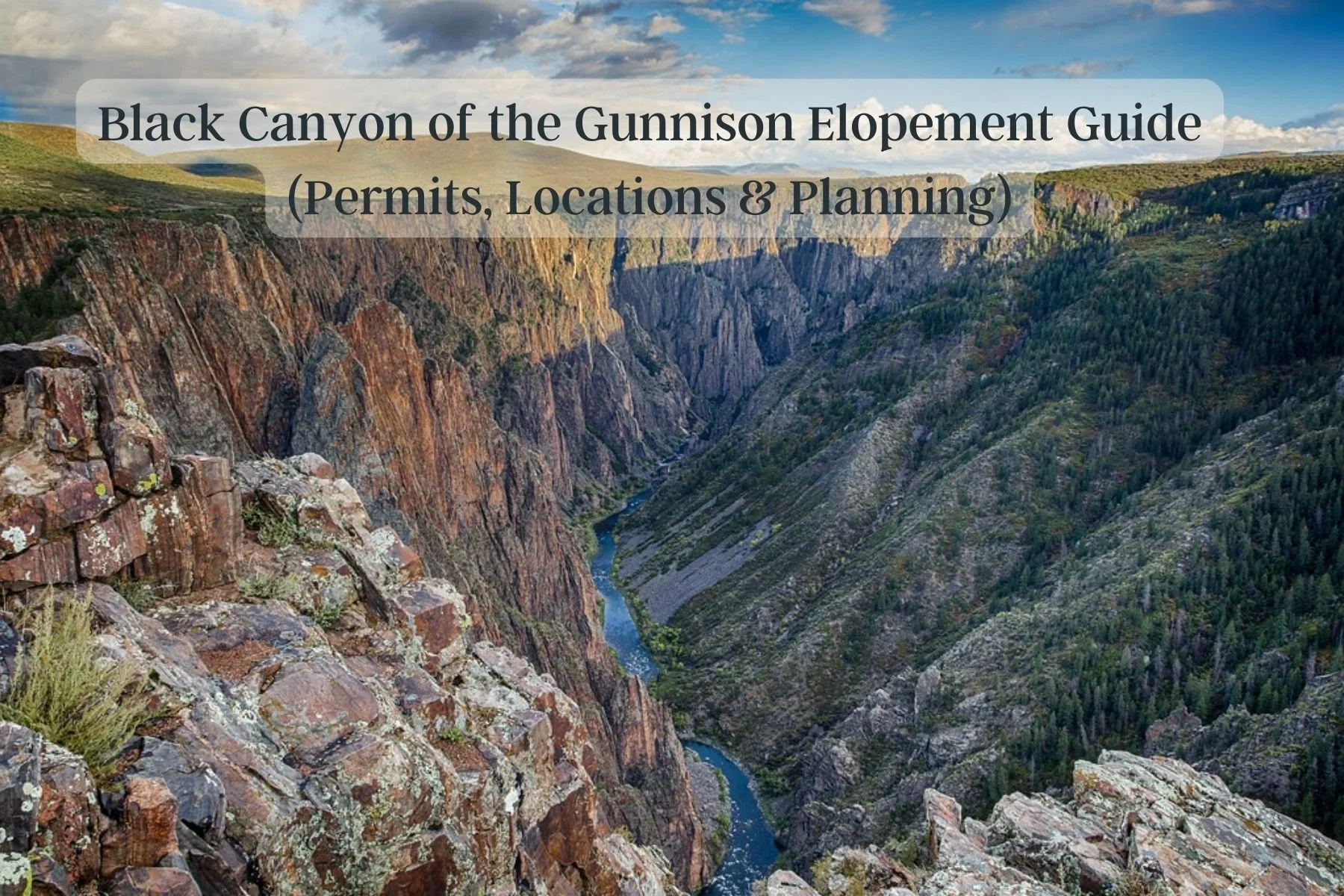
Black Canyon of the Gunnison offers one of the most dramatically different elopement experiences in Colorado — sheer canyon walls, sweeping rim overlooks, and far fewer visitors than the state's more well-known parks. See the full Black Canyon of the Gunnison Elopement Guide →
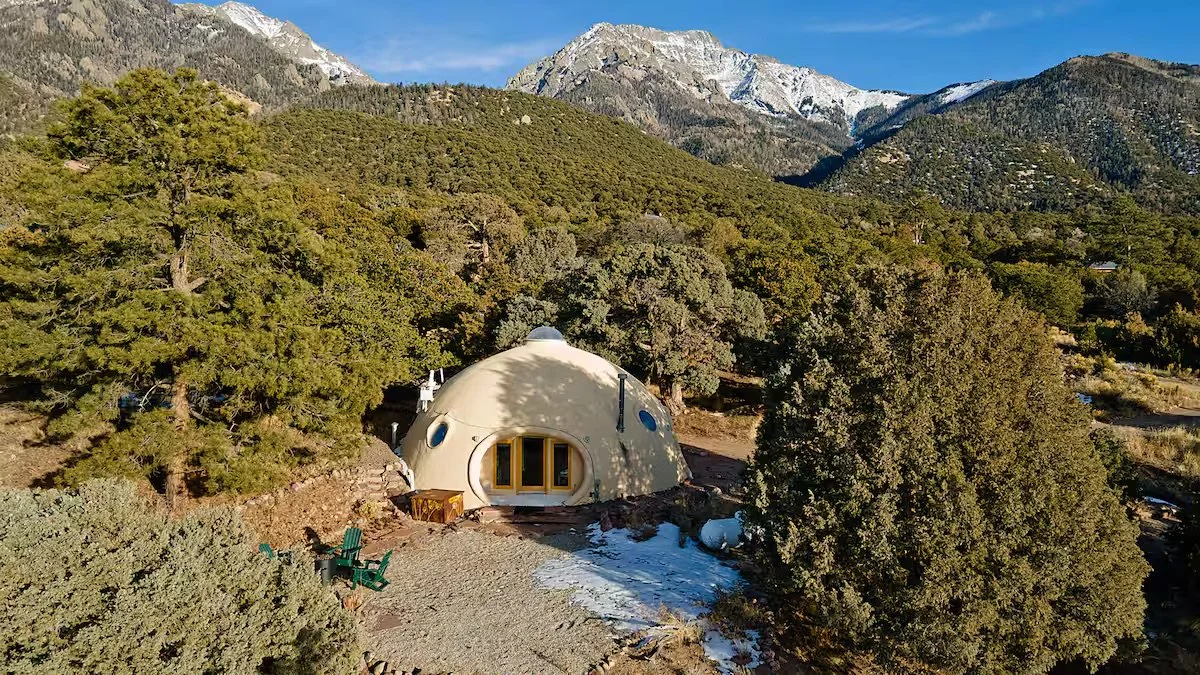
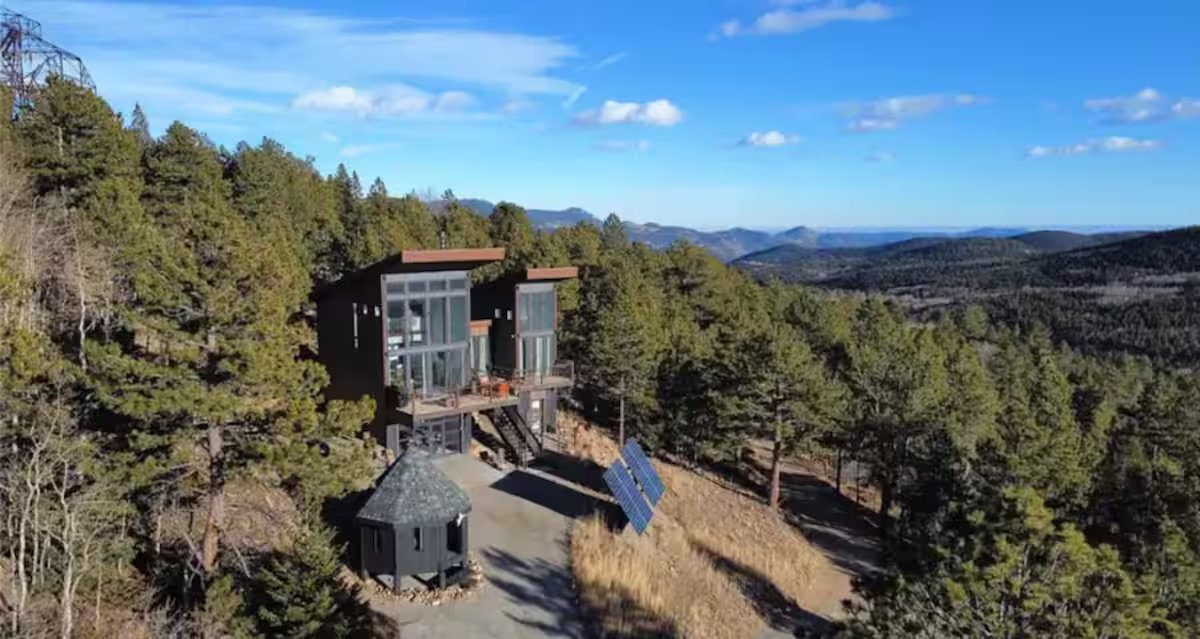
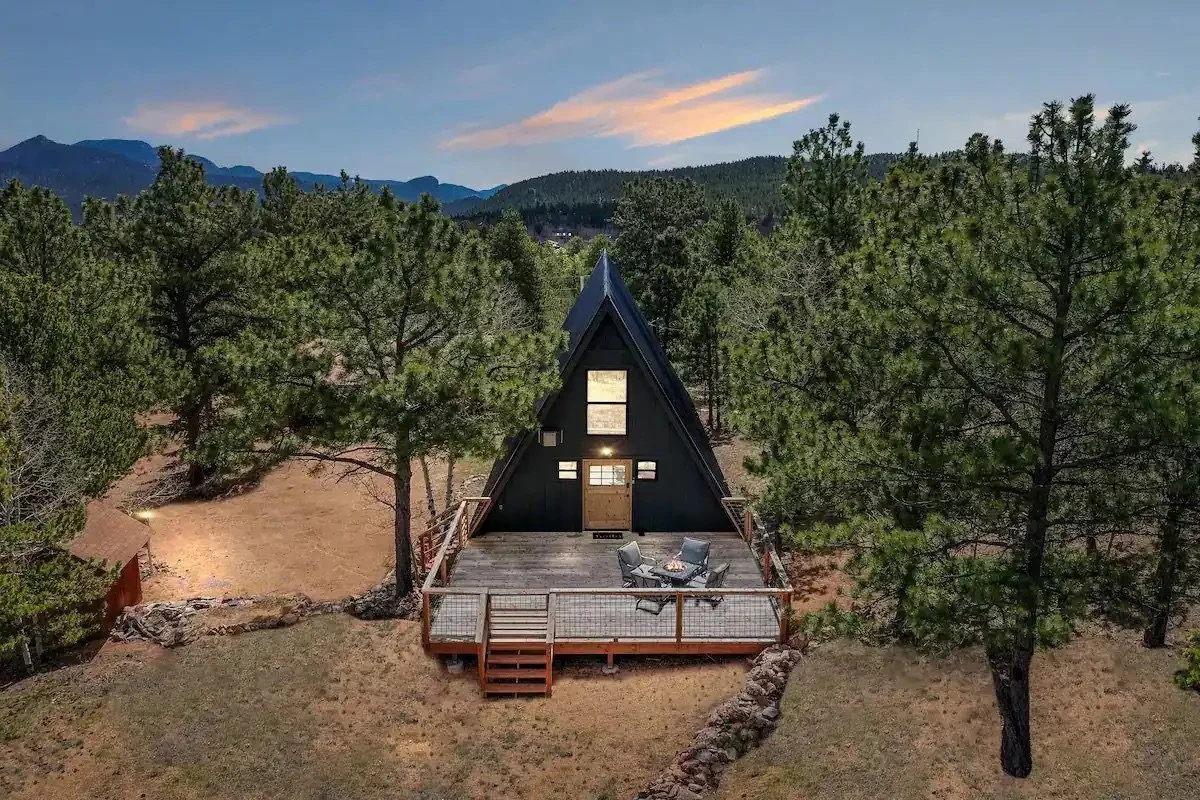
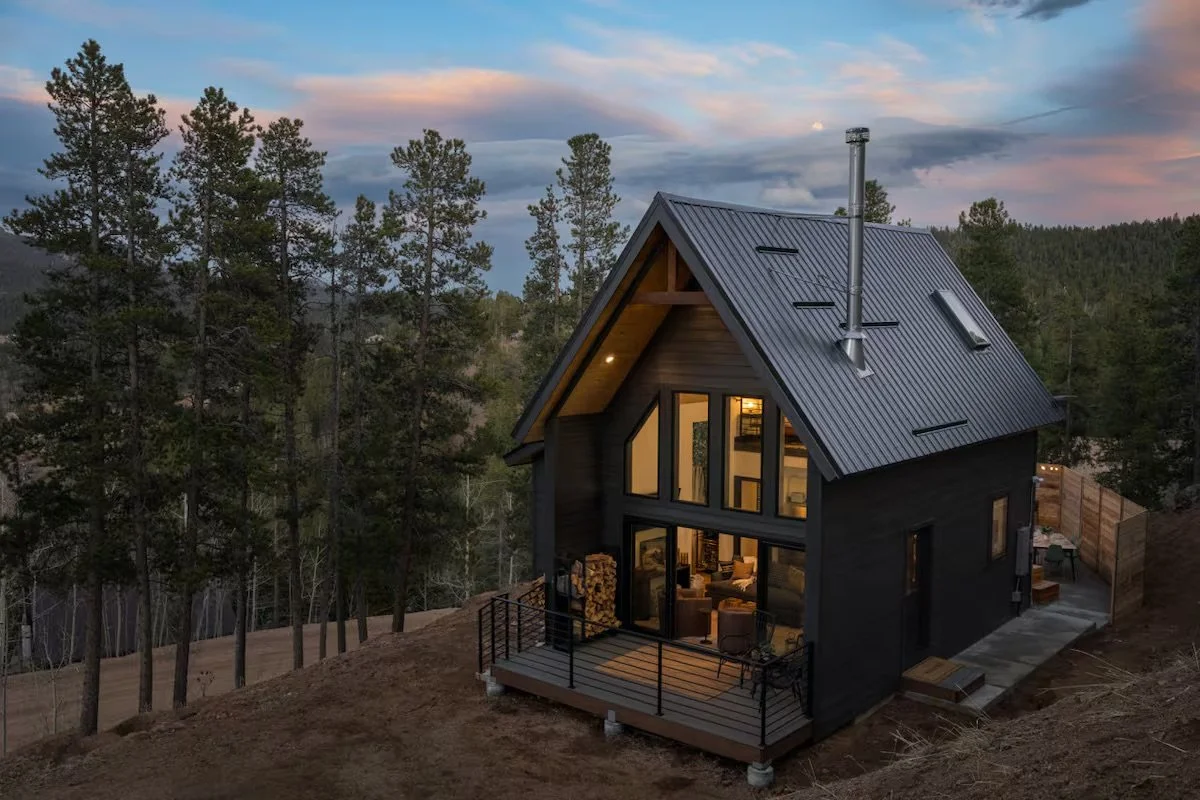
Where to Stay for Your Colorado Elopement
Choosing where to stay in Colorado isn’t just about aesthetics — it directly affects your timeline, accessibility, and overall experience.
Mountain towns, national park gateways, and remote areas each come with different travel considerations and seasonal accessibility.
Here are a few types of stays couples often consider:
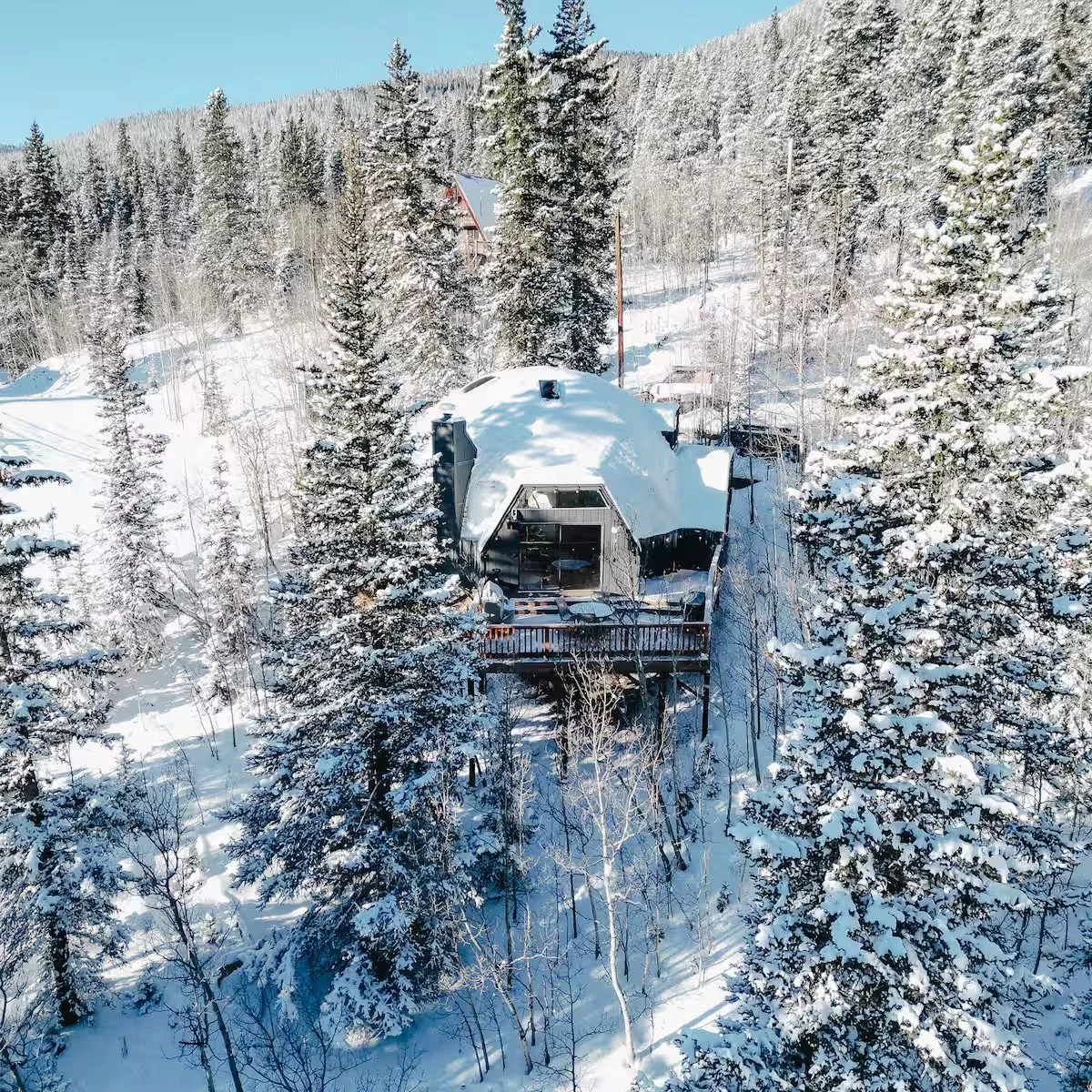
Mountain Town Cabins
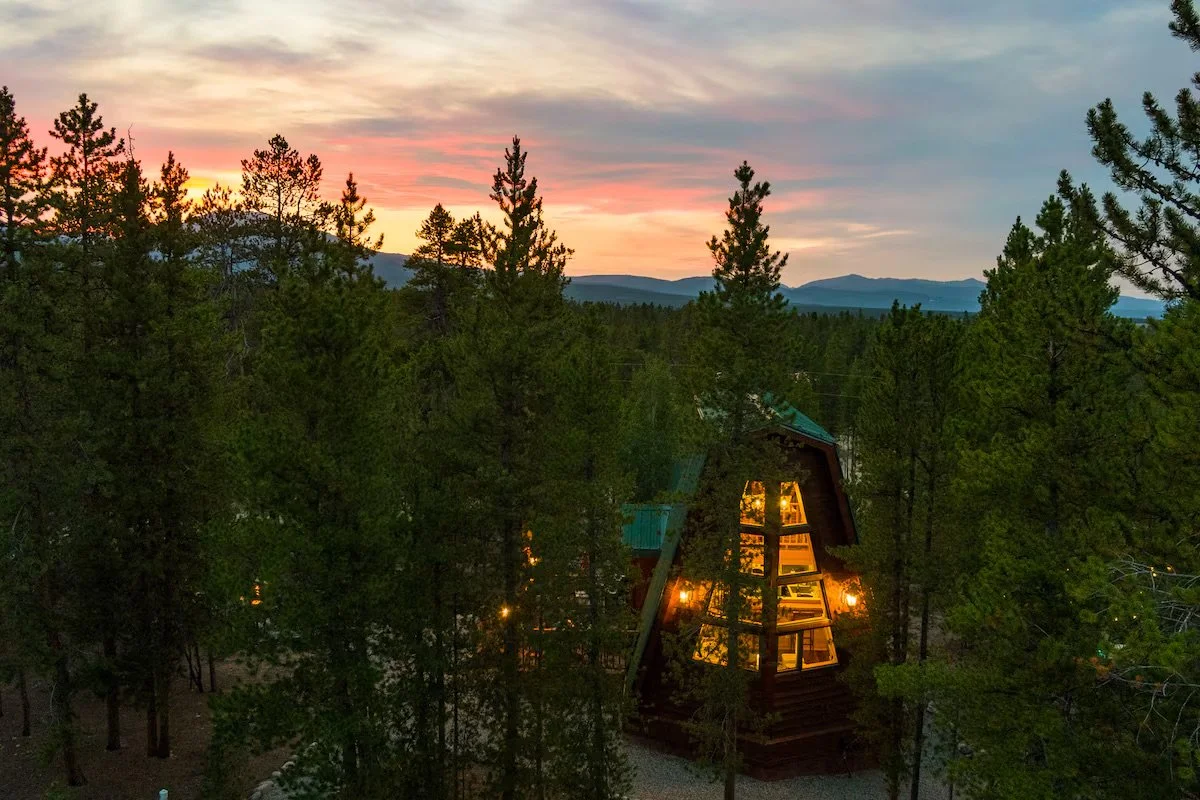
Staying in towns like Estes Park, Breckenridge, or Telluride provides quick access to mountain trails and alpine lakes. Cabins or private rentals often allow space for getting ready, a private first look, and a slow morning before heading to your ceremony location.
Best For: Couples eloping near national parks or high-elevation areas who want proximity and a cozy atmosphere.
Boutique Inns & Small Lodges
Smaller mountain inns provide a balance of comfort and scenic access without the scale of larger resorts.
Best For: Couples who want simplicity, walkability, and easy access to nearby ceremony sites.
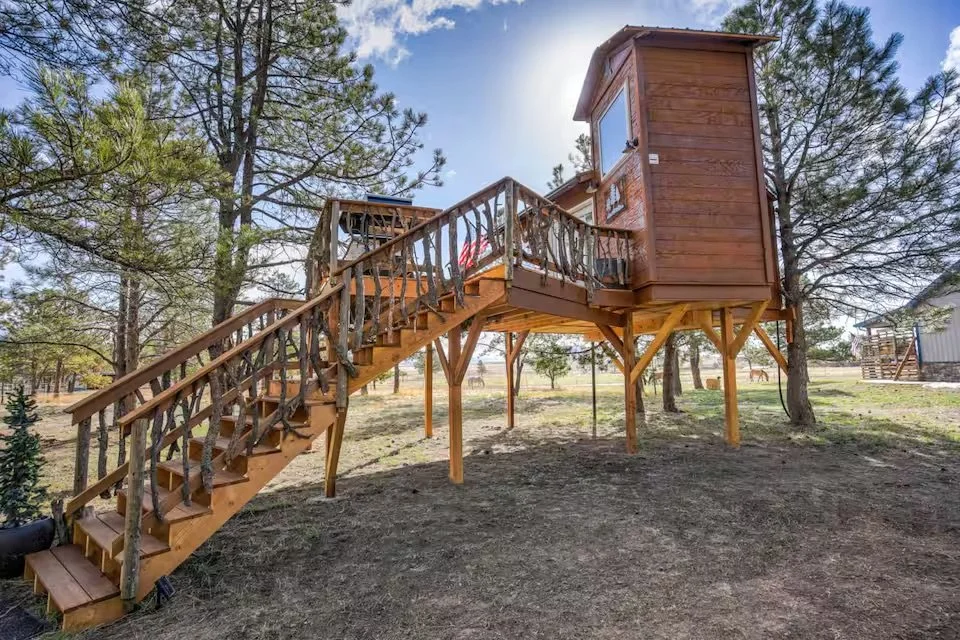
Secluded Airbnbs or VRBOs
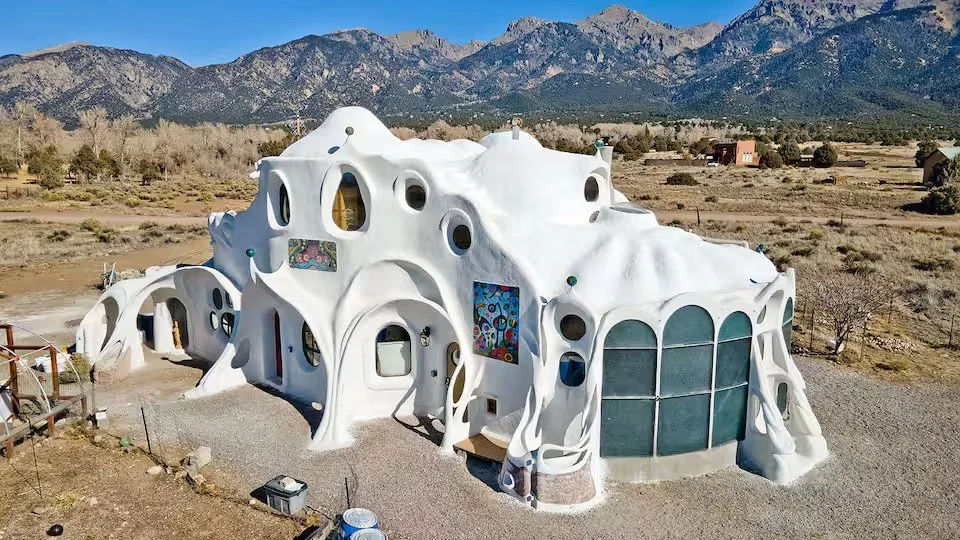
Private rentals can offer flexibility for getting ready photos, intimate dinners, and a slower-paced experience. However, always confirm whether events or photography are allowed on the property.
Best For: Couples planning a private ceremony nearby and wanting a self-contained experience.
Please click each photo to view the applicable credited sources.


Popular Elopement Locations in Colorado
National Park Locations
Rocky Mountain National Park
One of Colorado's most iconic elopement settings, Rocky Mountain National Park offers alpine lakes, mountain overlooks, and designated ceremony sites. A special use permit is required, and group sizes are limited. For a full breakdown of ceremony locations, permit fees, guest limits, and planning tips, see the complete Rocky Mountain National Park Elopement Guide →
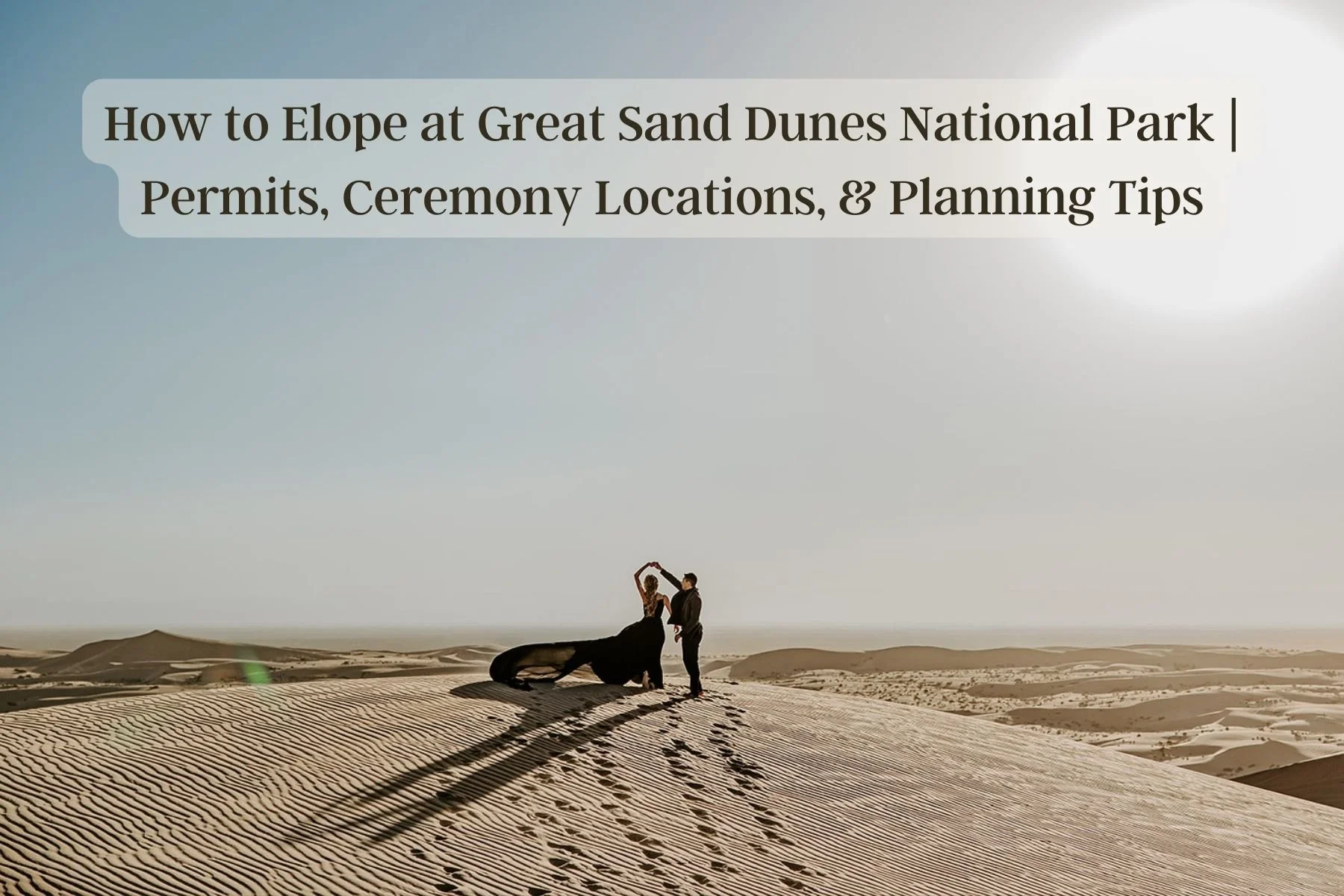
Great Sand Dunes National Park and Preserve
A dramatically different landscape featuring the tallest dunes in North America with Sangre de Cristo Mountain backdrops. A special use permit is required for ceremonies, and wind conditions and sand accessibility should be carefully considered. For a full breakdown of ceremony locations, permit fees, guest limits, and planning tips, see the complete guide on → How to Elope at Great Sand Dunes National Park.
State Park Locations
Eldorado Canyon State Park
Located near Boulder, this park offers dramatic canyon walls and mountain views with slightly more flexibility than many national park locations.
BLM & Open Public Land Locations
Buena Vista Area (BLM Land)
Offers wide-open mountain views and more privacy than high-traffic parks. Accessibility varies depending on season and road conditions.
Other Iconic Scenic Locations
Maroon Bells (Near Aspen)
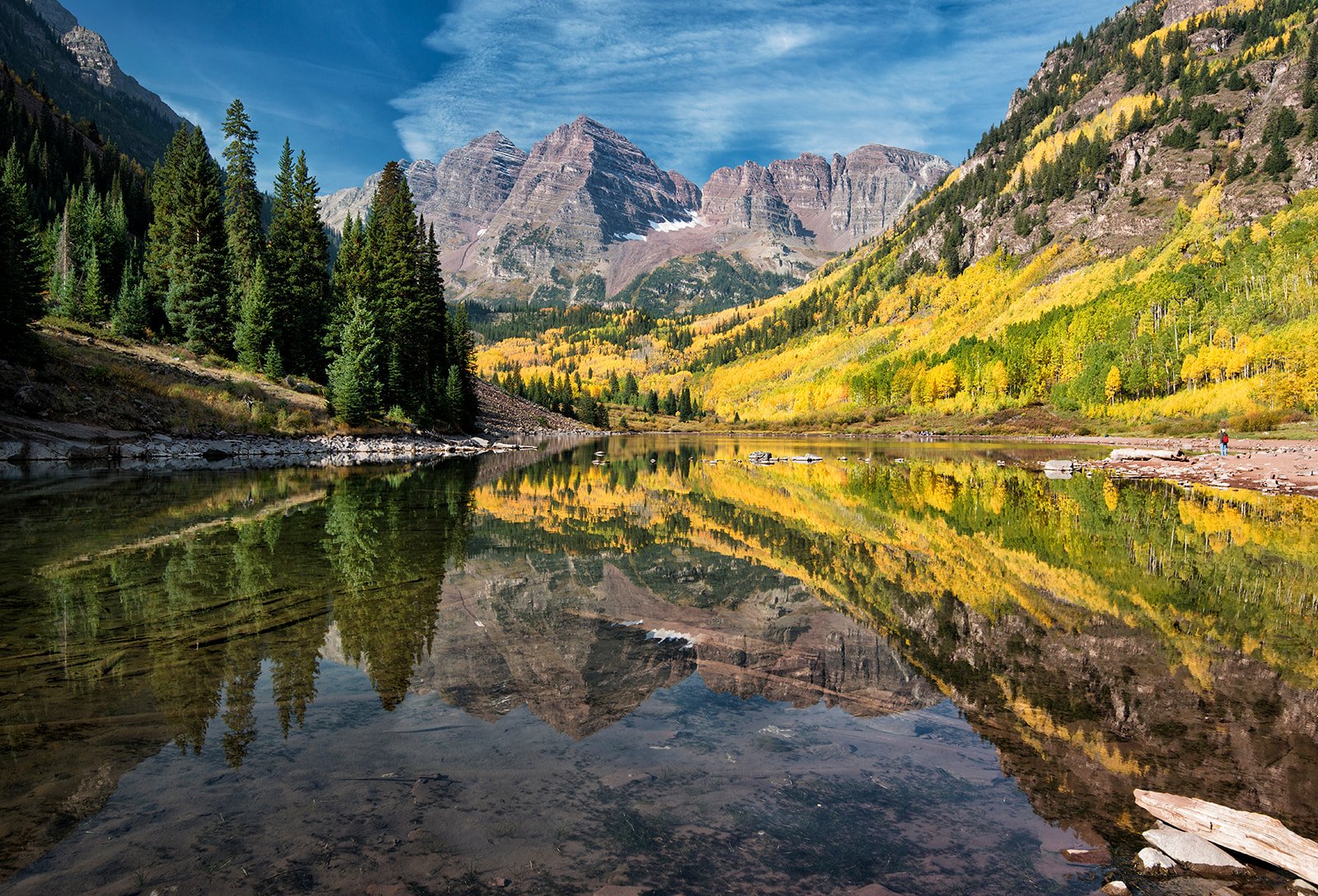
One of the most photographed mountain landscapes in Colorado, Maroon Bells is known for its twin peaks reflected in Maroon Lake — especially during peak fall aspen season. The area operates under strict access controls, including seasonal road closures, shuttle systems, and permit requirements for ceremonies.
Access is heavily regulated, particularly between late spring and early fall, and group sizes are limited. Parking reservations and time-of-day restrictions may apply depending on the season.
Garden of the Gods
One of Colorado’s most visually striking ceremony backdrops, known for its towering red rock formations and easy accessibility.
Ceremonies require a permit through the City of Colorado Springs, and specific ceremony areas must be reserved in advance. Group size limits and setup restrictions apply.
Please click each photo to view the applicable credited sources.
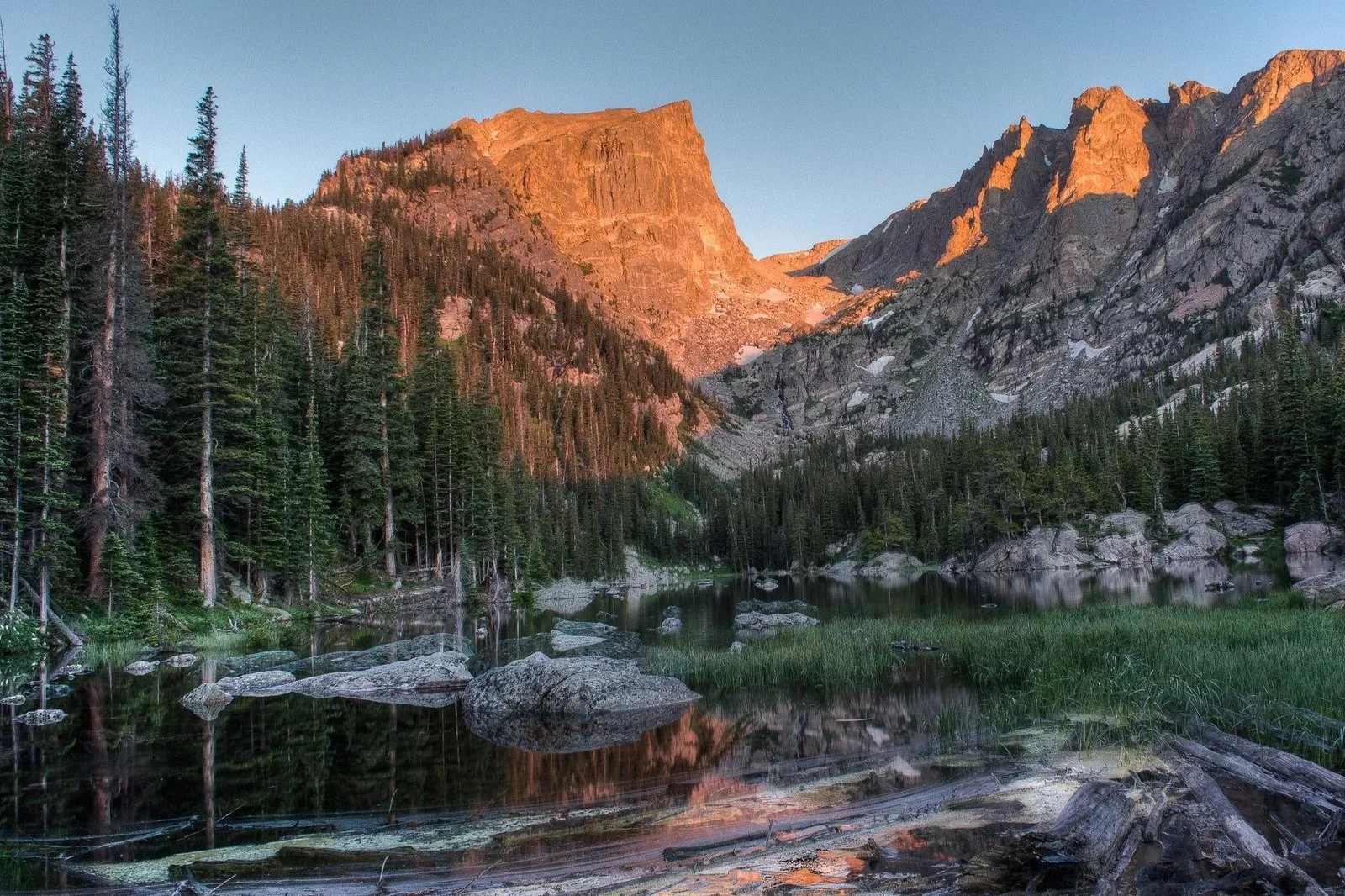
Dream Lake, RMNP

Maroon Bells
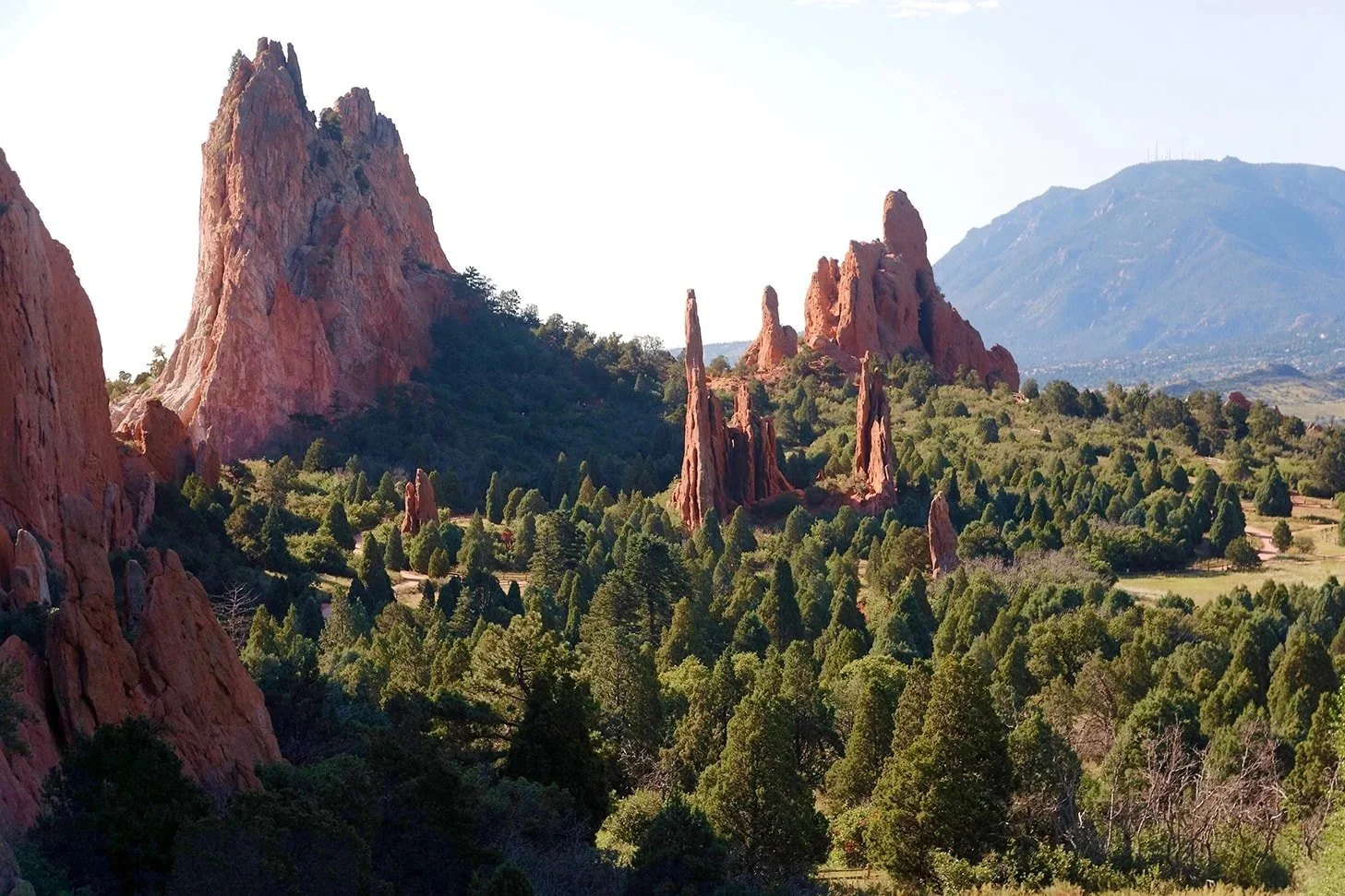
Garden of the Gods
Creative Add-On Locations for Unique Elopement Photos
Colorado’s landscape variety makes it possible to build an elopement day that includes more than one setting. Some couples exchange vows in the mountains and then incorporate a second location that feels completely different — architectural, historic, or visually unexpected.
Here are a few distinctive locations that can add contrast and personality to your timeline:
Bishop Castle (Rye)
A towering stone structure built over several decades by one individual, Bishop Castle offers a bold, unconventional backdrop unlike anything else in the state. Its dramatic metal staircases and hand-built stonework create a striking architectural contrast to mountain scenery.
Crystal Mill (Marble)
A historic mining mill perched above the Crystal River, accessible via a rugged, high-clearance off-road route. Seasonal access and road conditions should be carefully considered when incorporating this location into a timeline.
Paint Mines Interpretive Park (Calhan)
Known for its colorful hoodoos and clay formations, this location provides a soft, desert-like palette that contrasts beautifully with alpine landscapes.
Bent’s Old Fort National Historic Site (La Junta)
A reconstructed 19th-century trading post with strong architectural character. Permits and site regulations apply, and timelines should account for operating hours.
Is Eloping in Colorado Right for Me? (Quiz)
Not the perfect fit? Try these similar states instead:
Colorado Elopement Timeline Examples
Elopement days may feel relaxed and flexible, but they still require thoughtful structure — especially in Colorado, where elevation, travel time, light positioning, and seasonal access all play a role.
Below are examples of what a well-designed Colorado elopement day can look like. Each timeline is customized around location, accessibility, and how you want your day to feel.
-
9 - 11am: Breakfast Together, Enjoying Coffee with a View
11am - 2pm: Hair & Makeup/Getting Ready Together
2:30pm: Depart from Cabin to Mount Galbraith Park
3pm: Arrive at Mount Galbraith Loop Trailhead
3:30pm: Begin Hike (4.2 miles)
5:30pm: Ceremony on Trail
6 - 7pm: Couples Portraits
7:30 pm: Head Back to Cabin for Celebrations
8 - 10 pm: Enjoy a Private Dinner
-
On Day 1:
9 - 11 am: Breakfast Together, Enjoying Coffee with a View
11am - 2pm: Hair & Makeup/Getting Ready
2:15pm: First Look at Cabin
2:45pm: Depart to Rocky Mountain National Park
40 minute commute to Bear Lake
3:25pm: Arrive at Bear Lake
3:30 - 4pm: Ceremony at Bear Lake
2:45 pm: Begin Hike to Lake Haiyaha (4 miles)
2:45 - 6pm: Hiking with Couples Portraits on Trail; Stopping at Nymph Lake, Dream Lake, and Lake Haiyaha
6:30pm: Head to Cousin Pat’s Pub & Grill
35 minute commute to Pub
7:10pm: Arrive at Pub
7:10 - 9pm: Dinner, Drinks, and Pool at Cousin Pat’s Pub & Grill
On Day 2:
12pm: Picnic Lunch at Lake Estes
3:30 - 5:30pm: Private Horseback Ride with Sombrero Stables
Planning an Estes Park elopement? The Rocky Mountain National Park Elopement Guide walks through ceremony locations, permit requirements, and guest limits in detail before you finalize your timeline.
How Much Does it Cost to Elope in Colorado?
Eloping in Colorado can range widely depending on location, travel, permits, and the type of experience you want to create.
While some couples assume eloping is “cheap,” the reality is that even simple public-lands ceremonies require thoughtful planning, travel coordination, and professional support.
-
$30 — marriage license
$500 — 3 night airbnb stay
$4650 — 4-hour photography coverage
$300 — bouquet + boutonniere
$500 — wedding dress
$200 — suit rental
$200 — restaurant dinner + drinks
free – national forest ceremony venue
free — DIY hair + makeup
Total: $7,530
-
marriage license — $30
4 night luxury airbnb stay — $2000
multi-day photography coverage — $10800
bouquet, boutonniere, florals for ceremony and dinner — $1000
wedding dress — $3000
suit purchase — $1000
private chef — $800
5-6” custom cake — $350
onsite hair + makeup — $800
Rocky Mountain National Park permit fee — $300
Total: $20,080
Here’s what typically contributes to the overall investment:
Marriage License
$20–$30 depending on the county.
Permit Fees
$50–$300+ depending on land type and location.
Travel & Lodging
Varies by season and location. Mountain towns and ski areas fluctuate significantly.
Photography & Guided Planning Support
This is where the majority of your investment goes — ensuring permits, logistics, timeline design, and location strategy are handled thoroughly and calmly.
Elopement experiences in Colorado with full planning support typically begin at $5,800 for up to 6 hours of coverage, with full-day and multi-day experiences available for couples wanting a more immersive celebration.
Colorado Elopement Packages
Rather than offering traditional packages, I guide couples through fully supported public-lands elopements designed around location, logistics, and experience.
All Colorado elopement packages include:
All travel within Colorado (your investment does not change based on location)
Personalized location recommendations based on season, accessibility, and your vision
Permit research and guidance (when required)
Curated vendor recommendations (florals, hair + makeup, private chefs, etc.)
Activity ideas unique to your relationship and interests
A handcrafted elopement timeline designed for a relaxed, intentional experience
Every elopement gallery includes high-resolution digital images with printing rights, delivered through a private online gallery where you can view, download, print, and share your images with loved ones — so you can relive your experience for years to come.
Elopement experiences begin at $4,650 for an intimate local experience (up to 4 hours). From there, each experience is shaped around your location, priorities, and how you want your day to unfold — whether that means a single intentional setting or a more layered, travel-forward experience. Coverage length and structure are guided collaboratively, with recommendations based on what will best support a relaxed, experience-first wedding day.
Colorado Elopement Availability & Planning Updates
Colorado elopement dates, especially during peak fall and summer access windows, can book quickly due to permit limits, seasonal road closures, and location restrictions.
If you’d like updates on:
• Newly opened dates
• Seasonal availability
• Permit timeline reminders
• Planning resources for Colorado
Join my email list below.

Colorado Elopement Planning Checklist
Planning a Colorado elopement involves more than choosing a scenic location. From permits and seasonal accessibility to travel logistics and timeline design, each decision builds on the next.
If you’d like a step-by-step breakdown of how to plan an intentional, public-lands elopement — including location selection, legal requirements, vendor coordination, and contingency planning — I’ve created a comprehensive guide to walk you through it.

Ways to Extend Your Colorado Elopement Experience
Many couples choose to turn their Colorado elopement into a multi-day experience — blending their ceremony with a short honeymoon or celebration.
Depending on where you’re eloping, you might consider incorporating one of these activities into your timeline or the days surrounding it:
Sandboarding at Great Sand Dunes
Dinner at Linger Eatery in Denver
A soak at Desert Reef Hot Springs
Walking the Royal Gorge Bridge
Exploring the Wild Animal Sanctuary
These experiences can add personality to your elopement weekend without overwhelming your ceremony day.


What a Guided Elopement Can Look Like
While every Colorado elopement is designed around location, season, and accessibility, the structure and support behind it remain the same.
Here are a few recent elopement experiences that reflect the level of planning, guidance, and intention I bring to each day:
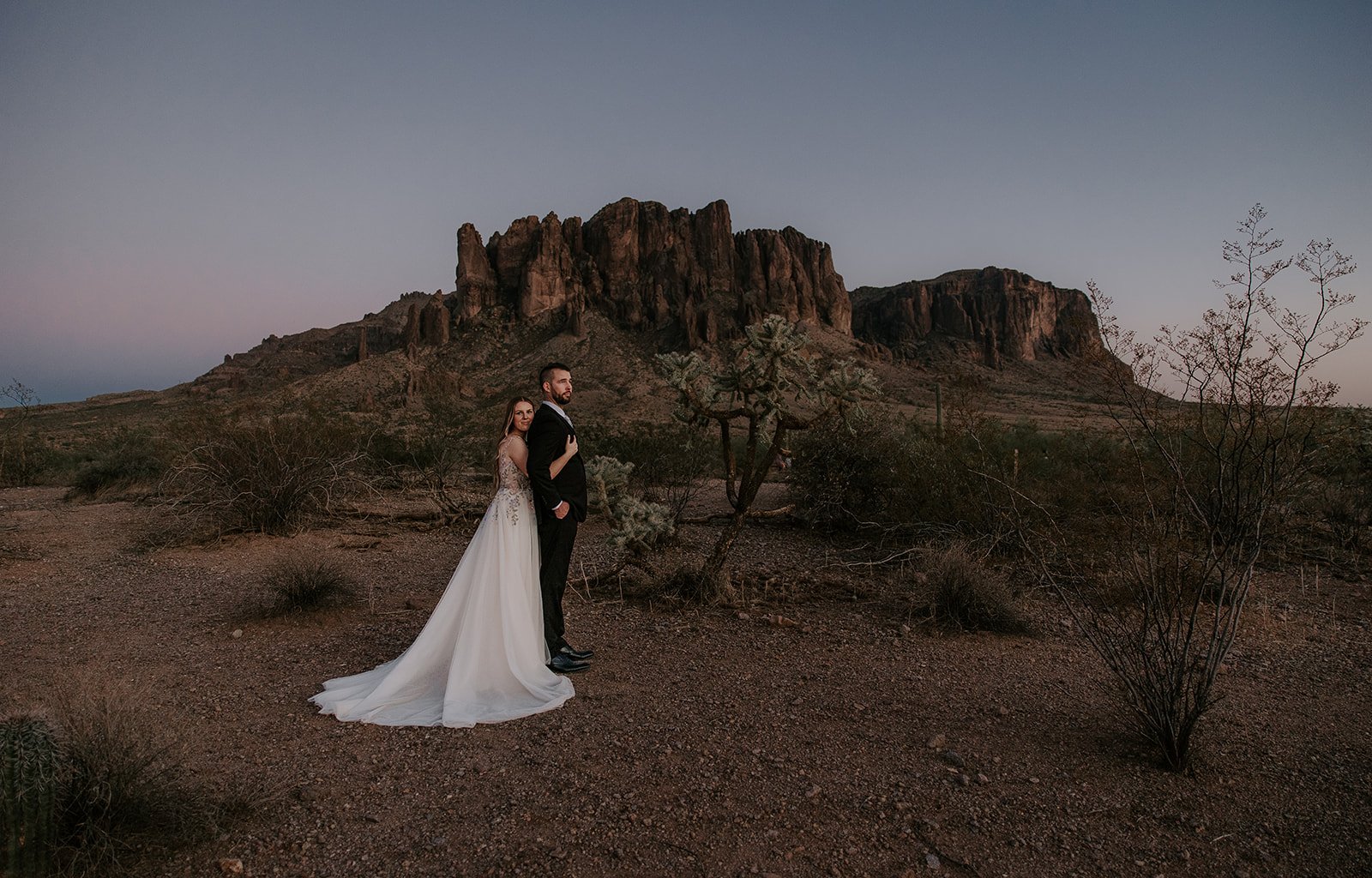
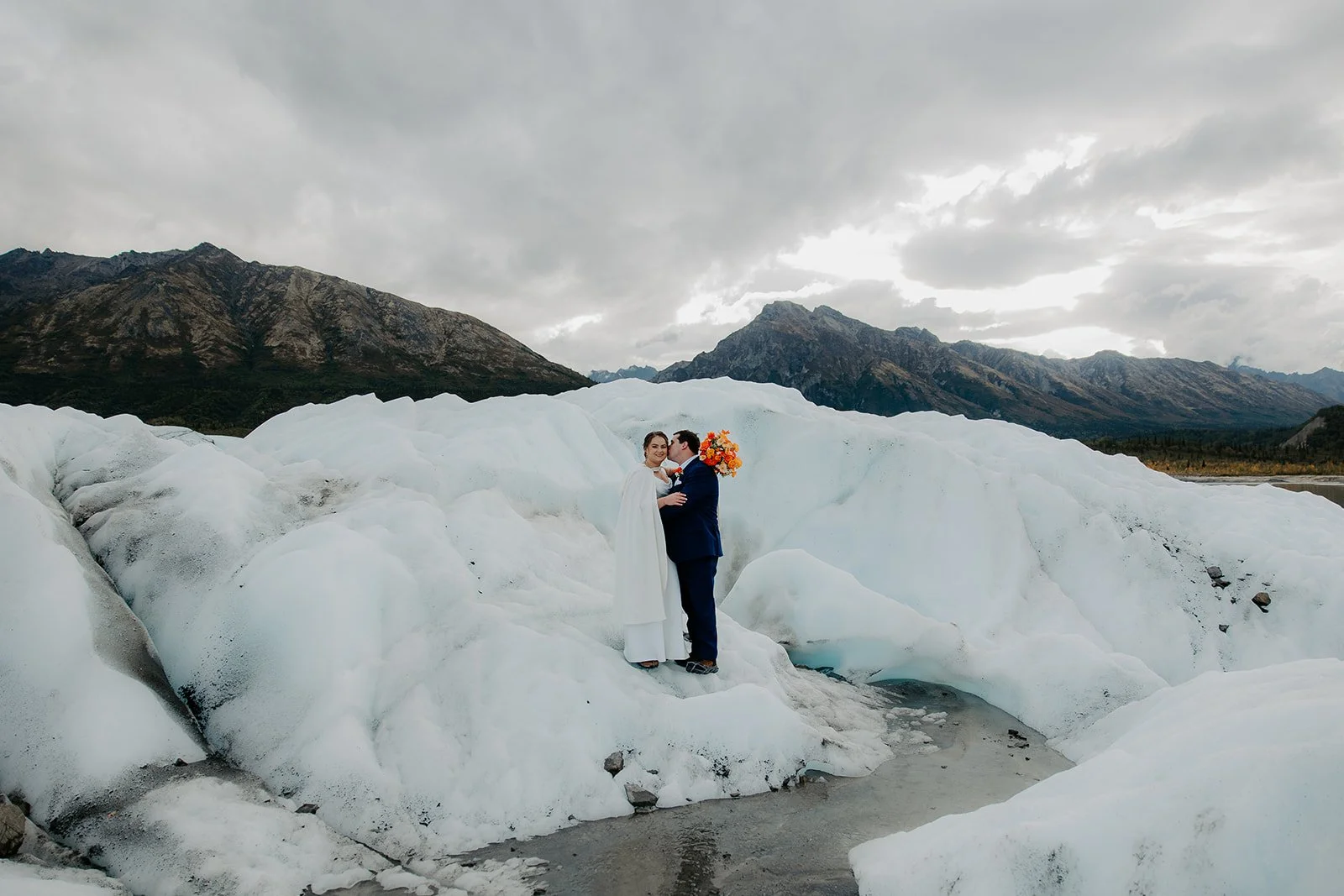
Which Colorado Elopement Experience is Right for Me?
Multi-Day Elopement Experience
For couples who want their Colorado elopement to unfold as a full experience rather than a single ceremony.
Multi-day elopements allow space to explore multiple landscapes — from alpine lakes to high desert terrain — without compressing everything into one timeline.
This experience may be right for you if:
You want to combine your elopement with a getaway or honeymoon
You’re drawn to multiple Colorado landscapes and don’t want to choose just one
You value slow mornings, golden evenings, and complete storytelling
You want space for both adventure and restoration
Multi-day experiences are especially helpful in Colorado, where travel time between locations and elevation changes require thoughtful pacing.
Full-Day Elopement Experience (Up to 12 Hours)
This experience offers the most flexibility within a single day while still allowing for multiple locations, transitions, and meaningful pauses.
A full-day Colorado elopement often includes getting ready, a first look, travel to your ceremony location, portraits during optimal light, and time to celebrate afterward.
This experience may be right for you if:
You want your full day documented from start to finish
You’re planning multiple locations, scenic overlooks, or light hiking
You want time for both your ceremony and a celebratory activity
You prefer a relaxed flow rather than a tightly scheduled timeline
Half-Day Elopement Experience (Up to 6 Hours)
Designed for couples who want something intimate, focused, and beautifully simple.
Half-day experiences work well when your ceremony location, portraits, and accommodations are relatively close together.
This experience may be right for you if:
You want a short, intentional ceremony
You prefer minimal travel and a calm pace
You plan to stay near one primary location
You envision a private experience without multiple transitions

Let’s Plan Your Colorado Elopement
Colorado offers a rare combination of legal simplicity, expansive public lands, and flexible ceremony options — but creating a day that feels steady and intentional still requires thoughtful planning.
From permit research and seasonal access to timeline design and location strategy, I take full responsibility for the moving pieces so you don’t have to navigate them alone.
Whether you’re envisioning a sunrise ceremony in the mountains, a private exchange of vows on BLM land, or a multi-day alpine experience, your elopement should feel grounded, spacious, and fully yours.
If you’re ready to begin planning, or simply want clarity on what’s possible, I’d love to hear what you’re envisioning.


Learn More About Eloping in Colorado

Bethany Wolf
Guided Public-Lands Elopement Photographer
✔ permits & logistics handled
✔ timeline design
✔ location guidance
✔ travel included nationwide

Josh and Alexa’s intimate elopement at Blackwater Falls State Park shows what a calm, intentional West Virginia elopement day can look like — from a private waterfall ceremony to a lakeside picnic with champagne and homemade cake.