Best Places to Elope in Colorado (Iconic Views + Private, Curated Alternatives)
Colorado has no shortage of beautiful places to elope.
What it does have is an overwhelming amount of surface-level advice. Pinterest lists. “Hidden gem” recommendations that are no longer hidden. Locations that photograph beautifully at sunrise on a weekday in October, but feel entirely different at 3pm on a Saturday in July.
So instead of another generic roundup, I want to walk you through two distinct categories of Colorado elopement locations, because understanding the difference is what actually helps you make a grounded decision.
The iconic spots you’ve absolutely seen before (and what they’re actually like to elope at)
The more private, experience-first places I guide couples to when they want space, flexibility, and emotional presence
If you’re still learning how Colorado elopements work — permits, marriage license logistics, seasonal access, guest limits — start with my full guide on How to Elope in Colorado.
If you're still deciding what type of Colorado elopement experience fits you best, you can explore my Colorado elopement experiences and pricing here.
But if you’re here because you’re trying to decide where your ceremony should take place, this is where we begin.
What Actually Makes a Colorado Elopement Location “The Best”?
When couples search for the best places to elope in Colorado, what they’re usually shown are the most photographed places.
But “best” is rarely about popularity.
It means:
Guest size fits the regulations
The season supports access
The light works for your ceremony timing
You feel calm there
The rules don’t add stress
Colorado is layered with National Parks, State Parks, National Forests, Wilderness Areas, and BLM land — and each one operates under a different ceremony structure. Some require designated sites and advance permits. Others allow small ceremonies with minimal paperwork but still enforce group size and impact rules.
Two mountain views can look nearly identical in photos and operate completely differently in practice.
Before choosing a location, it’s important to understand:
How Much Does It Cost to Elope in Colorado
Once you understand the framework, choosing a location becomes far less overwhelming.
Now let’s walk through the iconic Colorado elopement locations first — and then the quieter, experience-first alternatives most couples don’t initially hear about.
The Iconic Colorado Elopement Locations
(And what they’re actually like in real life)
These are the places that dominate search results and social media. They’re popular for good reason — the scenery is dramatic, recognizable, and undeniably beautiful.
They also come with structure.
Sometimes that structure is helpful. Sometimes it shapes the experience more than couples expect.
Let’s walk through them honestly.

Rocky Mountain National Park Elopement Locations
Rocky Mountain National Park is the most searched elopement location in Colorado — and one of the most regulated.
The scenery is undeniably iconic: alpine lakes, sweeping tundra, jagged peaks, and some of the most recognizable mountain views in the state.
But what makes it beautiful also makes it regulated.
Rocky Mountain National Park operates on a capped permit system. From May through October, only 60 ceremonies per month are allowed. From November through April, that number drops to 40 per month. No more than six total ceremonies are scheduled per day across the entire park, and no more than two ceremonies per day are permitted at any single designated location, regardless of availability.
Applications are accepted one year in advance of your desired wedding month, and review begins on the first of that month (for example, July 2027 applications are accepted starting July 1, 2026). Permits are issued on a first-come, first-served basis — which means peak summer and fall dates often fill.
Ceremonies are only allowed in 13 designated locations. You cannot hold a wedding just anywhere in the park, even for a two-person elopement.
The largest allowed group size anywhere in the park is 30 people, but some ceremony sites restrict it to fewer. Group size includes everyone: the couple, guests (including infants), officiant, photographer, and videographer.
Ceremonies are limited to two hours total, and that time includes arrival, setup, the ceremony itself, and any photosat the ceremony location.
There are also impact restrictions:
No elaborate décor, arches, tables, tents, or generators
No scattering of materials
No large floral installations
No reserved parking
The Special Use Permit requires a $300 non-refundable administrative fee. The permit does include timed-entry reservations for your entire wedding party, but standard park entrance fees still apply.
Logistics matter here. In high-traffic areas like Bear Lake, parking fills early and the free hiker shuttle from the Park & Ride often becomes essential. Certain areas, including parts of Bear Lake, are also prohibited for ceremonies on weekends and from the Friday before Memorial Day through the second Monday in October.
None of this makes Rocky Mountain National Park the wrong choice.
It simply means your experience will be shaped by structure.
For couples who want a recognizable alpine backdrop and are comfortable planning early within defined guidelines, it can be extraordinary. For couples seeking flexibility, privacy, or room to move throughout their day, the limitations can feel more restrictive than expected.
If you’re considering RMNP, I break down the 13 ceremony locations and planning nuances in my Rocky Mountain National Park Elopement Guide, along with a broader explanation of Colorado’s permit systems in Colorado Elopement Permits Explained.

Garden of the Gods Elopement
Located in Colorado Springs, Garden of the Gods is one of the most accessible places in Colorado to elope in front of dramatic red rock formations without hiking into the backcountry.
It’s also one of the busiest public parks in the state.
Unlike Rocky Mountain National Park, Garden of the Gods does not require a traditional special use permit for small, simple wedding ceremonies. There is no ceremony fee, no reservation system, and no cap on the number of weddings per day. Admission and parking are free.
That simplicity is part of its appeal.
It also means your ceremony takes place within a fully public setting.
The park receives millions of visitors per year, and popular viewpoints experience consistent foot traffic throughout the day. Because there is no reservation system, multiple ceremonies can occur simultaneously, particularly on weekends and during peak travel season.
Ceremonies must remain small and unobtrusive. While the park does not publish a strict hard guest cap, group sizes are expected to stay modest — typically around 25 people or fewer — to avoid blocking trails, parking areas, or scenic overlooks. Group size includes everyone present.
Impact restrictions include:
No arches, chairs, tents, or amplified sound
No elaborate décor installations
No alcohol without city approval
No reserved or blocked-off areas
Parking is public and cannot be reserved, which makes timing critical. Sunrise offers the softest light and lowest visitor volume. Sunset can be visually beautiful, but it also brings some of the highest traffic.
Garden of the Gods tends to work best for:
Weekday sunrise ceremonies
Very small guest counts
Couples comfortable exchanging vows in a public setting
It is less ideal for couples prioritizing privacy or extended ceremony time without interruption.
The red rock formations are striking at any hour.
The overall experience depends almost entirely on timing and expectations.

Maroon Bells Elopement
Maroon Bells near Aspen is one of the most photographed mountain landscapes in Colorado — and one of the most logistically controlled.
The ceremony location most couples mean when they say “Maroon Bells” is the Maroon Bells Amphitheater, which must be reserved in advance through Recreation.gov. The reservation cost is $200/day, and reservations are released one year in advance at 8:00 AM Mountain Time on a rolling basis.
Because it’s released on a first-available basis and books quickly in peak season, the simplest rule is: apply the moment reservations open for your date, especially for late summer and fall.
A few key constraints couples often don’t realize until they’re planning:
The amphitheater has seating for a max capacity of 50 people.
Your reservation includes 5 parking passes (vehicles must be 19 feet or under). These passes are what allow your vehicles past the access control point.
You have the amphitheater reserved 9:00 AM–4:00 PM. After 4:00 PM, it becomes first-come, first-served (meaning you can’t keep the public out).
The amphitheater reservation is effectively the “cap” for that site — only one group holds the amphitheater reservation on a given day (because it’s reserved to one party for that daily window).
Access logistics are the second layer.
During shuttle season, you generally choose one of two ways to reach Maroon Bells:
Trailhead Parking Reservation: $10 per vehicle (very limited), and during peak season the road is closed to inbound private vehicles 8:00 AM–5:00 PM (so reservation type determines whether you arrive before 8am or after 5pm).
Shuttle Reservation: $16 per adult, $10 for children (12 & under) and $10 for seniors (65+).
For planning purposes, it also helps to know when access reservations drop. Shuttle reservations and early-season parking reservations are released on specific annual release dates (for example, the full-season release has been listed as mid-February at 8:00 AM in recent seasons).
Important clarity: your amphitheater reservation includes the 5 vehicle passes for your group, but it does not replace shuttle tickets for additional guests beyond those passes. If you have more than five vehicles’ worth of people, you’ll be coordinating a mix of shuttles and shared rides.
Finally, Maroon Bells has strict impact rules that shape what a ceremony can look like. For example, the amphitheater prohibits arches/large structures, confetti/flower petals/rice, and PA systems/loud music.
Maroon Bells can be extraordinary for couples who want an iconic view and are comfortable planning early within a defined system.
But it’s not a “show up and wander” location — it’s a place where your date, your access, and your guest logistics are all reservation-dependent, and that structure will shape the feel of the day.

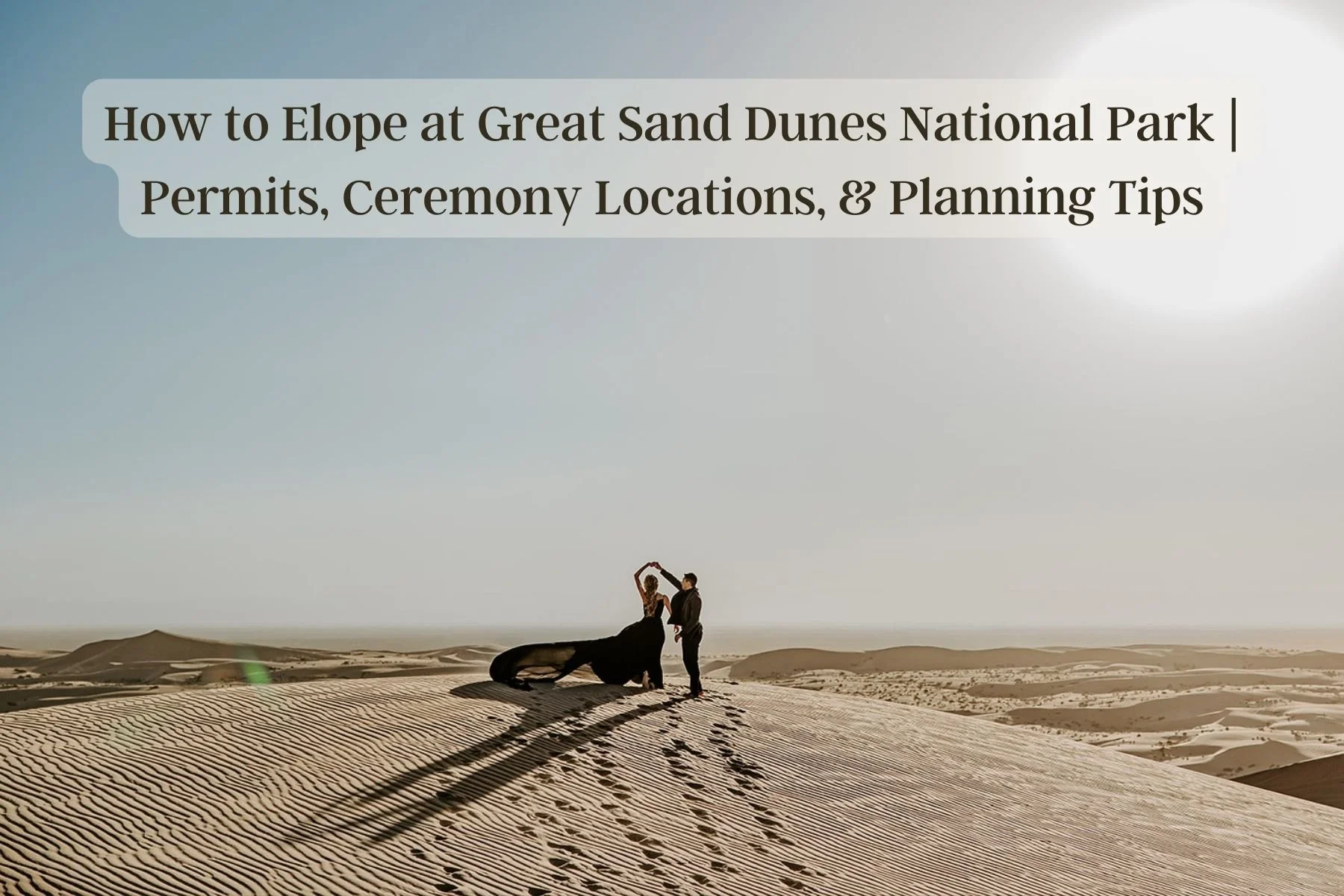
Great Sand Dunes National Park
Great Sand Dunes National Park offers one of the most visually distinct landscapes in Colorado.
Expansive rolling dunes. Wide open sky. The Sangre de Cristo Mountains rising in the distance.
It feels minimal and cinematic — and logistically, it operates very differently from alpine parks like Rocky Mountain National Park.
Weddings and elopements inside the park require a National Park Service Special Use Permit, which currently carries a $200 non-refundable application fee. Permits are reviewed individually, and the park does limit the number of ceremonies allowed per day depending on location and staffing availability.
Ceremonies must remain small and low-impact. While exact limits can vary based on the approved site, group sizes are typically capped around 25 people, and that count includes everyone present — the couple, guests, officiant, photographer, and videographer.
There are no reserved private areas within the dunes themselves. You cannot block off sections of the sand, and you should expect visitors in the distance, especially mid-day during peak travel months.
Impact restrictions are consistent with most national parks:
No arches, chairs, tents, or large installations
No amplified sound
No scattering of materials (including petals or confetti)
Leave No Trace compliance is strictly enforced
The environmental factors here are often the bigger planning variable.
Wind is common and can be strong year-round. Sand shifts continuously, which affects footing and equipment setup. Summer temperatures on the dunes can exceed 150°F at the surface, making mid-day ceremonies unrealistic for comfort and safety. Spring runoff (typically late May through early July) creates Medano Creek at the base of the dunes — beautiful for photos, but it changes access patterns and increases visitor volume.
Timing matters here more than couples expect.
Sunrise offers the calmest wind conditions and lowest visitor traffic. Sunset can be visually dramatic, but wind tends to increase in the afternoon.
Parking and park entrance fees are separate from the Special Use Permit. The SUP does not grant private access or waive standard park admission.
Great Sand Dunes works beautifully for:
Couples drawn to minimalist, editorial-feeling landscapes
Small guest counts
Early-morning ceremonies
Those comfortable with wind and natural elements shaping the day
It is less ideal for larger guest groups, elaborate setups, or couples envisioning lush greenery or alpine backdrops.
The landscape feels expansive and quiet.
The logistics require intention.
If you’re considering this location, I break down permit timelines, seasonal access considerations, ceremony site options, and weather planning in my full Great Sand Dunes National Park Elopement Guide.
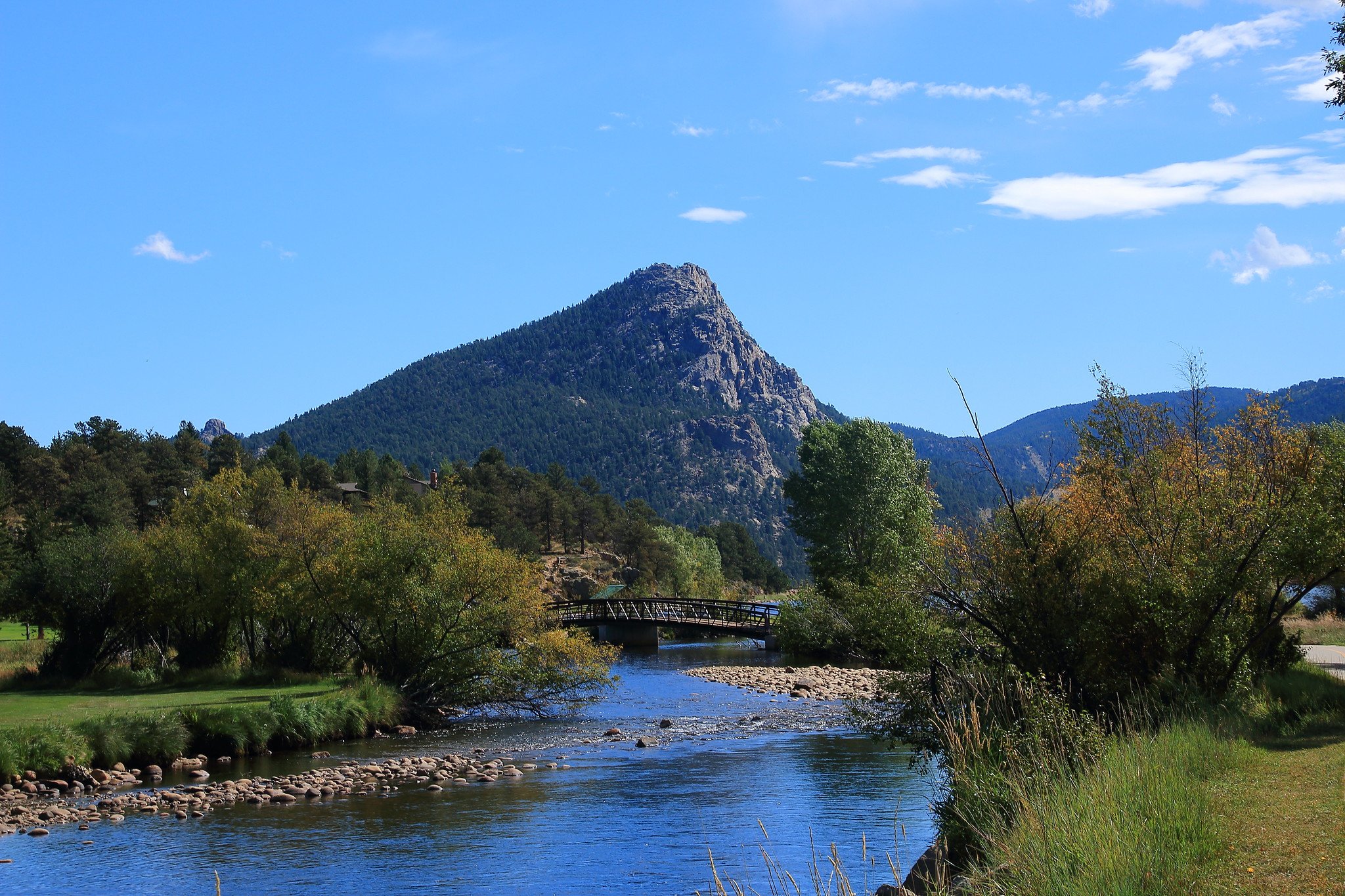
Estes Park (Outside Rocky Mountain National Park)
Estes Park is often mentioned interchangeably with Rocky Mountain National Park, but they are not the same.
Rocky Mountain National Park is federally managed land with capped ceremony permits and designated wedding sites.
Estes Park is a town surrounded by a mix of private venues, town-managed open space, and nearby national forest land — each operating under different regulations.
That distinction matters.
If you choose a private venue in Estes Park, you are operating under that venue’s contract and policies rather than National Park Service restrictions. That can mean:
No federal ceremony cap per month
More flexibility with guest count (depending on venue)
Greater décor freedom
Reserved parking
Longer ceremony windows
However, if you’re considering town-owned parks or public land outside RMNP boundaries, permits may still be required, just through different managing agencies.
Nearby National Forest land (such as areas within Roosevelt National Forest) can sometimes offer more flexibility than RMNP, but still requires compliance with U.S. Forest Service regulations. Group size limits, impact rules, and special use permits may still apply depending on the location and ceremony setup.
The key difference is this:
Estes Park gives you options.
You can choose:
A private venue with structured convenience
A scenic public park with town-level permitting
Forest land with more flexibility than a National Park
It tends to work well for:
Couples who love the RMNP aesthetic but want fewer federal constraints
Larger guest groups than RMNP allows
Those wanting a reception space nearby
Couples prioritizing convenience and lodging access
It is less ideal for couples seeking deep wilderness privacy because you’re still in a well-traveled mountain town.
Estes Park can feel far more flexible than Rocky Mountain National Park.
But the experience depends entirely on which type of land you choose.
Understanding that distinction early can prevent permit confusion later, especially when couples assume “Estes Park” automatically means National Park rules apply.
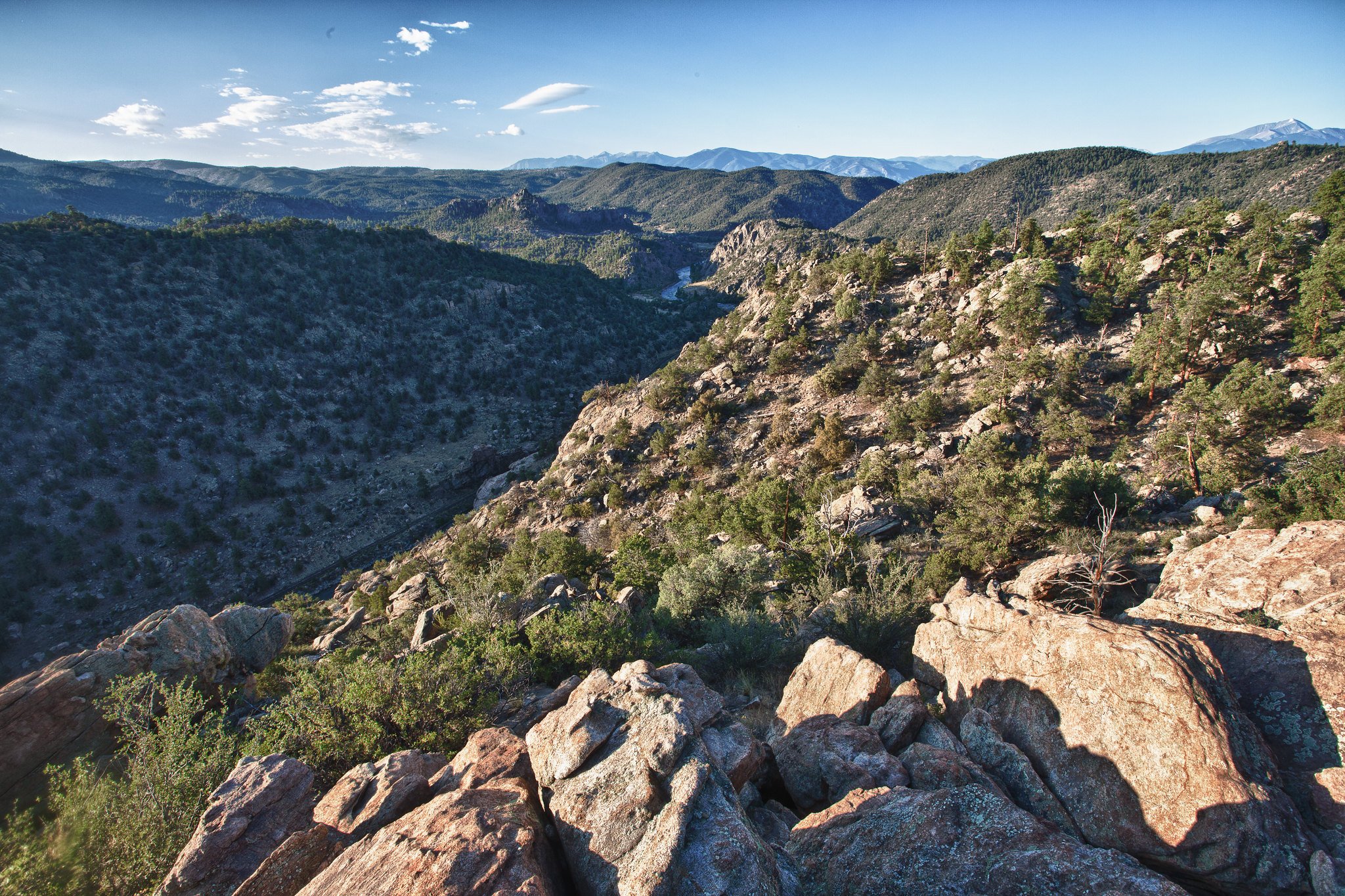
BLM Land Near Buena Vista
When couples say they want a “private mountain view in Colorado,” they’re often envisioning land managed by the Bureau of Land Management (BLM) — particularly in areas surrounding Buena Vista and the Collegiate Peaks.
The scenery here can feel expansive and quiet. Open meadows. High desert ridgelines. Mountain backdrops without the infrastructure of a national park.
But “BLM land” is not a single location.
It’s a designation.
And that distinction matters.
BLM land around Buena Vista is divided into multiple parcels with different access roads, seasonal closures, fire restrictions, and impact policies. Some areas allow small ceremonies without a formal Special Recreation Permit. Others may require one depending on:
Group size
Use of equipment (arches, chairs, amplified sound)
Commercial photography involvement
Whether the area is considered developed or dispersed
Unlike National Parks, BLM areas typically do not have designated wedding sites. That offers flexibility — but it also requires careful location scouting to ensure:
You are actually on BLM-managed land (not National Forest or private property)
The road is accessible for your vehicles
You are not blocking trailheads or dispersed camping areas
Your ceremony complies with Leave No Trace regulations
There is no daily ceremony cap in most dispersed BLM areas, but that doesn’t mean the land is unregulated. Impact violations can result in fines, and fire restrictions are common during summer months.
From an experience perspective, this is often where couples find the most breathing room.
No shuttle systems.
No 60-per-month ceremony caps.
No designated amphitheaters.
But that freedom comes with responsibility.
BLM land near Buena Vista works especially well for:
Very small guest groups
Couples prioritizing privacy and open space
Sunrise or sunset ceremonies without heavy visitor traffic
Experience-first days with flexibility to move locations
It is less ideal for large guest counts, elaborate setups, or couples who want restroom access, paved parking, or infrastructure nearby.
The views can rival national parks.
The difference is how much planning and land navigation happens behind the scenes.
If you're feeling drawn to Colorado but unsure which location truly fits your guest count, season, and privacy preferences, this is exactly where guided planning makes a difference.
You can learn more about what working together looks like here.
→ Elopement Experiences & Pricing
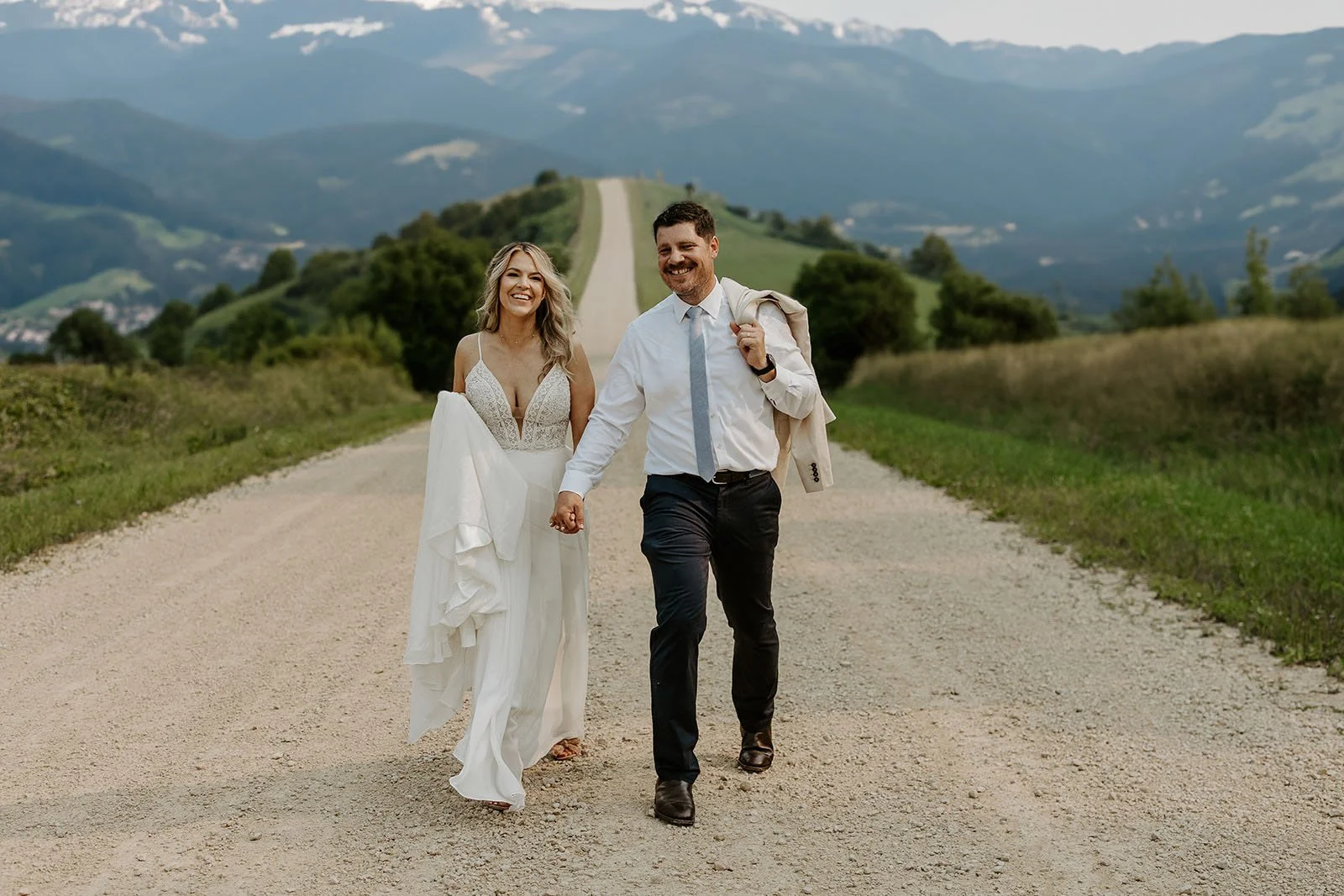
Colorado Elopement Locations That Feel More Private + Curated
Now let’s talk about the places that don’t show up in every Pinterest roundup.
These are the locations I recommend when couples tell me,
“We want mountains… but we don’t want chaos.”
When people search for the best private places to elope in Colorado, they’re usually not looking for something obscure. They’re looking for space, scenery without the constant foot traffic, and landscapes that feel expansive without feeling staged.
These areas may not dominate Instagram feeds, but they often create the most grounded experiences. They tend to sit just outside major tourism corridors on lesser-traveled forest roads, in state parks that don’t make every “Top 10” list, or in national park units that receive a fraction of the annual visitation of Rocky Mountain National Park.
The views are just as dramatic.
The difference is pace.
Fewer shuttle systems, fewer designated ceremony grids, more flexibility in how the day unfolds.
They still require permits in many cases. They still operate under public-lands regulations. But the atmosphere feels different — quieter, less performative, more spacious.
If privacy, emotional presence, and breathing room matter more to you than recognizability, these are often the locations that align.
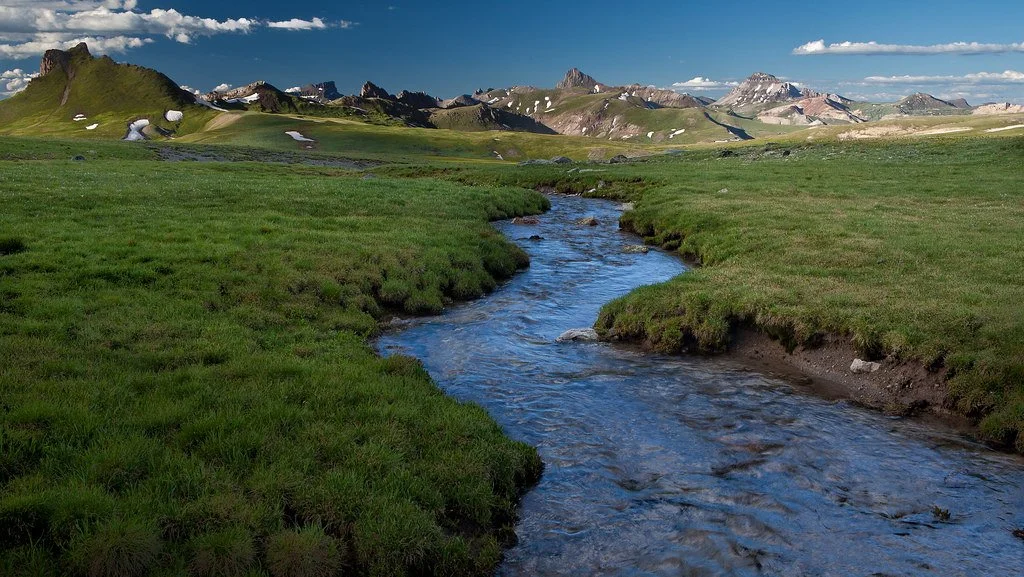
San Juan Mountains (Outside Telluride Hotspots)
The San Juan Mountains in southwestern Colorado offer some of the most dramatic terrain in the state — jagged peaks, alpine lakes, high mountain passes, and wildflower basins that feel almost cinematic.
Telluride is the name most couples recognize.
And it’s beautiful.
It’s also one of the busiest mountain destinations in Colorado during peak summer and fall.
What many couples don’t initially realize is that the surrounding San Juan range extends far beyond Telluride’s central viewpoints. Once you move outside the most photographed trailheads and gondola-access areas, the landscape opens up significantly.
Most of this region is managed by the U.S. Forest Service under the San Juan National Forest.
That means:
Permits may be required depending on group size and setup
Leave No Trace regulations apply
Road access varies dramatically by season
Some areas require high-clearance 4WD vehicles
Unlike National Parks, there are typically no designated ceremony sites in dispersed forest areas. That offers flexibility, but it requires intentional planning to confirm land designation, accessibility, and impact compliance.
Seasonality is a major factor here.
Many high-elevation passes remain snow-covered until late June or even July depending on the year. Afternoon thunderstorms are common in July and August. Fall brings stunning golden aspen groves and increased visitor volume in popular corridors.
Wind exposure at elevation can also be significant.
For couples seeking:
Dramatic mountain backdrops without amphitheater reservations
Smaller guest groups
Flexible ceremony movement
A quieter atmosphere than central Telluride
The San Juans often feel expansive and grounded at the same time.
They are less ideal for:
Large guest counts
Guests with mobility limitations on rugged terrain
Couples wanting paved parking and infrastructure directly at the ceremony site
The views here rival Colorado’s most iconic parks.
The difference is how much intentional land navigation happens behind the scenes — choosing the right road, the right elevation, the right season.
When couples describe wanting the best private mountain elopement locations in Colorado, this range is often what they’re actually envisioning.
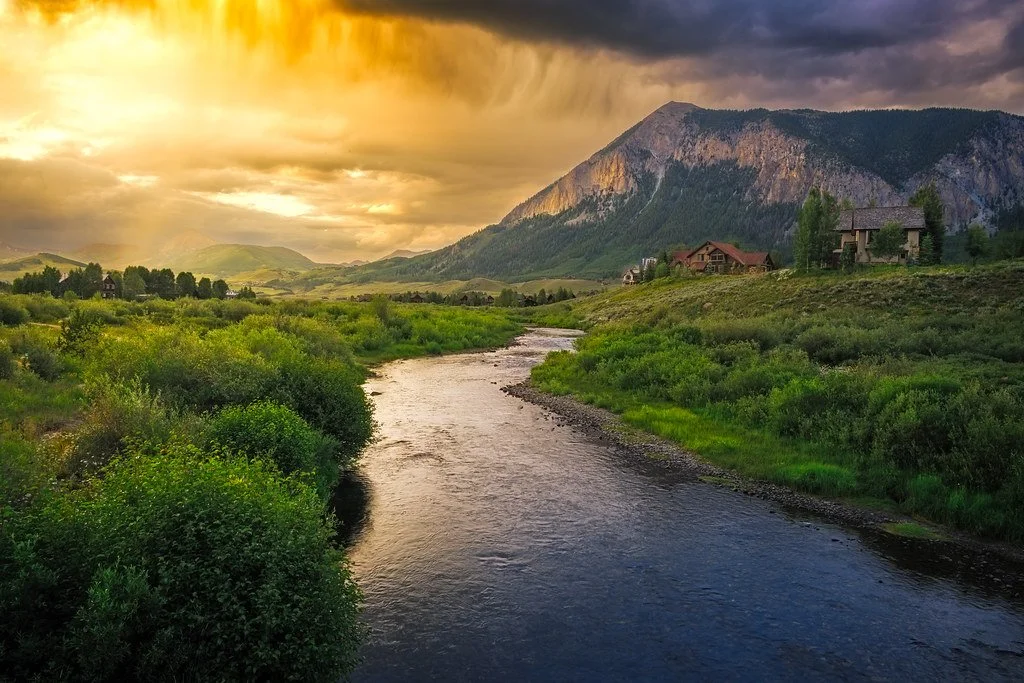
Crested Butte (Beyond Peak Wildflower Hype)
Yes, wildflower season is famous.
Mid-to-late July in Crested Butte brings vibrant alpine blooms and significant visitor traffic. Trailheads fill early. Jeep tours move steadily along high-clearance roads. Popular meadows become crowded quickly.
But outside of peak tourism windows, Crested Butte offers something different.
Expansive alpine meadows
360° mountain views
Open Forest Service land with fewer structural constraints than resort-centered destinations
Much of the surrounding landscape is managed by the U.S. Forest Service, which typically allows more flexibility than National Parks, though permits may still be required depending on group size, setup, and commercial activity.
There are no amphitheater reservations or ceremony caps like you’ll find in Rocky Mountain National Park. Instead, the planning considerations here revolve around:
Road access (many locations require high-clearance 4WD vehicles)
Seasonal snowpack at elevation
Afternoon storm patterns in summer
Wildflower timing vs. visitor volume
Wildflower season may be the most photographed window, but early summer (post-snowmelt) and fall can offer equally dramatic scenery with far fewer people. September in particular brings golden aspens and a quieter atmosphere once peak tourism slows.
Crested Butte works especially well for:
Couples who want alpine scenery without national park-level restrictions
Small guest counts
Sunrise or sunset ceremonies in open meadows
Experience-first days that allow for movement between locations
It is less ideal for:
Large guest groups
Guests with limited mobility on uneven terrain
Couples wanting paved parking and infrastructure directly at the ceremony site
It feels iconic — without feeling heavily regulated.
Seasonal access is everything here, which is why understanding snowpack, bloom timing, and fall color windows becomes essential. I break that down in detail in Best Time of Year to Elope in Colorado, especially for high-elevation mountain towns like Crested Butte.

State Forest State Park
Often overlooked in favor of Rocky Mountain National Park, State Forest State Park offers equally expansive alpine views — with far fewer visitors.
Located near Walden in northern Colorado, this park is known for high mountain peaks, open meadows, alpine lakes, and one of the largest moose populations in the state. The landscape feels wild and elevated, but without the same daily visitor numbers or shuttle systems found in larger national parks.
Weddings and elopements here require a Colorado State Parks Special Activities Agreement (SAA). The permit fee is typically around $120–$150, depending on the specifics of the event and location within the park.
Unlike RMNP, there is no strict monthly ceremony cap, but site approval is required and availability depends on location and staffing.
Key planning considerations include:
Group size limits vary by ceremony location
State park entrance fees apply per vehicle
Some areas require short hikes or high-clearance vehicles
Weather at elevation shifts quickly
While the park does allow more flexibility than many National Parks, impact rules still apply:
No large structures or permanent installations
Leave No Trace compliance is required
No exclusive use of open areas without prior approval
Because this is a state park rather than a national park, the atmosphere often feels quieter and less regulated — even though permits are still required.
It works especially well for:
Couples who love the alpine aesthetic of RMNP but want fewer crowds
Small to mid-size guest groups (depending on approved site)
Sunrise or weekday ceremonies
Experience-first days with room to move
It is less ideal for:
Couples wanting paved parking immediately adjacent to dramatic overlooks
Large, highly styled setups
State Forest State Park delivers mountain scenery that feels expansive and cinematic.
The difference is that you’re not competing with 60 ceremonies per month to experience it.

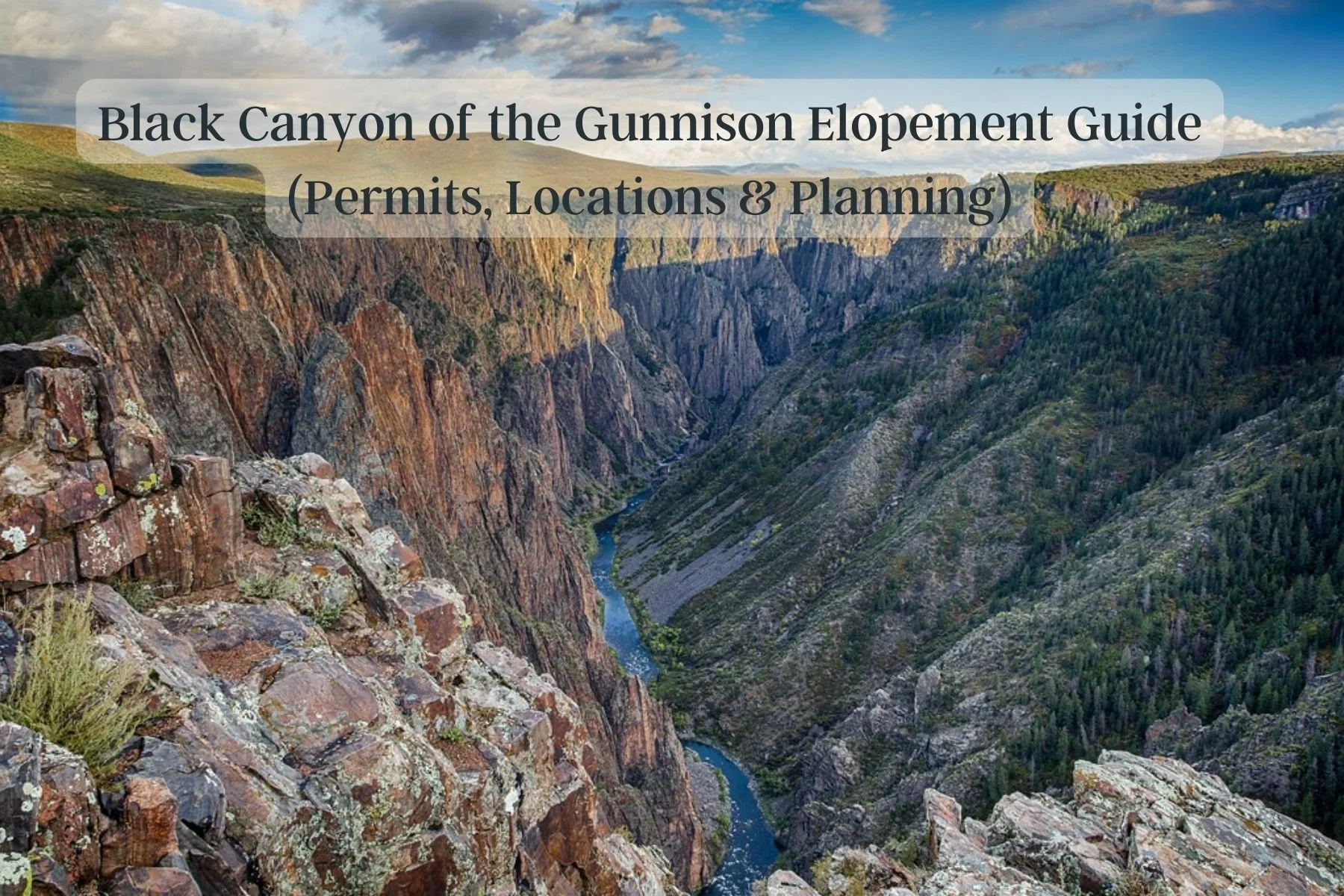
Black Canyon of the Gunnison
Black Canyon of the Gunnison offers one of the most dramatic landscapes in Colorado — sheer canyon walls, steep cliffs, and expansive overlooks that feel powerful rather than delicate.
It is a National Park.
But it is not Rocky Mountain National Park.
Visitor numbers here are significantly lower, which changes the rhythm of the experience immediately.
Weddings and elopements require a National Park Service Special Use Permit, with a $100 non-refundable application fee. Ceremonies are restricted to designated locations within the park, and group size limits vary by site.
Currently:
The maximum group size is typically 25 people, depending on the ceremony location
Ceremonies are limited to approved overlooks and developed areas
No arches, chairs, amplified sound, or large installations are permitted
Leave No Trace regulations are strictly enforced
There is no clearly defined monthly ceremony cap like Rocky Mountain National Park, but availability depends on staffing and site scheduling.
Environmental considerations shape the experience here:
Wind exposure can be significant along canyon rims
Midday sun is intense due to minimal tree cover
Cliff edges require careful guest awareness
Summer temperatures can rise quickly
Sunrise and sunset both photograph beautifully, but sunset often provides softer light across the canyon walls and a quieter visitor window than mid-day.
Black Canyon works especially well for:
Couples drawn to dramatic, editorial-feeling landscapes
Small guest counts
Those comfortable with exposed cliffside environments
Experience-first ceremonies with minimal setup
It is less ideal for:
Larger guest groups
Elaborate décor visions
Couples wanting alpine lakes or forested backdrops
The scale here feels immense.
The atmosphere feels grounded and still.
If you’re considering this location, I walk through ceremony sites, permit timelines, seasonal considerations, and logistical nuances in detail in my Black Canyon of the Gunnison Elopement Guide, so you can understand exactly how planning here differs from other Colorado National Parks.
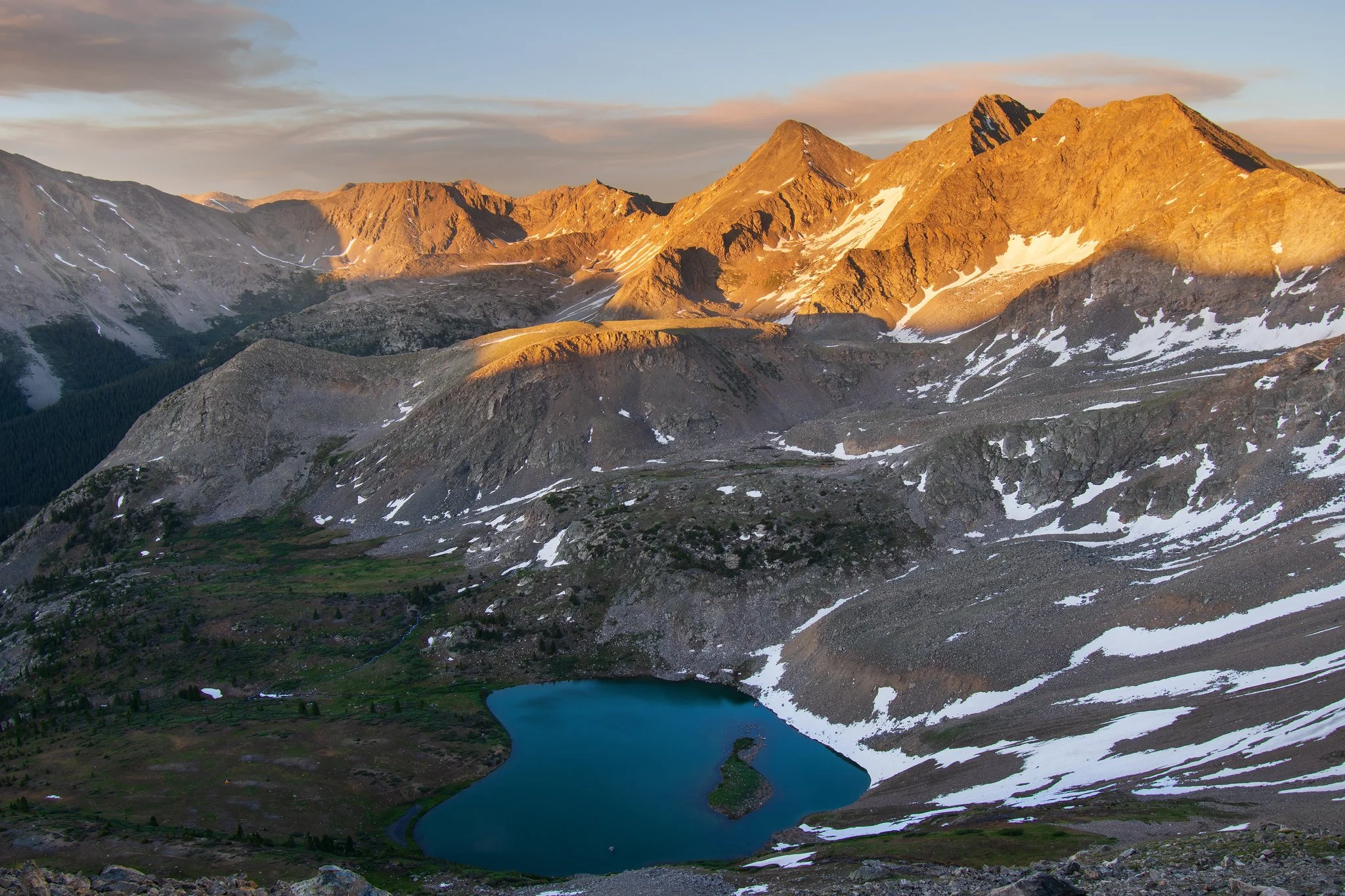
Collegiate Peaks Wilderness (Hike-In Solitude)
The Collegiate Peaks Wilderness sits west of Buena Vista and offers some of the most expansive mountain views in central Colorado.
Towering fourteeners. Alpine lakes. Wide-open ridgelines. Dense forest corridors that open suddenly into panoramic overlooks.
It feels remote — because in many ways, it is.
This region is managed by the U.S. Forest Service, and portions are designated Wilderness Areas. That designation changes what is allowed.
Inside designated Wilderness:
Group size limits are typically 15–20 people, depending on the specific zone
No motorized vehicles or equipment are allowed
No structures, arches, or installations are permitted
Leave No Trace regulations are strictly enforced
In surrounding National Forest land (outside Wilderness boundaries), flexibility may increase, but permits can still be required depending on group size, setup, and commercial activity.
One of the biggest misconceptions about this area is accessibility.
While some trailheads are easy to reach, many of the most scenic locations require:
Moderate hiking distances
Elevation gain
Comfort on uneven terrain
Awareness of afternoon storm patterns in summer
Snowpack often lingers at higher elevations into late June. Wildflower timing varies dramatically year to year. Fall can be stunning, but weather becomes more unpredictable at altitude.
Unlike National Parks, there are no designated wedding amphitheaters or reservation grids here.
There is space, but that space requires thoughtful planning.
Collegiate Peaks works especially well for:
Very small guest groups
Couples comfortable hiking
Experience-first ceremonies rooted in quiet wilderness
Those prioritizing privacy over recognizability
It is less ideal for:
Large guest counts
Guests with mobility limitations
Couples wanting paved parking or infrastructure near the ceremony site
This is not a “show up and see what happens” location.
It’s a place where understanding land boundaries, Wilderness vs. National Forest vs. BLM, makes all the difference.
For couples searching for the most private mountain elopement locations in Colorado, this region often becomes the answer. Not because it’s famous, but because it feels undisturbed.
The “best” place isn’t the most photographed mountain.
It’s the place that feels steady, accessible, and aligned with how you actually want your day to unfold.
I guide couples through narrowing Colorado down to two or three locations that fit their priorities — then handle permits, timelines, and environmental considerations so nothing feels rushed.
If you’d like help choosing intentionally, you can start the conversation here.
How to Choose the Right Colorado Elopement Location
Instead of asking, “What’s the most beautiful?” ask:
How many guests are we inviting?
How much privacy do we want?
Are we comfortable hiking?
What season are we envisioning?
Do we want structured or flexible ceremony rules?
If you haven’t already, read:
Those will give you clarity before you choose scenery.
If you already know Colorado is where you want to elope but you're ready for clarity around location, season, and logistics, you can explore my Colorado elopement pricing and experience details here.

What Couples Often Ask Before Choosing a Colorado Elopement Location
-
Colorado’s most scenic locations depend on the type of landscape you’re drawn to. Rocky Mountain National Park and Maroon Bells offer iconic alpine views, while the Great Sand Dunes provide a completely different desert-like backdrop. For couples seeking dramatic mountains with fewer crowds, regions like the San Juan Mountains or Collegiate Peaks often provide equally stunning scenery with more privacy and flexibility.
-
National Parks and well-known destinations like Garden of the Gods or Maroon Bells attract heavy tourism, especially in summer and fall. Couples looking for quieter options often explore National Forest land in the San Juans, Crested Butte outside peak wildflower season, State Forest State Park, or lesser-visited wilderness areas. Privacy depends heavily on timing, day of week, and accessibility.
-
Most public lands in Colorado require a special use permit for ceremonies. National Parks, State Parks, and many city-managed parks have clear permit structures and guest limitations. National Forest and BLM land regulations vary based on group size, setup, and environmental impact. Permit requirements depend on land management jurisdiction rather than scenery alone.
-
Yes, but ceremonies are limited to designated sites and require an approved special use permit. Guest counts are capped, and timed entry reservations typically apply during peak seasons. Planning ahead is essential to secure your preferred ceremony site and date.
-
Late June through early October offers the most consistent mountain access, especially at higher elevations. Fall provides aspen color but is extremely popular. Winter elopements can be beautiful but require snow access planning. Spring can offer quieter access in lower elevations while higher mountain roads remain closed. Elevation plays a major role in seasonal accessibility.
-
Costs vary depending on location, guest count, travel needs, and vendor involvement. Public lands permits are generally affordable, but travel, lodging, photography coverage, and experience design influence overall investment. Mountain destinations may require additional planning for accessibility and accommodations.
-
It depends on ceremony size and setup. Small, low-impact ceremonies may not require permits in certain districts, while larger gatherings, amplified sound, or structured décor often do. Regulations are district-specific, and responsible Leave No Trace planning is always required.
-
Guest limits vary by location. National Parks often cap ceremonies between 10–30 people depending on site designation. State Parks and city parks may have stricter or more flexible limits. Wilderness and backcountry areas typically support smaller groups to minimize environmental impact.
-
Yes. Garden of the Gods, certain Estes Park venues, and many roadside-accessible overlooks across National Forest land provide dramatic scenery with minimal walking. Accessibility varies widely by region, so it’s important to evaluate terrain, elevation, and guest mobility when choosing a location.
-
Beyond scenery, couples should consider guest count, season, hiking comfort level, permit requirements, privacy tolerance, and weather exposure. Colorado’s elevation changes quickly, and accessibility can shift dramatically between seasons. Choosing a location that aligns with both your vision and logistics ensures the day feels grounded rather than stressful.
Colorado offers no shortage of beautiful places to elope, but the right location is about more than scenery.
If you’re looking for a guided, experience-first Colorado elopement that feels intentional, calm, and fully yours, I’d love to help you design it.
Guided Colorado Elopements
The truth is — the “best place” isn’t a mountain name.
It’s the place that:
Fits your guest count
Aligns with your season
Feels emotionally spacious
Doesn’t overwhelm you with logistics
Colorado offers extraordinary landscapes. What most couples need isn’t a longer list, it’s clarity.
Inside a guided planning process, I help couples narrow Colorado down to two or three aligned location options based on:
Privacy preferences
Hiking comfort and accessibility
Permit structure and complexity
Light direction at the time of day you want to exchange vows
Realistic contingency planning for weather or seasonal closures
From there, I handle the permitting process, timeline design, location scouting, and environmental considerations so your day feels steady — not rushed, not chaotic, not reactive.
You don’t need to memorize land designations or monitor shuttle release dates.
You need a location that supports the experience you want to have.
If you’re looking for a Colorado elopement that feels intentional, grounded, and fully yours, you can start by reaching out through my contact form below.
And if you’d like to understand coverage options and investment details first, you can view my Colorado elopement pricing information before reaching out.


Get Inspired by Other Public Lands Elopements
Learn More About Eloping in Colorado

Bethany Wolf
Guided Public-Lands Elopement Photographer
✔ permits & logistics handled
✔ timeline design
✔ location guidance
✔ travel included nationwide
Josh and Alexa’s intimate elopement at Blackwater Falls State Park shows what a calm, intentional West Virginia elopement day can look like — from a private waterfall ceremony to a lakeside picnic with champagne and homemade cake.