Colorado Elopement Permits Explained (National Parks, State Parks, Forests + BLM)
Planning an elopement in Colorado often starts with choosing a landscape — alpine lakes, mountain passes, red rock canyons, sand dunes. But once couples begin researching the logistics, one question almost always surfaces:
Do we need a permit?
The answer isn’t simple because Colorado does not operate under one universal rule for ceremonies on public land. Permit requirements depend entirely on who manages the land, how the space is used, and what your ceremony actually looks like.
Two locations that appear nearly identical online can have completely different regulations. A national park overlook will follow federal special use guidelines, while a nearby forest clearing might fall under a separate ranger district with its own approval process. Understanding land management is the key to understanding permits.
If you’re still early in the planning process, I recommend starting with my full guide on How to Elope in Colorado, which walks through timelines, seasons, and overall planning strategy. If you’re narrowing down locations, you may also want to explore Best Places to Elope in Colorado and Best Time to Elope in Colorado before making a final decision.
In this guide, we’ll focus specifically on how permits work across Colorado’s major public land categories so you can move forward with clarity.

National Parks in Colorado
Colorado is home to four national parks:
Mesa Verde National Park
All four are managed by the National Park Service, which means wedding and elopement ceremonies require a federally issued Special Use Permit.
Do You Need a Permit?
Yes. If you are holding a ceremony inside a national park, even if it is just the two of you, you must apply for and receive an approved Special Use Permit in advance.
Permit application fees in Colorado’s national parks typically range from $100–$300, depending on the park. This fee is separate from park entrance fees and does not guarantee approval. Applications must be submitted in advance, and some parks have seasonal caps on the number of ceremonies allowed per day.
What That Actually Means Logistically
National parks designate specific ceremony locations. You cannot select any overlook, alpine lake, or trail. Each approved site has its own:
Guest count limit
Time-of-day restrictions
Seasonal accessibility considerations
Rules regarding décor and setup
Arches, chairs, amplified music, aisle décor, and elaborate installations are generally prohibited. The expectation is a low-impact ceremony that does not interfere with other visitors or protected resources.
A Note on Rocky Mountain National Park
Rocky Mountain National Park in particular requires more strategic planning than many couples initially realize. Between timed entry systems (when in effect), limited parking at designated ceremony sites, high tourist volume, and strict guest caps, logistics can become layered quickly — especially during peak summer and fall months.
Ceremony locations are extremely specific, and some of the most scenic areas inside the park are not approved for weddings at all. Timing also matters significantly because of crowd patterns and light direction within the approved sites.
If you’re considering eloping there, I explain the full breakdown — including guest limits, ceremony site options, timing strategy, and alternative location planning — in my dedicated Rocky Mountain National Park Elopement Guide.
National parks offer some of the most iconic landscapes in Colorado. They are protected, dramatic, and deeply memorable. They are also the most structured option available. For couples who appreciate defined ceremony sites and are comfortable planning within federal guidelines, they can be an extraordinary fit.
The key is understanding the framework early so your planning feels grounded and intentional rather than reactive.
National park logistics can feel layered quickly. Especially in places like Rocky Mountain National Park where ceremony sites, guest caps, and timing restrictions intersect.
If you’re unsure whether a national park is the right fit for your day, we can talk through it together and narrow down options that feel aligned instead of restrictive.
Colorado State Parks
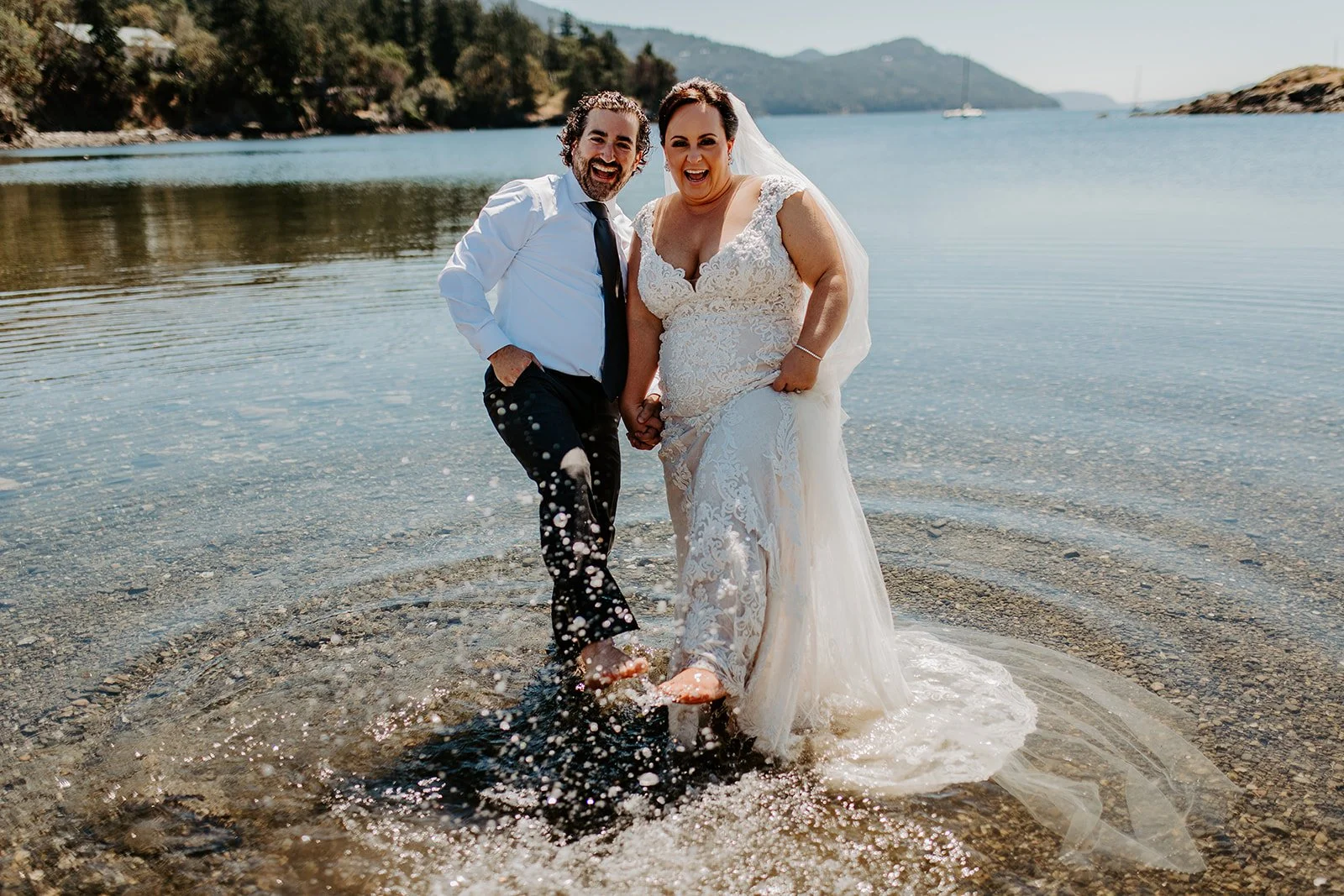
Colorado State Parks often feel more accessible and slightly less restrictive than national parks, but they are not automatically “permit-free.” Most state parks require some form of approval for a wedding or elopement ceremony, and the structure varies significantly from park to park.
Some of the most sought-after state park locations for elopements include:
Eldorado Canyon State Park
Rifle Falls State Park
Brainard Lake Recreation Area
Each of these parks operates under Colorado Parks & Wildlife guidelines, but individual parks maintain their own ceremony policies, designated sites, and reservation systems.
What Permit Requirements Typically Look Like
In most Colorado State Parks, couples should expect one or more of the following:
A special event or wedding permit application
A requirement to reserve a designated ceremony site rather than using open public space
Guest count limits based on the specific ceremony area
Additional site fees separate from daily park entrance fees
Permit fees often range from approximately $75–$250, depending on the park, location, and guest count. Some parks charge flat ceremony fees, while others require reserving a pavilion or event space.
Unlike national parks, certain state parks may allow a bit more flexibility with simple setup elements, but décor restrictions and Leave No Trace principles still apply. It is never assumed that a ceremony can simply “happen” without prior coordination.
Because each park operates independently, the rules at one state park do not automatically apply to another. Two locations less than an hour apart can have entirely different application processes and site reservation systems.
If you are leaning toward a state park for your ceremony, I recommend reading How to Elope in a State Park, where I walk through how these permit structures typically work and what to expect during the planning process.
For many couples, Colorado State Parks offer a thoughtful middle ground. They provide striking landscapes and easier accessibility than remote forest land, while often feeling slightly less regulated than national parks. The key is identifying which specific park aligns with your guest count, ceremony style, and level of desired flexibility.
Because every state park operates differently, permit research and location vetting are often the most time-consuming parts of planning.
If you’d prefer someone else handle the permit navigation and site confirmation, you can explore how I guide couples through that process here:
U.S. Forest Service (National Forests)
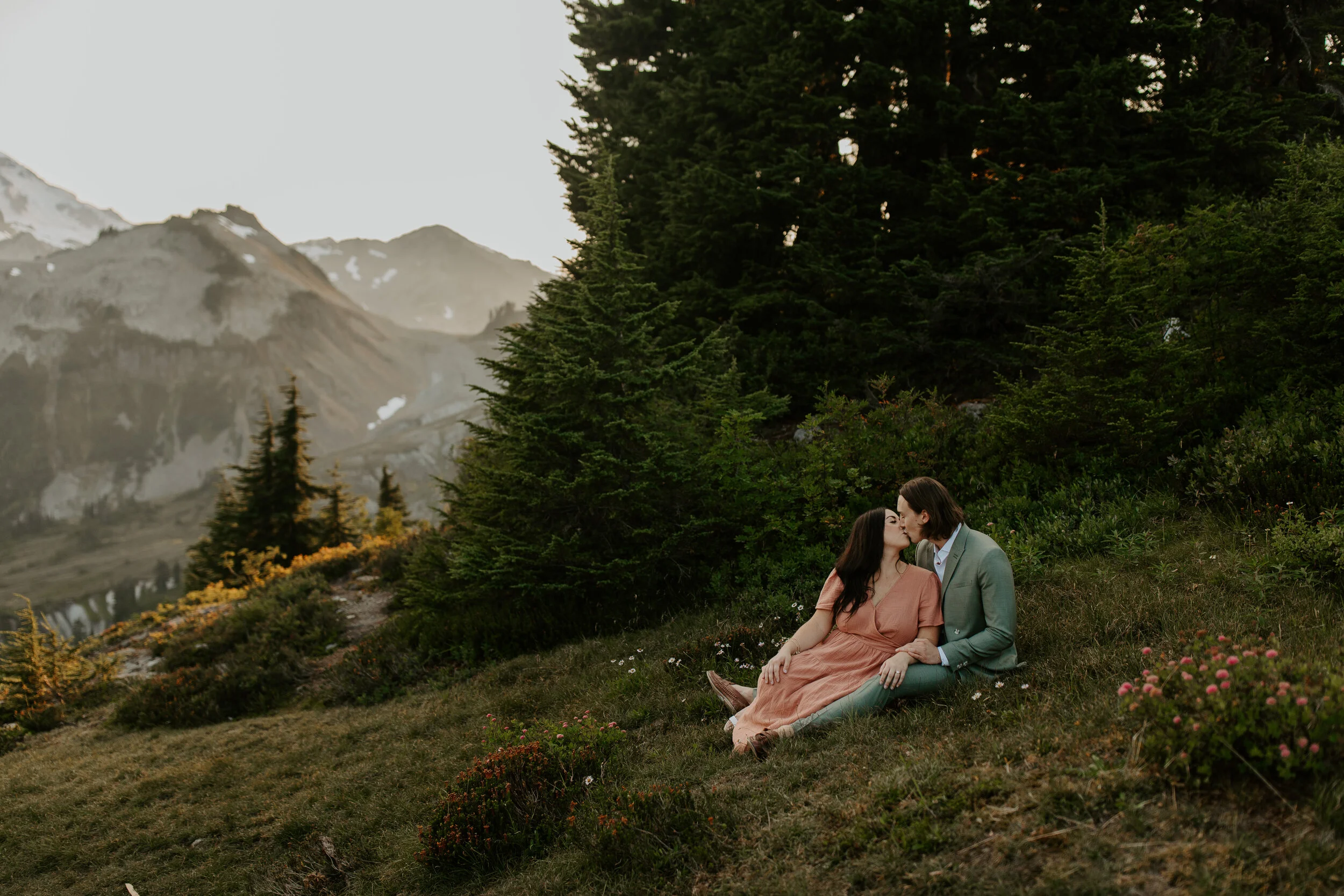
National Forests are where Colorado truly begins to open up. Unlike national parks and many state parks, forest land often offers wider access, fewer designated ceremony sites, and more room to build a day around light, privacy, and movement.
These lands are managed by the U.S. Forest Service. Some of the largest and most well-known Colorado forests include:
White River National Forest
San Juan National Forest
Arapaho National Forest
Do You Need a Permit?
The honest answer is: it depends.
In many ranger districts, small, low-impact ceremonies — typically under 10 people with no structures, décor, chairs, or installations — may not require a formal special use permit. However, once a ceremony includes larger guest counts, reserved spaces, amplified sound, arches, or coordinated vendor setups, a permit is usually required.
The most important distinction to understand is that regulations are set at the ranger district level, not just the forest level. Two ceremony locations within the same national forest can fall under entirely different districts with different application processes and thresholds for when a permit becomes necessary.
This is where experience becomes critical. Understanding who manages the exact ceremony site and confirming requirements before moving forward prevents last-minute complications.
Why Couples Choose National Forests
National Forest elopements often provide:
Greater privacy, especially on weekdays or at sunrise
Fewer designated ceremony-site restrictions
Access to alpine passes, high-elevation lakes, and expansive mountain views
More flexibility when designing a timeline around sunrise or sunset light
That flexibility is part of what makes forest elopements feel expansive and experience-forward. You are often not limited to a specific overlook or paved platform.
However, fewer visible restrictions does not mean no responsibility. Leave No Trace principles still apply, fragile alpine environments require thoughtful planning, and certain high-traffic or protected areas may still require formal approval.
National Forests can offer some of the most dynamic and spacious elopement experiences in Colorado, but they require careful location selection, district-level research, and planning that respects both the land and the regulations that protect it.
Forest Service land offers more flexibility, but district-level regulations still matter.
If you’re considering a National Forest elopement and want clarity before moving forward, I can help confirm permit requirements and narrow down locations that align with your guest count and ceremony style.
Bureau of Land Management (BLM Land)
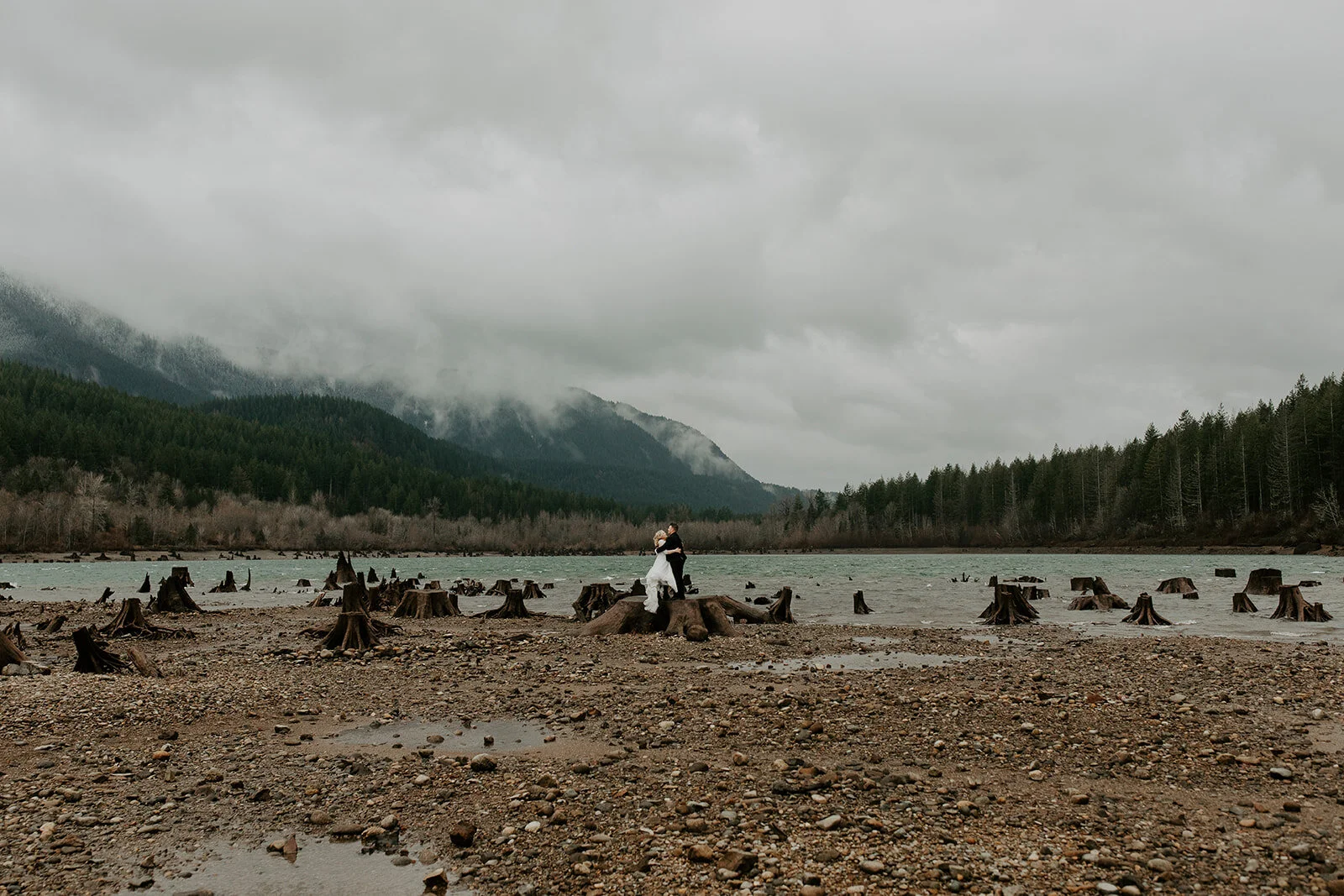
BLM land often feels like the most expansive option available in Colorado — particularly in the western part of the state where desert mesas, dramatic canyons, and wide-open alpine terrain stretch for miles without designated ceremony infrastructure.
These lands are managed by the Bureau of Land Management and operate differently from both National Parks and State Parks.
Do You Need a Permit?
In many areas, small, low-impact ceremonies may not require a formal permit. If a gathering is minimal — no structures, no reserved space, limited guest count, and no interference with public access — it may fall within casual use guidelines.
However, this is not universal.
Some high-use BLM areas in Colorado do require special recreation permits for ceremonies, particularly if the location is heavily visited, environmentally sensitive, or part of a managed recreation corridor. Larger gatherings, coordinated vendor setups, arches, or amplified sound almost always trigger permit requirements.
As with National Forest land, regulations vary by field office and district. The only way to know definitively is to confirm management details for the exact location you are considering.
Why Couples Choose BLM Land
BLM landscapes often provide:
Vast canyon backdrops and desert terrain
Fewer designated ceremony pads or structured sites
Greater visual openness and isolation
Flexibility in choosing viewpoints and timing
For couples who are drawn to dramatic, untamed scenery and want space away from formalized ceremony platforms, BLM land can offer a striking setting.
The Logistics Matter More Than People Realize
Because many BLM locations are remote, planning considerations extend beyond permits. Road conditions may require high-clearance vehicles. Cell service can be limited or nonexistent. Weather exposure, especially wind and heat, can significantly impact comfort and safety.
Emergency planning, access timing, and environmental responsibility become central parts of the planning process. Strict adherence to Leave No Trace principles is expected, particularly in fragile desert or alpine ecosystems where damage can take decades to recover.
BLM land can feel wonderfully open and unstructured — and for the right couple, that freedom is part of the appeal. But thoughtful planning and location-specific confirmation are still essential to ensure your ceremony is both legally compliant and environmentally responsible.
Remote BLM locations can feel incredibly expansive, but they require thoughtful planning around access, weather, and safety.
If you’re drawn to that kind of landscape and want a fully guided experience that accounts for those variables, you can learn more about how I structure Colorado elopements here:
Self-Solemnization in Colorado
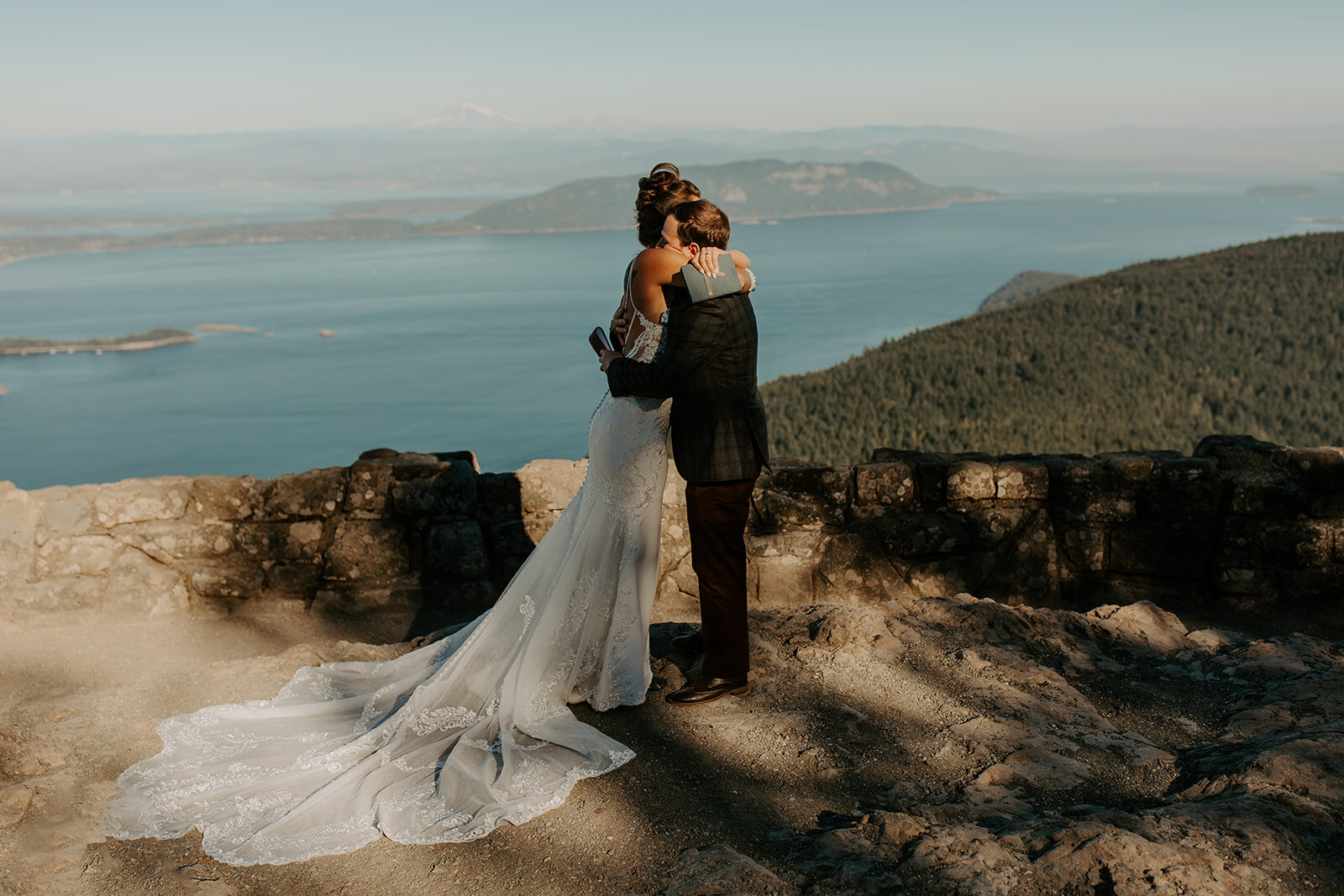
One of the most distinctive legal features of getting married in Colorado is that you do not need an officiant to legally marry.
Colorado allows self-solemnization, which means you and your partner can sign your own marriage license without an officiant or witnesses present. In other words, you can legally marry yourselves.
This is not symbolic. It is fully recognized under Colorado law.
For couples who value privacy, emotional intimacy, or a ceremony that feels deeply personal and unstructured, this can be a meaningful option. It allows you to exchange vows in a way that feels natural to you — whether that’s on a quiet alpine overlook, at sunrise beside a lake, or in complete solitude with no one else present.
Self-solemnization also simplifies logistics. There is no need to coordinate officiant availability, travel timing, or additional vendor planning if you prefer to keep your ceremony entirely between the two of you.
I explain the legal process, how to obtain your license, how signatures work, and common misconceptions in detail in How to Self-Solemnize in Colorado.
This legal flexibility is part of what makes Colorado one of the most elopement-friendly states in the country. For couples who want a ceremony that feels private, grounded, and uncomplicated, self-solemnization creates space for that experience.
If self-solemnization resonates with you and you’re envisioning a ceremony that feels private and unstructured, I would love to help you design that experience intentionally.
Can Your Dog Be Your Witness?
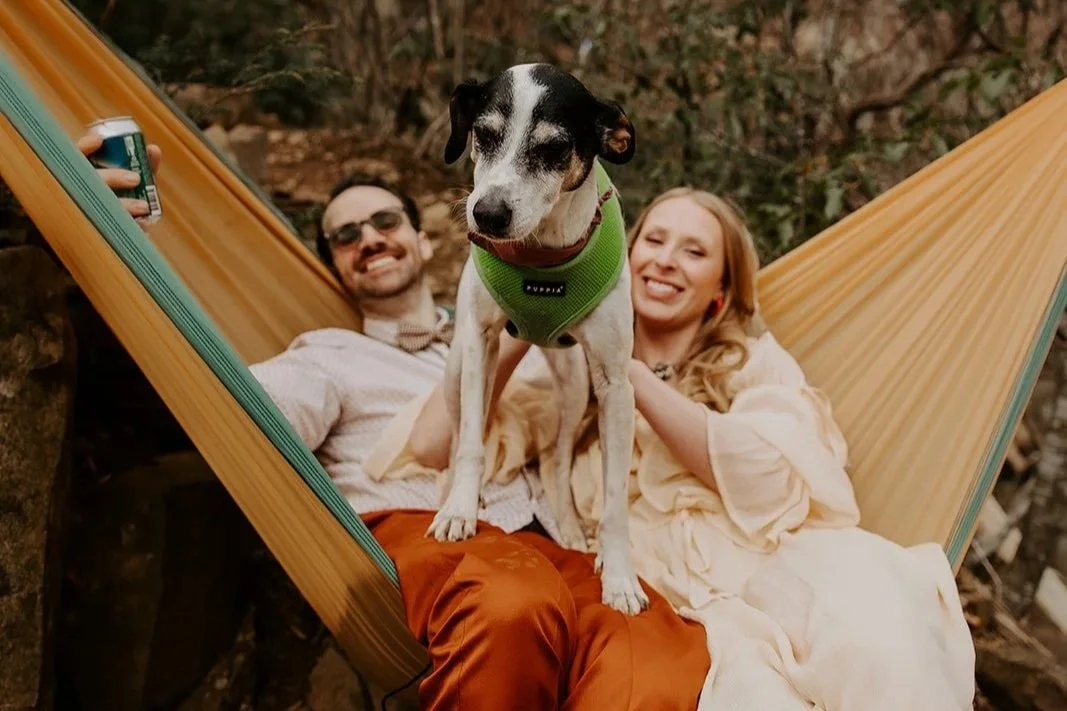
Yes — in Colorado, your dog can legally “sign” your marriage license with a paw print.
Because Colorado allows self-solemnization and does not require witnesses, couples have the flexibility to include their dog in a symbolic or literal way. Many couples choose to have their dog add a paw print to the license as part of the signing process. While it may feel playful, it is legally valid under Colorado law.
That said, including your dog in your ceremony requires more than just thinking about the license.
Public land regulations still apply, and pet policies vary significantly depending on where you choose to elope. National parks often restrict dogs to developed areas and prohibit them on most trails. State parks, National Forests, and BLM land may allow dogs more broadly, but leash laws and wildlife protections still apply. Seasonal trail restrictions, wildlife activity, and elevation exposure can also affect what is safe and appropriate for your dog.
If including your dog is important to you, I recommend reading How to Include Your Dog in Your Elopement, where I walk through:
How to choose genuinely dog-friendly ceremony locations
Seasonal considerations and trail restrictions
National park pet limitations
Planning for portraits, ceremony flow, and guest coordination when a dog is involved
When planned intentionally, your dog can be a meaningful and seamless part of your elopement day. The key is choosing a location that supports that decision from both a legal and environmental standpoint.

The Truth About Colorado Permits
The confusion around Colorado elopement permits is not because you are overlooking something.
It exists because Colorado does not operate under one universal rule.
Permit requirements change depending on:
Who manages the land
Your guest count
Whether you are reserving a designated ceremony site
Whether you are bringing any structures or setup
The time of year
Environmental protections tied to that specific location
Two ceremony spots thirty minutes apart can fall under entirely different governing agencies with completely different application processes.
This is why narrowing down the right type of land first is more important than simply choosing the most popular mountain or the most shared overlook on social media. Once the land management category is clear, the permit process becomes far more predictable.
If you are still deciding where to elope, I recommend starting with:
Those guides will help you think through seasonality, accessibility, guest logistics, and overall experience design before you commit to a specific location.
Colorado is one of the most elopement-friendly states in the country. Between self-solemnization laws, expansive public land access, and diverse landscapes, it offers remarkable flexibility. The key is knowing how to work within the framework that protects those landscapes.
If you would like guidance through permit research, location scouting, contingency planning, and building a timeline that feels grounded rather than bureaucratic, I would love to support you through that process.
You can start the conversation using the contact form below.


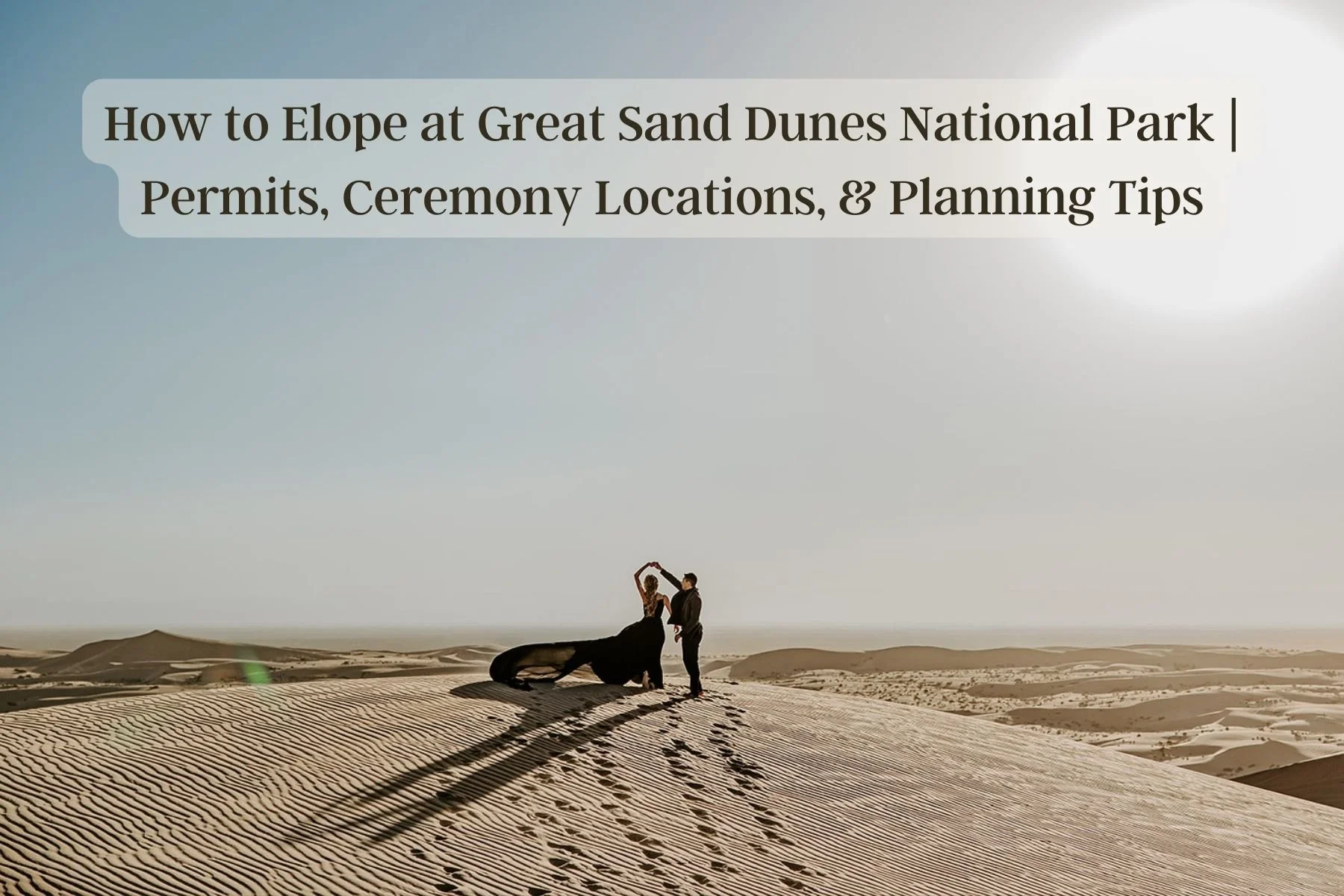
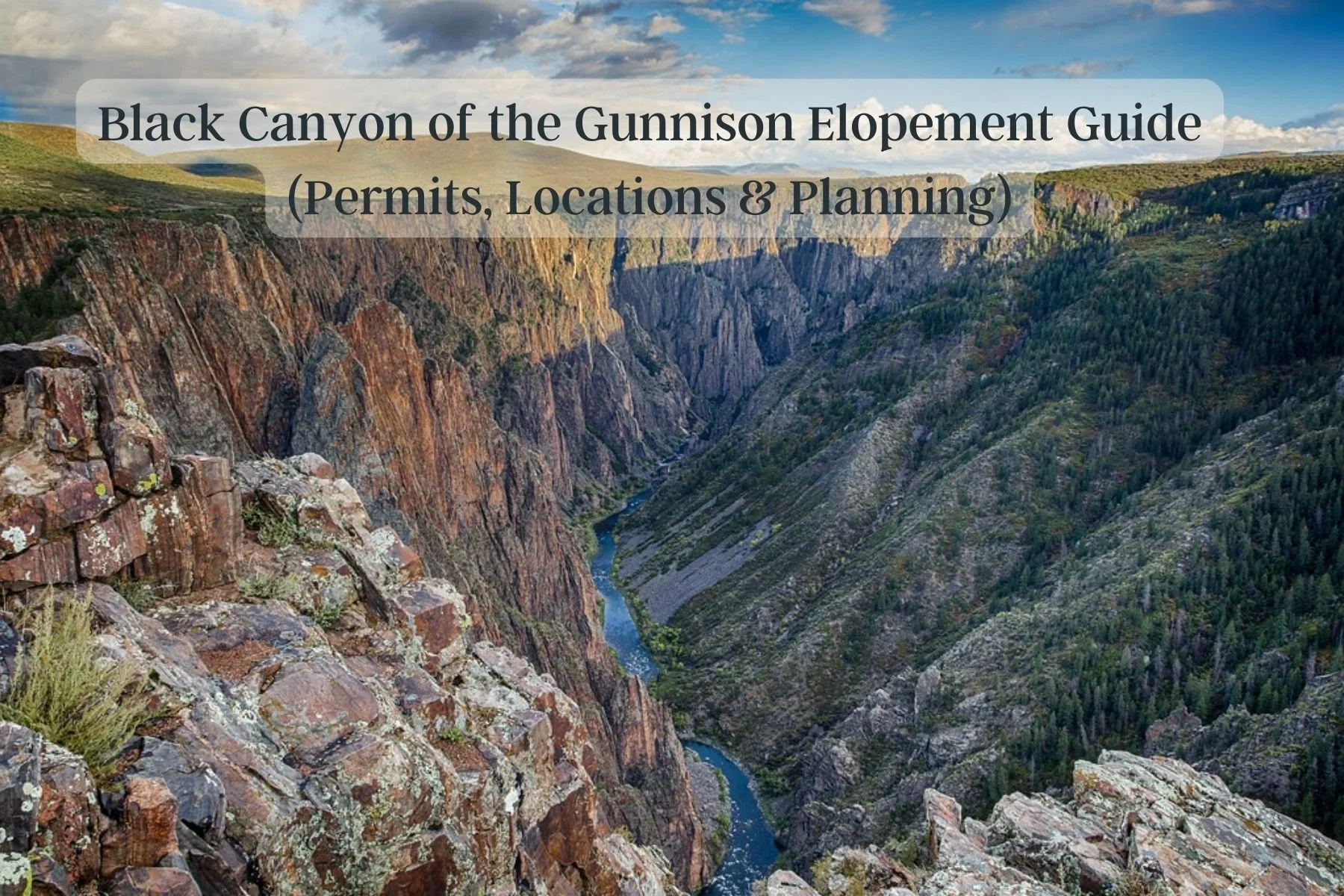
Get Inspired By Other Elopement Galleries
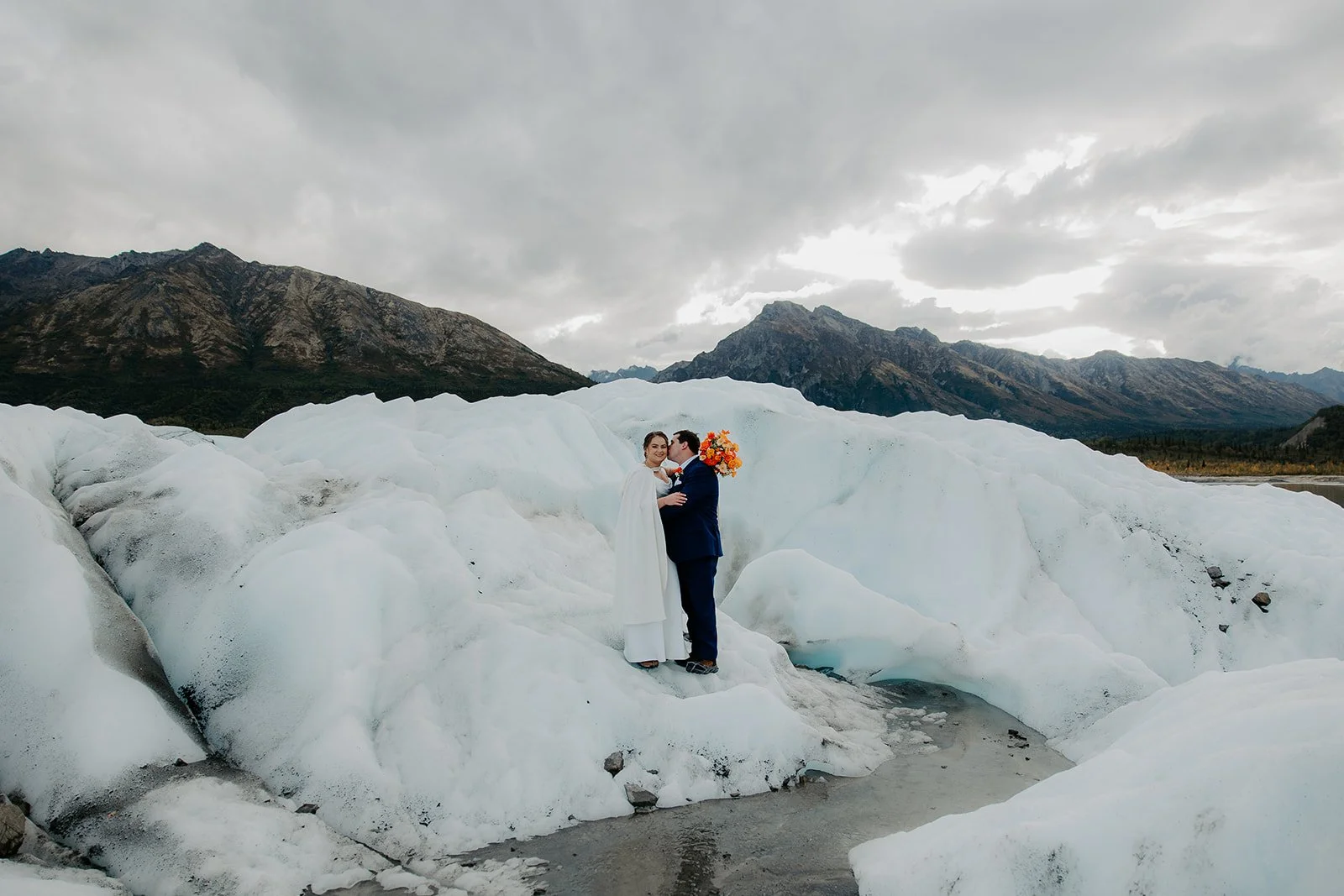
Learn more About Eloping in Colorado

Bethany Wolf
Guided Public-Lands Elopement Photographer
✔ permits & logistics handled
✔ timeline design
✔ location guidance
✔ travel included nationwide
Josh and Alexa’s intimate elopement at Blackwater Falls State Park shows what a calm, intentional West Virginia elopement day can look like — from a private waterfall ceremony to a lakeside picnic with champagne and homemade cake.