

Best Time to Elope in Colorado (Seasonal Deep Dive)
Colorado is one of the most diverse states in the country when it comes to terrain and elevation, which means the “best time” to elope isn’t as simple as choosing spring, summer, or fall. Conditions vary dramatically depending on where you are in the state and how high you’re willing to go. A date that works beautifully at 6,000 feet may still be full winter at 11,000 feet. Snowpack, melt cycles, road access, monsoon patterns, and tourism peaks all play a role in determining what your day will realistically feel like.
Because of that, the better question isn’t “What’s the best month to elope in Colorado?” It’s: what kind of landscape are you envisioning, and what season actually supports that terrain?
Alpine lakes don’t thaw on a calendar date — they thaw when snowpack allows. Wildflowers bloom based on melt timing and elevation. Aspen season is brief and highly concentrated. Some mountain passes close for half the year, which can completely change access to certain ceremony locations. These are the factors that truly shape your experience.
In this guide, I’ll walk you through each season in detail — including snow realities, accessibility, road closures, weather patterns, and crowd levels — so you can choose a date that aligns with your vision instead of unintentionally working against it.
If you’re still deciding where in Colorado feels right, you may want to start with Best Places to Elope in Colorado. And if you’re early in planning and want a full overview of permits and logistics, How to Elope in Colorado covers that in depth. But if your biggest question right now is when, let’s break it down season by season.
If you’d rather talk through seasons, terrain, and accessibility based on your vision, you can start planning your Colorado elopement here.

Spring Elopements in Colorado (April – Early June)
Spring in Colorado is transitional and highly elevation-dependent. While many states experience a clear shift from winter to spring by March or April, higher elevations in Colorado often remain in full winter conditions well into late May. Snowpack typically peaks in late March or early April, and melt cycles depend on temperature patterns throughout the spring. This means alpine lakes can remain frozen into early June, high-elevation trails may still be snow-covered, and some trailheads remain partially inaccessible.
In areas like Rocky Mountain National Park, elevations above 9,000 feet commonly hold snow through May, and popular alpine roads such as Trail Ridge Road do not reliably open until late May or even June, depending on the year’s snow totals. If you’re envisioning a high-alpine lake ceremony surrounded by exposed peaks, early spring is rarely the right fit.
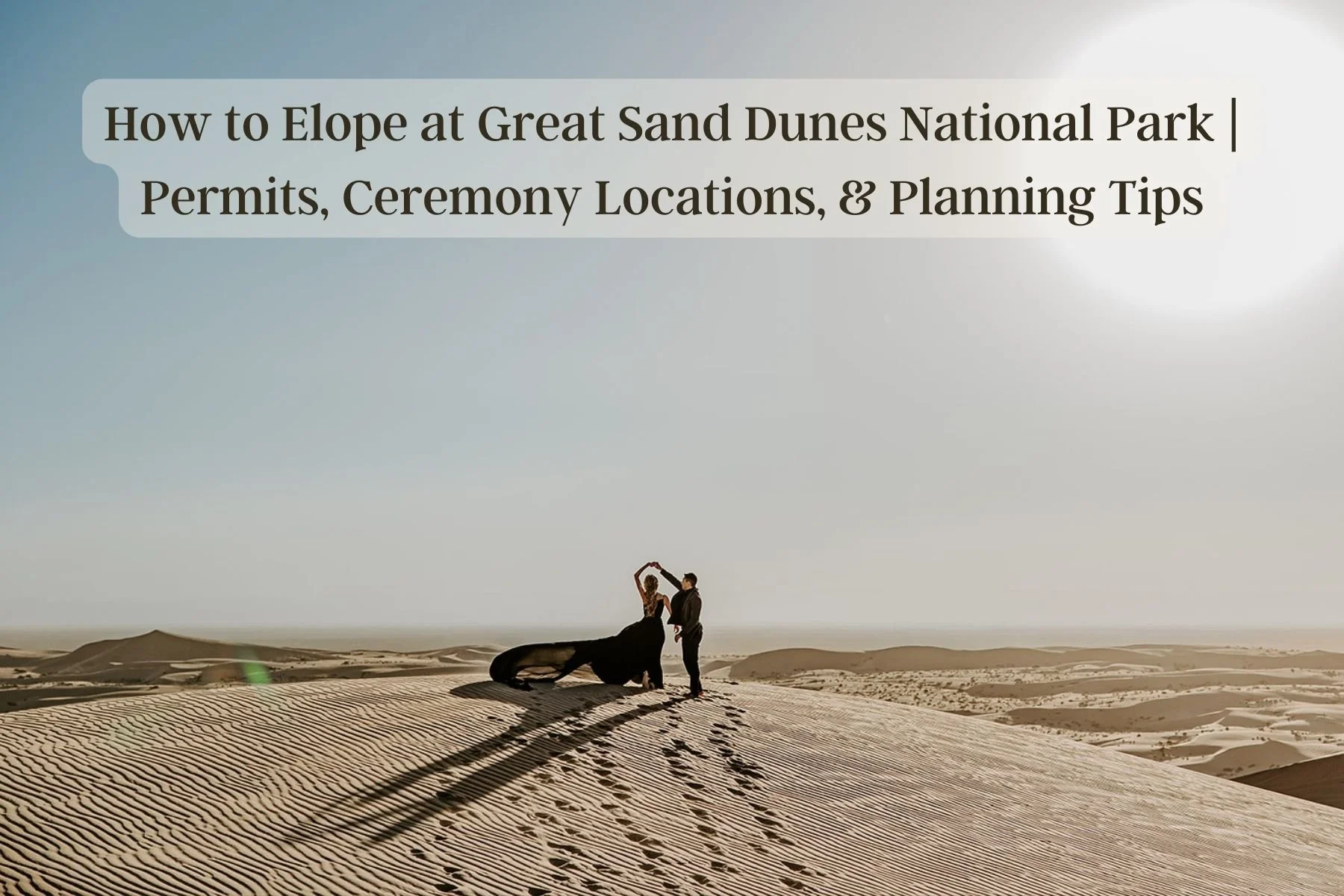
That said, spring can be an incredibly beautiful and strategic time to elope — especially at lower elevations. Foothill landscapes begin to green up, canyon areas feel quiet and spacious, and tourism has not yet reached its summer peak. Locations such as Great Sand Dunes National Park and Preserve or lower-elevation state parks can offer open terrain, dramatic skies, and far fewer crowds in April and early May.
Spring weather does tend to be more variable. You may experience a 65-degree sunny afternoon followed by a late-season snowstorm within days. Flexibility and contingency planning matter more in this season than in peak summer. If you’re open to moody skies, shifting cloud cover, and embracing Colorado’s unpredictability, spring can feel intimate and peaceful in a way that summer rarely does.
Spring is often best for couples who value privacy, are flexible about terrain, and are comfortable adjusting expectations away from high-elevation alpine access. If wildflowers or fully thawed lakes are central to your vision, those typically belong to summer. But if quiet trails, soft light, and fewer visitors matter more than postcard predictability, spring can be an underrated window.
Mud Season Realities (Late April – Early June)
Between snowmelt and full summer access, Colorado enters what locals casually refer to as “mud season.” As lower elevations begin to thaw, melting snow saturates trails, especially in foothill and mid-elevation areas. What looks dry from a distance can quickly turn into soft, unstable ground once you’re hiking in.
This matters for a few reasons. First, certain trails may close temporarily to prevent erosion damage. Second, even when trails remain open, footing can be inconsistent — which isn’t ideal for flowing dresses, guest attendance, or dogs navigating slick terrain. And third, parking areas and unpaved access roads can become muddy or rutted, particularly after spring storms.
Mud season doesn’t make spring elopements impossible. It simply means location selection becomes more strategic. Well-draining trails, rocky overlooks, or sandy terrain (like areas near Great Sand Dunes National Park and Preserve) tend to hold up better than forested trails with heavy snow runoff.
When I guide spring elopements, this is part of the evaluation process — not just whether a location is open, but whether it’s realistically enjoyable to move through. Spring rewards couples who value privacy and flexibility, but it also requires a bit more discernment than peak summer.
Spring in Colorado rewards flexibility, but it requires smart location selection. If you want help narrowing down lower-elevation options that stay accessible and beautiful, you can reach out here.

Summer Elopements in Colorado (Mid-June – August)
Summer is the most popular time to elope in Colorado, and for good reason. By mid-to-late June, most high-elevation roads have reopened, alpine lakes begin to thaw, and mountain passes that were inaccessible in spring become reachable again. If you’re envisioning sweeping alpine views, vibrant meadows, and clear access to higher terrain, summer is typically when those landscapes are fully available.
Wildflower season is one of the biggest draws, but timing is highly dependent on elevation and snowpack. Lower elevations may begin blooming in late June, while alpine meadows between 9,500 and 12,000 feet typically peak from mid-July through early August. In the San Juan Mountains, bloom timing often lands in mid-to-late July, though heavy snow years can push that window later. If wildflowers are central to your vision, the exact location and elevation matter far more than simply choosing “July.”
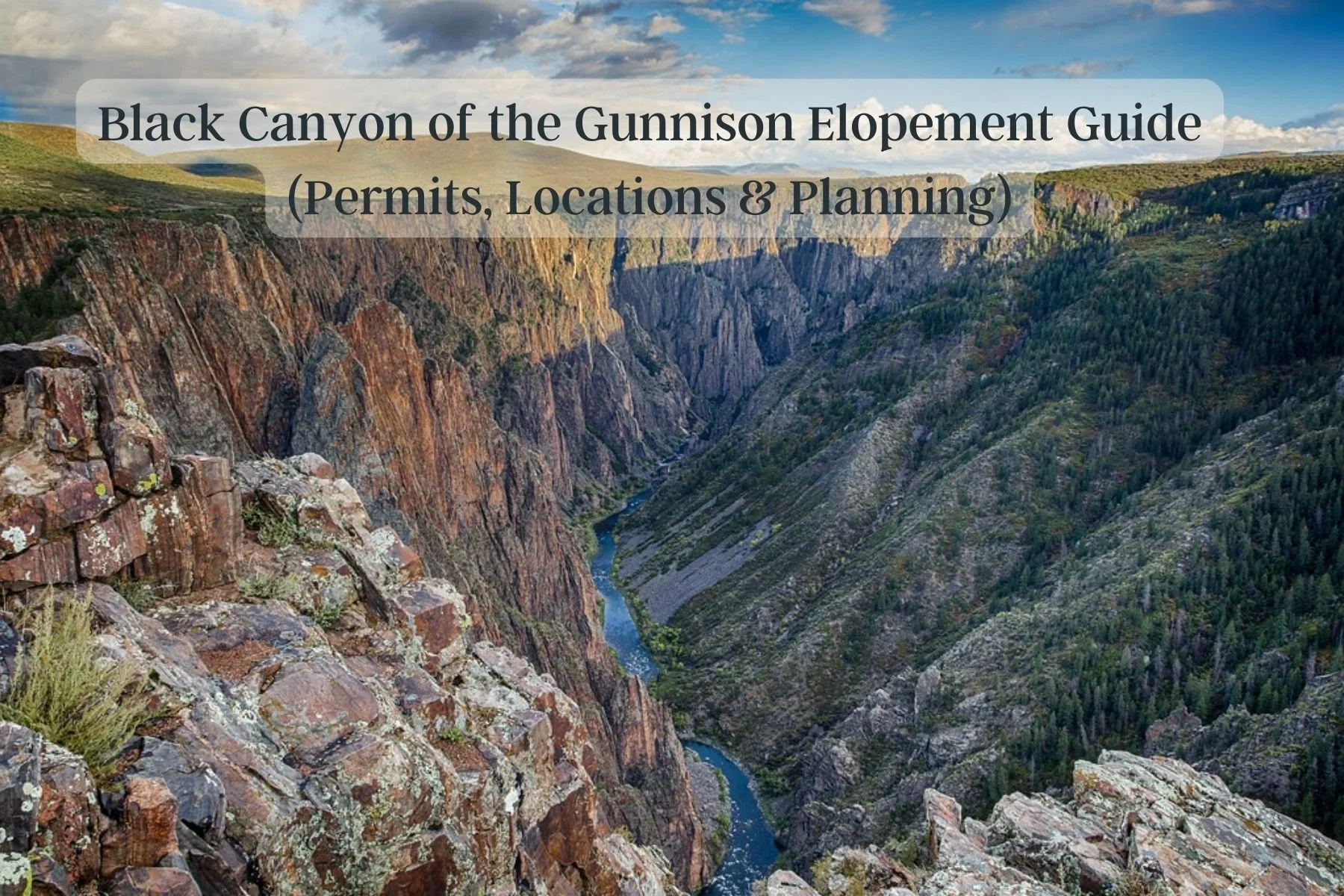
Accessibility improves dramatically in summer, but it’s important to understand that open does not mean empty. Places like Rocky Mountain National Park operate on timed-entry systems during peak months, and popular trailheads can fill early in the morning. Similarly, high viewpoints and canyon overlooks in parks such as Black Canyon of the Gunnison National Park see increased visitor traffic throughout the day. If privacy is a priority, sunrise ceremonies or weekday dates often provide the most breathing room. I talk more about location-specific crowd patterns inside the Rocky Mountain and Black Canyon elopement guides, which are helpful to review alongside this seasonal overview.
Weather is generally more stable than spring, but July and August bring Colorado’s monsoon pattern. Afternoon thunderstorms are common, especially above treeline, and lightning risk increases at higher elevations. Mornings are typically clearer and calmer, which is one of the reasons many high-alpine elopements are scheduled earlier in the day rather than at sunset. Building a timeline around elevation, travel time, and storm probability becomes part of protecting the experience rather than reacting to it.
Summer works best for couples who want access to Colorado’s full terrain range and are comfortable planning strategically around crowds and weather patterns. It offers the greatest variety of landscapes, from alpine lakes to high desert dunes, but it also requires the most intentional timing. If you’re imagining golden aspens and quieter trails instead, fall brings a completely different rhythm.
Peak Tourism & Permit Implications (June – August)
Summer isn’t just peak landscape season in Colorado — it’s peak tourism season. Visitor numbers climb significantly from mid-June through August, especially in national parks and well-known mountain towns. That increased traffic affects more than just parking availability; it can influence permit timelines, ceremony location flexibility, and overall flow of the day.
In places like Rocky Mountain National Park, timed-entry systems are implemented during summer months, and special use permits for ceremonies must be secured well in advance. Availability for certain ceremony sites can be competitive, particularly on weekends. Similarly, high-traffic areas within Black Canyon of the Gunnison National Park may require earlier planning windows to ensure your preferred overlook or time slot is available.
Even outside national parks, summer demand affects lodging, vendor availability, and access to scenic mountain towns. Airbnb and cabin reservations often book out months in advance, and remote trailhead parking fills quickly on Saturdays. This doesn’t make summer difficult — but it does make early planning essential if you want flexibility and privacy.
One of the biggest misconceptions about summer elopements is that everything is simply “open and easy.” In reality, summer requires the most coordination. Permits need to be secured earlier, ceremony times may need to be adjusted around visitor flow, and timelines are built strategically to avoid peak foot traffic.
If you’re early in planning and want a full overview of how permits work in Colorado (including processing timelines and ceremony restrictions), the full breakdown lives inside How to Elope in Colorado. And if you’re still narrowing down specific regions, Best Places to Elope in Colorado will help you weigh high-traffic icons against quieter alternatives.
Summer offers the widest terrain access, but it also requires the most coordination. If you’re planning a peak-season Colorado elopement and want a fully guided experience (permits, timelines, scouting, contingency planning included), you can explore my Colorado elopement experience pricing here.

Fall Elopements in Colorado (September – October)
Fall in Colorado is brief, dramatic, and highly concentrated. While many people think of it as a broad September-to-October season, true peak color — especially for aspens — typically lasts only one to three weeks in any given region. Timing varies by elevation and latitude, but in most mountain areas, peak aspen color lands between mid-September and early October.
Aspens turn first at higher elevations and then gradually work their way downward. In places like the San Juan Mountains, color can peak in mid-to-late September, while areas near Rocky Mountain National Park often see strong color toward late September. Wind, early snowstorms, or temperature swings can shorten the window quickly, so flexibility within a 7–10 day range is often wise if fall color is a priority.
Beyond foliage, fall brings a noticeable shift in energy. Summer tourism slows after Labor Day, weekdays become quieter, and mountain towns feel less crowded. Temperatures are typically cooler and more stable than summer, with crisp mornings and comfortable afternoons. Thunderstorm patterns diminish significantly compared to July and August, which reduces lightning risk at higher elevations.
However, fall also signals the beginning of seasonal closures. Some high-elevation roads and mountain passes may close with early snow, particularly by mid-to-late October. Sunrise temperatures at 10,000 feet can dip well below freezing, even when afternoons feel mild. Planning layered attire and building warmth into the timeline becomes part of the experience design rather than an afterthought.
Fall works beautifully for couples who value atmosphere and color over alpine lake access. If your vision centers around golden groves, textured mountainsides, and quieter trails, September can be one of the most balanced times of year to elope. If you’re considering a national park setting during peak foliage, reviewing the location-specific details inside the Rocky Mountain National Park Elopement Guide can help you understand how ceremony sites and access vary during that window.
For couples prioritizing predictability and peak alpine access, summer may offer more terrain flexibility. But for those drawn to warmth in tone, softer crowds, and a slightly slower rhythm, fall often feels intentional and grounded in a different way.
Aspen Window Strategy (How to Time for Peak Color)
If golden aspens are central to your vision, flexibility matters more than picking a specific date too far in advance. Unlike wildflowers, which have a slightly broader bloom window, aspen color can shift quickly depending on temperature drops, elevation, and early-season storms.
When couples prioritize fall color, I recommend choosing a general 10–14 day range rather than anchoring emotionally to a single date. Higher elevations typically peak first, often in mid-September, while mid-elevation groves may turn closer to late September or early October. If we monitor seasonal forecasts and track color progression across elevations, we can often position your ceremony at an elevation that’s peaking during your window.
It’s also worth noting that wind can shorten the aspen season significantly. A single strong storm system can strip leaves from trees in a matter of days. Because of that, weekday flexibility and sunrise timing often create the most peaceful experience during peak foliage, especially in high-demand areas.
When timing fall elopements, the goal isn’t just “finding yellow trees.” It’s choosing the right elevation, the right week, and the right ceremony timing so the experience feels calm instead of crowded. That level of nuance is what turns a fall date into a truly aligned one. If you’re hoping to land within peak aspen window, I’d recommend starting the planning conversation early.

Winter Elopements in Colorado (November – March)
Winter in Colorado is quiet, stark, and deeply beautiful — but it is also the most logistically restrictive season. Snowfall can begin as early as October at higher elevations, and many mountain passes close by late fall and remain inaccessible until late spring. From November through March, accessibility becomes the primary factor shaping your elopement location.
High-elevation roads, including scenic routes inside Rocky Mountain National Park, often close seasonally due to snow accumulation and avalanche risk. This significantly limits access to alpine lakes and exposed mountain overlooks. Instead, winter ceremonies tend to take place in lower-elevation forests, snow-covered meadows, or accessible canyon viewpoints. In some cases, snowshoes or microspikes become part of the experience if you’re open to a short winter hike.
The trade-off for limited terrain is privacy. Winter sees dramatically fewer visitors across most of Colorado’s public lands. Trails that are heavily trafficked in summer can feel nearly empty on a weekday morning in January. The light is softer, the landscapes feel still, and snow can create a clean, minimal backdrop that photographs beautifully.
That said, winter requires intentional preparation. Temperatures can fluctuate significantly throughout the day, and wind exposure at higher elevations can make conditions feel much colder than forecasted. Travel time also increases due to snow-covered roads, and sunrise or sunset timing must account for shorter daylight hours. Contingency planning becomes especially important in mountain regions where storms can move in quickly.
Winter works best for couples who value intimacy, don’t mind layering for warmth, and are open to adjusting terrain expectations in exchange for solitude. If alpine lake access or high-pass viewpoints are central to your vision, summer or early fall may provide more flexibility. But if you’re drawn to snow-covered forests and a quieter rhythm, winter can feel deeply intentional.
Winter Accessibility & Road Closures by Elevation
In Colorado, elevation dictates winter access more than the calendar does. By late fall, many roads above 10,000 feet begin to close seasonally, and some remain inaccessible until late May or early June. Scenic mountain passes and high-alpine routes are often the first to shut down after significant snowfall, which can limit direct access to certain lakes, trailheads, and overlooks.
Inside parks like Rocky Mountain National Park, higher-elevation roads typically close once sustained snow accumulation makes them unsafe to maintain. That means locations that are easily drivable in July may require snow travel, or be completely unreachable, in January. Similarly, backcountry access roads near areas such as Black Canyon of the Gunnison National Park can shift from straightforward to restricted depending on storm cycles.
Lower elevations between 5,000 and 8,000 feet tend to remain more consistently accessible throughout winter, though snowstorms can still temporarily impact conditions. When planning a winter elopement, the goal isn’t simply choosing a beautiful location — it’s selecting terrain that remains realistically reachable given seasonal road closures, snowpack depth, and travel safety.
This is why winter planning begins with elevation mapping before it moves to aesthetic preference. Accessibility determines experience. Once that foundation is clear, the design of the day becomes much more seamless.
Winter elopements require a different level of planning around access and terrain. If that kind of guided support feels aligned, you can explore experience details here.
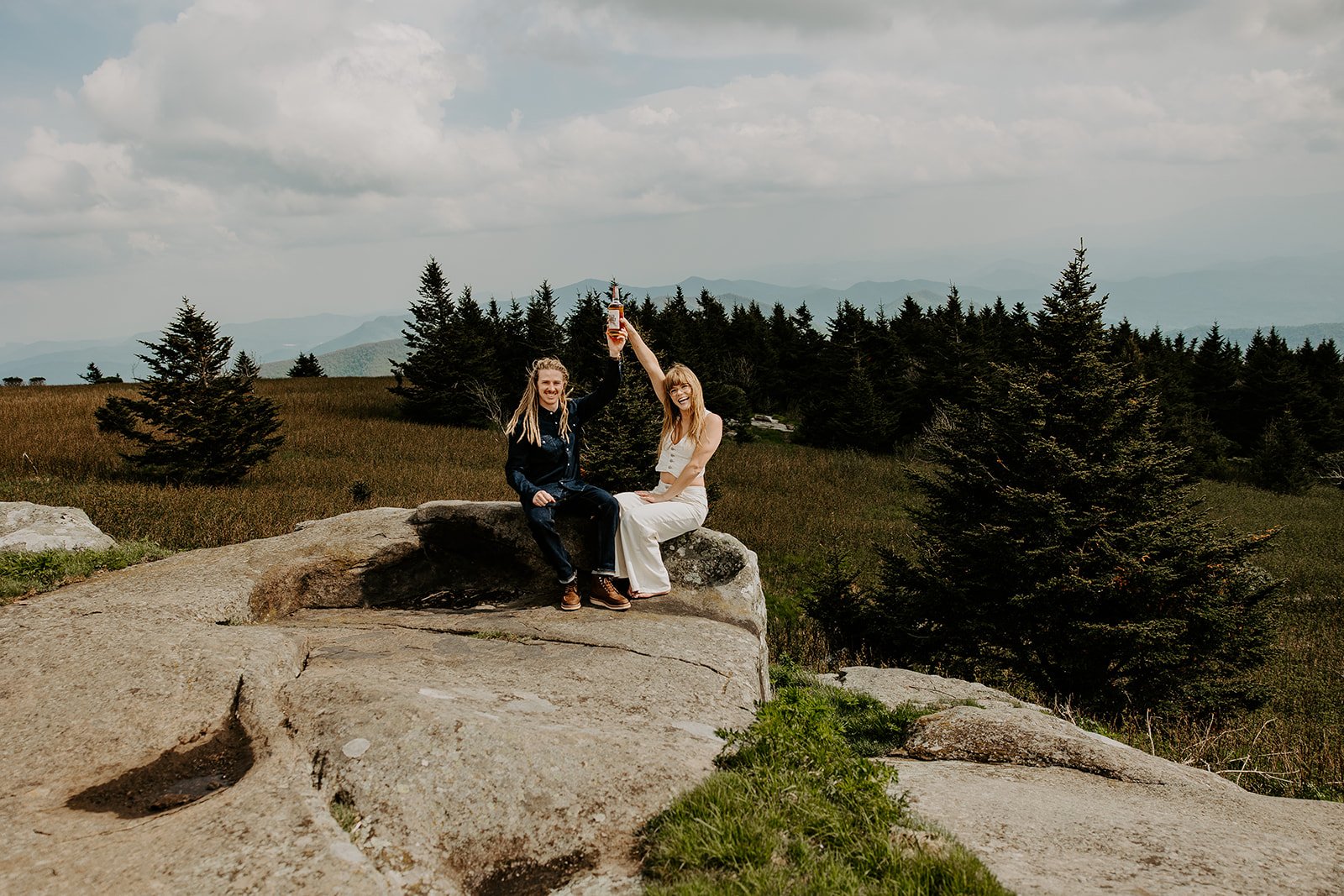
So… When Is the Best Time to Elope in Colorado?
The best time to elope in Colorado isn’t a specific month. It’s the season that supports the landscape you’re drawn to and the experience you want to have.
If alpine lakes, full access to mountain passes, and wildflower meadows are central to your vision, mid-July through early August typically offers the most terrain flexibility — with the understanding that crowds and monsoon patterns require thoughtful timing.
If golden aspens and quieter trails feel more aligned, late September often brings the most balanced combination of color, cooler temperatures, and lighter tourism — provided you plan within the narrow foliage window.
If privacy and snow-covered stillness matter more than elevation access, winter can offer an incredibly intimate backdrop, as long as road closures and terrain limitations are factored into the design of the day.
And if you value flexibility, moodier skies, and fewer visitors — and don’t mind navigating transitional conditions — spring can be a peaceful and underrated season at the right elevation.
Colorado doesn’t reward calendar-based planning. It rewards elevation-aware planning.
That’s why choosing the right season isn’t about picking a popular month. It’s about aligning terrain, accessibility, weather patterns, and privacy preferences with how you actually want your day to feel.
If you’re still narrowing down regions, Best Places to Elope in Colorado will help you compare landscapes across the state. And if you want a full overview of permits, timelines, and logistics, How to Elope in Colorado walks through that step by step.
If you’d rather talk through your vision and have me help you narrow Colorado down to two or three aligned seasonal options, you can start planning your Colorado elopement here.


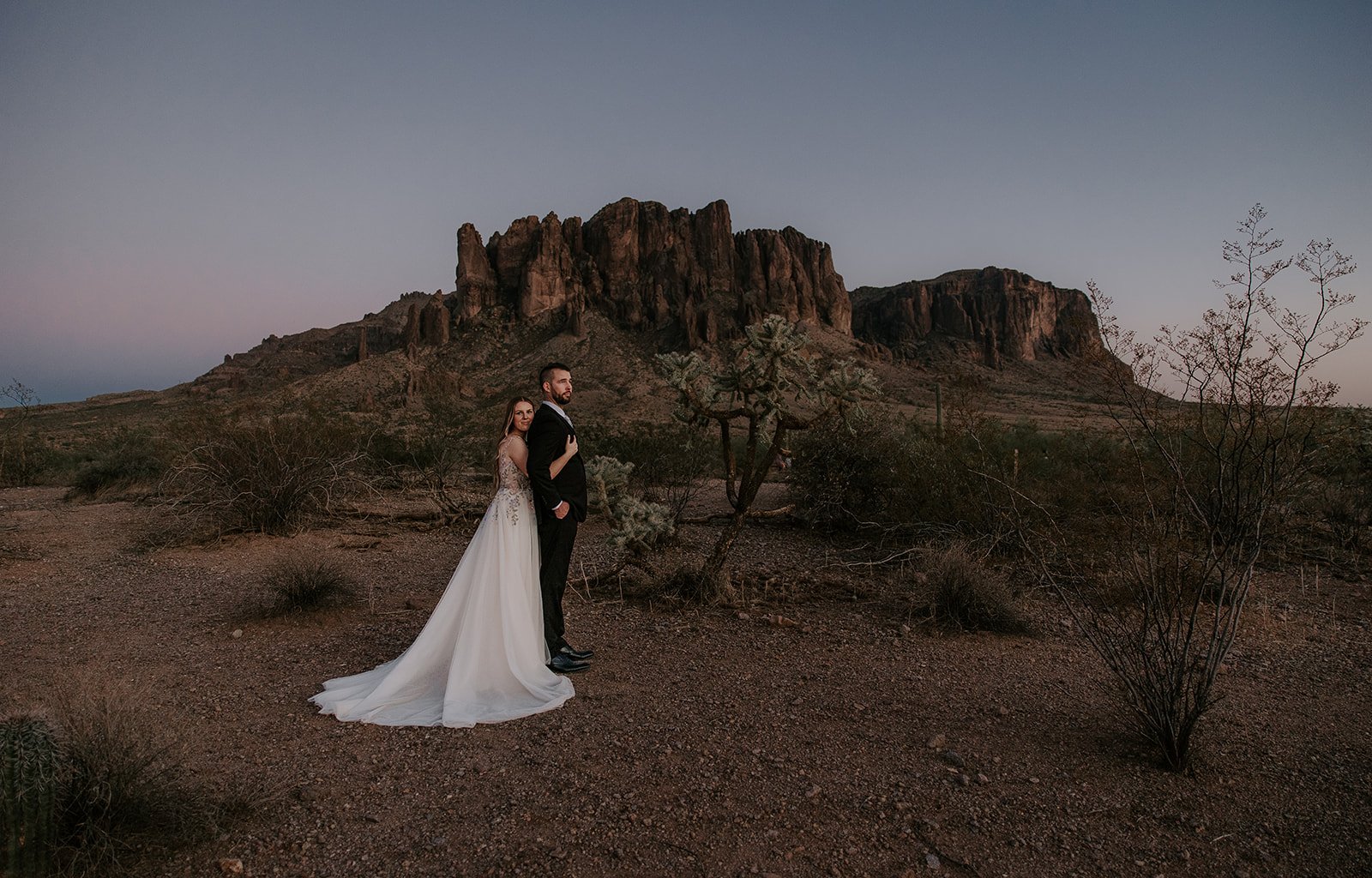
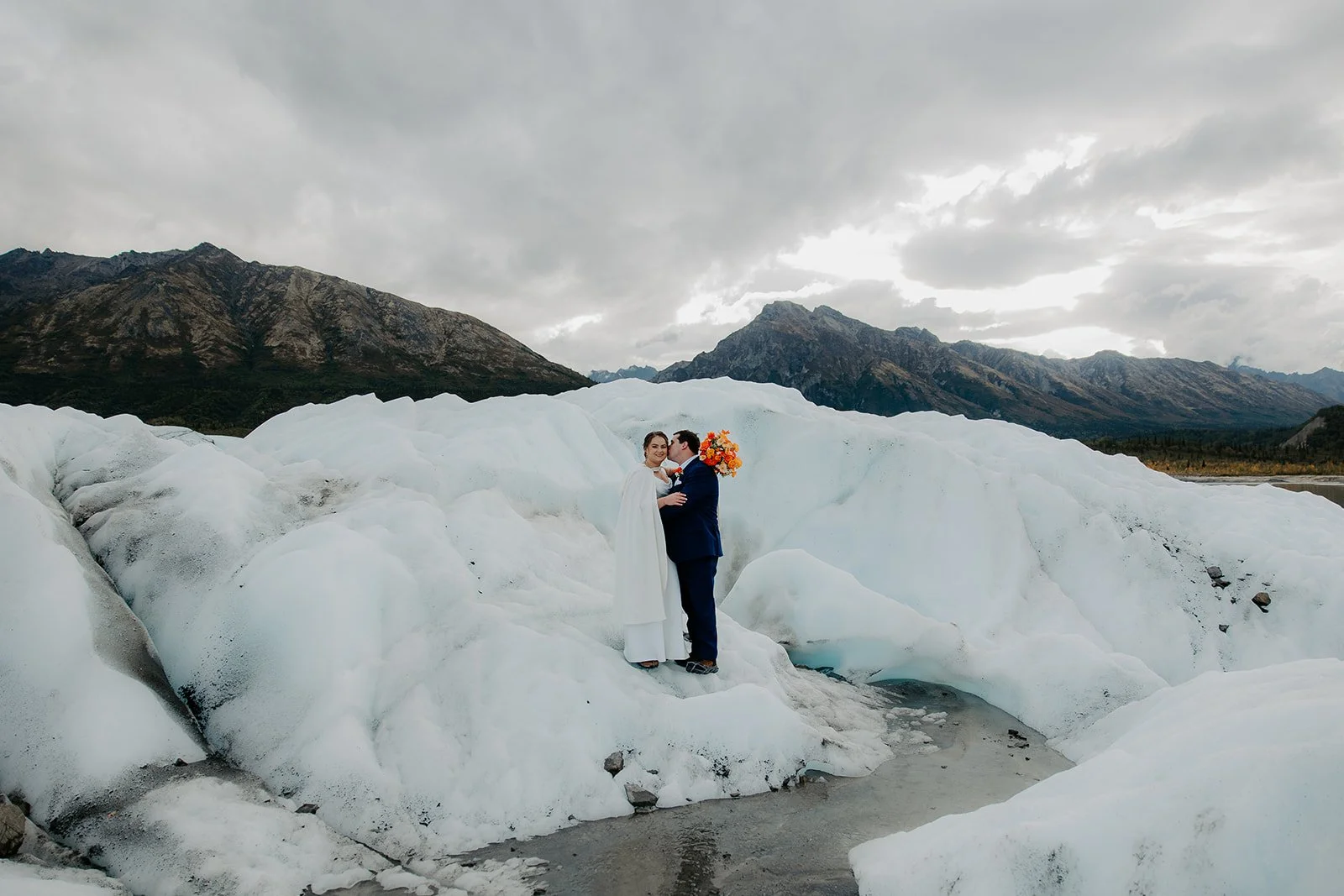

Josh and Alexa’s intimate elopement at Blackwater Falls State Park shows what a calm, intentional West Virginia elopement day can look like — from a private waterfall ceremony to a lakeside picnic with champagne and homemade cake.