

How to Elope at Great Sand Dunes National Park (2026 Guide) | Permits, Ceremony Locations, Best Time to Visit & Planning Tips
Great Sand Dunes National Park is one of the most unique places to elope in Colorado. Towering dunes rise more than 700 feet against the Sangre de Cristo Mountains, creating a landscape that feels expansive, quiet, and completely different from the alpine scenery many couples picture when they think of Colorado. For couples drawn to wide open landscapes, dramatic light, and a slower, experience-first wedding day, eloping here offers something truly memorable.
Because the park sits in a remote corner of southern Colorado, it often feels calmer and less crowded than many other national parks. Sunrise ceremonies on the dunes are especially peaceful, with soft light moving across the sand while the mountains begin to glow in the distance. Many couples build their day around simple experiences — hiking out onto the dunes together, sharing private vows, sandboarding, or staying for sunset and stargazing once the park grows quiet again.
Planning an elopement here does require understanding a few key logistics. Ceremonies require a National Park Service special use permit, group sizes are limited, and wind or seasonal conditions can influence how the day is structured. If you're still deciding where in the state you want to elope, I recommend starting with my guide to How to Elope in Colorado – Locations, Permits, & Colorado Elopement Packages, which explains how different public lands work across the state.
In this guide, I’ll walk you through where ceremonies can take place, how permits work, the best time of year to visit, and how to plan a Great Sand Dunes elopement that feels calm, intentional, and grounded in the landscape.
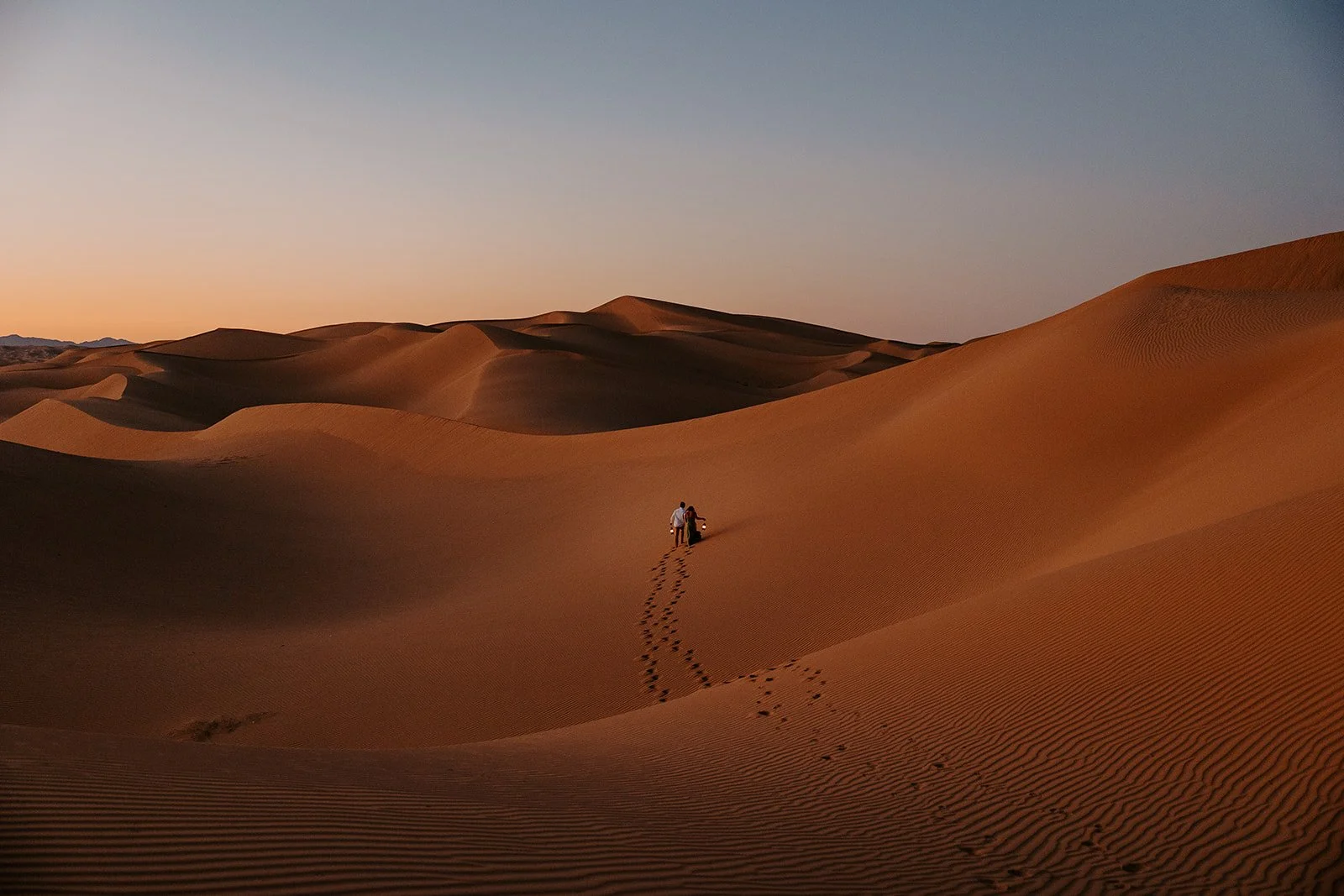
Great Sand Dunes National Park Elopement: Quick Planning Guide
If you're just starting to research whether Great Sand Dunes National Park is the right fit for your elopement, here are the most important things to know first.
Permit Required
Yes — wedding ceremonies in the park require a National Park Service Special Use Permit.
Best Ceremony Areas
The main dune field, Dunes Overlook, and nearby Zapata Falls are popular options depending on accessibility and privacy preferences.
Best Time of Year
Spring and fall are usually the most comfortable seasons, while summer afternoons can become very hot on the sand.
Best Time of Day
Sunrise is often ideal for cooler temperatures, calmer winds, softer light, and a quieter experience.
Group Size
Great Sand Dunes ceremonies are typically best suited for small groups to help protect the fragile dune environment.
Closest Town for Lodging
Alamosa, Colorado offers the most convenient lodging options and is about 30–40 minutes from the park entrance.
Still deciding where in Colorado to elope? Read How to Elope in Colorado — Locations, Permits, & Colorado Elopement Packages for a fuller breakdown of how different public lands work across the state.
Why Couples Choose Great Sand Dunes National Park for Their Elopement
Great Sand Dunes National Park offers a completely different kind of Colorado elopement experience. Instead of alpine lakes or pine forests, the landscape here is defined by vast golden dunes rising dramatically against the Sangre de Cristo Mountains. The contrast between desert-like sand and rugged mountain peaks creates a setting that feels both expansive and surprisingly quiet.
For couples who value privacy, simplicity, and meaningful experiences over big production energy, the park offers a rare sense of space. Many ceremonies take place far out on the dunes, where the surrounding landscape feels wide open and uninterrupted, allowing couples to focus fully on the moment rather than the logistics of a crowded venue.
Beyond the scenery, the park also invites couples to shape a wedding day around shared adventure. Instead of a traditional schedule, many elopements here unfold naturally — walking together across the dunes at sunrise, sharing private vows in the quiet morning light, hiking to a scenic overlook, or staying late for sunset and some of the darkest night skies in Colorado.
For couples planning a Colorado elopement focused on experience rather than performance, Great Sand Dunes can feel both grounding and unforgettable.
A Landscape Unlike Anywhere Else in Colorado
Great Sand Dunes contains the tallest sand dunes in North America, reaching heights of more than 700 feet. The massive dune field stretches for miles, creating a surreal environment where every direction feels expansive.
Because of the scale of the landscape, couples can often walk a short distance away from the main access points and quickly find areas that feel quiet and private.
One of the Quieter National Parks in Colorado
Compared to parks like Rocky Mountain National Park, Great Sand Dunes typically sees far fewer visitors, especially early in the morning.
Sunrise ceremonies often feel incredibly peaceful, with soft light moving across the dunes while the surrounding mountains slowly illuminate.
Perfect for Experience-Focused Elopement Days
The park naturally encourages a slower, more intentional type of wedding day. Many couples build their elopement around simple experiences such as:
• hiking across the dunes together
• sandboarding or sledding down the slopes
• exploring Medano Creek in spring
• watching sunset from a high dune
• stargazing under some of Colorado’s darkest skies
These kinds of shared moments often become the most memorable parts of the day.
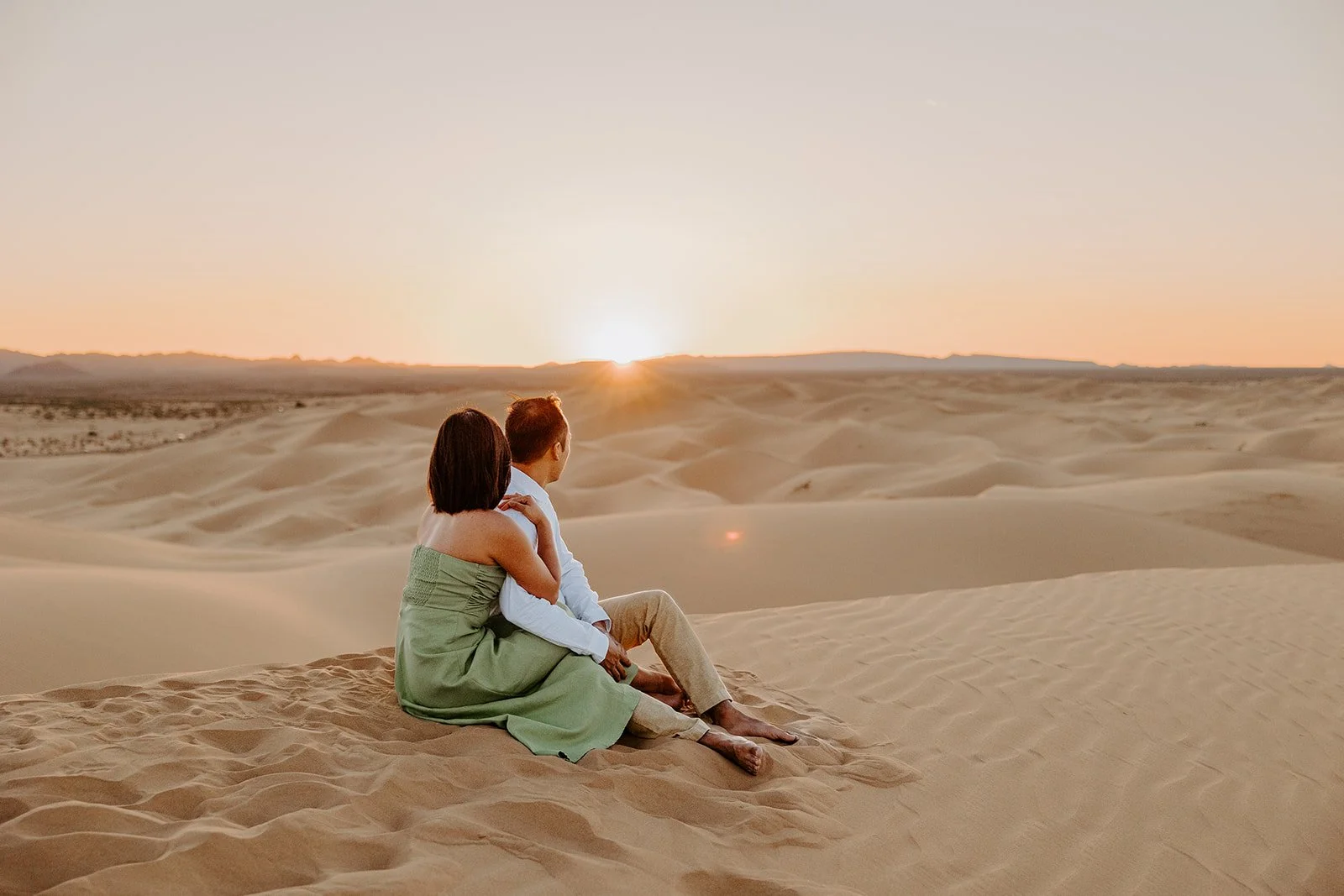
Where You Can Elope in Great Sand Dunes National Park
Unlike traditional venues, elopements in Great Sand Dunes National Park take place within a protected natural landscape. The National Park Service allows ceremonies in certain areas of the park, and locations are chosen carefully to protect the fragile dune ecosystem while still giving couples access to incredible views.
Most couples choose ceremony locations either within the dune field itself or at scenic overlooks near the edge of the dunes, depending on how much walking they want to include in their day. Because the landscape is so expansive, it’s often possible to find areas that feel surprisingly private, especially during sunrise or sunset.
If you're comparing locations across the state, you can also explore my guide to Best Places to Elope in Colorado (Iconic Views + Private, Curated Alternatives) to see how Great Sand Dunes compares to other landscapes in Colorado.
Great Sand Dunes Ceremony Location Comparison
The park offers several possible ceremony areas depending on accessibility, privacy, and the type of landscape you want for your elopement.
| Location | Accessibility | Best For | Notes |
|---|---|---|---|
| Dune Field | Moderate walk | Iconic dune scenery | Most dramatic views and privacy. Sunrise ceremonies are especially beautiful. |
| Dunes Overlook | Easy | Small groups or family | Scenic views without hiking far from the parking area. |
| Medano Creek Area | Easy (seasonal) | Spring elopements | Shallow creek creates reflections with dunes and mountains. |
| Piñon Flats Area | Easy | Accessible ceremonies | Juniper and piñon landscape with mountain views. |
| Montville Nature Trail | Easy | Quiet forest setting | Higher elevation with trees and a different landscape from the dunes. |
| Zapata Falls | Short hike | Waterfall scenery | Located just outside the park. Often combined with dune ceremonies. |
Dune Field
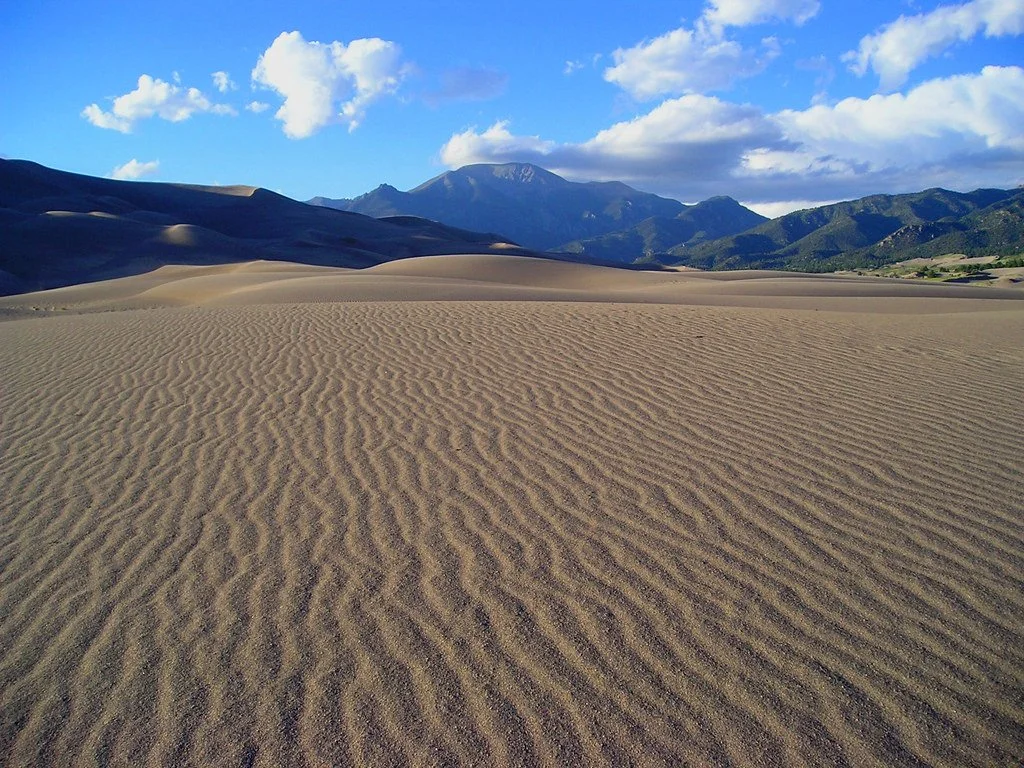
The dune field is the most iconic place to elope within Great Sand Dunes National Park and Preserve. Towering dunes stretch across the valley floor with the Sangre de Cristo Mountains rising dramatically behind them, creating one of the most unique landscapes in Colorado.
Most couples who choose this location walk a short distance out onto the dunes to find a quieter ridge or basin for their ceremony. Because the dune field is so expansive, even a brief walk away from the main access area can create a surprising sense of privacy.
Sunrise ceremonies are especially popular here, when temperatures are cooler and the early light casts long shadows across the sand. The shifting light across the dunes can create beautiful depth and texture in photographs throughout the morning.
For couples planning a more adventurous elopement, hiking deeper into the dunes can lead to areas that feel completely secluded.
Dunes Overlook
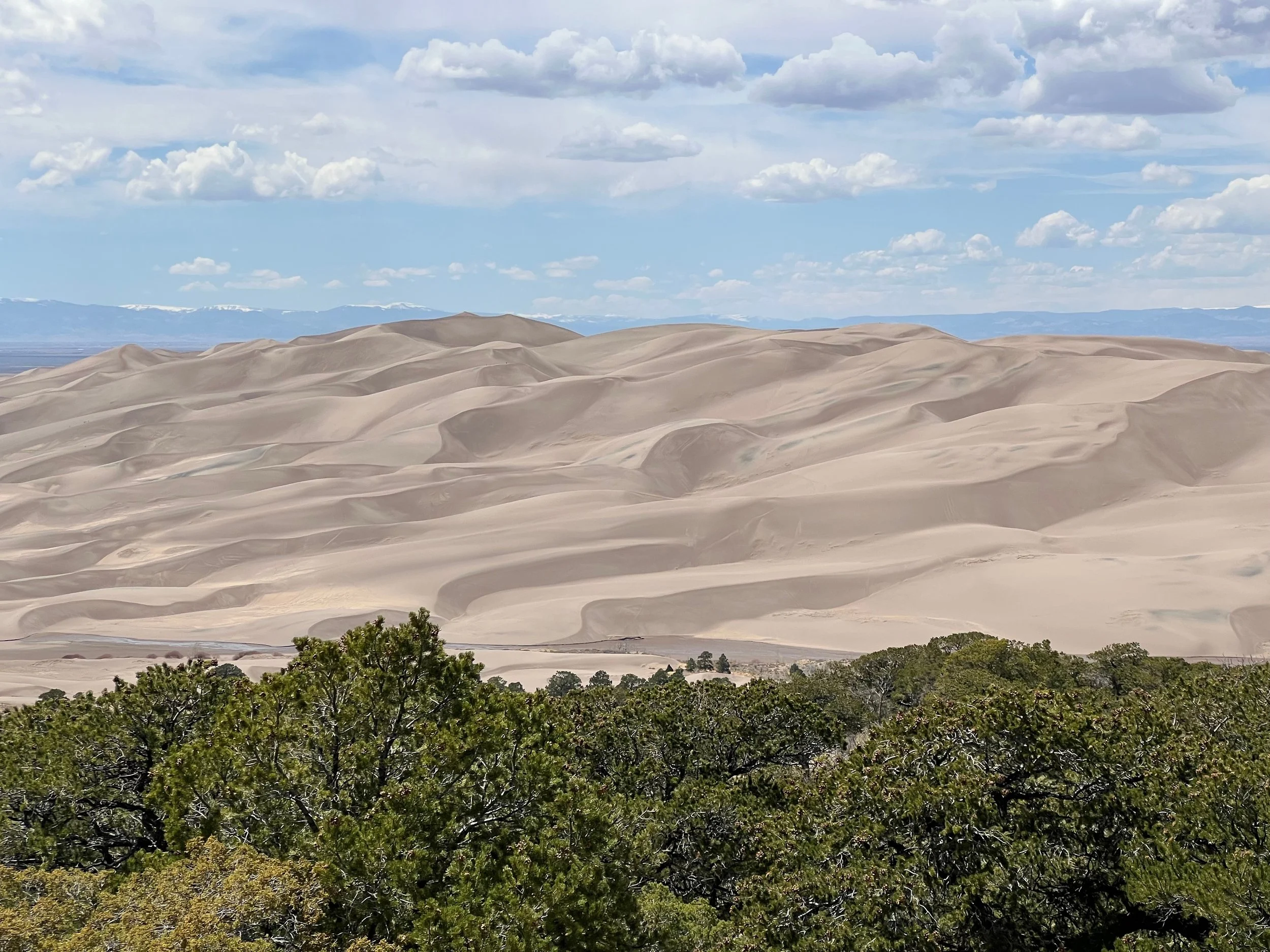
The dunes overlook areas near the main parking area provide expansive views across the entire dune field without requiring a long hike. This makes them one of the most accessible ceremony options in the park, especially for couples bringing a few guests.
From this vantage point, you can see the sweeping dune landscape with the mountains rising behind it. Because access is easier, this area works well for small family-inclusive elopements or couples who want dramatic scenery while keeping the day simple and relaxed.
Many couples also choose to start their day here before walking out onto the dunes for additional portraits.
Medano Creek
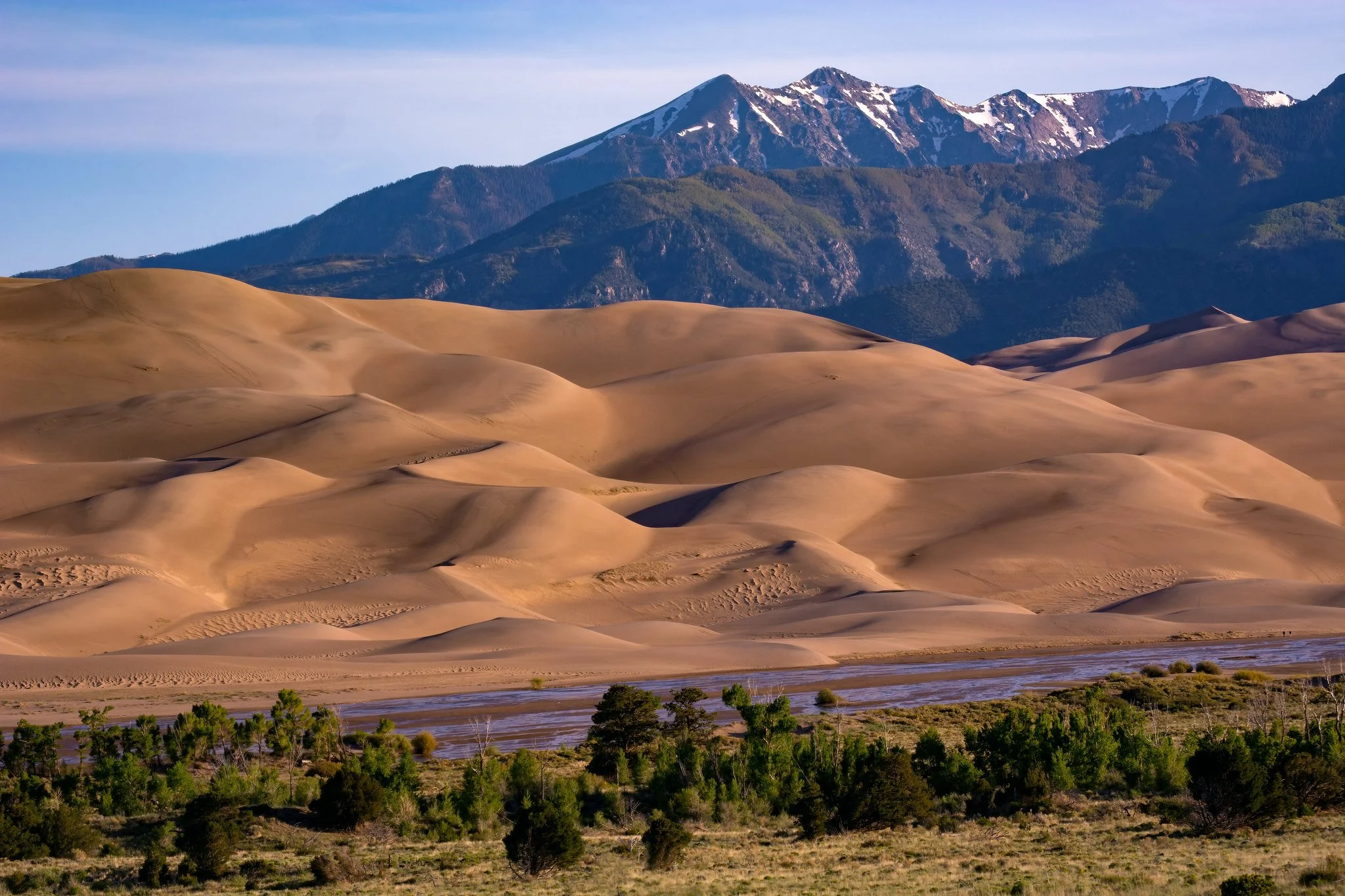
During late spring and early summer, snowmelt from the surrounding mountains creates Medano Creek, a shallow stream that flows across the base of the dunes.
When the creek is flowing, it transforms the landscape. Reflections of the dunes and mountains appear in the water, creating a completely different atmosphere compared to the dry dune field.
Because the creek is seasonal, couples planning a spring elopement should check current conditions before finalizing their ceremony plans.
This area can be especially beautiful for morning ceremonies or relaxed moments near the water after hiking the dunes.
Piñon Flats Area
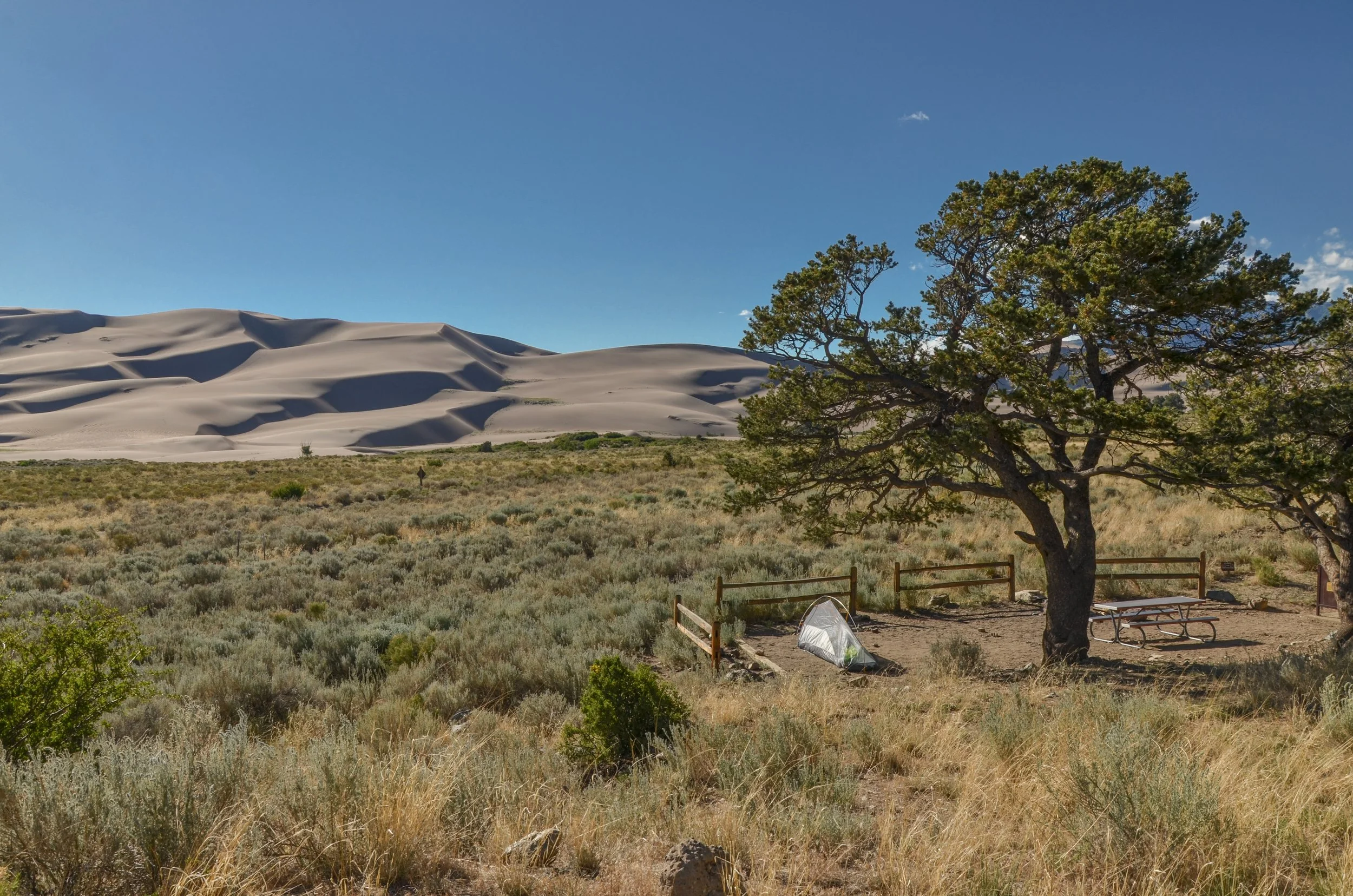
Located near the Piñon Flats Campground, this area offers a quieter environment with juniper and piñon trees, mountain views, and a more traditional Colorado landscape compared to the open dunes.
For couples bringing guests or wanting easier access, this area can provide a comfortable ceremony setting while still keeping the dunes nearby for portraits afterward.
The contrast between the forested terrain and the dune field also allows couples to include multiple landscapes within the same elopement day.
Montville Nature Trail
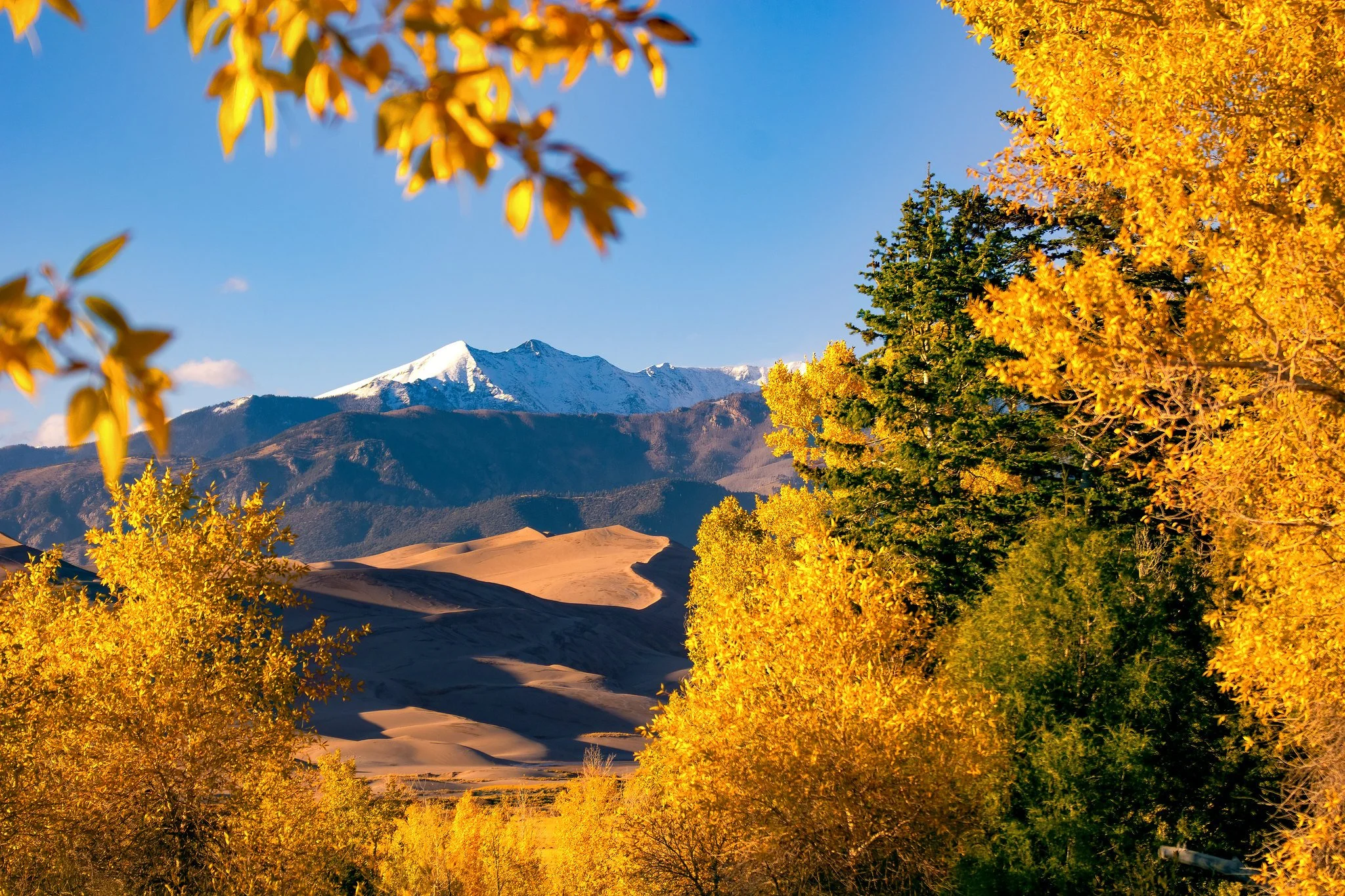
The Montville Nature Trail sits higher in the foothills of the park and offers a landscape that feels completely different from the dunes.
Instead of open sand, couples find pine forest, mountain views, and a quieter atmosphere that feels tucked away from the main visitor areas.
For couples who love the idea of getting married within Great Sand Dunes National Park but prefer trees and mountain scenery over sand, this trail area can be a beautiful alternative.
Zapata Falls
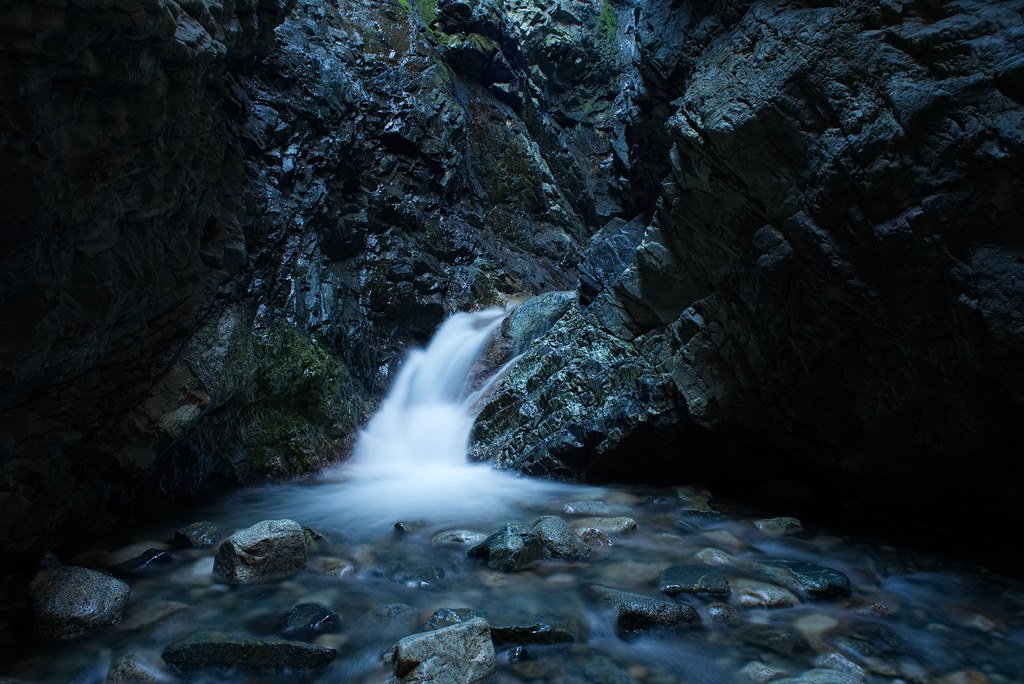
Zapata Falls sits just outside the park boundary and is one of the most popular nearby scenic stops.
The short hike leads into a narrow canyon where water cascades down the rock walls. Because the waterfall is hidden within the canyon, the setting feels intimate and dramatic.
Many couples combine a ceremony in the dunes with portraits or an additional adventure stop at Zapata Falls, creating a day that includes both desert-style dunes and a mountain waterfall landscape.
Exploring Medano Pass for Additional Landscapes
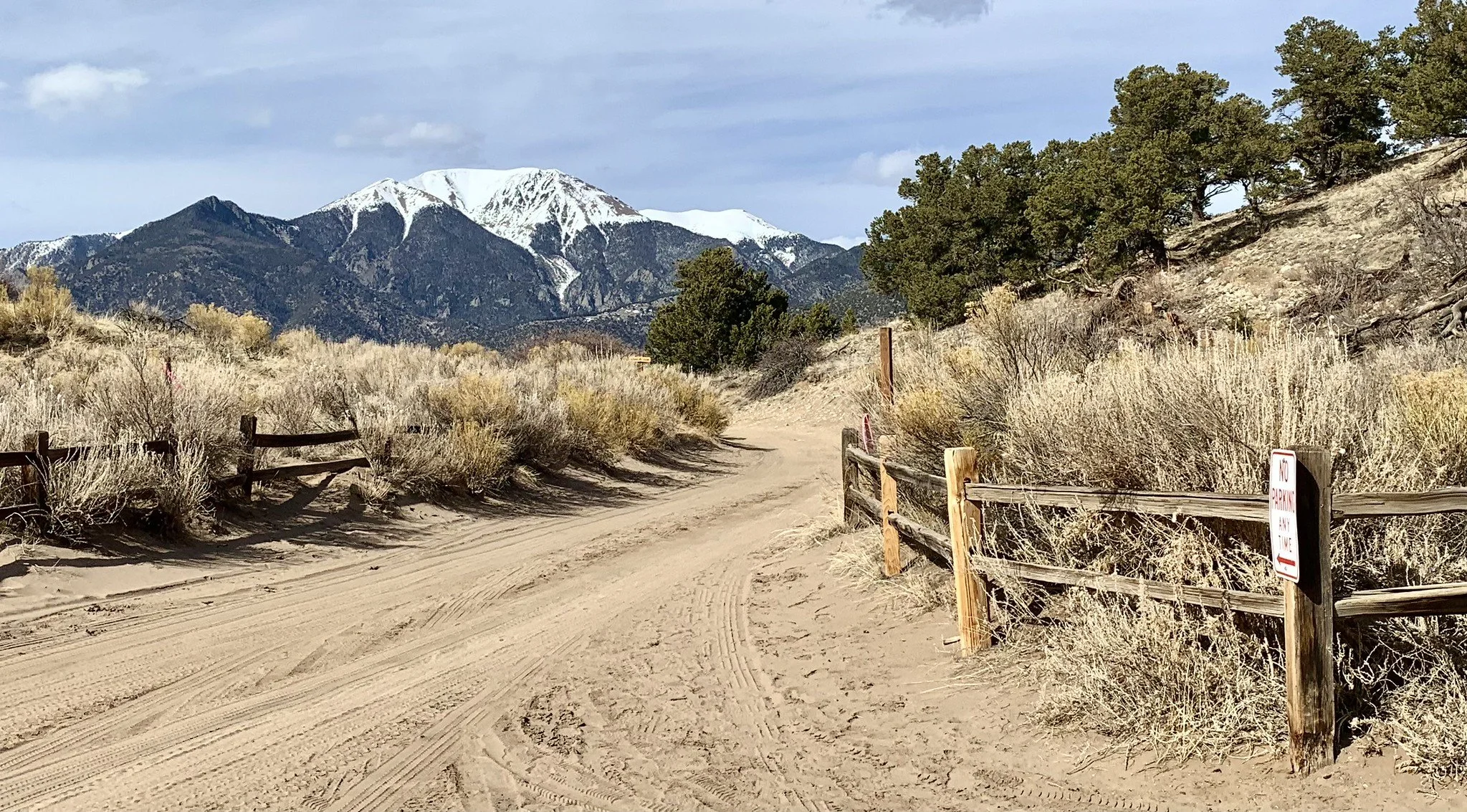
Medano Pass Primitive Road runs along the eastern side of the park and offers a completely different environment from the dune field.
This rugged backcountry road winds through forested foothills and crosses several shallow creeks along the way. Couples planning a full-day elopement sometimes explore this area for portraits or quiet moments during the day.
Because the road requires high-clearance or four-wheel-drive vehicles, it’s best suited for couples planning a more adventurous elopement experience.
Map of Great Sand Dunes Elopement Locations
Best Time to Elope at Great Sand Dunes National Park
One of the most important factors to consider when planning an elopement at Great Sand Dunes National Park and Preserve is the time of year you visit. Because the park sits within the high-elevation desert landscape of the San Luis Valley, temperatures and conditions can change dramatically throughout the seasons.
Unlike many alpine locations in Colorado, the dunes experience very hot summer afternoons, chilly winter mornings, and strong seasonal winds. Choosing the right time of year can make a big difference in how comfortable and relaxed your elopement day feels.
If you're still comparing seasonal conditions across the state, my guide to Best Time to Elope in Colorado (Seasonal Deep Dive) breaks down weather, crowds, and accessibility across different regions.
Spring Elopements (April – Early June)
Spring is one of the most unique times to elope at Great Sand Dunes because this is when Medano Creek begins to flow at the base of the dunes. Snowmelt from the surrounding mountains creates a shallow creek that can produce beautiful reflections of the dunes and surrounding peaks.
Temperatures are usually moderate during the morning and evening, which makes sunrise ceremonies especially comfortable. However, spring winds can sometimes be stronger in the afternoon.
Why couples love spring here
• Medano Creek flowing
• Comfortable morning temperatures
• Fewer summer visitors
Summer Elopements (Late June – August)
Summer brings the warmest temperatures to the dunes. While mornings and evenings can still feel pleasant, the sand itself can become extremely hot during midday hours.
Because of this, most summer elopements are planned for sunrise or sunset. Early mornings are typically calmer with softer light and fewer visitors on the dunes.
Afternoon thunderstorms are also possible during monsoon season, especially in July and August.
Things to consider in summer
• plan around midday heat
• bring plenty of water
• sunrise ceremonies are often ideal
Fall Elopements (September – October)
Fall is often one of the most comfortable seasons for visiting Great Sand Dunes National Park. Temperatures begin to cool, winds tend to calm down compared to spring, and the park typically sees fewer visitors than during peak summer months.
The surrounding mountains can also begin showing early fall color in some areas, which creates beautiful contrast against the golden dunes.
Why fall can be ideal
• cooler temperatures
• calmer wind conditions
• quieter visitor levels
Winter Elopements (November – March)
Winter elopements at Great Sand Dunes can feel incredibly peaceful. Snow occasionally dusts the surrounding mountains and sometimes even the dunes themselves, creating a rare and dramatic landscape.
However, temperatures can drop well below freezing, especially during sunrise ceremonies. Couples planning a winter elopement should come prepared with warm layers and flexible plans depending on weather conditions.
What makes winter special
• extremely quiet park conditions
• dramatic mountain scenery
• potential snow on the dunes
Best Time of Day for a Great Sand Dunes Elopement
Regardless of the season, sunrise is often the most comfortable and beautiful time to elope on the dunes.
Morning light creates long shadows across the sand, temperatures are cooler, and winds are usually calmer before the afternoon heat begins building.
Sunset ceremonies can also be beautiful, especially when the mountains begin to glow in the evening light. However, winds tend to pick up more often later in the day.
If you're deciding between these two options, my guide on Sunrise vs Sunset Elopements: Which is Better? explains how lighting, crowds, and weather patterns can influence your experience.
Great Sand Dunes Elopement Season Summary
What an Elopement Day at Great Sand Dunes Can Look Like
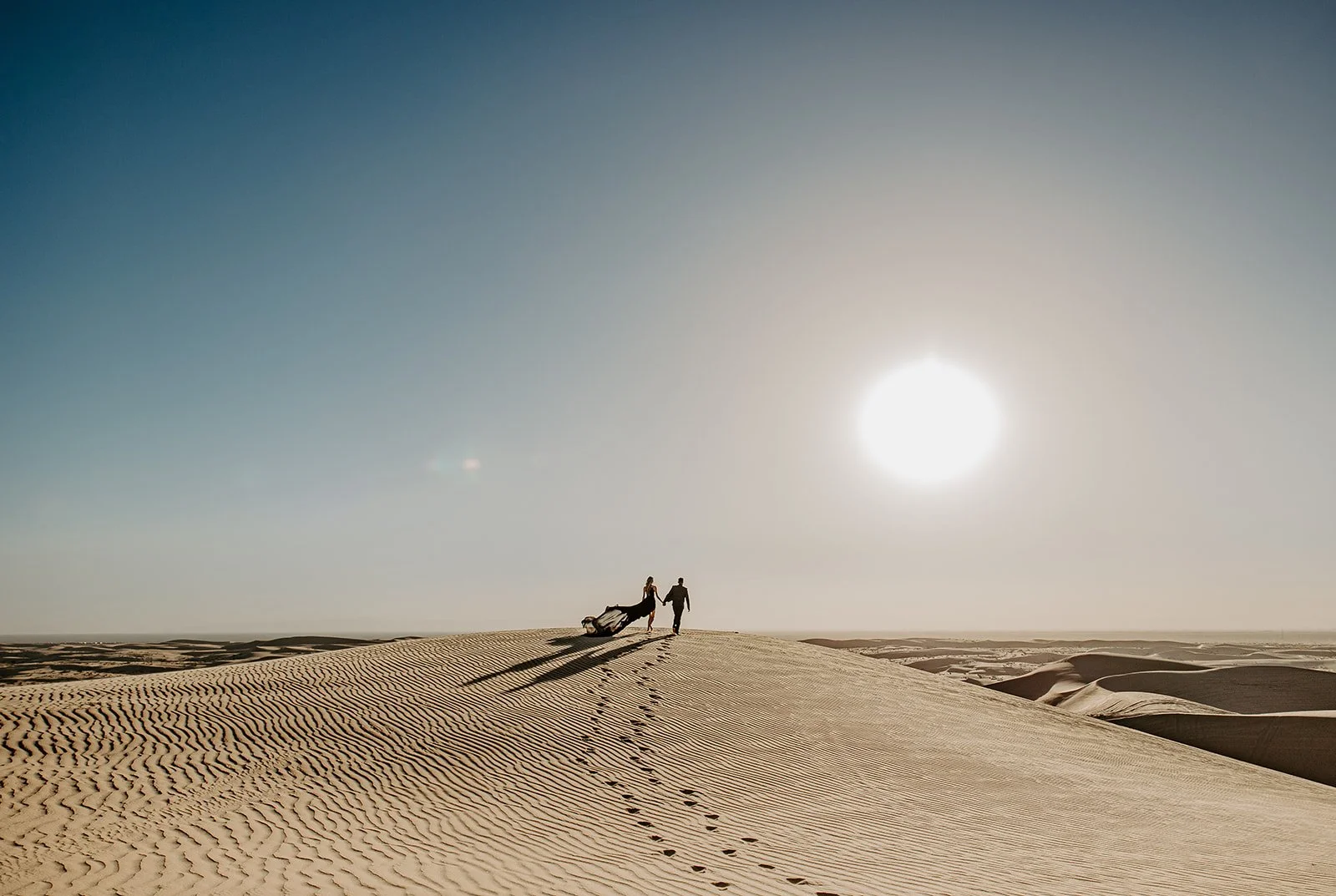
One of the reasons couples are drawn to eloping at Great Sand Dunes National Park and Preserve is the freedom to design a day that feels simple, intentional, and centered on shared experiences.
Instead of following a traditional wedding schedule, many couples build their day around the natural rhythm of the landscape — starting early to watch the sunrise over the dunes, exploring different parts of the park together, and ending the evening beneath some of the darkest skies in Colorado.
Because the dune field sits within the wide-open landscape of the San Luis Valley, the scenery changes dramatically throughout the day as light moves across the sand and surrounding mountains.
If you’re still brainstorming ways to make your elopement day feel meaningful and personal, my guide with 100+ Unique Elopement Ideas can help spark inspiration for experiences you might want to include.
Below are a few ways couples often structure their elopement day here.
Sunrise Ceremony on the Dunes
Sunrise is often the most peaceful time to be on the dunes. Early morning temperatures are cooler, winds are typically calmer, and the park is much quieter than later in the day.
Many couples hike out onto the dunes just before sunrise, arriving at a quiet ridge where the first light begins illuminating the sand and the surrounding Sangre de Cristo Mountains. This moment often becomes the emotional centerpiece of the day — exchanging vows in the quiet morning light with miles of open landscape surrounding you.
Because walking on sand can be surprisingly challenging, comfortable footwear and breathable fabrics can make a big difference. If you're unsure what works best for landscapes like this, my guide on What to Wear When You Elope walks through outfit ideas and practical considerations for outdoor elopements.
Exploring the Dunes Together
After the ceremony, couples often spend time simply exploring the landscape together.
Because the dunes stretch for miles, it’s easy to wander across different ridges and valleys while the light continues to shift across the sand. These quieter moments often lead to some of the most natural photographs of the day.
Some couples also bring along a sandboard or sled to experience the dunes in a more playful way before heading back toward the main access area.
Midday Break and Adventure Stops
Midday can be a good time to slow down and explore other nearby areas in the park or surrounding valley.
Couples sometimes take time to:
• visit Medano Creek in spring
• explore forested trails in the foothills
• drive scenic roads near the park
• relax with a picnic or coffee break
Adding these moments helps the day feel less rushed and more like a meaningful shared adventure.
Sunset Portraits and Stargazing
As the sun begins to drop behind the mountains, the dunes take on deeper golden tones and long shadows begin stretching across the sand.
Many couples return to the dunes in the evening for sunset portraits before staying a little longer to watch the stars appear overhead. Because the park is far from major cities, the night skies here can be incredibly clear — making stargazing a quiet and memorable way to end the day.
If you're deciding whether sunrise or sunset is the better fit for your ceremony, my guide on Sunrise vs Sunset Elopements: Which is Better? breaks down the differences in lighting, crowds, and weather patterns.
Sand Dunes Elopement Inspiration
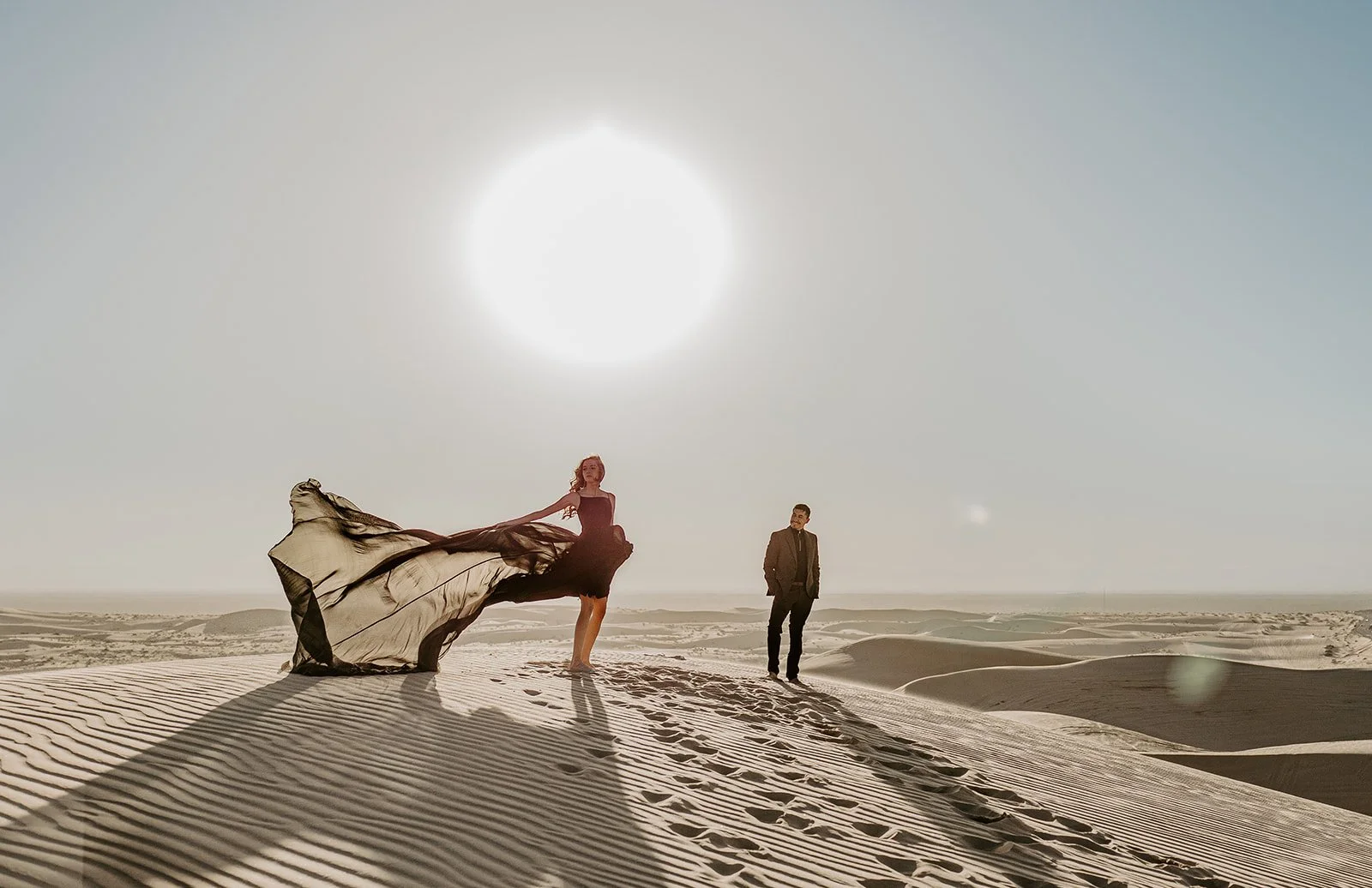
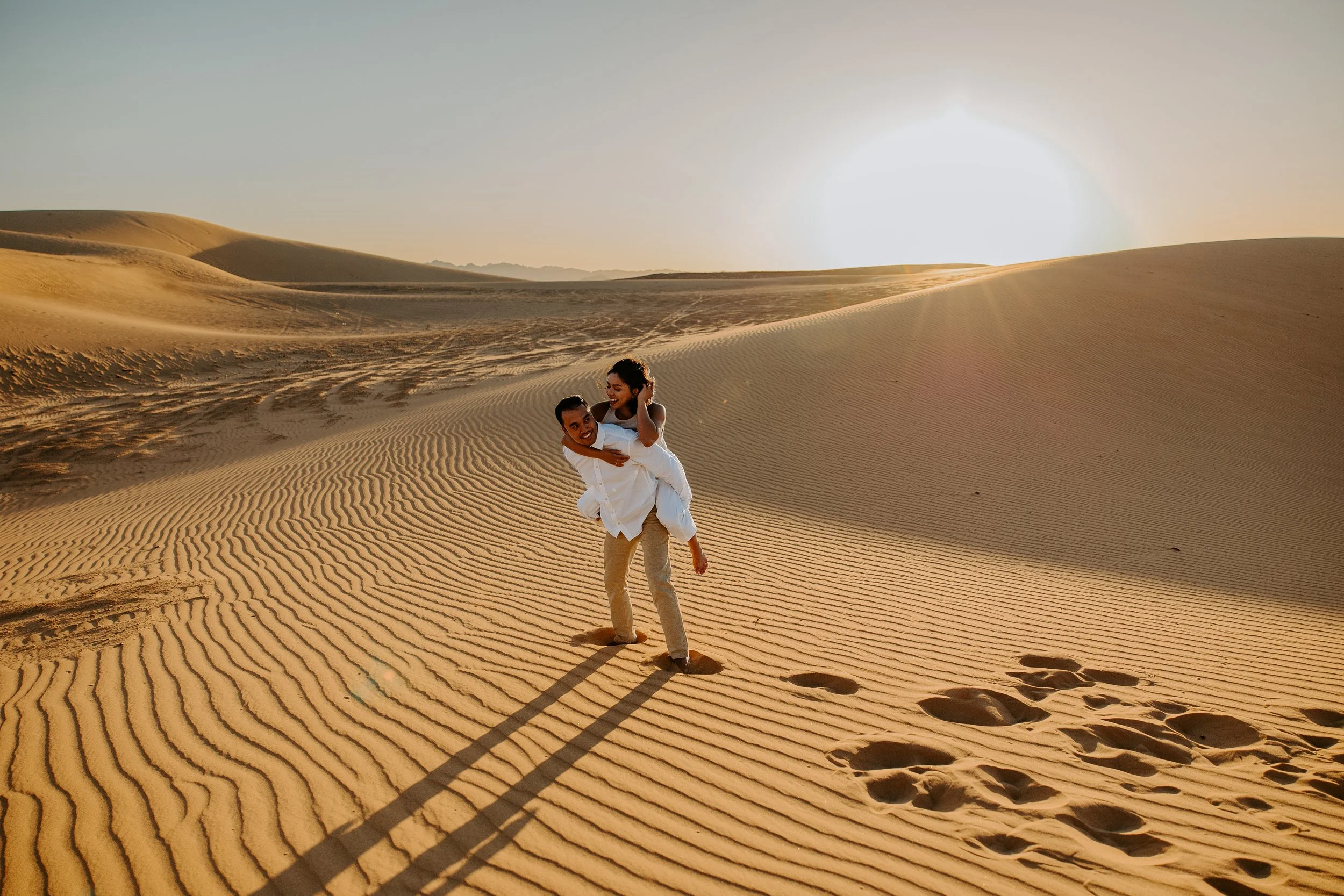
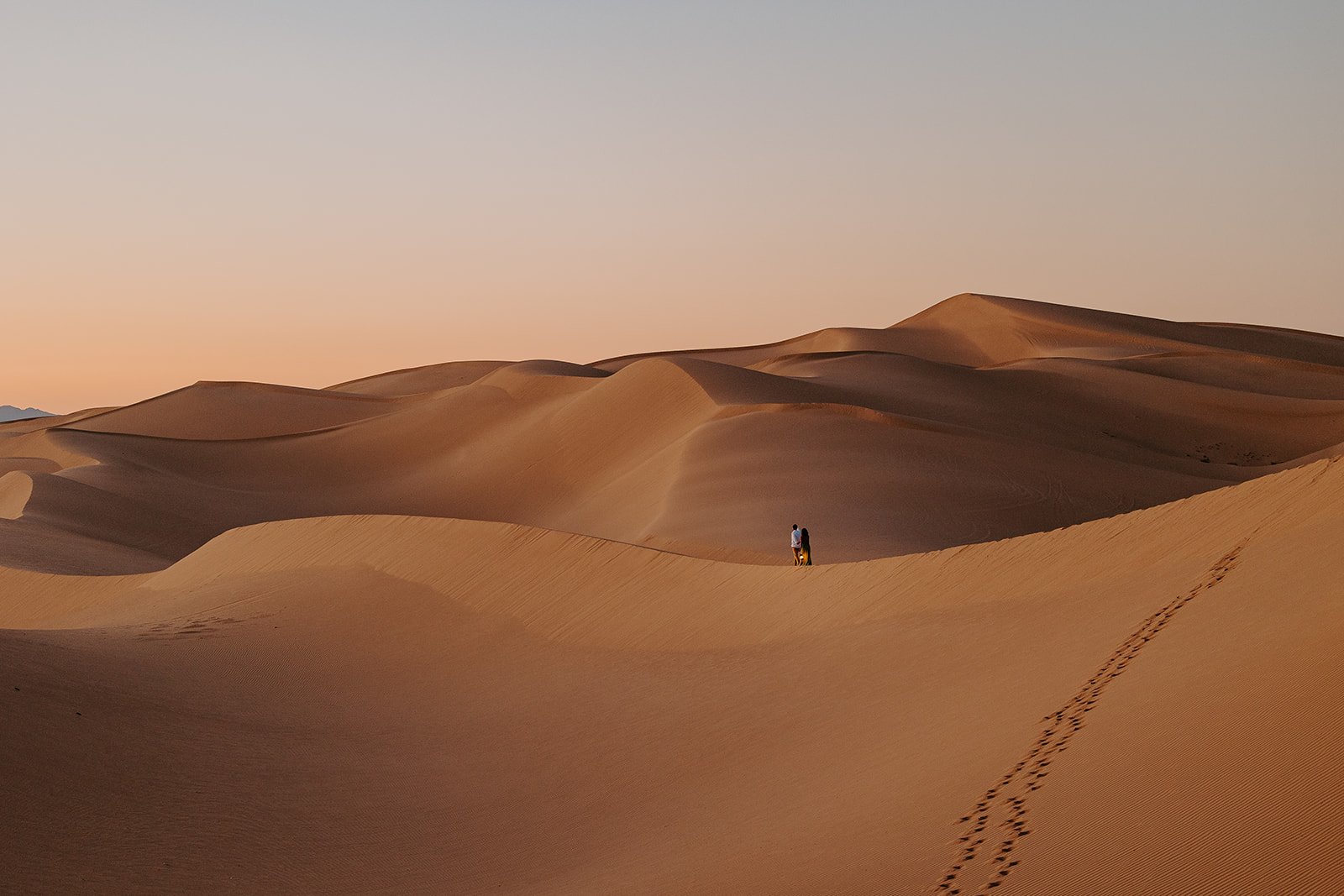
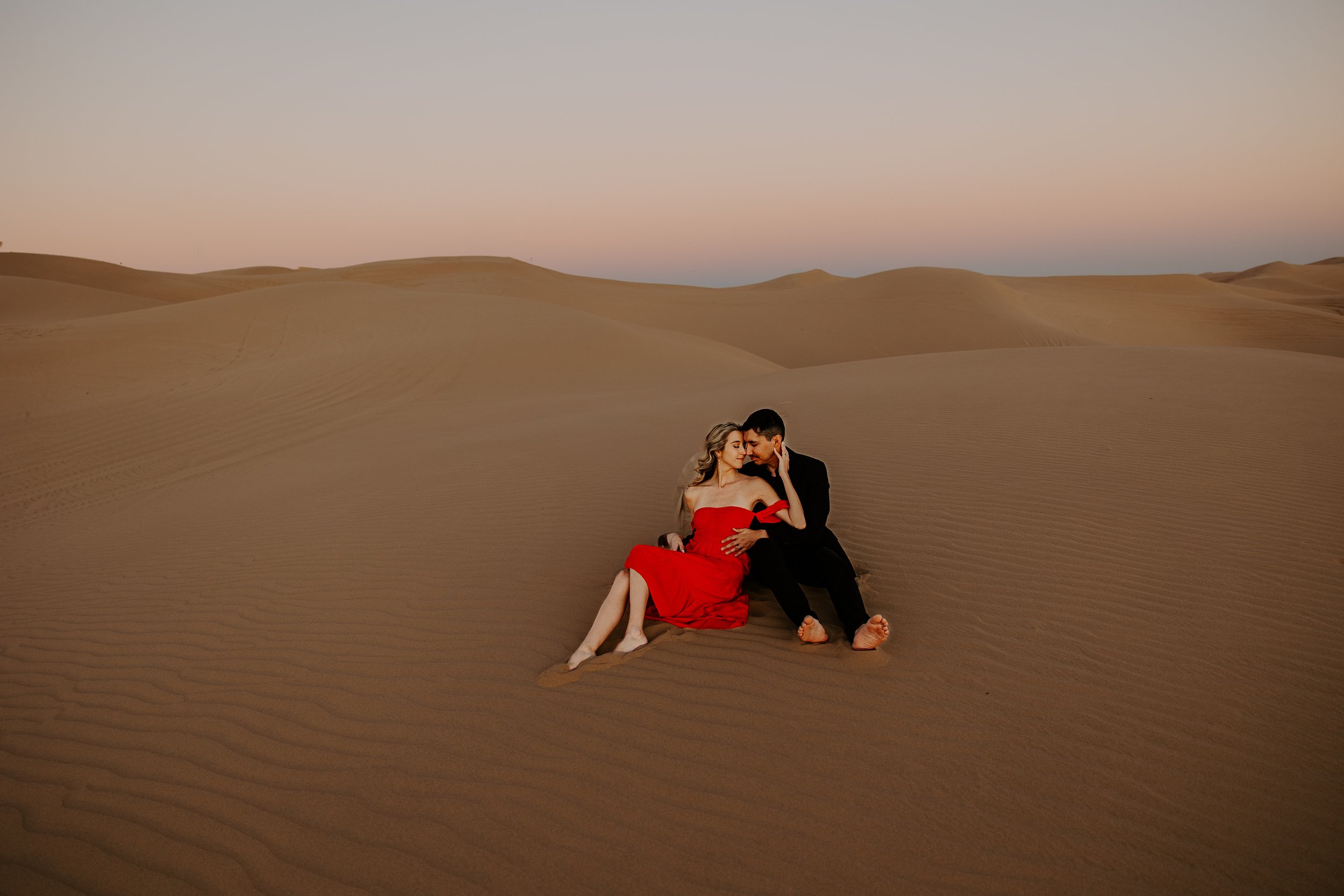
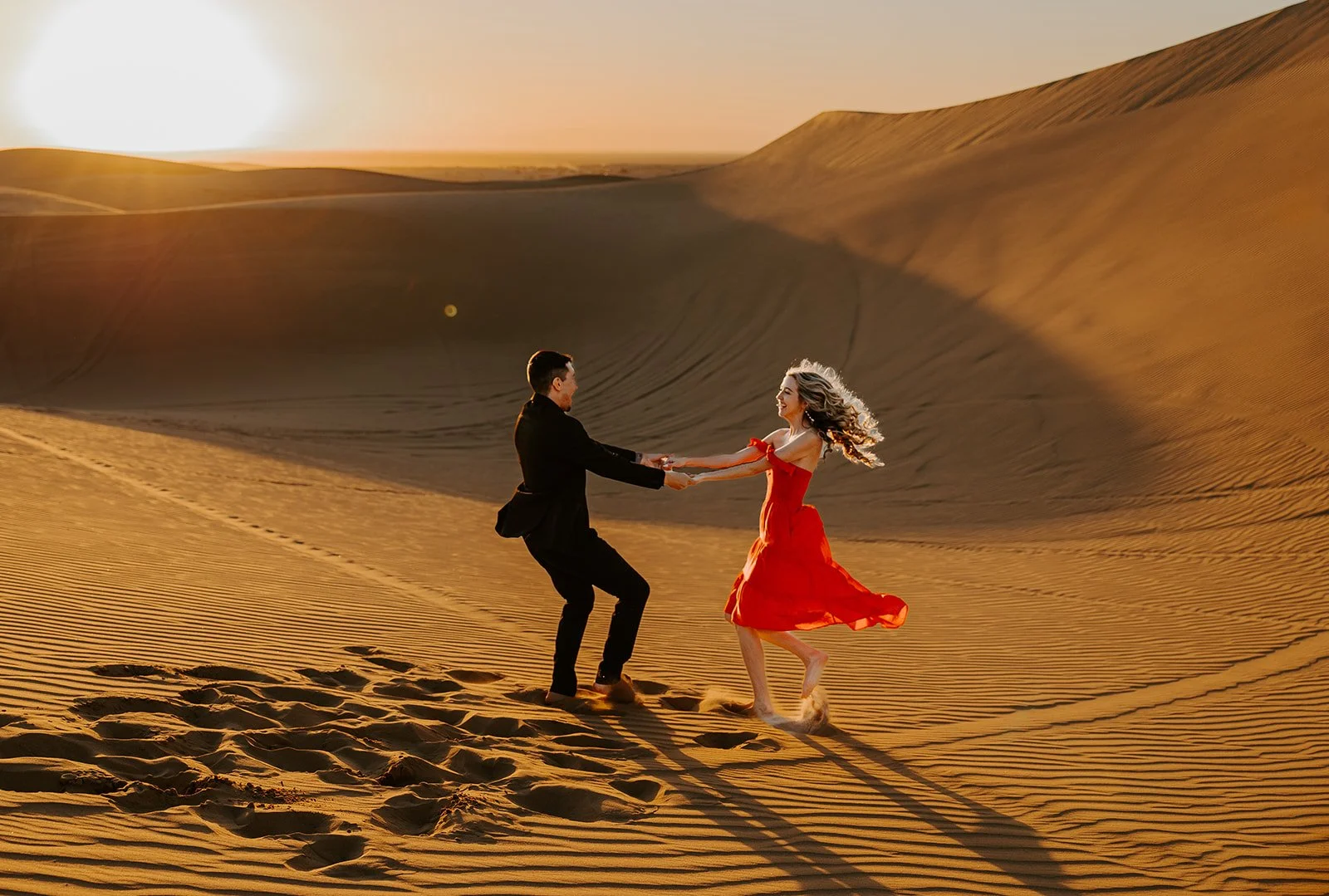
Sand dunes create one of the most visually striking landscapes for an elopement. The soft curves of the sand, warm golden tones, and dramatic mountain backdrops create a setting that feels both expansive and intimate at the same time.
Because the landscape constantly shifts with light and wind, the dunes look completely different throughout the day. Sunrise brings long shadows and cooler tones across the sand, while sunset creates warm golden light that highlights the natural patterns of the dunes.
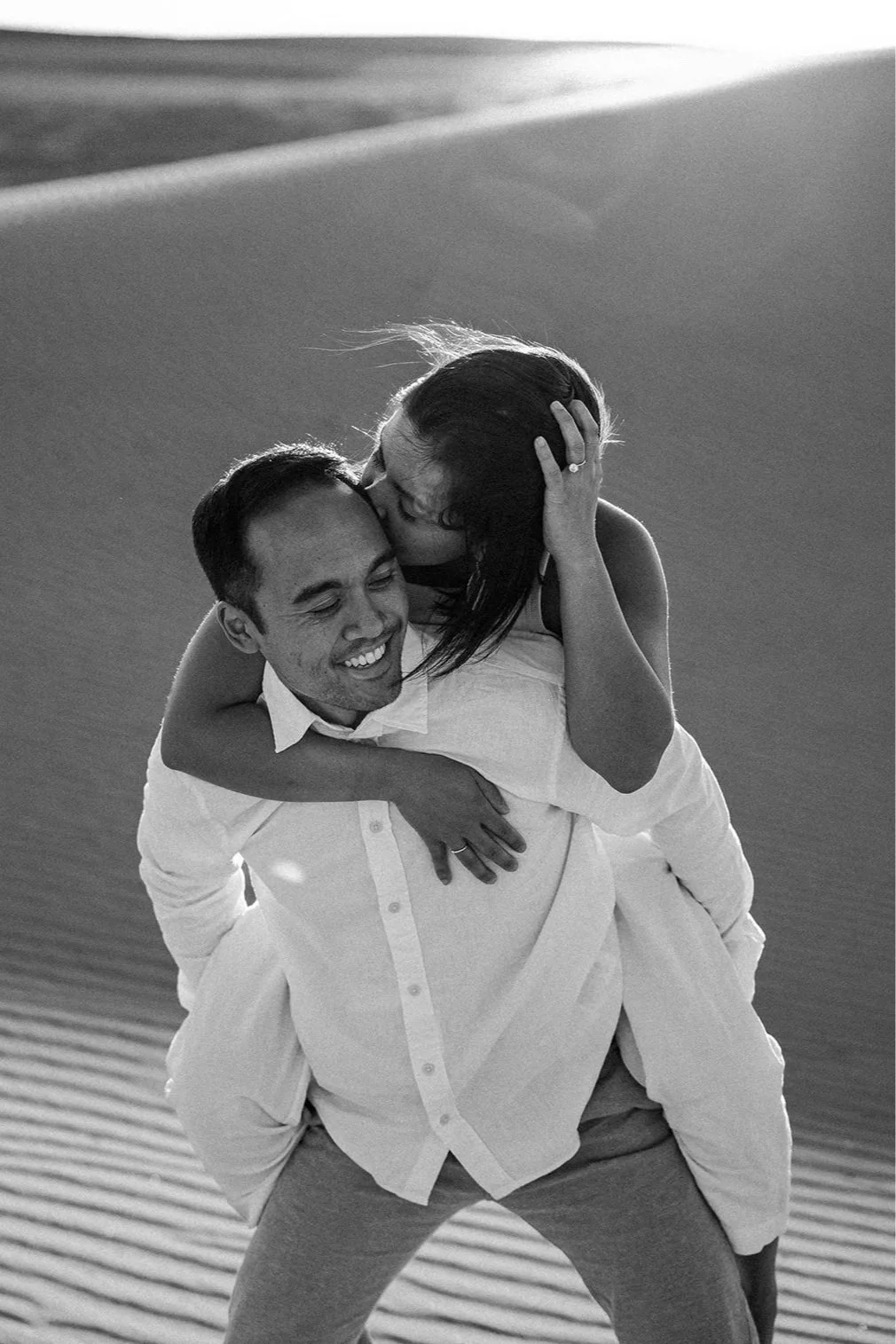
The images below were captured in a similar dune environment and offer inspiration for how a sand dunes elopement can feel — quiet, adventurous, and deeply connected to the landscape.


Do You Need a Permit to Elope at Great Sand Dunes National Park?
Yes — if you plan to hold a wedding ceremony or elopement within Great Sand Dunes National Park and Preserve, you will need a National Park Service Special Use Permit.
This permit allows the park to manage ceremonies in a way that protects the fragile dune ecosystem while ensuring other visitors can still enjoy the landscape. Even small elopements require a permit if you plan to exchange vows or hold any type of organized ceremony within the park.
Because each national park has slightly different rules and application processes, I always recommend understanding the permit requirements early when planning your elopement.
If you're comparing locations across the state, my guide to Colorado Elopement Permits Explained (National Parks, State Parks, Forests + BLM) breaks down how permit rules differ depending on the type of public land.
Colorado also allows couples to legally marry themselves without an officiant, many elopements in the state include self-solemnizing ceremonies. If you’re curious how that works, my guide on How to Self-Solemnize in Colorado explains the process.
Great Sand Dunes Wedding Permit Basics
Here are the key things couples should know when planning an elopement at Great Sand Dunes:
Because permit approvals are handled by park staff, your exact ceremony location may be confirmed during the permit process.
How to Apply for a Ceremony Permit
The permit process typically involves submitting a Special Use Permit application to the park’s permit office along with the administrative fee.
Once the park receives the application, staff review the request and confirm whether the proposed ceremony location and group size meet park guidelines. If adjustments are needed, they will often work with couples to suggest an appropriate location.
Because availability can vary depending on the season and visitor levels, applying early can help ensure you have flexibility when choosing your date.
Ceremony Rules to Be Aware Of
National parks have specific rules designed to protect the environment and preserve the visitor experience. While exact guidelines may vary depending on the permit approval, couples planning a Great Sand Dunes elopement should expect rules such as:
• keeping ceremonies small and low-impact
• avoiding decorations that could damage the landscape
• staying within designated ceremony areas approved through the permit process
• following Leave No Trace principles
These guidelines help ensure that the dunes remain protected for future visitors.
Drone Rules at Great Sand Dunes
One important rule many couples are surprised by is that drones are not allowed within national parks, including Great Sand Dunes National Park.
This means drone photography or videography cannot be used during your elopement within park boundaries.
Planning an elopement in a national park often involves navigating permits, ceremony guidelines, and timing logistics. If you want help shaping a day that feels intentional while handling those details behind the scenes, you can explore my Colorado Elopement Packages to see how I guide couples through planning experience-first elopements on public lands.
And if Great Sand Dunes already feels like the right place for your elopement, you can reach out through mycontact form and tell me a little about the kind of day you're imagining.
Can You Elope at Great Sand Dunes Without a Permit?
Short answer: No. If you plan to hold a ceremony or exchange vows within the park, a Special Use Permit is required.
Planning a Great Sand Dunes Elopement With Family
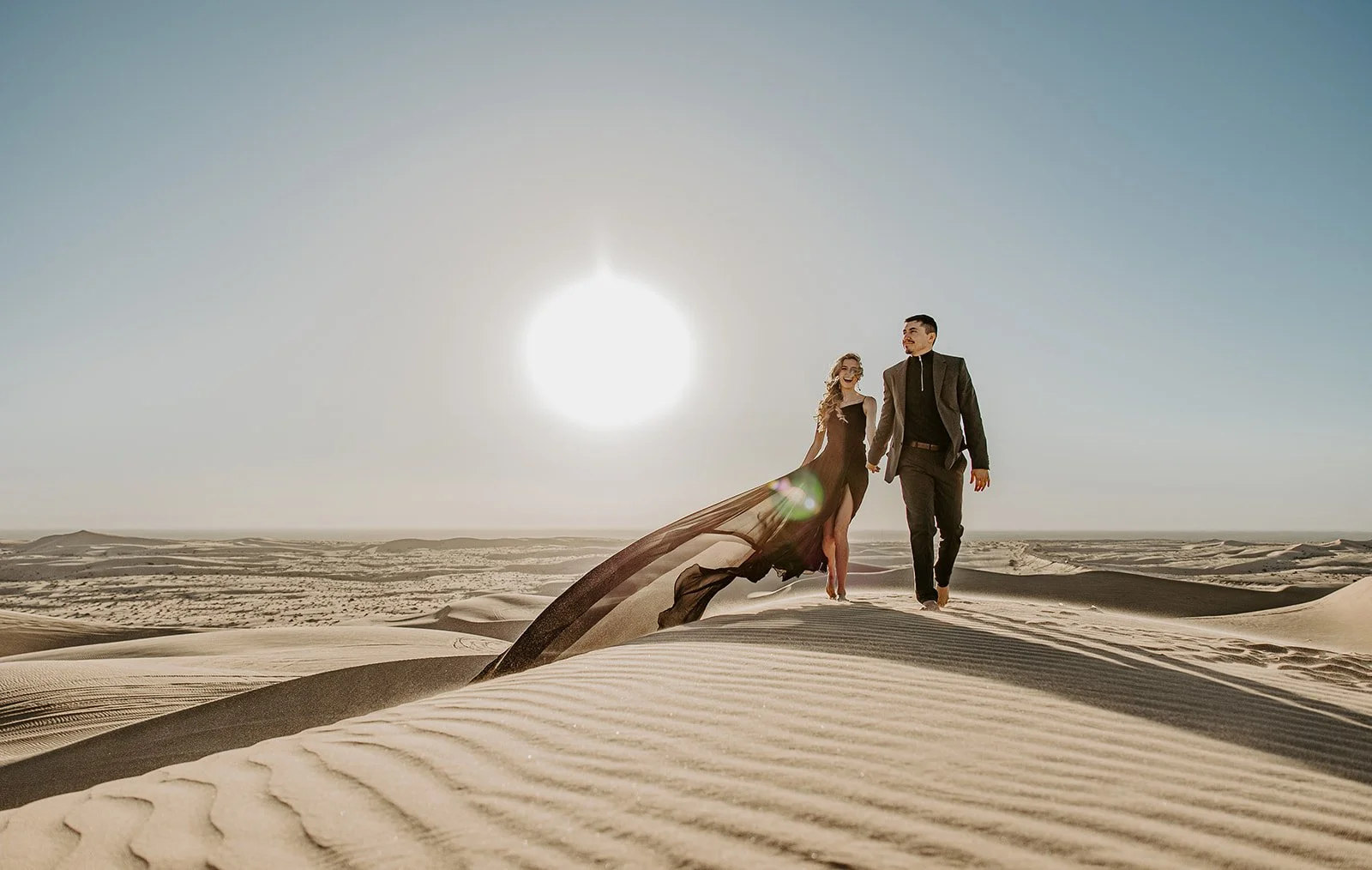
While many couples picture elopements as completely private experiences, it’s also possible to include a small group of family members when getting married at Great Sand Dunes National Park and Preserve.
The park’s vast landscape makes it surprisingly easy to create a day that still feels quiet and meaningful, even with a few loved ones present. Many couples choose to invite immediate family members or a handful of close friends, allowing them to share the moment without turning the day into a traditional wedding.
Because national parks prioritize protecting the environment and preserving the visitor experience, ceremonies are typically limited to smaller groups and low-impact gatherings. This helps ensure that the dunes remain protected while still allowing couples to celebrate in one of Colorado’s most unique landscapes.
If you’re considering inviting family but aren’t sure how to structure the day, my guide Your Guide to Eloping with Family walks through helpful tips for balancing privacy, guest experience, and meaningful moments together.
Choosing a Location That Works for Guests
If family members will be attending your ceremony, accessibility becomes an important factor when choosing a location.
Some couples still choose to hike out onto the dunes together for their vows while inviting family members to watch from a nearby ridge. Others select locations near the edge of the dune field so guests can reach the ceremony area without needing to hike long distances on sand.
Areas near the main access points can often provide beautiful views while keeping the ceremony comfortable for guests of different ages or mobility levels.
Creating a Meaningful Shared Experience
One of the benefits of including family in an elopement is the opportunity to create intimate, meaningful moments together that might feel harder to achieve during a traditional wedding.
Couples sometimes include:
• a short ceremony on the dunes
• a small picnic celebration after the ceremony
• a group hike to explore the landscape
• sharing private vows separately before joining family
Because the setting already feels special, these simple experiences often become the most memorable parts of the day.
Keeping the Day Simple and Relaxed
Even with guests present, elopements at Great Sand Dunes tend to remain much simpler than traditional weddings.
Instead of coordinating a long timeline with multiple events, many couples focus on a few meaningful moments — exchanging vows, spending time exploring the dunes together, and enjoying the landscape with their closest people.
This approach allows couples to include family without losing the calm, intentional atmosphere that draws many people to eloping in the first place.
What to Wear for a Great Sand Dunes Elopement
Choosing what to wear for an elopement at Great Sand Dunes National Park and Preserve can look a little different than planning outfits for a mountain or forest ceremony. Walking on sand requires more effort than most people expect, and the landscape is exposed to wind, sun, and temperature changes throughout the day.
The key is choosing clothing that feels comfortable, breathable, and easy to move in, while still reflecting the style and atmosphere you want for your wedding day.
If you're still deciding what direction to go with your elopement outfits, my guide What to Wear When You Elope walks through fabric choices, footwear, and outfit ideas for different landscapes.
Choose Footwear That Works on Sand
Walking on dunes can feel surprisingly similar to hiking uphill, since the sand shifts beneath your feet with every step.
Because of this, many couples choose:
• hiking boots
• comfortable sandals
• barefoot ceremonies once they reach their location
Some couples hike out to their ceremony spot wearing comfortable shoes and then change into their wedding footwear once they arrive.
Lightweight and Breathable Fabrics
Because the dunes sit in the high desert landscape of the San Luis Valley, temperatures can fluctuate significantly throughout the day.
Breathable fabrics like chiffon, silk, linen, and lightweight cotton tend to work well for warmer months. These materials also move beautifully in the wind, which can add a sense of movement and softness to photographs on the dunes.
Plan for Wind and Temperature Changes
The open dune field means there’s very little protection from wind, especially later in the day.
Many couples bring a few simple layers such as:
• shawls or wraps
• lightweight jackets
• blankets for sunrise or sunset
These layers not only keep you comfortable but can also add texture and variety to your photos.
Choose Colors That Complement the Landscape
The golden sand and mountain backdrop create a warm, neutral palette, which means many color choices photograph beautifully.
Soft tones like ivory, earth tones, muted greens, warm neutrals, and dusty blues often blend naturally with the landscape while still standing out against the sand.
Flowing fabrics can also create beautiful movement when the wind picks up across the dunes.
Tips for Planning a Stress-Free Great Sand Dunes Elopement
Planning an elopement at Great Sand Dunes National Park and Preserve can feel incredibly exciting, but like any public lands location, it also comes with a few logistical considerations. With a little preparation, couples can focus less on the planning details and more on enjoying the experience together.
These tips can help ensure your Great Sand Dunes elopement feels relaxed, intentional, and memorable.
Plan Around the Weather and Wind
Because the dune field is completely exposed, weather conditions can change quickly throughout the day. Winds often increase later in the afternoon, and temperatures can shift dramatically between sunrise and midday.
Many couples choose sunrise ceremonies for this reason. Mornings tend to offer calmer conditions, cooler temperatures, and a quieter atmosphere on the dunes.
Checking the weather forecast and staying flexible with timing can make a big difference in how comfortable the day feels.
Bring More Water Than You Think You’ll Need
Walking on sand requires more effort than most people expect, especially during warmer months. Bringing plenty of water helps ensure everyone stays comfortable while exploring the dunes.
Couples planning longer adventures on the dunes often pack a small backpack with water, snacks, and any personal items they may want throughout the day.
Give Yourself Extra Time for Walking on the Dunes
Distances on the dunes can be deceiving. What looks like a short walk may take longer than expected because the sand shifts beneath each step.
Building extra time into your timeline allows you to move slowly, enjoy the landscape, and arrive at your ceremony location feeling relaxed rather than rushed.
Follow Leave No Trace Principles
The dune ecosystem is fragile, and protecting it helps ensure future couples can continue enjoying the same landscape.
Couples should plan to keep ceremonies low-impact by avoiding decorations, packing out anything they bring with them, and staying mindful of the natural environment.
Plan a Flexible Timeline
Elopements often feel best when the day isn’t overly structured. Instead of planning every minute, many couples leave space for spontaneous moments — exploring the dunes, enjoying quiet time together, or simply watching the light change across the landscape.
Building a flexible timeline allows the day to unfold naturally while still keeping the most meaningful moments at the center.
Planning an elopement in a national park involves more than just choosing a beautiful location. From navigating permits to helping shape a relaxed timeline around weather and light, I guide couples through the planning process so their wedding day feels calm and intentional.
If you’re considering eloping at Great Sand Dunes, you can explore my Colorado Elopement Packages or reach out through mycontact form to start planning your day.
Great Sand Dunes National Park Elopement FAQ
Couples often have a few practical questions when planning a Great Sand Dunes elopement. Here are answers to some of the most common ones.
-
Yes, couples can get married at Great Sand Dunes National Park. The National Park Service allows small wedding ceremonies within the park as long as couples obtain a Special Use Permit and follow the park’s ceremony guidelines.
Most elopements take place either within the dune field or in other approved areas of the park that minimize environmental impact.
-
Yes. If you plan to hold a ceremony or exchange vows within the park, a Special Use Permit is required.
This permit allows the park to manage ceremonies responsibly while protecting the dune ecosystem and ensuring other visitors can still enjoy the landscape.
-
Great Sand Dunes ceremonies are typically limited to small groups in order to minimize impact on the park environment. Exact group size allowances may depend on the ceremony location and permit approval.
Many couples choose to invite only immediate family members or a few close friends to keep the experience intimate and aligned with park guidelines.
-
Sunrise is often considered the best time for an elopement on the dunes. Early mornings tend to offer cooler temperatures, calmer winds, and fewer visitors, creating a more peaceful experience.
Sunset ceremonies can also be beautiful, but winds may be stronger later in the day depending on conditions.
-
Medano Creek typically flows during late spring and early summer, most commonly from May through early June depending on snowmelt conditions in the surrounding mountains.
During this time, the shallow water creates reflections at the base of the dunes and adds a unique landscape element to the park.
-
Most couples stay in the nearby town of Alamosa, which is about 30–40 minutes from the park entrance and offers the largest selection of lodging, restaurants, and supplies.
Some couples also choose cabins, vacation rentals, or campgrounds closer to the park for a quieter experience surrounded by the landscape.
-
No. Drones are not allowed within national park boundaries, including Great Sand Dunes National Park.
Great Sand Dunes National Park Elopement Packages
For couples dreaming of an intimate elopement surrounded by the sweeping landscapes of Great Sand Dunes National Park and Preserve, I offer photography experiences designed for small, adventure-focused wedding days.
Intimate Great Sand Dunes Elopement Experience
Starting at $4,650
This option is ideal for couples planning a simple and meaningful ceremony on the dunes — whether you're exchanging vows at sunrise, exploring the landscape together, or celebrating during golden hour.
Includes:
• Up to 4 hours of photography coverage
• Planning guidance for ceremony locations and timing
• Help navigating permits and park logistics
• Customized elopement timeline planning
Most couples planning a Great Sand Dunes elopement choose coverage between 6–12 hours to allow time for exploring the dunes and experiencing both sunrise or sunset light.
You can explore my full Colorado Elopement Packages to see additional coverage options, or reach out through my contact form to start planning your day on the dunes.

Other Beautiful Elopement Locations Near Great Sand Dunes
While Great Sand Dunes National Park and Preserve offers one of the most unique landscapes in the state, southern Colorado is also home to several other incredible locations for couples who love quiet, nature-focused elopements.
If you’re exploring different options for your wedding day, these nearby landscapes can offer equally beautiful and adventurous settings.
Black Canyon of the Gunnison National Park
This dramatic canyon landscape features towering cliffs and deep river gorges that create one of the most striking backdrops in Colorado. The park tends to be quieter than many national parks and offers scenic overlooks perfect for intimate ceremonies.
San Juan Mountains
The San Juan Mountains are known for rugged alpine scenery, wildflower meadows, and historic mountain towns like Ouray and Silverton. Couples who love high-elevation landscapes often choose this region for adventurous elopements surrounded by dramatic peaks.
Crestone
Located on the eastern edge of the San Luis Valley, Crestone offers quiet mountain scenery and easy access to the Sangre de Cristo range. It’s a peaceful location that feels far removed from busy tourist areas.
Planning Your Great Sand Dunes National Park Elopement
Eloping at Great Sand Dunes National Park and Preserve offers a wedding experience that feels both adventurous and deeply intentional. The vast dune landscape, mountain views, and quiet atmosphere create a setting where couples can focus fully on the meaning of the day rather than the expectations of a traditional wedding.
Planning a ceremony in a national park does involve a few logistical steps — from navigating permits and choosing the right ceremony location to shaping a timeline around weather, light, and park conditions. When those details are handled thoughtfully, the result is a day that feels calm, meaningful, and genuinely personal.
As a photographer who specializes in guiding couples through public-lands elopements, I help couples navigate those logistics while keeping the focus on the experience itself. From researching ceremony locations and permit requirements to building a flexible timeline that allows the day to unfold naturally, my goal is to help you create an elopement that feels relaxed and true to who you are.
If you’re considering eloping at Great Sand Dunes and want help shaping your day, you can explore my Colorado Elopement Packages to see how I guide couples through planning experience-first elopements across the state.
And if the dunes already feel like the right place for your wedding day, you can reach out through my contact form below and tell me a little about the kind of experience you’re imagining. I’d love to help you bring it to life.


Thinking about engagement photos at the Imperial Sand Dunes? This desert engagement session breaks down what couples can expect—from sunset lighting and wind to accessibility and planning tips—so you can decide if sand dunes are the right fit for your photos.