

How to Plan a State Park Wedding (Permits, Costs + Best Parks)
Wondering if you can plan a state park wedding or elope in a state park? The answer is yes — and in most cases, it’s more accessible than couples expect.
Most state park weddings require a special use permit, a reserved ceremony location, and a valid marriage license for the state you’re in. Compared to national parks, state parks often offer lower permit fees, more flexibility around guests and ceremony setups, and fewer crowds — making them an incredible option for an intimate, nature-forward elopement.
I’ve photographed couples exchanging vows beneath towering redwoods, overlooking desert mountain ranges, and along coastal bluffs inside state parks across the West — and each experience has been both deeply personal and surprisingly simple to plan with the right guidance.
In this guide, I’ll walk you through exactly how to get married in a state park, including permits, costs, restrictions, guest considerations, and how to choose the right location for your vision.

What is a State Park?
State parks are protected areas of public land designated for their natural beauty, historical or cultural significance, and recreational opportunities. In fact, state parks have been around in the United States longer than national parks!
There are state parks in all 50 U.S. states, some of which you may already be familiar with, like Redwoods State Park, Baxter State Park, Goblin Valley State Park, and Valley of Fire State Park.
Although the parks vary greatly in size and amenities, they all serve the same general purpose; to provide the public with free or inexpensive access to the outdoors. Most parks offer recreation areas or designated spaces for barbeques, parties, larger events, and, yes, even weddings!
Do I Need a Permit to Elope in a State Park?
In most cases, yes — you need a special use permit to have a state park wedding or elopement.
If you’re holding a ceremony inside park boundaries, especially with guests, an officiant, or any kind of setup (arches, chairs, décor, amplified sound), the park will typically require a state park wedding permit or special event permit.
Permit requirements vary by state and by park, but most follow a similar process:
Submit an application through the park’s website or special events office
Pay an application or reservation fee
Confirm your ceremony location and guest count
Follow park-specific rules and restrictions
Some state parks allow very small, no-setup ceremonies without a permit — but this depends entirely on the location. Always check directly with the park before finalizing plans.
If you’re unsure where to start, I help my couples navigate the permit process so nothing gets overlooked.
How Do I Get a Permit for a State Park Wedding?
Getting a state park wedding permit is usually a straightforward process. While each park has its own system, most follow these steps:
Step 1: Contact the park or visit their official website
Search for the park’s “Special Events,” “Weddings,” or “Special Use Permit” page. This will outline whether ceremonies are allowed and what the requirements are.
Step 2: Review guest limits and ceremony rules
Most state parks set limits on group size, décor, amplified sound, alcohol, and photography equipment. Make sure your plans align with park guidelines before applying.
Step 3: Submit a special use permit application
You’ll typically fill out an online form detailing:
Your requested ceremony date and time
Exact location within the park
Estimated guest count
Any ceremony setup plans
Step 4: Pay the permit or reservation fee
Fees vary by state park but often range from $25 to $300, depending on location and group size.
Step 5: Receive approval before announcing your ceremony details
Do not finalize invitations, vendors, or travel plans until your permit is officially approved.
If you’re planning a state park elopement and want support navigating the permit process, I help couples handle logistics from initial park contact through approval — so you can focus on the experience instead of paperwork. If you’re planning a state park elopement and want support navigating permits and logistics, you can learn more about how I guide couples through the process →
How Far in Advance Do I need to Apply For a Permit?
It’s best to apply for your state park wedding permit at least 2–6 months in advance, depending on the park and time of year. Check with the state park first to find out how far in advance you need to prepare.

How Much Does it Cost to Have a State Park Elopement?
A state park wedding typically costs between $25 and $300 for a permit, depending on the park, location, and guest count. Some high-demand parks may charge more, especially for larger groups or reserved ceremony areas.
However, your total cost to get married in a state park can include more than just the permit fee.
Common State Park Wedding Costs Include:
Special use permit fee ($25–$300 in most parks)
Location reservation or site rental fee
Parking passes for guests
Event insurance (if required)
Additional fees for larger guest counts
Cleanup or refundable security deposits
Compared to national parks or private venues, state park weddings are often significantly more affordable — especially for smaller, minimalist ceremonies.
If you’re planning a simple elopement with no décor, no chairs, and a small guest count, your total park-related costs may stay very low. Larger ceremonies with reserved areas and setups will naturally increase expenses.
If you want clarity around what your specific state park wedding might cost, you can explore How Much Should I Budget for an Elopement to help you plan your elopement intentionally and efficiently.
State Park vs. National Park Weddings: What’s the Difference?
The main difference between a state park wedding and a national park wedding is that state parks are managed at the state level and often offer more flexibility, while national parks are federally managed with more standardized regulations.
Here’s a quick comparison:
State Park Weddings
Often lower permit fees
More flexibility with guest counts and décor
Managed at the state level
Fewer nationwide regulations
National Park Weddings
Federally managed by the National Park Service
Typically stricter ceremony location rules
Standardized permit processes
May have higher or more structured application requirements
In general, state parks tend to offer more flexibility and accessibility, especially for small, intentional ceremonies. National parks often have more iconic landscapes, but they can come with additional logistical layers.
If you’re deciding between the two, I break down the differences in detail here:
National Park vs. State Park: Which is Better for Your Elopement? →
What are the Restrictions Involved in Eloping in a State Park?
While state parks tend to offer more access and amenities than national parks, there are still rules and restrictions you need to abide by. For example, some state parks allow alcohol, some don't, and some allow only certain types of alcohol. Additionally, most state parks do not offer any amenities beyond the space you've reserved.
I know I sound like a broken record here, but before submitting your application, read all that boring fine print to avoid unpleasant surprises on your big day.
What a State Park Wedding Can Actually Look Like
Once you understand the logistics — permits, fees, guest limits, and park rules — the real beauty of a state park wedding is how personal and grounded it can feel.
Here are three real state park elopements I’ve photographed, each one navigating permits and park guidelines in a way that felt seamless and intentional.
Emily + Taylor — Lost Dutchman State Park, Arizona
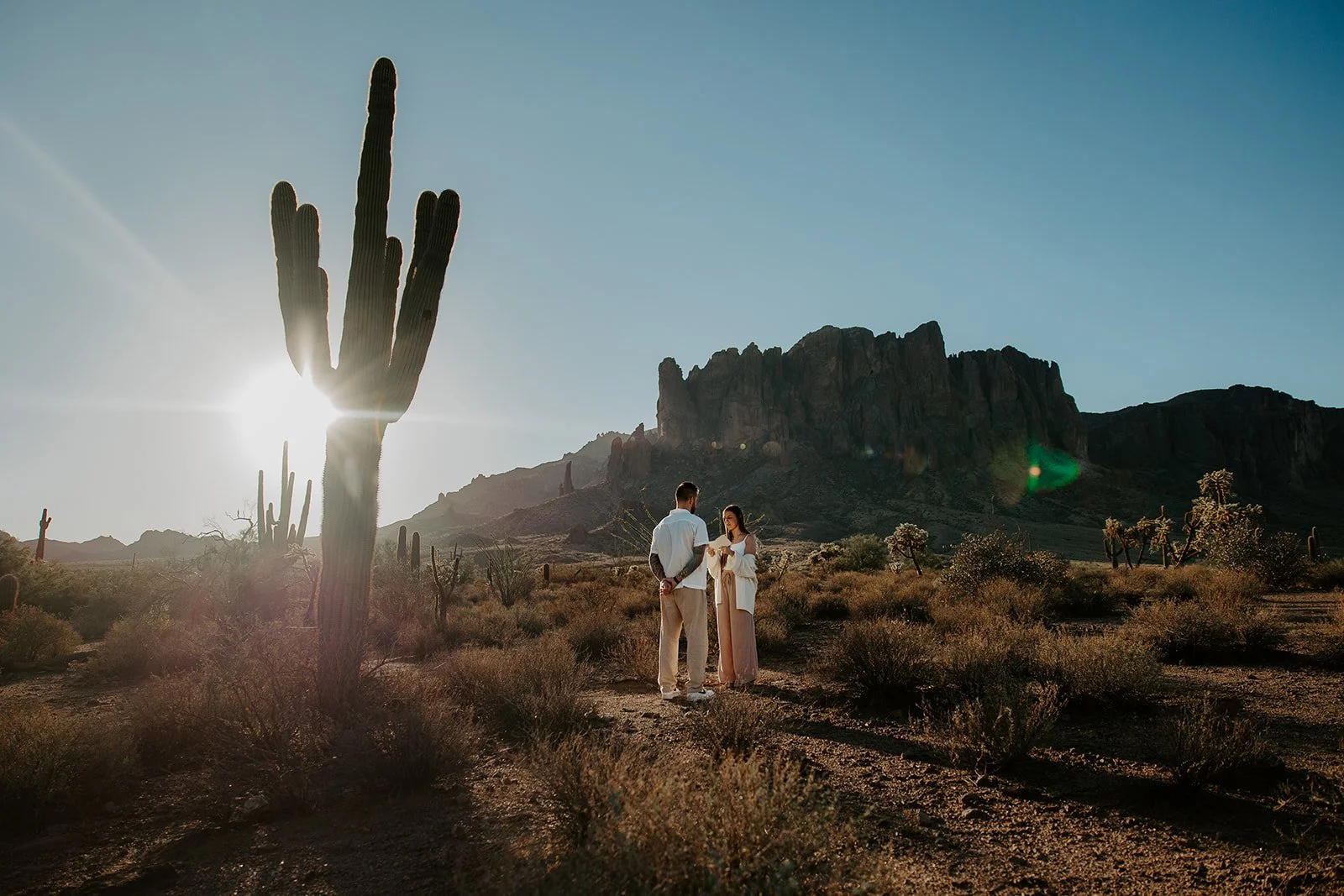
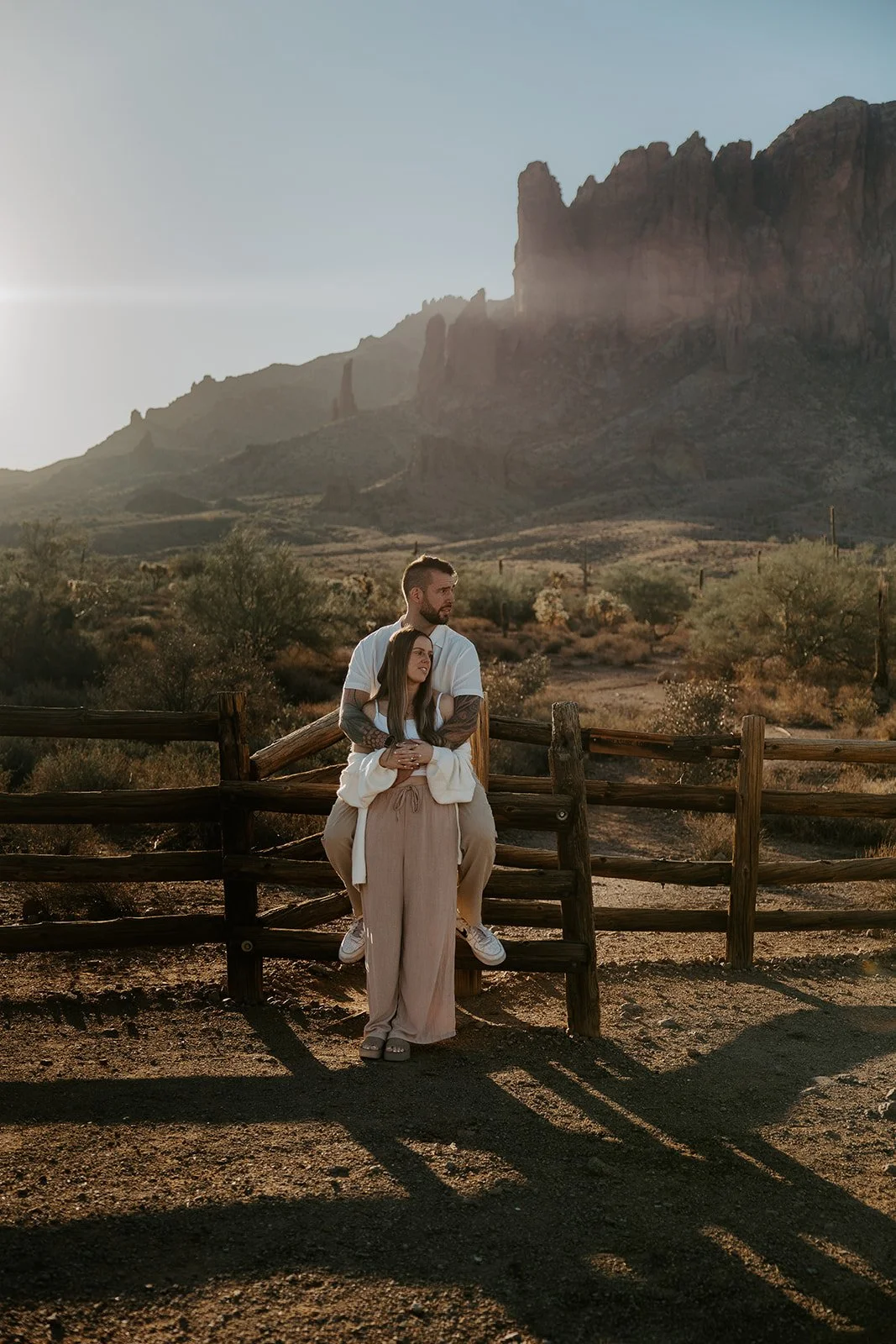
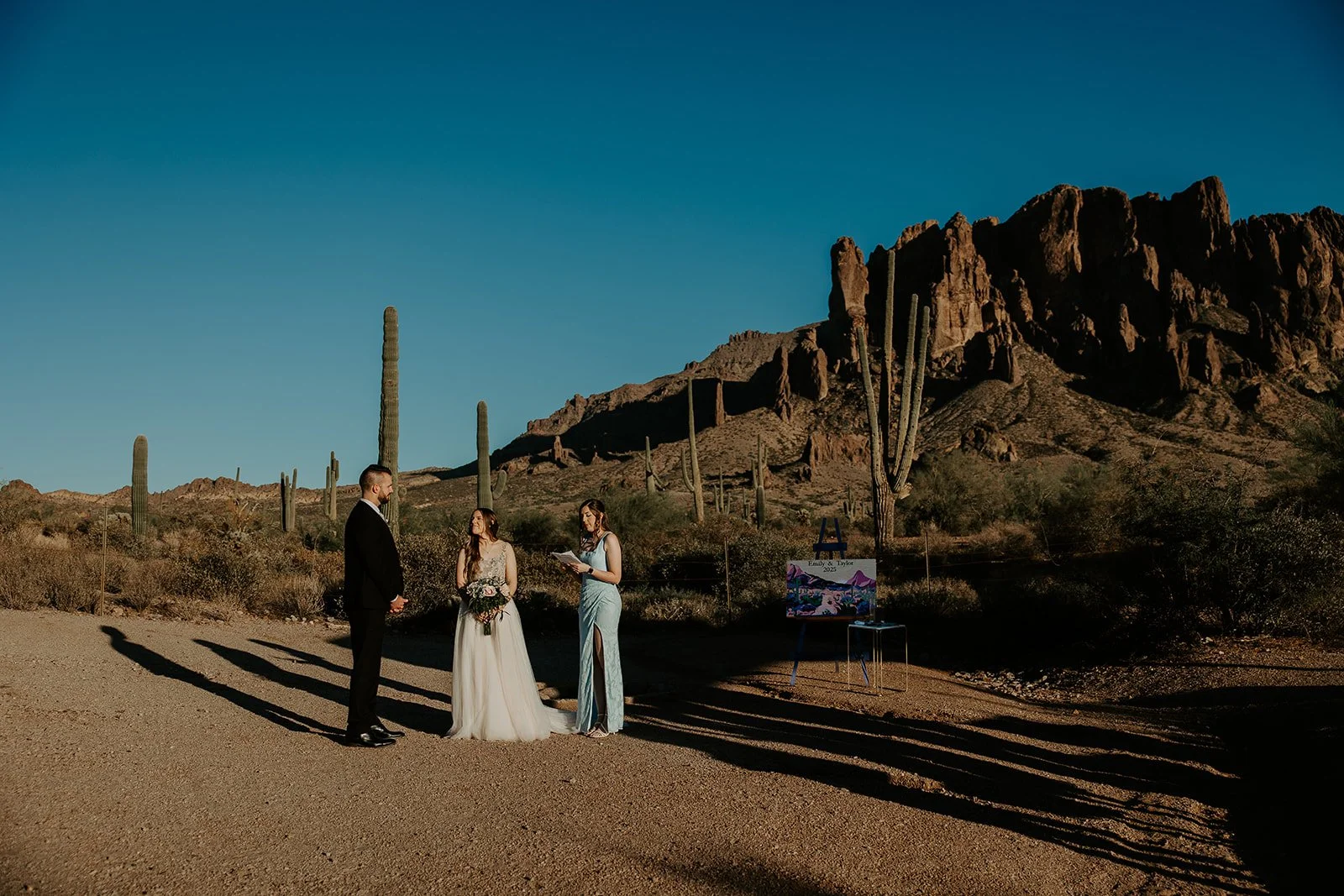
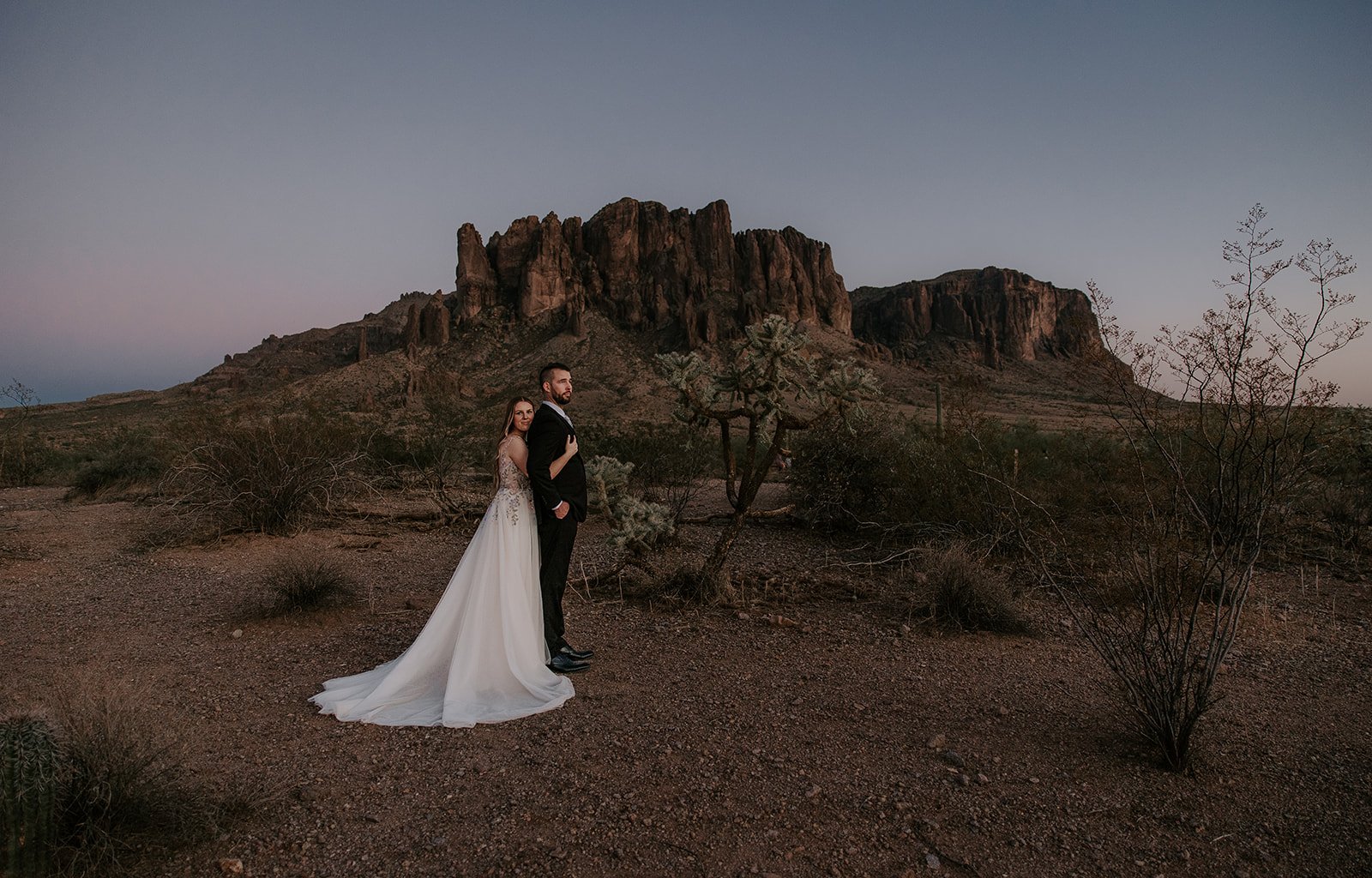
Set against the Superstition Mountains, Emily and Taylor chose a sunset ceremony at Lost Dutchman State Park with just a small group of loved ones.
Their Arizona state park wedding required a special use permit and a reserved ceremony location, but the process was straightforward. We planned around guest limits, confirmed their ceremony site in advance, and timed portraits for golden hour light over the desert landscape.
The result was a celebration that felt expansive and intimate at the same time — dramatic mountain views without the crowds of a national park.
See their full Lost Dutchman State Park elopement here →
Teagan + Eric — Moran State Park, Orcas Island, Washington

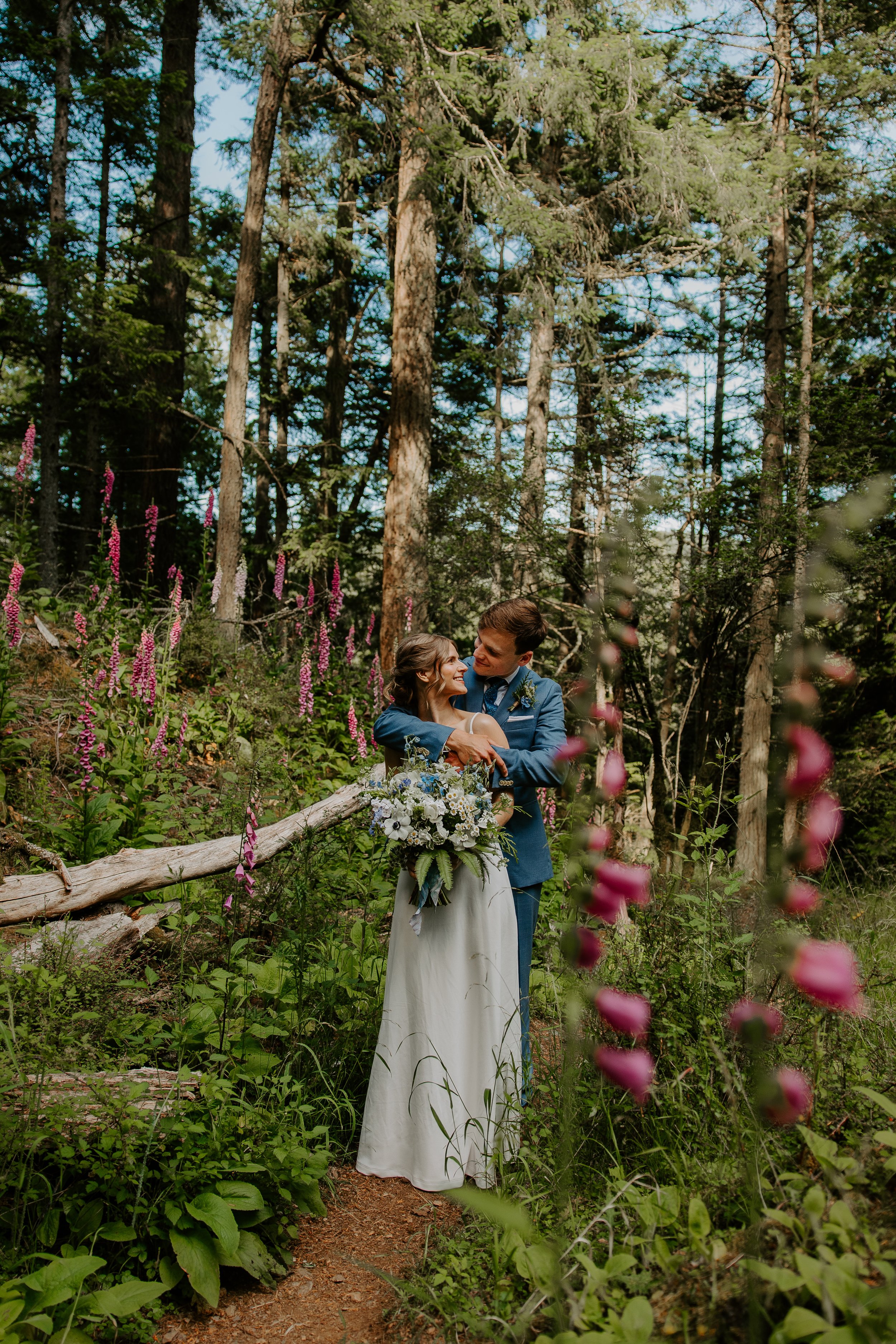
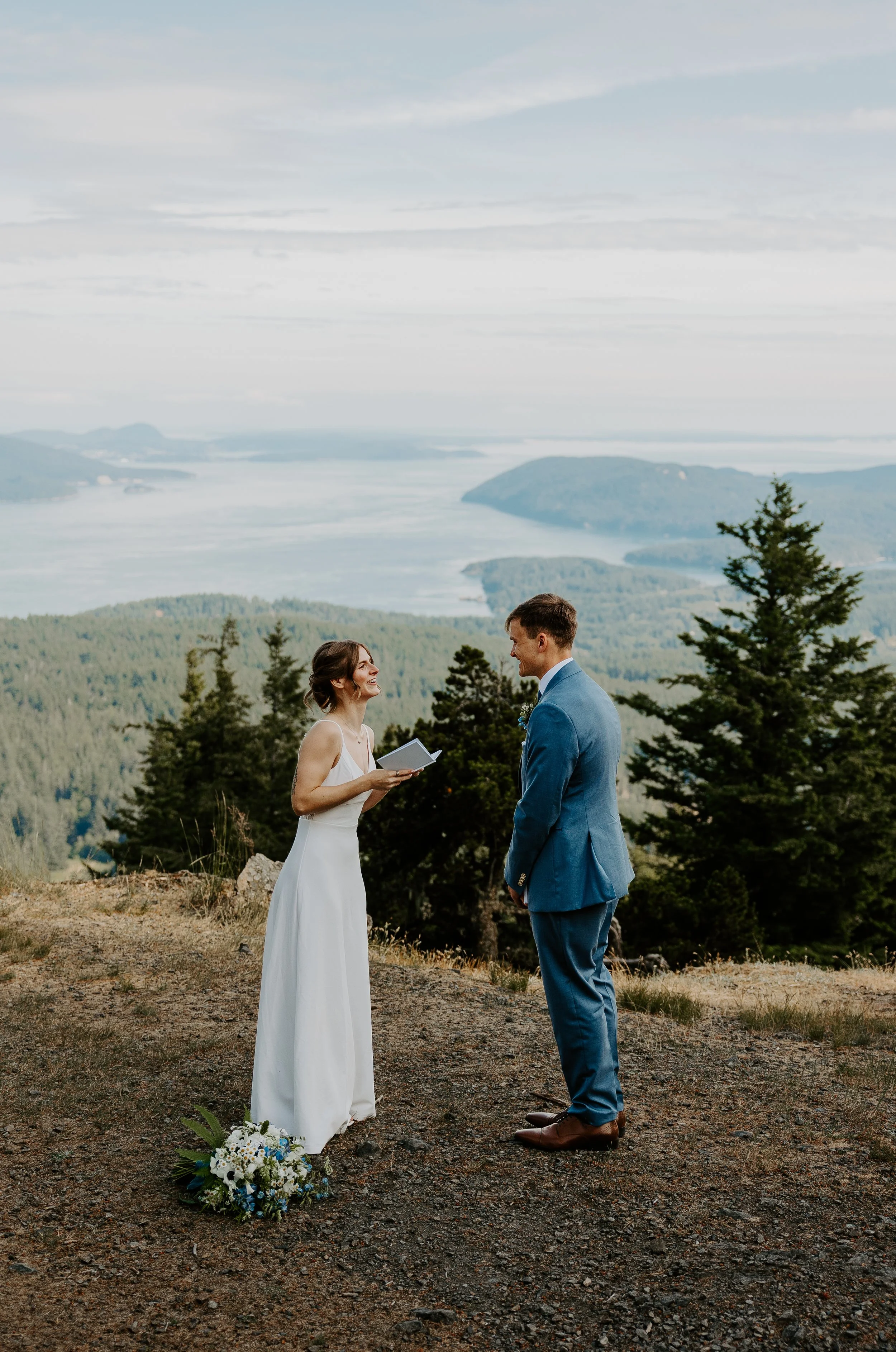
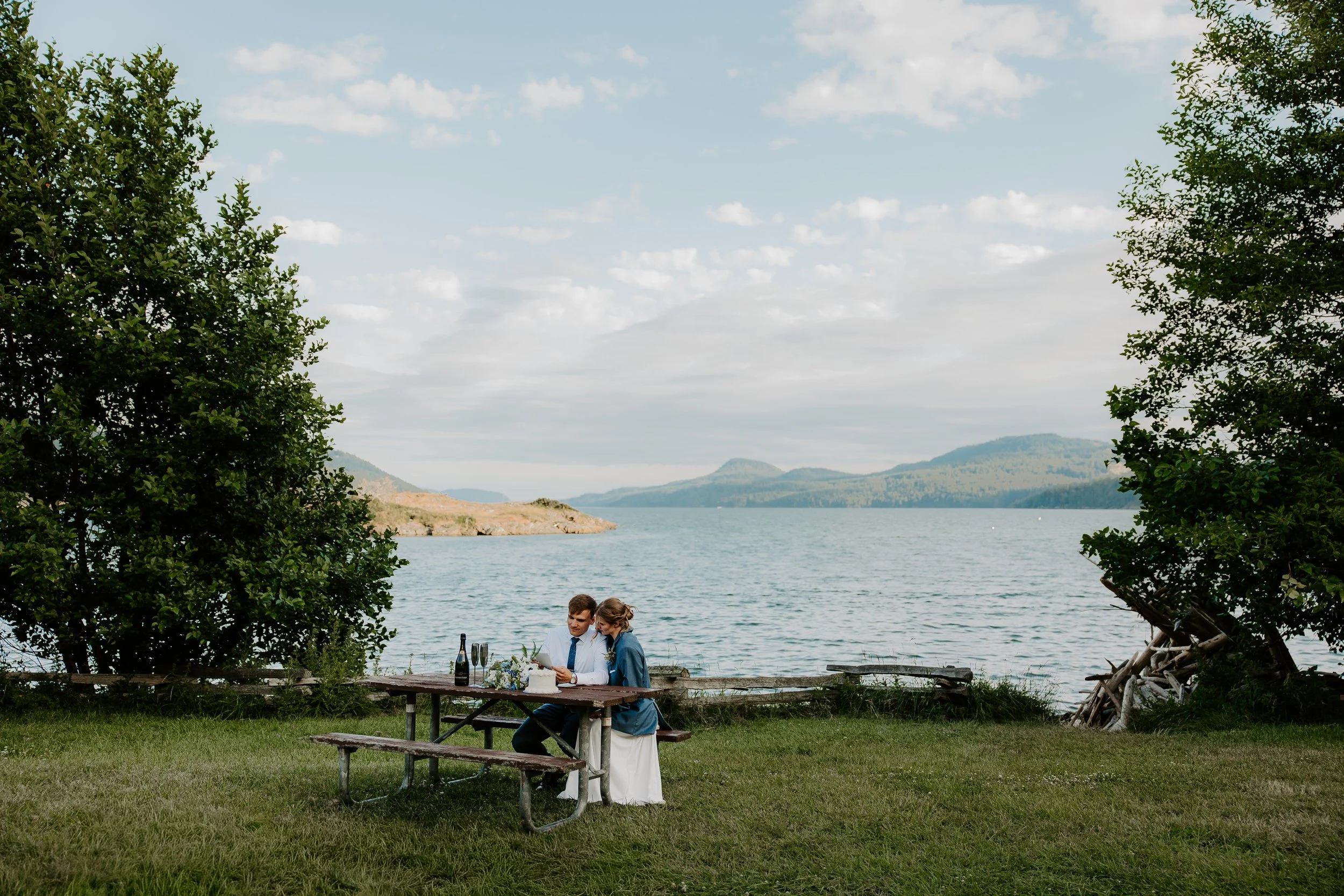
On Orcas Island, Teagan and Eric exchanged vows overlooking the water inside Moran State Park.
Washington state parks require a special events application, and we carefully selected a ceremony location that allowed for privacy while still honoring park guidelines. With just a handful of guests and a minimal setup, their ceremony felt peaceful and connected to the surrounding forest and coastline.
Afterward, we explored quiet trails for portraits — proof that a state park elopement can feel adventurous without being complicated.
View their Moran State Park elopement on Orcas Island →
Dovi + Dan — Prairie Creek Redwoods State Park, California


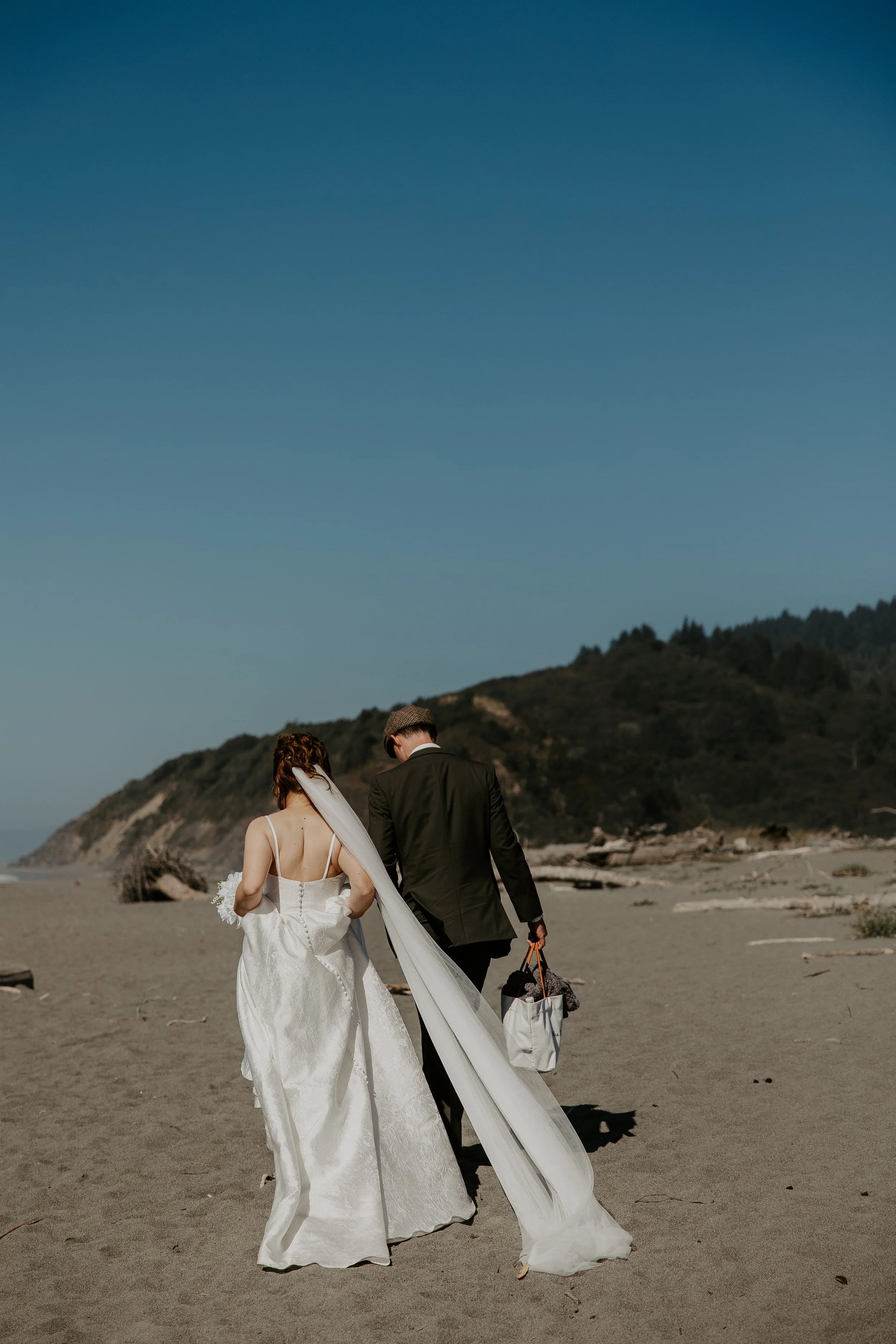
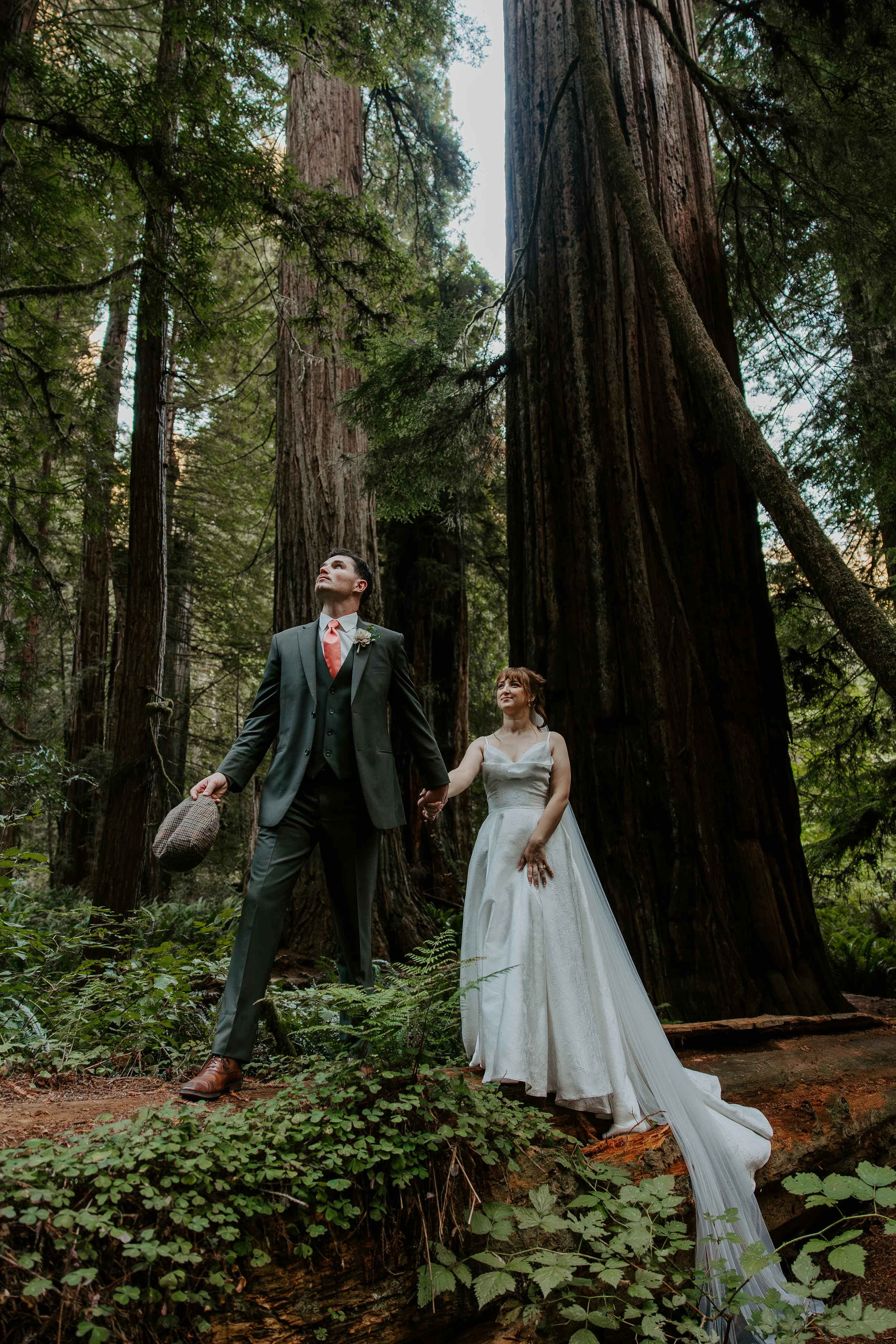
Towering redwoods created the backdrop for Dovi and Dan’s ceremony inside Prairie Creek Redwoods State Park.
California state parks often require permits for ceremonies with guests, and we structured their day around the park’s specific guidelines. By keeping their setup simple and guest count intimate, their elopement felt reverent and deeply personal among the trees.
Few places create scale and stillness like the redwoods — and state parks make that experience possible without the complexity of larger national park systems.
Explore their Prairie Creek Redwoods elopement here →
Planning a State Park Wedding of Your Own?
Every state park operates a little differently, but with the right preparation, the process can feel simple and grounded.
If you’d like guidance navigating permits, choosing a ceremony location, and designing a day that feels intentional from start to finish, you can explore what that support looks like here →
Can I Bring My Dog to My State Park Elopement?
In most cases, yes — you can bring your dog to a state park wedding, but leash laws and restricted areas apply. If you plan on including your pup in your elopement, choosing a location that matches your vision and is pet-friendly is a must. Even in dog-friendly places, some activities and tours may not allow pets (e.g., wine-tasting tours, hot springs, and ATV rides) so be sure to research pet-friendly attractions and activities near your elopement destination.
Another thing to consider is the general terrain and climate of the region you'll be eloping in. Think about it, you don't want your fur baby to be cold, shivering and miserable during your rainy Pacific Northwest elopement!
In case of bad weather, take extra care to make sure your pup is safe, comfortable, and well taken care of on your special day. (Pssst, if you’re curious to learn more, I created a dedicated guide to including your dog in your elopement here!).
How Do You Plan an Elopement in a State Park?
Planning a state park wedding isn’t just about securing a permit — it’s about understanding how park regulations shape your timeline, guest flow, and overall experience. For example, Emily and Taylor’s desert ceremony at Lost Dutchman State Park required careful timing to avoid peak park traffic.
Here are some loose guidelines to ensure your wedding day is a success:
1. Choose where you want to elope
Pro tip: Choosing the perfect state park as the backdrop for your wedding should reflect you and your partner's personalities and interests.
2. Decide what time of year and a date to elope
3. Hire your elopement photographer
Pro tip: Hire a photographer who has local knowledge of the area. Your photographer can assist you with elopement planning tasks including finding vendors and mapping out your elopement day timeline.
4. Book your elopement day vendors
Pro tip: Some common vendors my clients end up hiring for their elopement day include: officiant, florist, hair and makeup artist, private chef, private transportation, outdoor guide, etc.
5. Apply for your marriage license and necessary permits
Pro tip: This process is different for every state. Do your research on what you need to legally get married in your desired location.
7. Reserve travel and accommodations
Pro tip: Depending on the time of year you plan to get married, hotel or Airbnb accommodations can book up early during the high season. I recommend booking a few months ahead to get the best deals on travel and lodging.
8. Purchase your elopement day necessities
Pro tip: Like your wedding dress, suit, rings, vows, and adventure gear. If you need help in this area, I gotcha covered. Check out my elopement styling guide here.
9. Map out a timeline for your elopement day with your photographer
Pro tip: Create your elopement day timeline based on how you want your day to go. Your elopement photographer can help you craft a timeline filled with fun activities and opportunities to create beautiful memories.
10. Create a packing list for your amazing adventure! (more below)

How Much Time Should We Plan for Elopement Photos?
It's the million-dollar question! If you decide to elope and hold an intimate ceremony for your special day, the last thing you want is to rush the occasion. Nevertheless, many couples still underestimate how much time they need for their elopement photos.
At the very least, I recommend a minimum 4-hour session for couples who want a simple, low-key ceremony while still getting beautiful photo and video coverage of their special day. For more adventurous elopements or if you plan to include guests on the big day, I'd suggest creating an 8-12 hour elopement day timeline so your photographer has enough time to capture all the details of your love story.
What’s Better: A Sunrise or Sunset Elopement?
For state park weddings, sunrise often offers more privacy, especially in high-traffic parks. Although, eloping at sunrise or sunset has its own unique advantages. Your choice will depend on location, time of year, and the desired atmosphere for your elopement. I've outlined the biggest selling points of each below so you can decide what aligns with your elopement day vision!
Benefits of a sunrise elopement:
Better lighting in an alpine location
More privacy and a secluded experience
Better weather window
A great way to start your day
Benefits of a sunset elopement:
Better lighting at golden hour
You can sleep in for longer
Enjoy a meditative hike down with your partner
A wonderful way to cap off your day
Want a deeper look at how sunrise and sunset compare? Read my full guide on choosing the best time of day for your elopement →
How Do I Find the Best Ceremony Location Within the Park?
When there are so many beautiful state parks to choose from, it can be difficult to pick just one. Many state parks have designated ceremony locations, while others allow ceremonies in general public areas with a permit. Understanding this difference is critical when planning your state park wedding timeline. Take the time to brainstorm landscapes that inspire you or parks with sentimental value to you and your partner. You should also consider how far you're willing to travel or hike to reach your destination. My favorite part of planning elopements is helping couples choose a stunning location that offers privacy – state parks are perfect for both!
How Do We Plan for the Weather?
Because state parks don’t provide indoor backup options like traditional venues, weather planning is especially important. As you prepare for a state park wedding, remember that mother nature doesn't always operate on your timetable. Being flexible is key. You may have to deal with rain, wind, snow, or other unexpected weather conditions on your big day. For many of my elopements in fickle locations, I create a Plan A timeline and a Plan B timeline for when things don't go as planned, weather included. Everyone will know what to expect regardless of what nature throws at you on your wedding day!
What to Bring with You for Your Elopement
State park weddings often take place in natural, minimally developed areas, so preparation matters. If your elopement location involves hiking and exploring, you'll want to pack everything you need for your big day beyond your dress, vows, and rings. To help you out, I've put together a packing list of items you should bring on your adventure elopement.
Wedding dress
Wedding dress accessories (e.g., veil, jewelry, flowers)
Suit
Dress shoes/hiking boots
Rain jacket
Puffy
Makeup and compact mirror
Backpack
Bug spray
Snacks
Bubbly
Rings
Special use permit
Park pass/reservation
Marriage license
Vows
Pen
Deodorant
Tissues
Popular State Parks for Eloping (and Starting Permit Fees)
If you’re researching state parks that allow weddings, here are a few well-known options across different regions of the U.S., along with their starting permit fees.
Keep in mind that policies, guest limits, and fees change regularly — always confirm details directly with the park before making final plans.
Lost Dutchman State Park – Arizona
Starting permit fees: Around $280
Desert mountain views near Phoenix with reservable ceremony areas. Special use permits are required for weddings and elopements with guests.
More information on weddings and special use permits →
Redwood State Park – California
Permit fees: Typically $250–$300, depending on the ceremony location within the park system.
Ceremonies in California state parks require a special event permit, and fees vary based on the specific redwood location, guest count, and site access. Some areas have designated ceremony spots, while others have additional logistical considerations.
More information on weddings and permits →
Golden Gate Canyon State Park – Colorado
Permit fees: Vary by activity and guest count
Multiple ceremony sites available with reservation requirements. Photography permits may be separate from wedding permits.
More information on weddings and permits →
Deception Pass State Park — Washington
Permit fee: Around $45 (additional fees based on group size)
Special events require an application and approval. Popular coastal and forest ceremony areas available.
More information on weddings and permits →
Oswald West State Park – Oregon
Permit requirements: Not required for very small, no-setup ceremonies
Larger ceremonies or setups may require coordination with park officials.
More information on weddings and permits →
If you’re feeling overwhelmed comparing park policies and permit requirements, you don’t have to navigate it alone. Start the conversation to learn how I can support your state park elopement.

FAQs About State Park Weddings
-
Yes, you can legally get married in a state park. You’ll need a valid marriage license from the state you’re in and, in most cases, a special use permit from the park for your ceremony.
-
Most state parks require a wedding or special event permit for ceremonies, especially if you have guests, décor, or vendors. Very small, no-setup elopements may not require a permit in some parks — but you should always confirm directly.
-
It’s best to apply at least 2–6 months in advance, depending on the park. Popular parks and peak seasons may require earlier applications to secure your preferred date and ceremony location.
-
Guest limits vary by park and ceremony location. Some parks allow 10–20 guests for small elopements, while others have designated ceremony sites that accommodate larger groups with a permit.
-
In many cases, yes. State park wedding permit fees are often lower than national park fees, and state parks may offer more flexibility with ceremony setups and guest sizes.
-
Many state parks allow dogs, but leash laws and restricted areas apply. Always check park pet policies before planning your ceremony location.
Ready to Plan Your State Park Wedding?
Planning a state park wedding or elopement comes with a unique mix of flexibility and responsibility. While the permit process is often straightforward, choosing the right location, understanding park guidelines, and building a timeline that feels calm and intentional can make all the difference.
State parks offer some of the most beautiful and accessible landscapes in the country — from desert mountains to coastal forests to towering redwoods — without the complexity of larger national park systems.
If you’re feeling drawn to the idea of exchanging vows in a state park but aren’t sure where to begin, you don’t have to navigate it alone.
I guide couples through:
Park research and location strategy
Permit coordination and logistics
Timeline design
Backup planning for weather and park regulations
Creating a day that feels grounded and deeply personal
If you’re ready to explore what a state park elopement could look like for you, you can begin be starting the conversation through the contact form below. ↓


More Resources


Elopement Galleries
Bethany Wolf
Guided Public-Lands Elopement Photographer
✔ permits & logistics handled
✔ timeline design
✔ location guidance
✔ travel included nationwide
Eloping in Washington D.C. is legal, straightforward, and requires no waiting period or witnesses — making it one of the more accessible cities on the East Coast for couples who want to keep things simple.