

How to Elope in Hawaiʻi – Locations, Permits, & Hawaiʻi Elopement Packages
Hawai‘i is a living homeland with a culture that’s still very much alive. If you’re excited by the idea of traveling slowly, supporting local communities, and following cultural guidance, this guide to eloping in Hawai’i is perfect for you.

Why Elope in Hawaiʻi?
Known for its turquoise water, dramatic cliffs, volcanic landscapes, and year-round warm weather, couples are drawn to Hawaiʻi for many reasons, including:
Simple Marriage Process
Hawai‘i’s marriage laws are among the easiest in the country. You can apply online, pick up your license upon arrival, and get married the same day with no waiting period, no residency requirement, and no witnesses required.
No Passport Required
For U.S. citizens, Hawai‘i offers the full tropical experience with 360-degree ocean views, lava rock, and rainforests, without international travel, customs, or the need for a pricey passport that takes months to receive.
Abundant Beach Access
Hawai‘i’s beaches are public, which means couples can find legal and scenic ceremony locations easily with no loss of ocean views.
What is Hawaiʻi Known For?
Volcanoes and Paradise
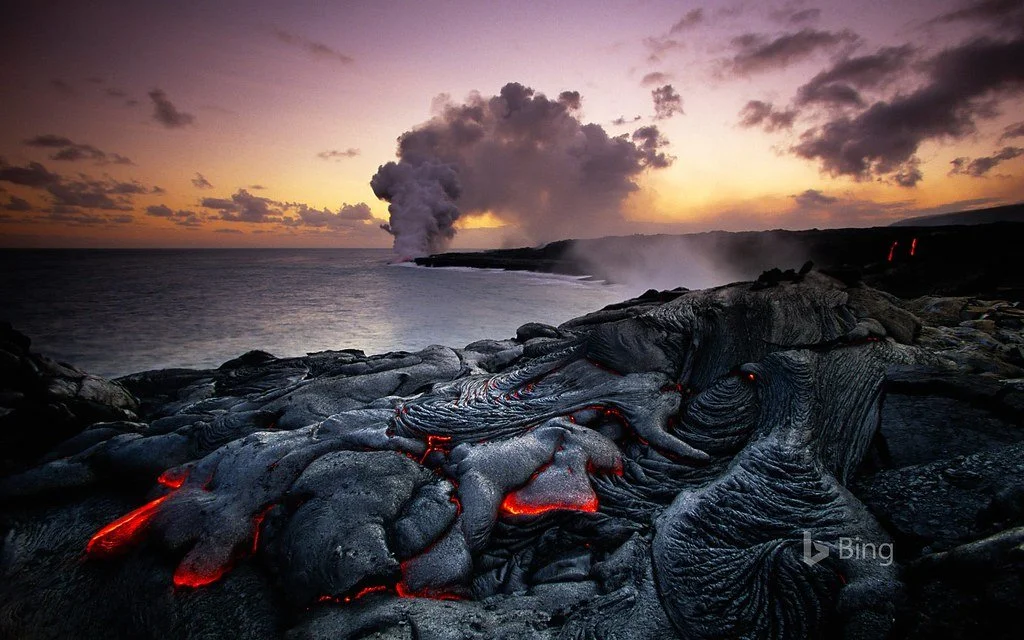
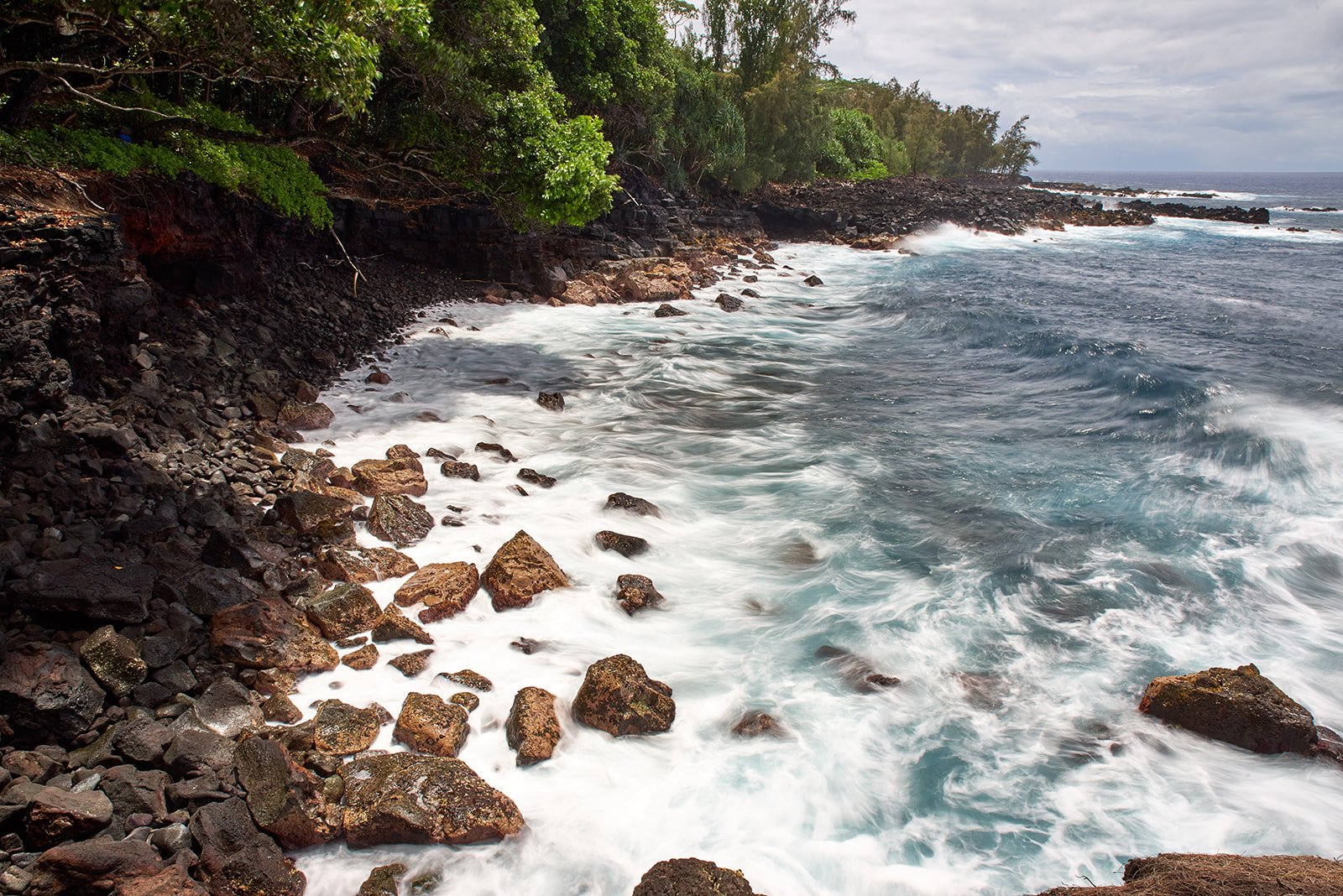
Hawai‘i is the only state made entirely of volcanic islands, which has led it to become a paradise in the middle of the ocean. Black-sand beaches, lava tubes, rainforests, vibrant tropical plants, and more, all within a short drive.
Rich Native Hawaiian Culture
At the heart of Hawai‘i is its culture, language, traditions, and values like aloha (love, compassion), malama ‘āina (care for the land), and pono (balance, righteousness). Hawai’i is a living culture that deeply respects community, environmental care, and relationships.
Unique Marine Life
Hawai‘i has some of the best snorkeling and wildlife viewing in the U.S. Sea turtles, spinner dolphins, humpback whales in winter, and coral reefs couples can reach right from the beach.
What Animals Are Unique to Hawaiʻi?
Hawai‘i is home to some of the most unique wildlife on Earth, much of it found nowhere else. You might spot humpback whales, green sea turtles, the scarlet ‘i‘iwi birds, or the rare Hawaiian monk seal, one of the world’s most endangered marine mammals. As full-time outdoorsmen, we will always do our best to spot and point out wildlife for our couples.
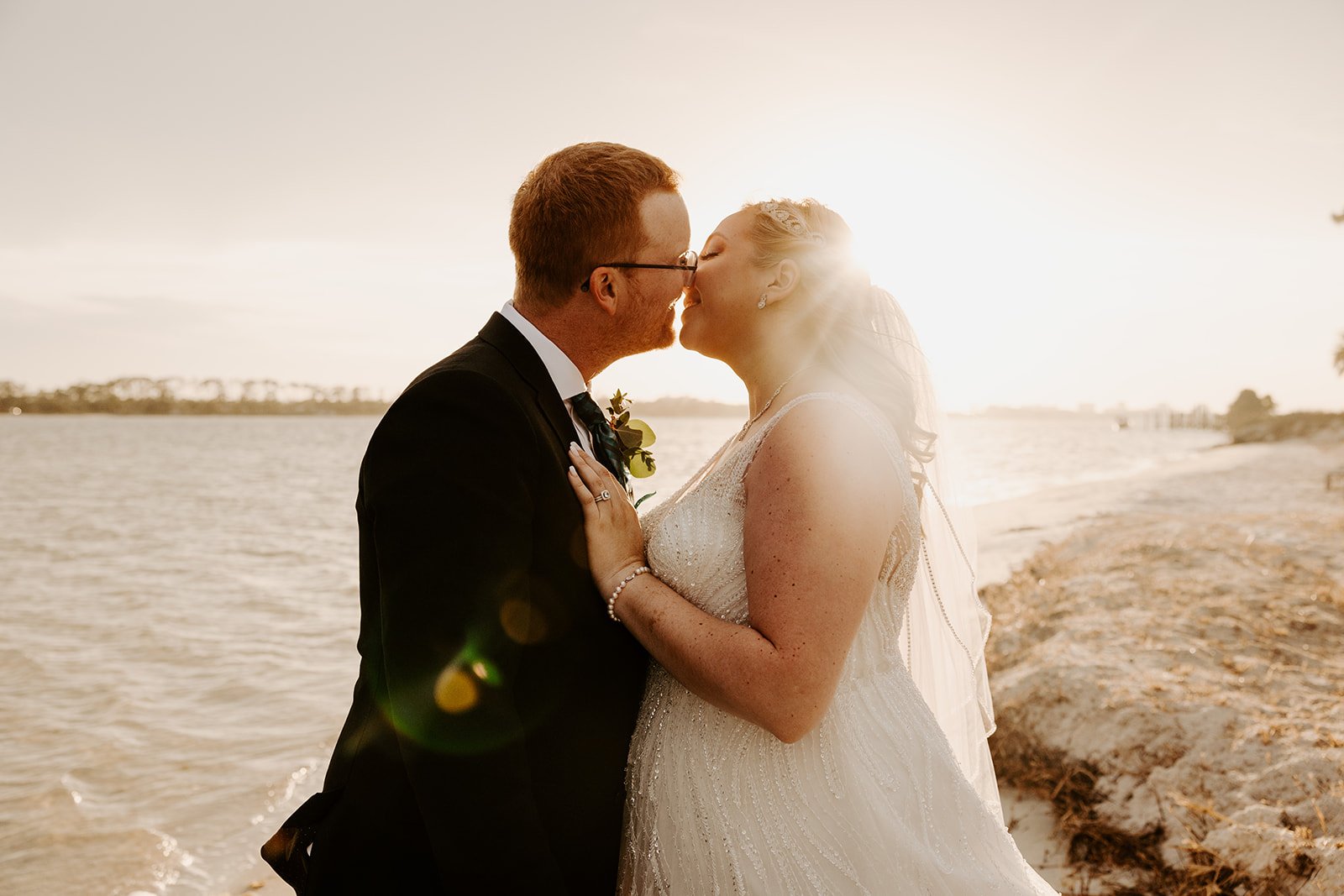
Is It Okay to Elope in Hawaiʻi?
Hawai‘i is one of the most beautiful places on Earth, but it’s also one of the most over-visited. Eloping here means recognizing that Hawaii has a living, historical culture and a community that’s heavily impacted by tourism. For couples who want to elope here, it’s important that they do it for the right reasons and with the right expectations–and if they don’t want to, that’s a-okay because there are other places with the same paradise vibe of Hawai’i without the responsibility.
What It Means to Elope in Hawaiʻi
Eloping in Hawaii as a tourist requires a higher level of awareness, restraint, and respect for the land and the people who live there. Often times, couples travel here with a deep established admiration for Hawaiian culture and a passion that makes adhering to their standards less of a restriction and more of a way to pay their thanks outside of purchasing local, etc. Couples should expect to act as reverent guests, even on their wedding day. This means avoiding sacred sites or unapproved trails, and keeping ceremonies small and unobtrusive.
Should We Choose Hawaiʻi?
Eloping in Hawai‘i is possible, but it’s not the right fit for every couple. Because the islands experience heavy tourism and have a living Native culture, choosing Hawai‘i means being intentional about how you show up and the impact you leave. Here are the kinds of couples Hawai’i welcomes:
Couples who understand their presence has an impact and want to minimize harm.
Couples who research Hawaiian history, culture, and sacred sites before traveling.
Couples who are passionate about Hawaiian history, culture, and community living.
Couples who are willing to choose locally owned vendors, food spots, and lodging.
Couples who are willing to follow rules at all costs and seriously practice leave-no-trace.
Couples who are willing to keep their ceremony simple, small, and low-impact.
Couples who are willing to adapt plans based on cultural guidance or environmental need.
What a Respectful Hawaiʻi Elopement Looks Like
A typical ethical Hawai‘i elopement is usually really simple. Couples stay in quaint local inns, hotels, and other locally owned housing, work with local vendors, and adhere to permit rules, leave-no-trace practices, and leave spots and people generally better than they found them.
Hawaii Elopement Requirements at a Glance
Planning to elope in Hawaii? Here are the key legal requirements couples should know before their wedding day.
How to Elope in Hawaiʻi
Learn about commitment ceremonies!
Obtain a Marriage License:
To get legally married in Hawai‘i, you’ll need to apply for a marriage license through the Hawai‘i Department of Health. The process is quite simple and requires filling out an online form, then picking it up in person. The license costs about $65, has no waiting period, witness, or residency requirement, and is valid for 30 days anywhere in the state.
Find an Officiant:
Your officiant, known in Hawai‘i as a “marriage performer,” must be registered with the State of Hawai‘i. Religious leaders, judges, and ordained individuals can apply for authorization online if they’re not already approved.
Obtain Permits
Most beach ceremonies require a Wiki Permit from the Department of Land and Natural Resources (DLNR). It’s an easy online process that typically costs $20–$40, depending on the space you use, plus a Certificate of Insurance naming the State of Hawai‘i as additionally insured. Ceremonies in national parks require a Special Use Permit, which costs around $150 and should be submitted a few weeks in advance.
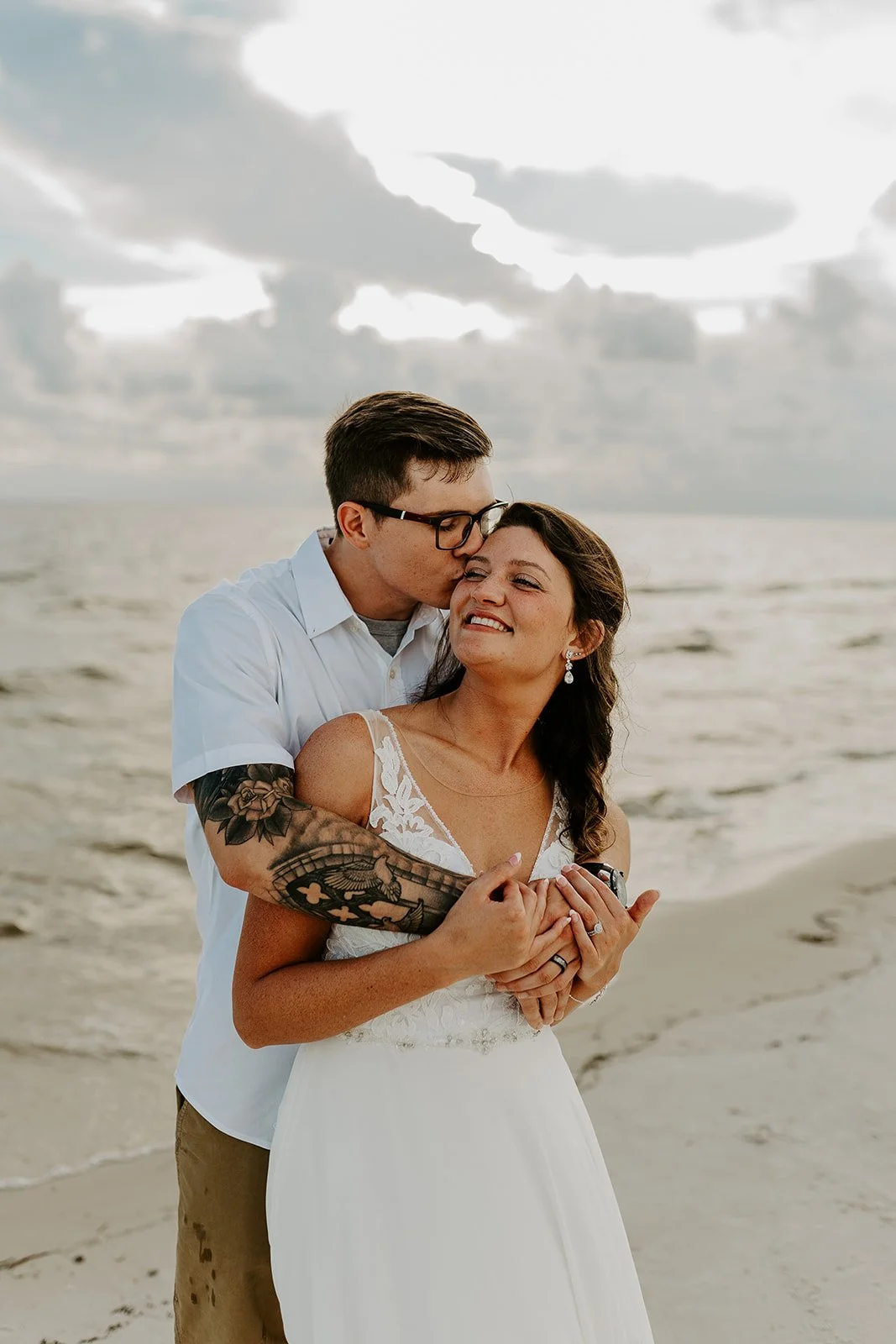
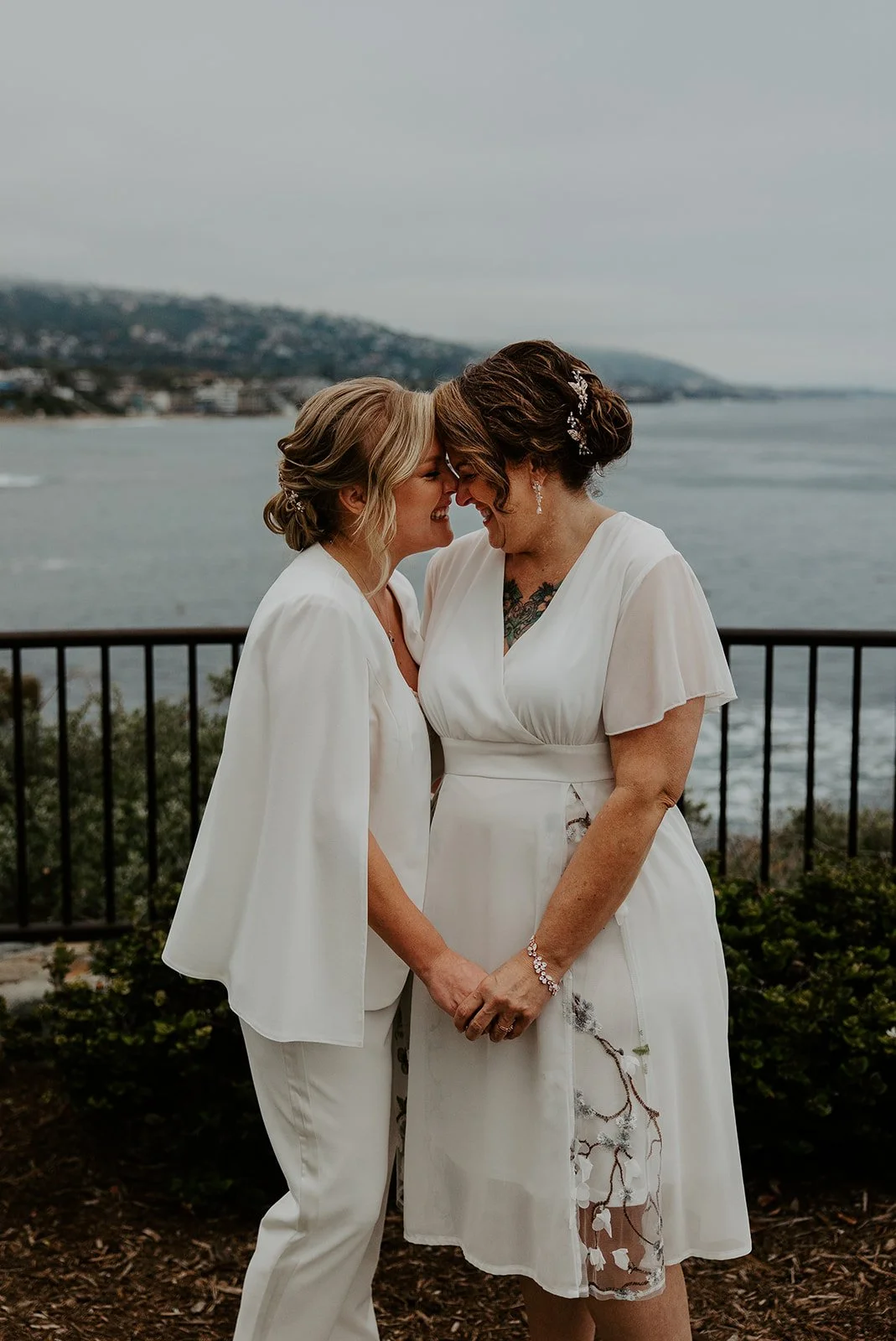
When is the Best Time to Elope in Hawaiʻi?
Please click each photo to view the applicable credited sources.
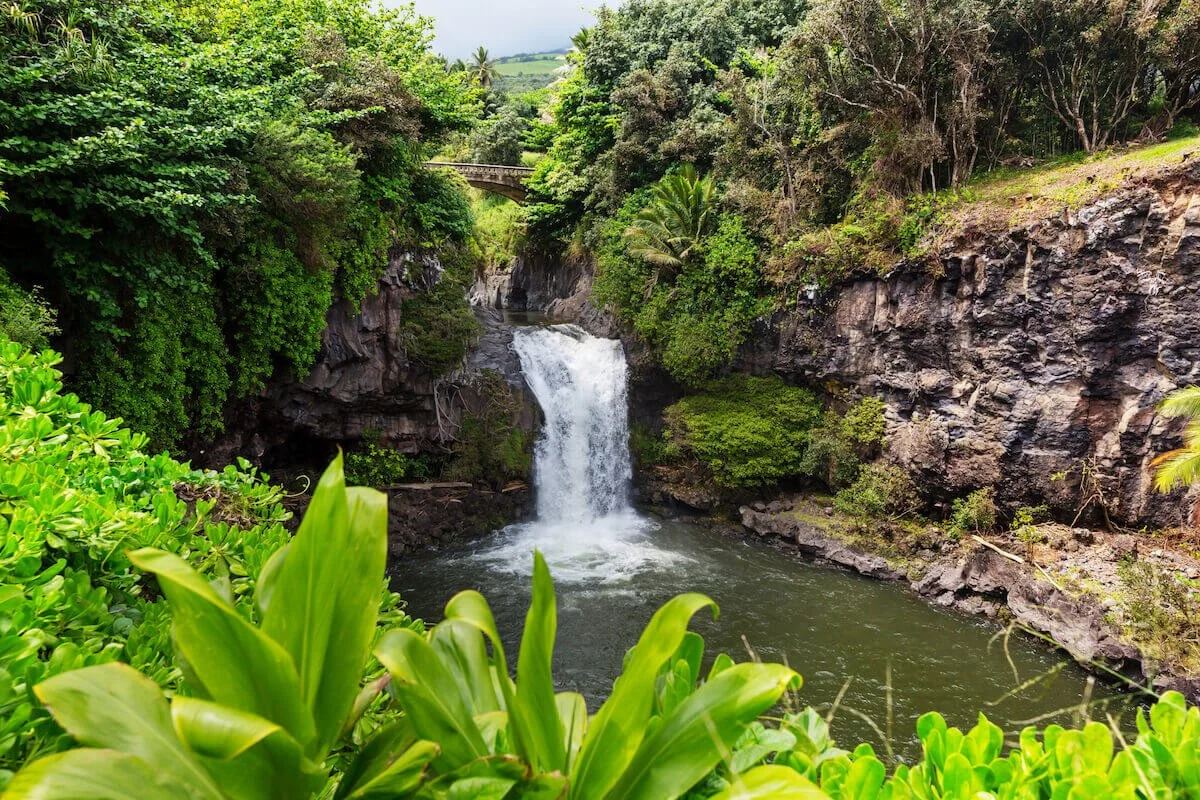
Spring (March to May)
Warm, breezy days with light rain that keeps everything lush and green. Waterfalls are strong, flowers are blooming, and it’s one of the most comfortable times to be outdoors.
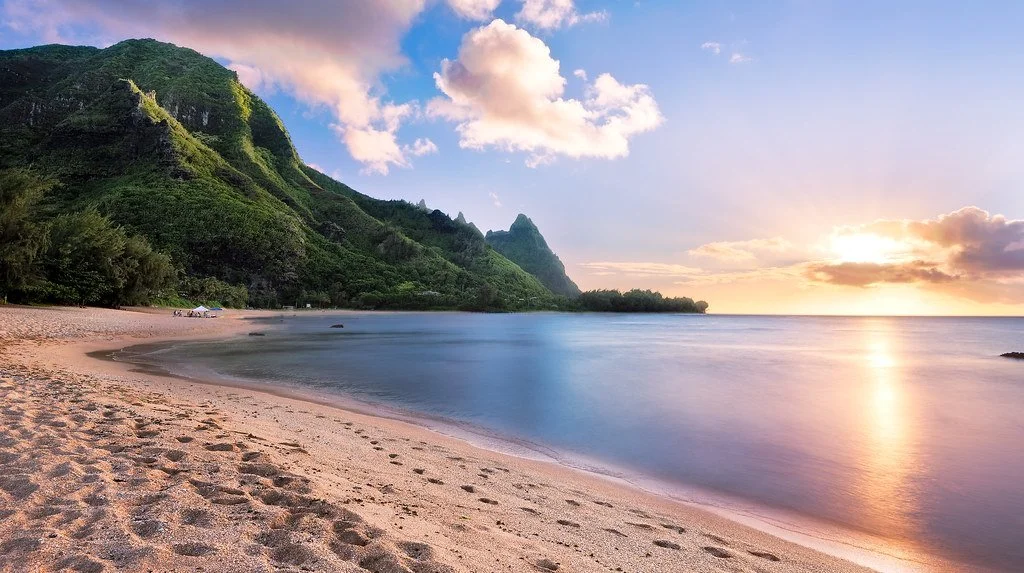
Summer (June to August)
Hotter temperatures, calm ocean conditions, and clear skies make it great for beach or oceanfront ceremonies. It’s also peak travel season, so plan for crowds and higher accommodation prices.
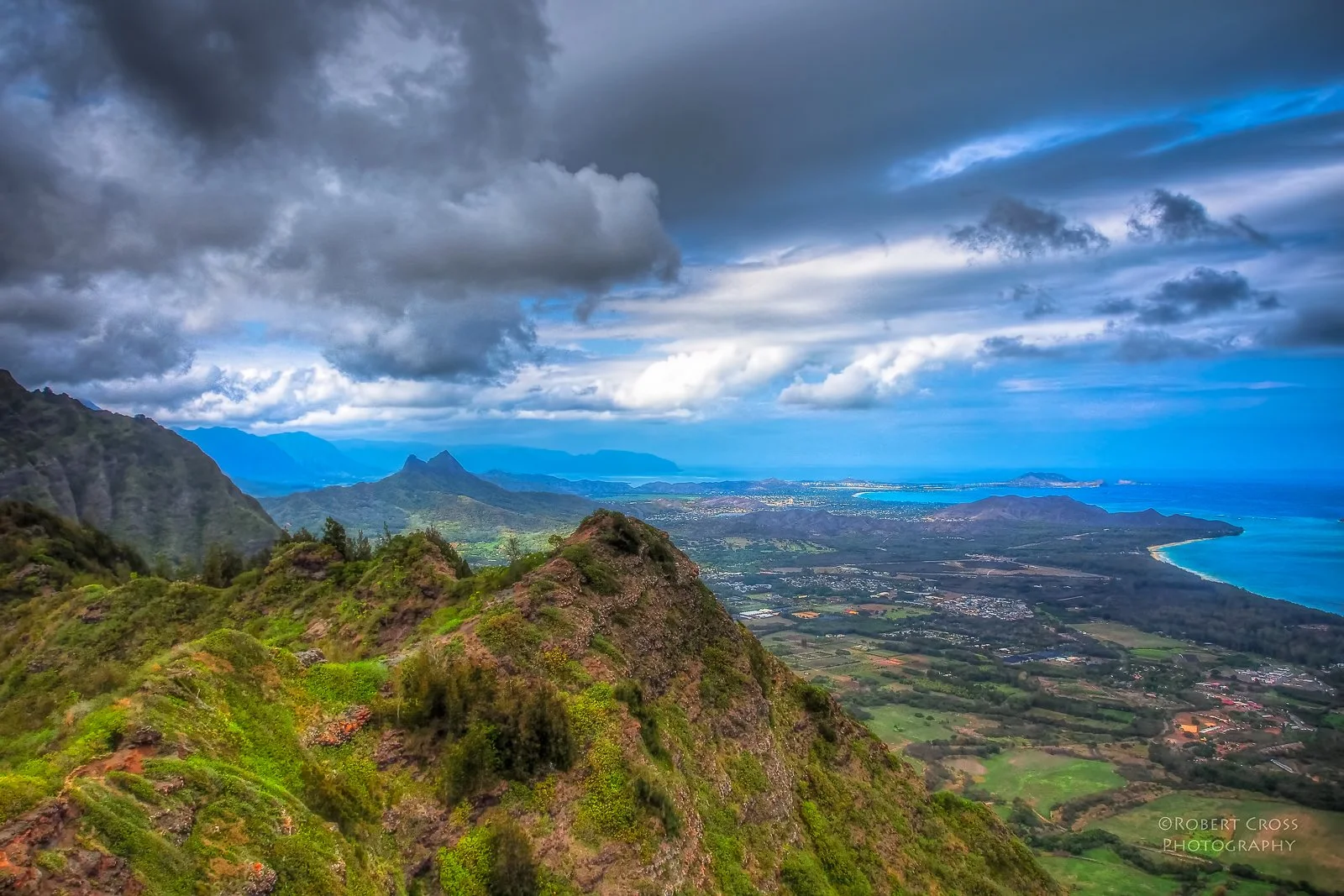
Fall (September to November)
Still warm with fewer tourists and slightly lower humidity. The ocean is usually calm, making it one of the best times for snorkeling, boating, and other water experiences.
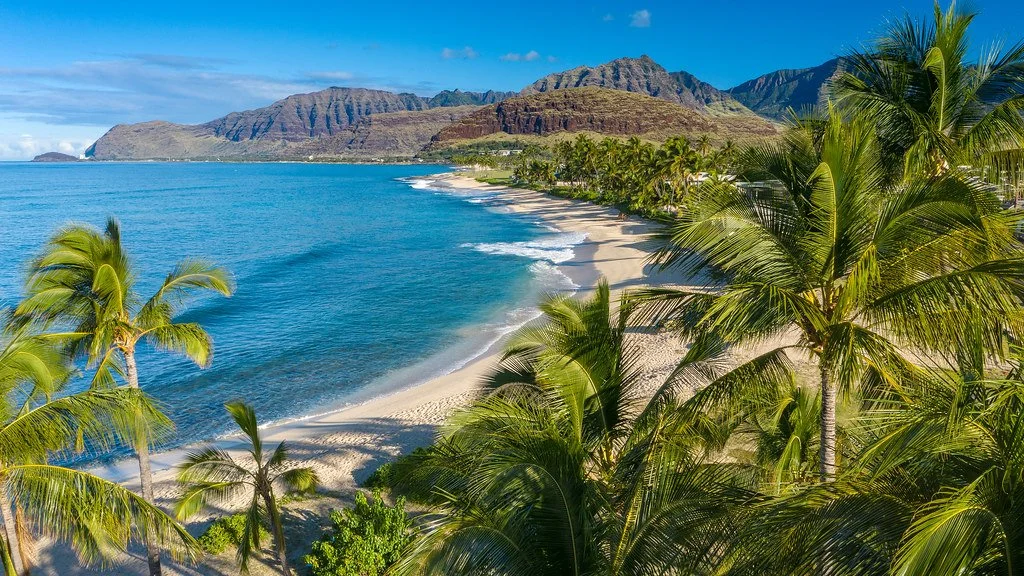
Winter (December to February)
Cooler but still mild, with more rain on the eastern sides and big surf on the north shores. Whale season also peaks during this time.
Hurricane Season (June–November):
Hawai‘i’s hurricane season has the highest risk in late summer. Direct hits are rare, but tropical storms can still bring heavy rain, strong winds, and unsafe ocean conditions. Couples should watch weather alerts during travel, avoid coastal lookouts during high-wind advisories, and be prepared for sudden beach or trail closures. Use this official resource.
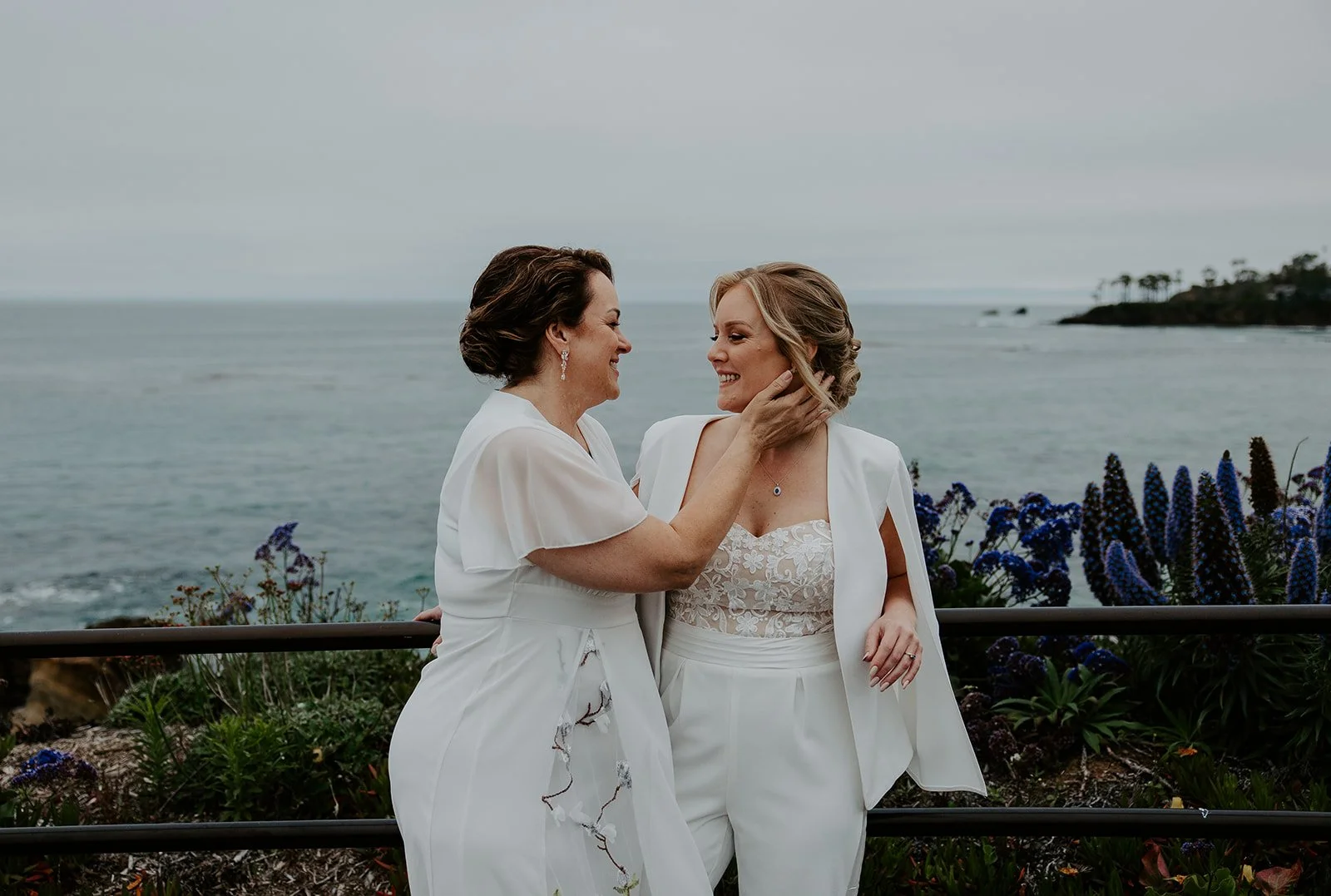
Where to Elope in Hawaiʻi
Read about whether you should elope in a State or a National Park!
National Parks
-
Hawai‘i Volcanoes National Park
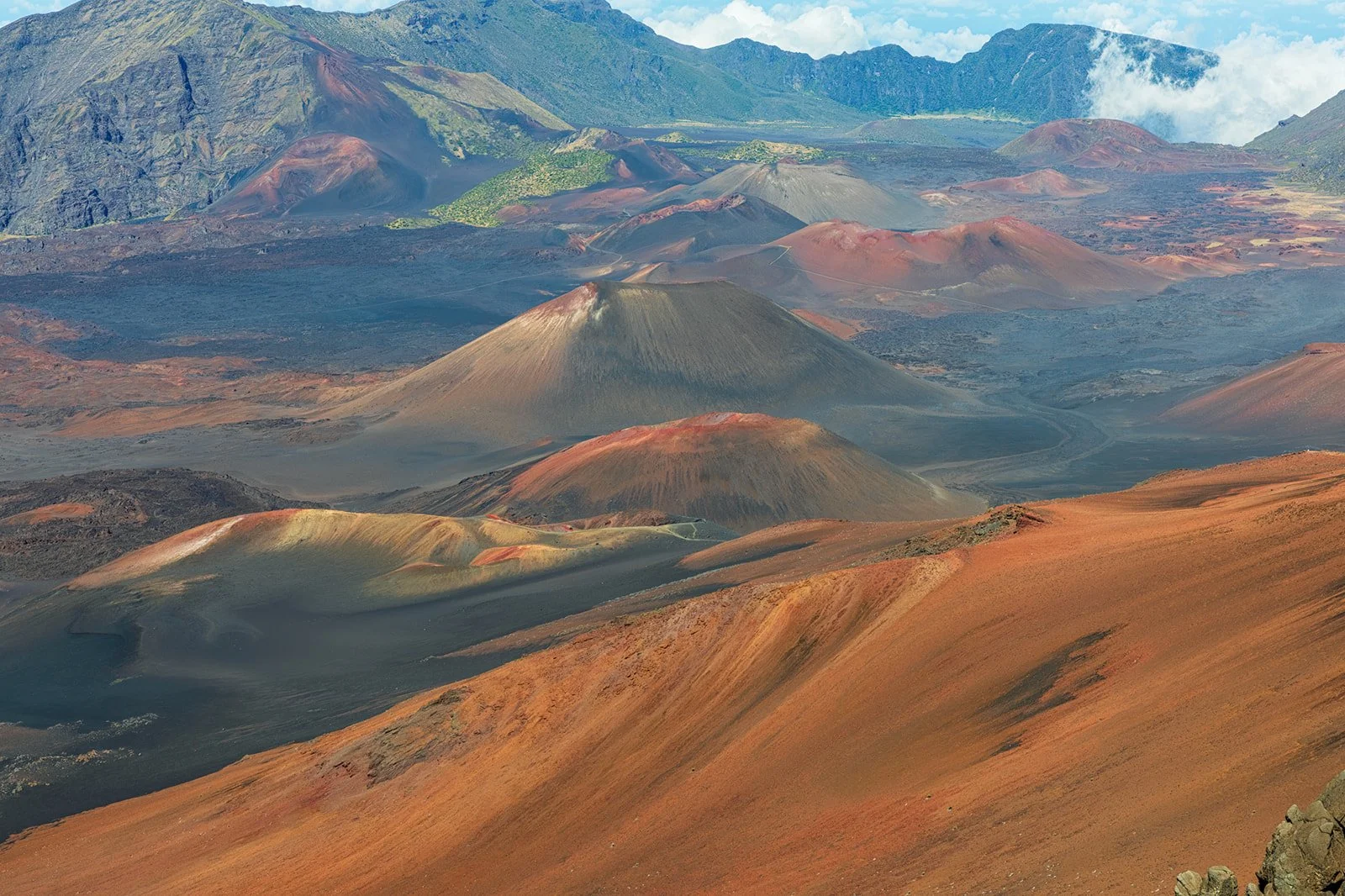
Haleakalā National Park
Kaloko-Honokōhau National Historical Park
Pearl Harbor National Memorial
Ala Kahakai National Historic Trail
Honouliuli National Historic Site
World War II Valor in the Pacific National Monument (Pearl Harbor overlap)
State Parks
-
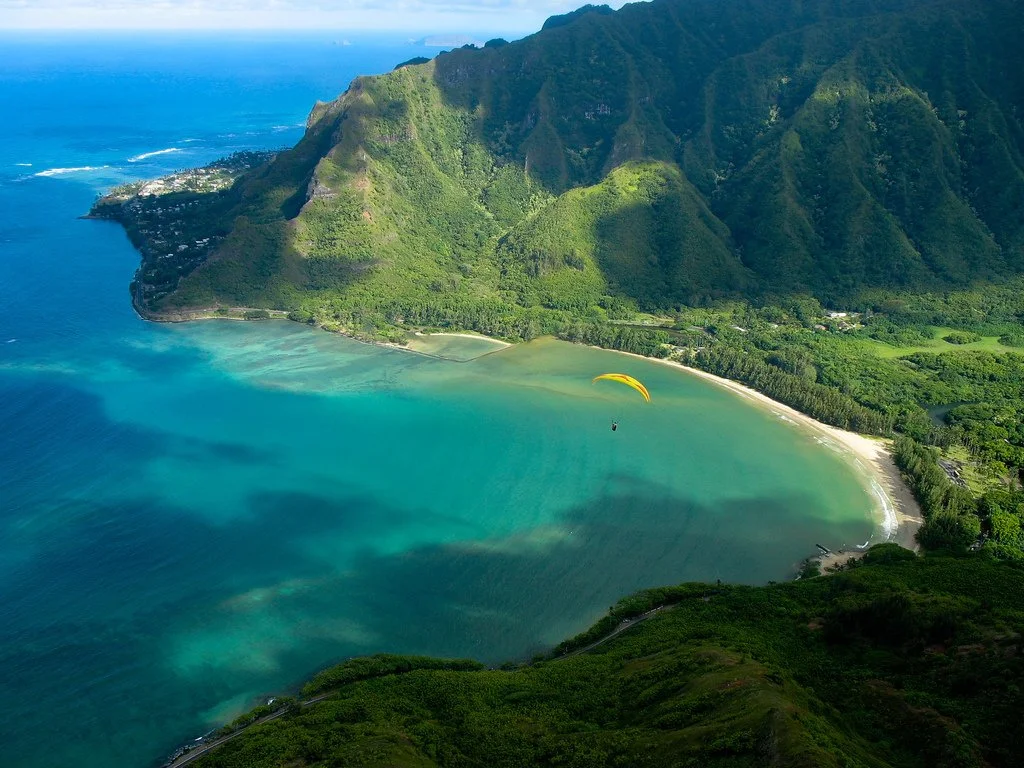
Ahupuaʻa ʻO Kahana State Park
Aiea Bay State Recreation Area
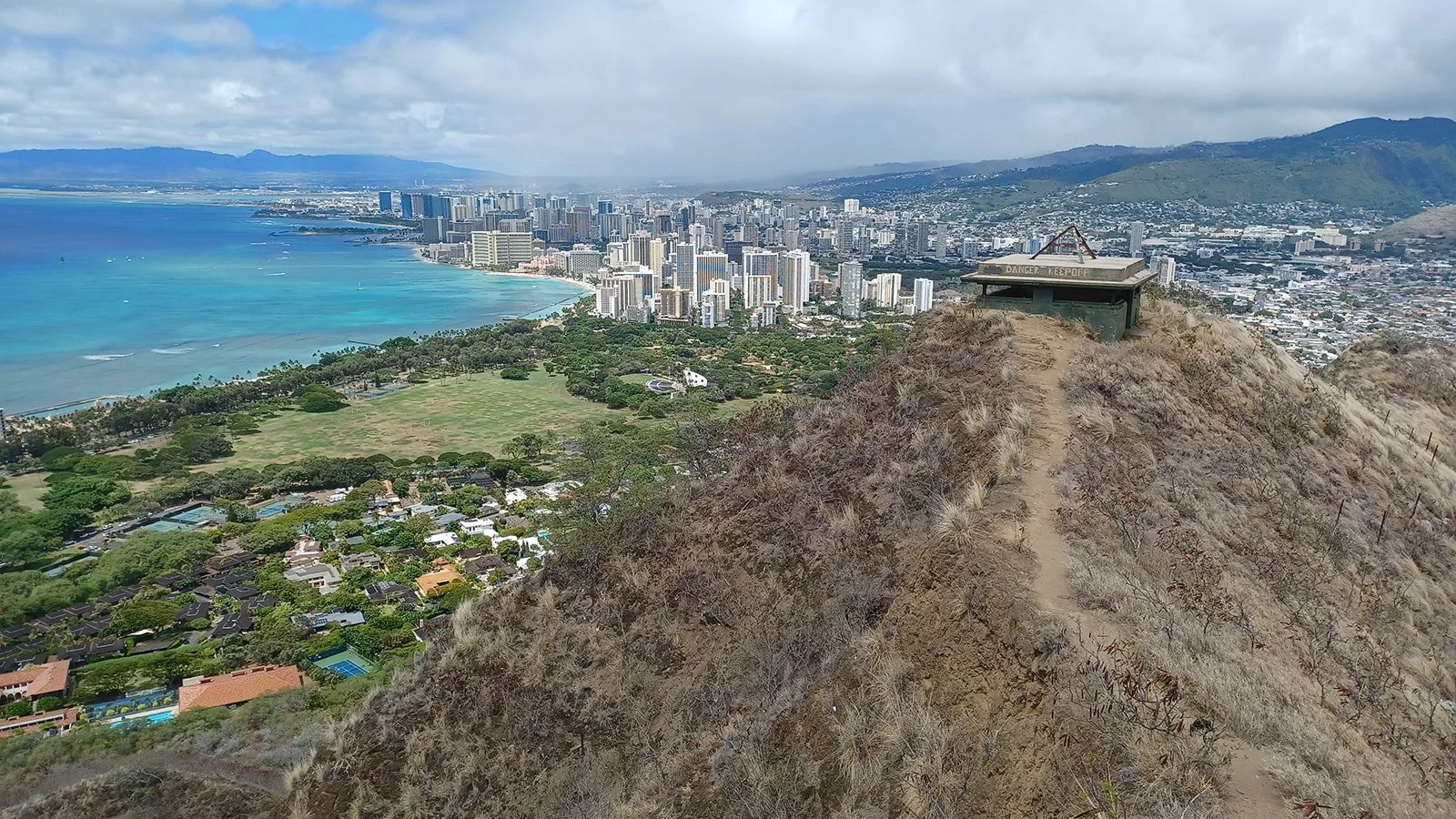
Diamond Head (Lēʻahi) State Monument
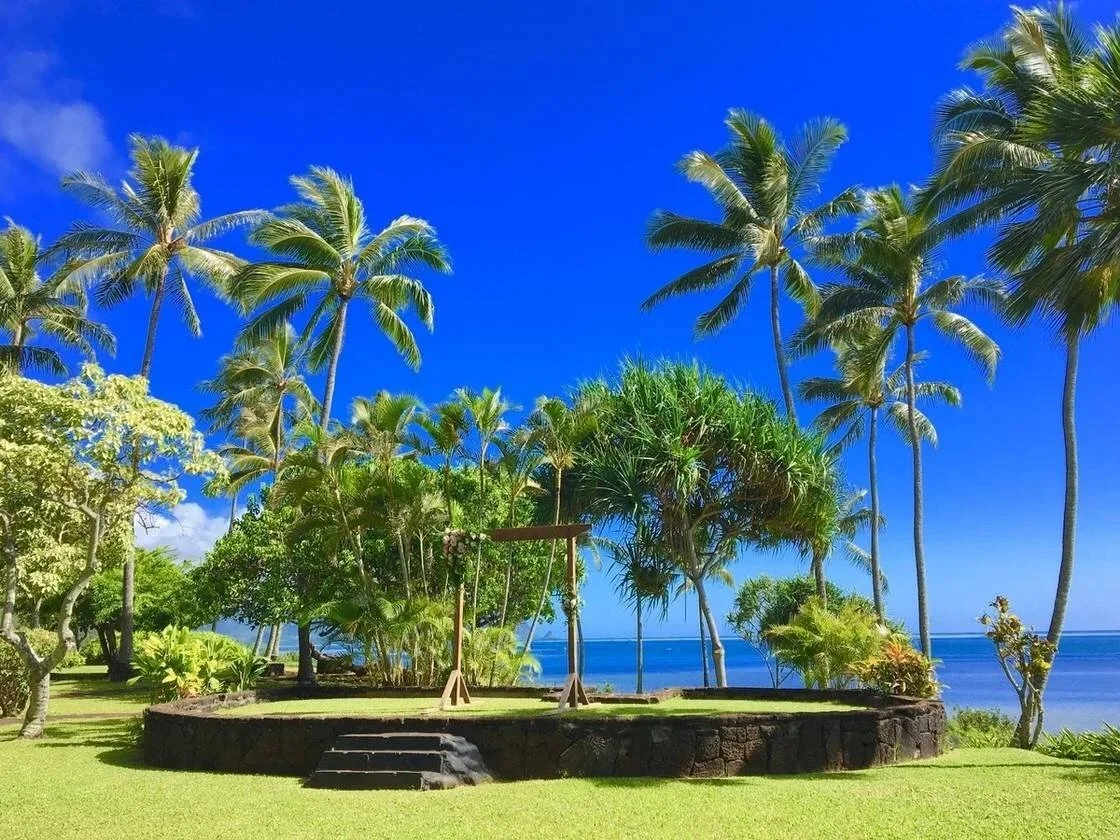
Heʻeia State Park
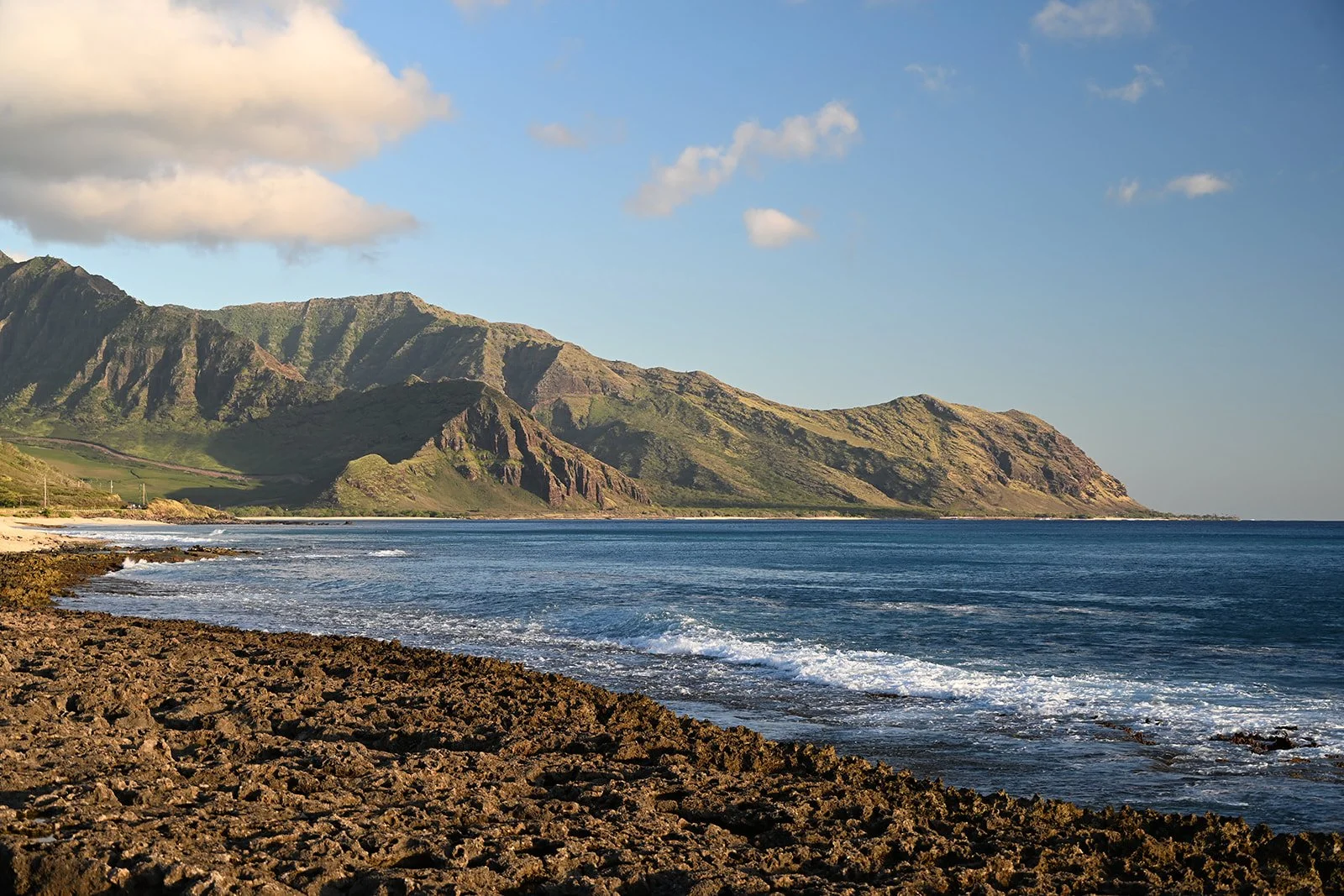
Kaiwi State Scenic Shoreline
Kaʻena Point State Park
Kakaʻako Waterfront Park
Kahana Valley State Park
Keaīwa Heiau State Recreation Area (ceremonies are not allowed near the structure)
Mālaekahana State Recreation Area
Nuʻuanu Pali State Wayside
Puʻu ʻUalakaʻa State Wayside
Sand Island State Recreation Area
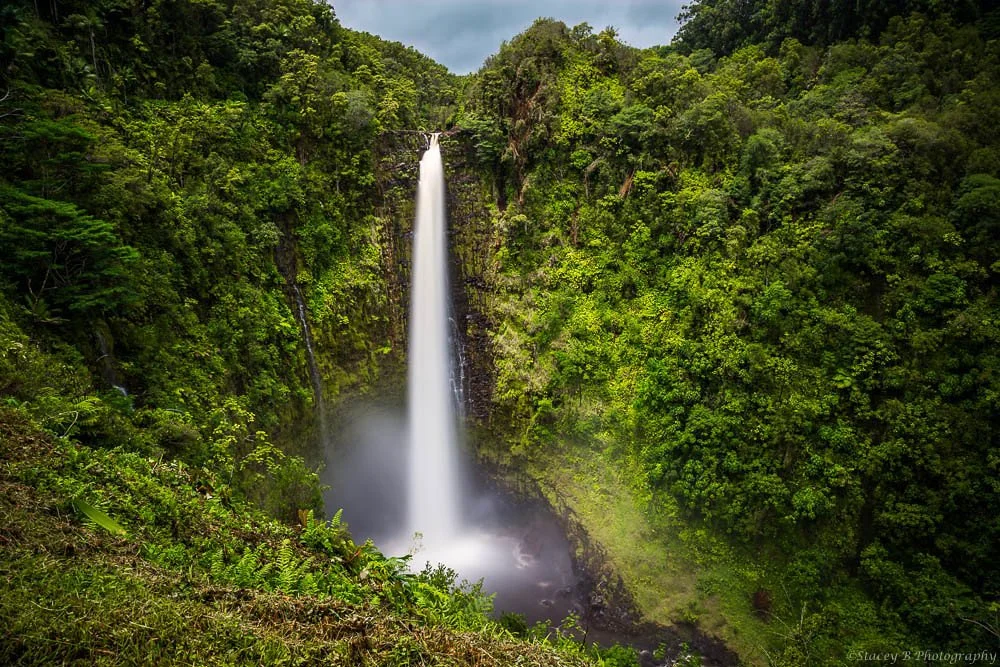
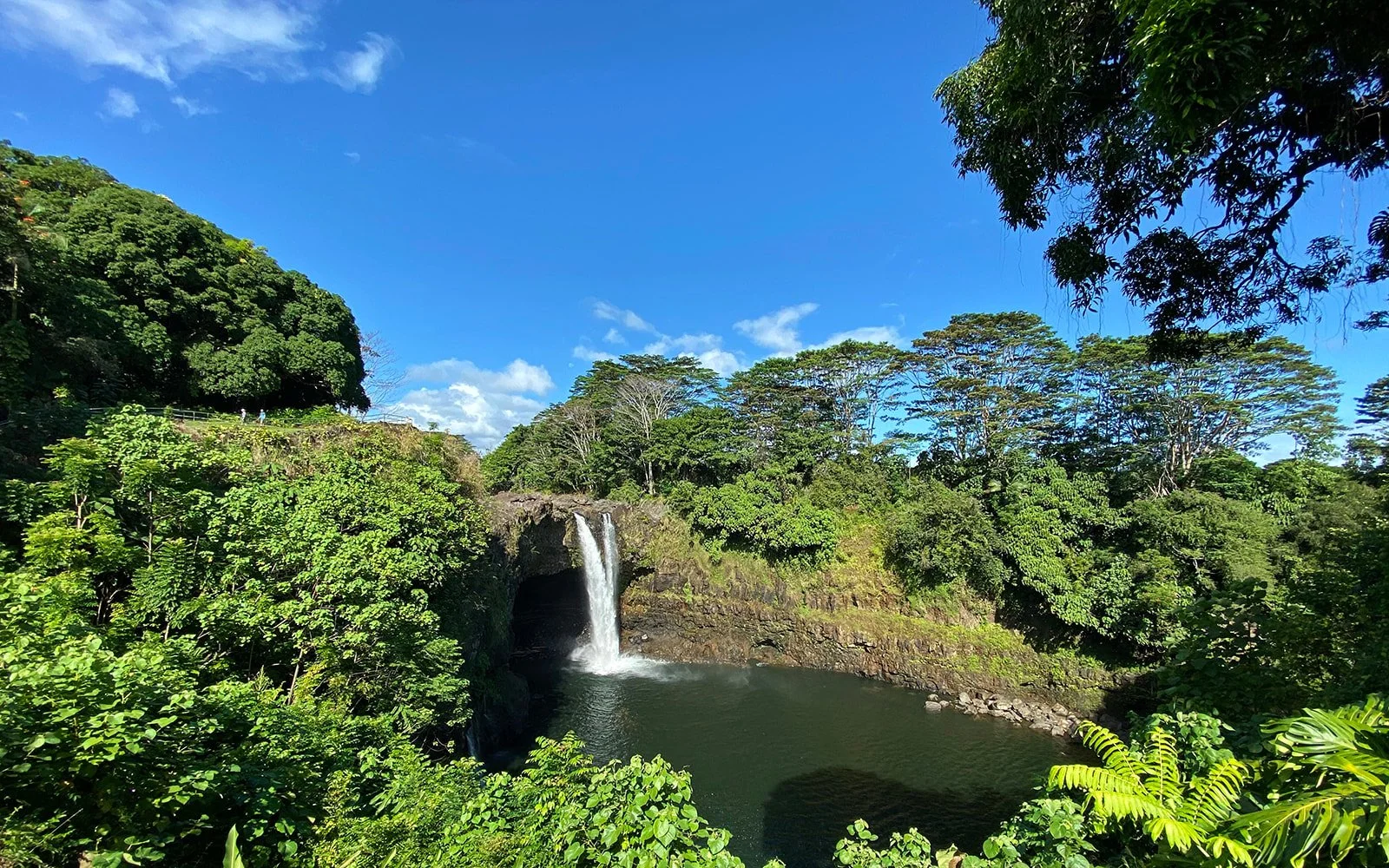
Akaka Falls State Park
Hapuna Beach State Recreation Area
Huliheʻe Palace State Monument
Kalōpā State Recreation Area
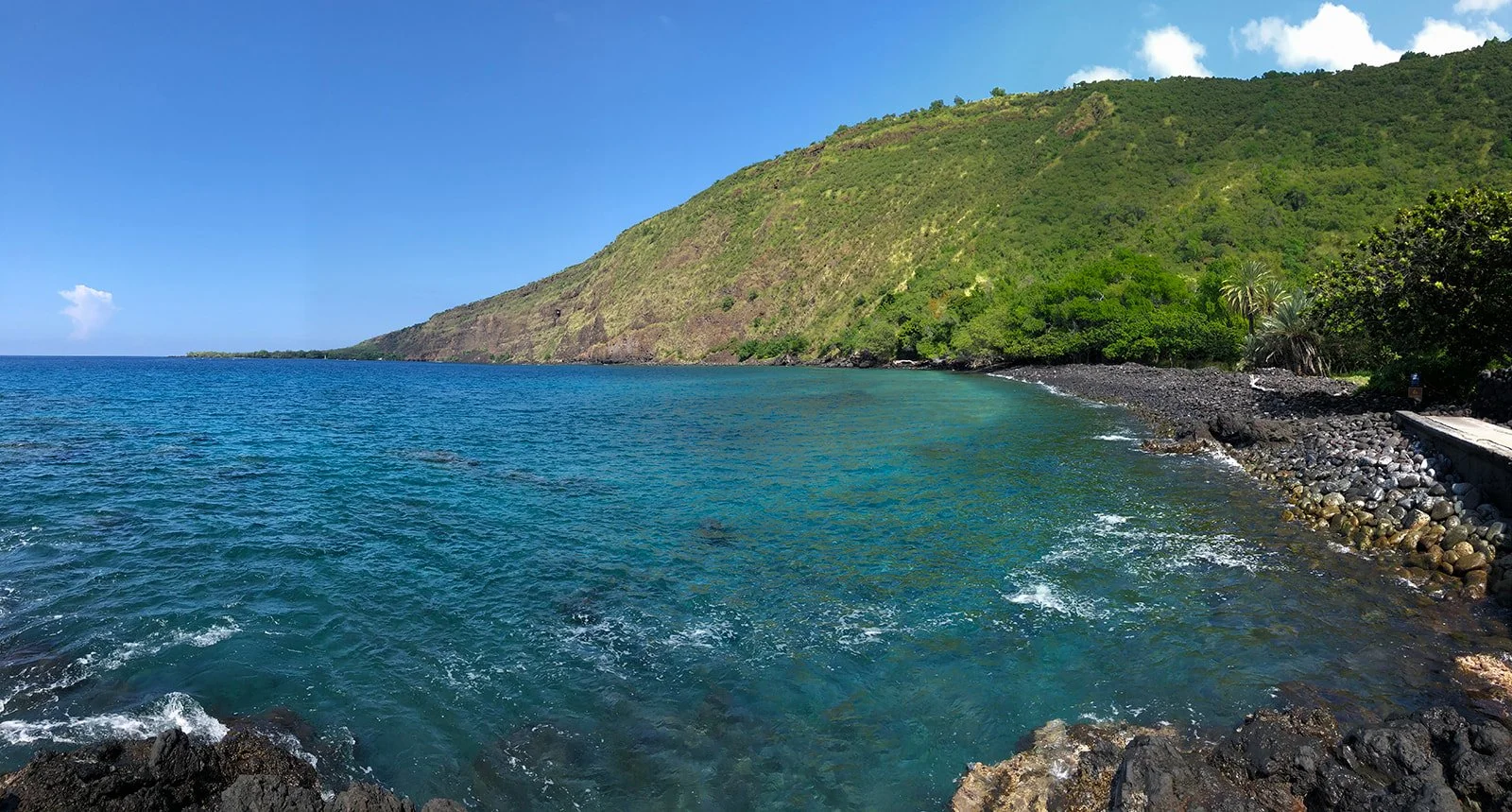
Kealakekua Bay State Historical Park
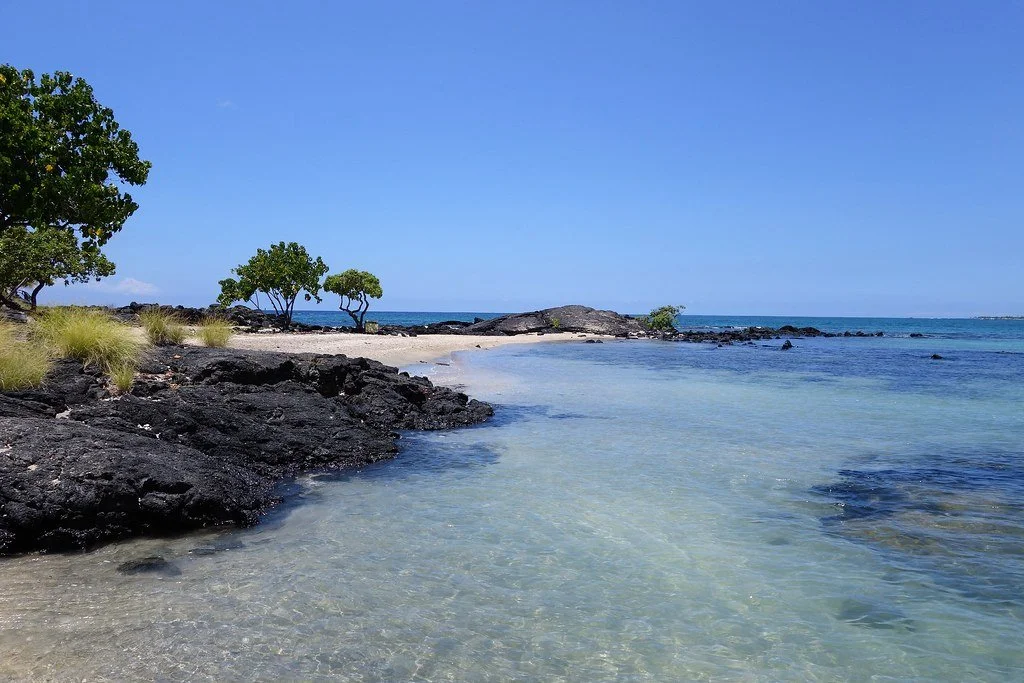
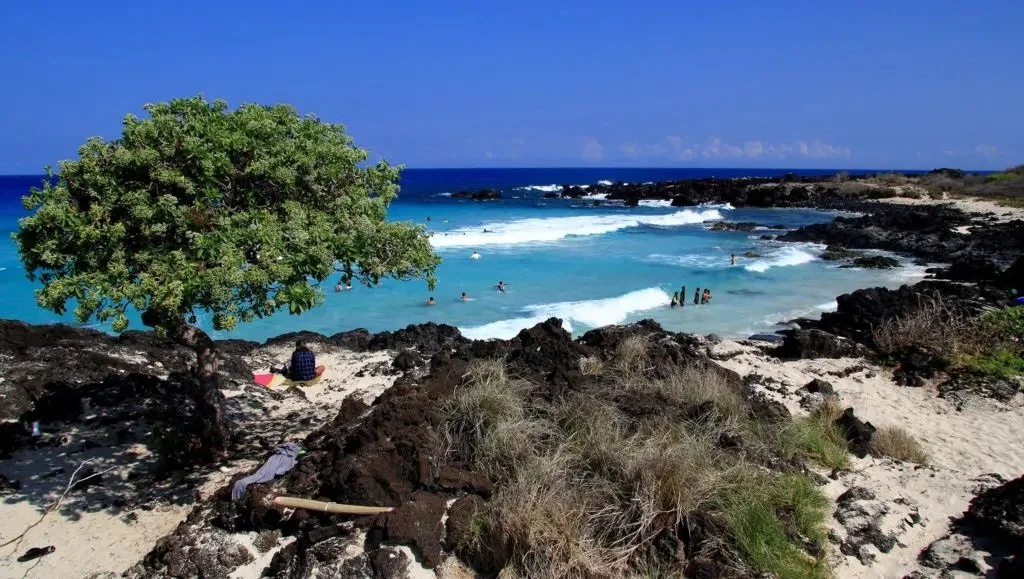
Kekaha Kai (Kona Coast) State Park
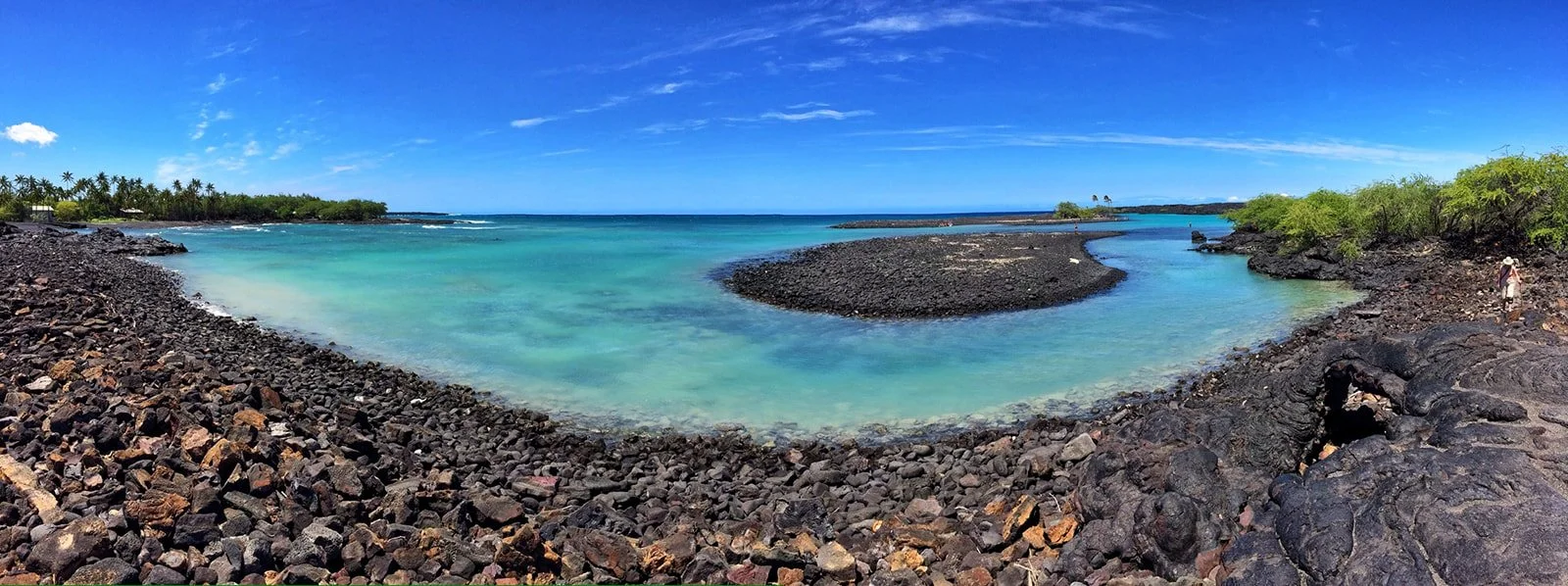
Kiholo State Park Reserve
Kohala Historical Sites State Monument
Lava Tree State Monument
MacKenzie State Recreation Area
Manukā State Wayside
Wailoa River State Recreation Area
Wailuku River State Park
Īao Valley State Monument
Kaʻanapali State Wayside Park
Mākena State Park
Polipoli Spring State Recreation Area
Puaʻa Kaʻa State Wayside
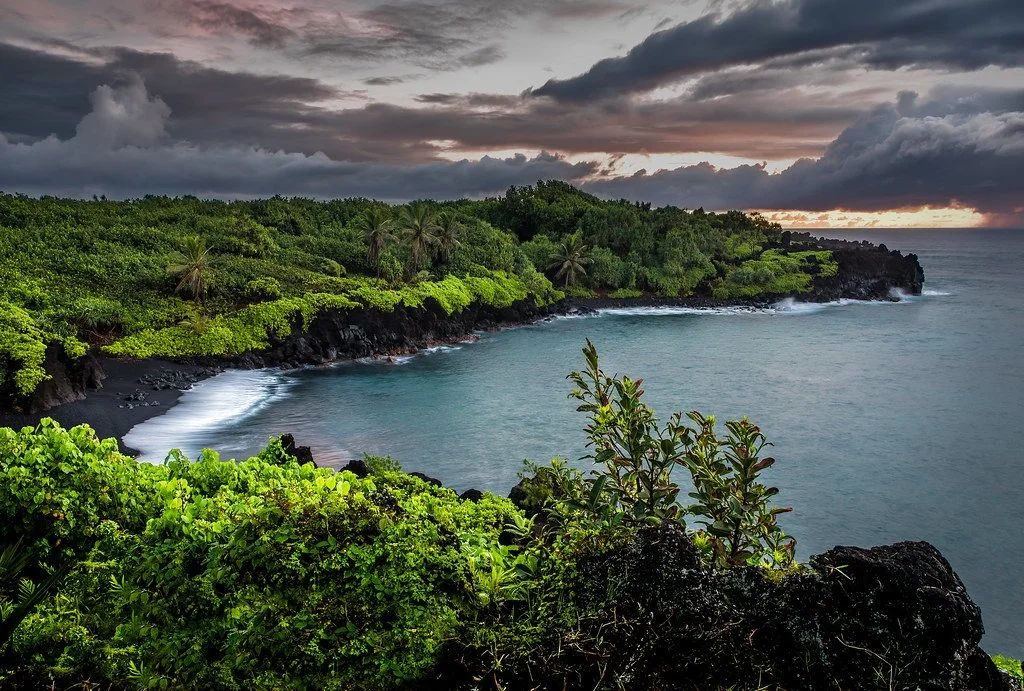
Waiʻānapanapa State Park
Hā‘ena State Park
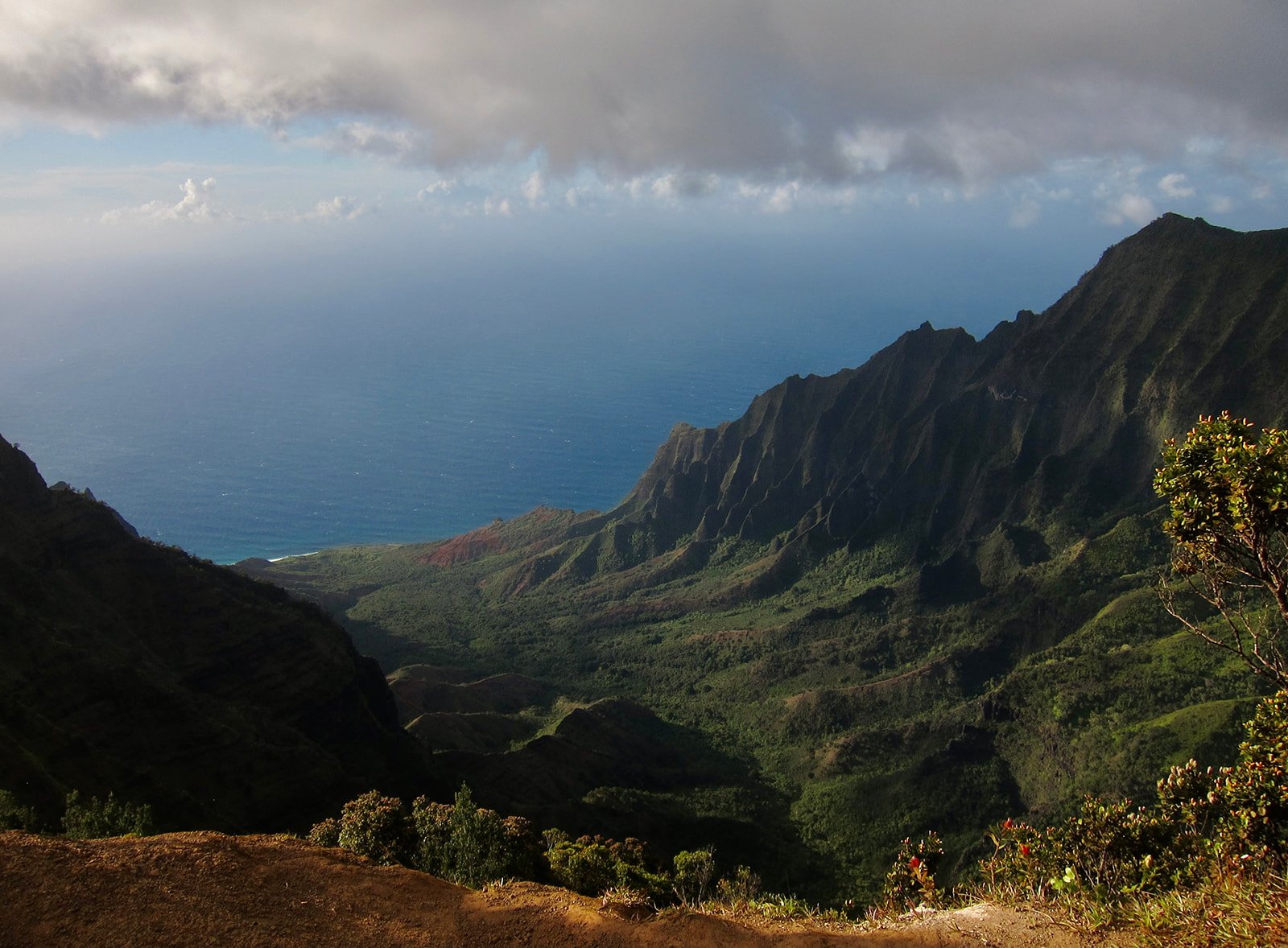
Kōkeʻe State Park
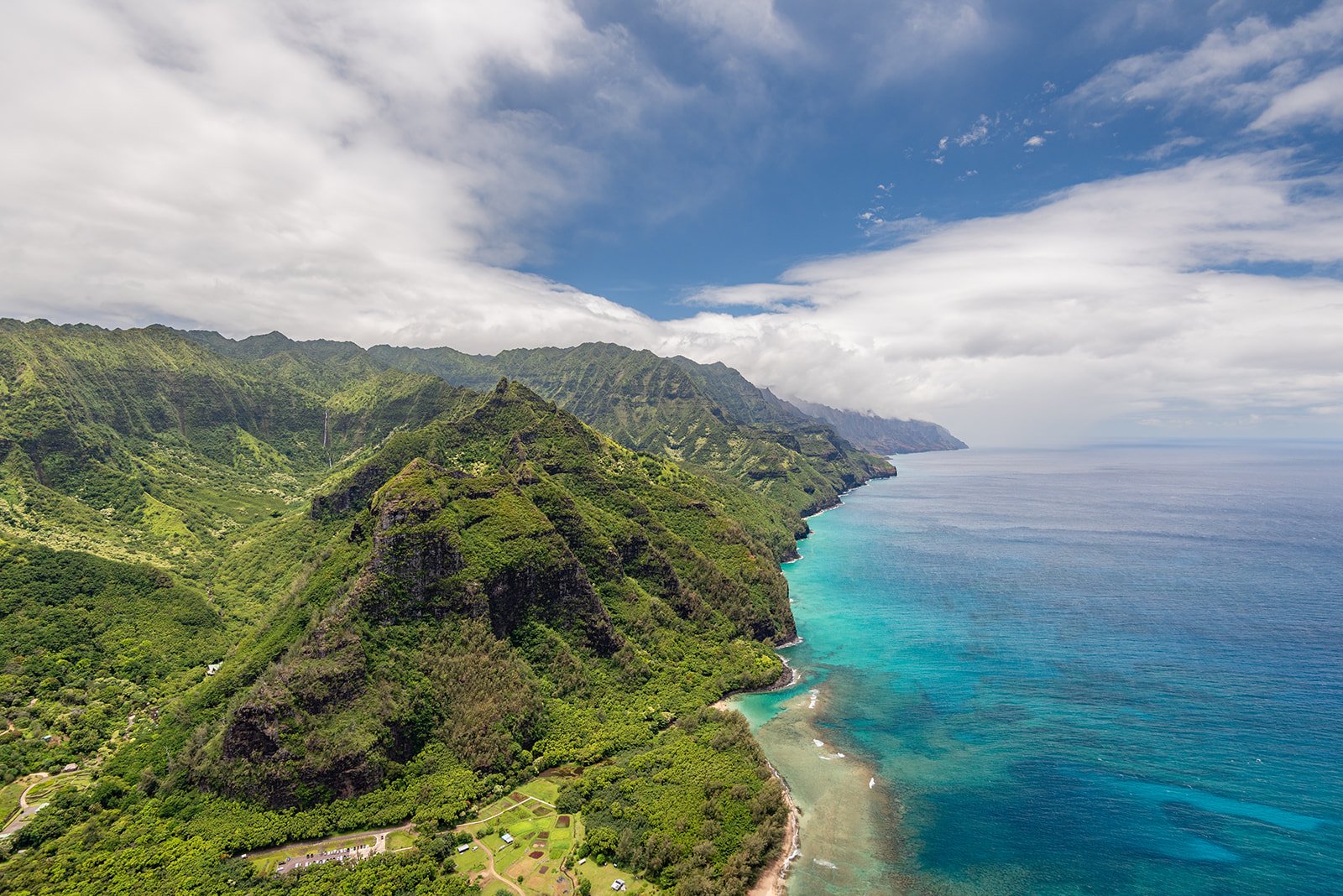
Nāpali Coast State Wilderness Park
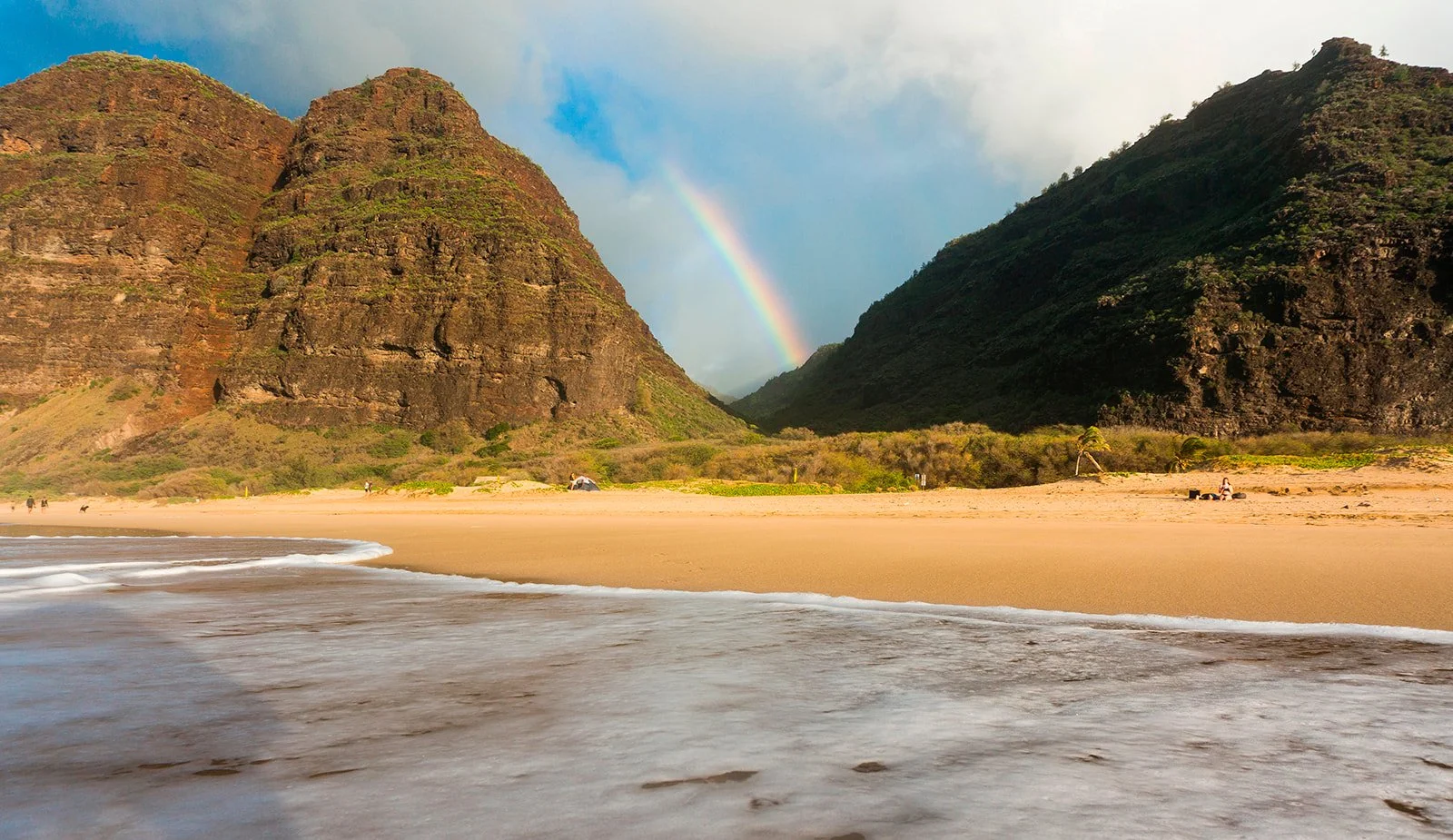
Polihale State Park
Russian Fort Elizabeth State Historical Park
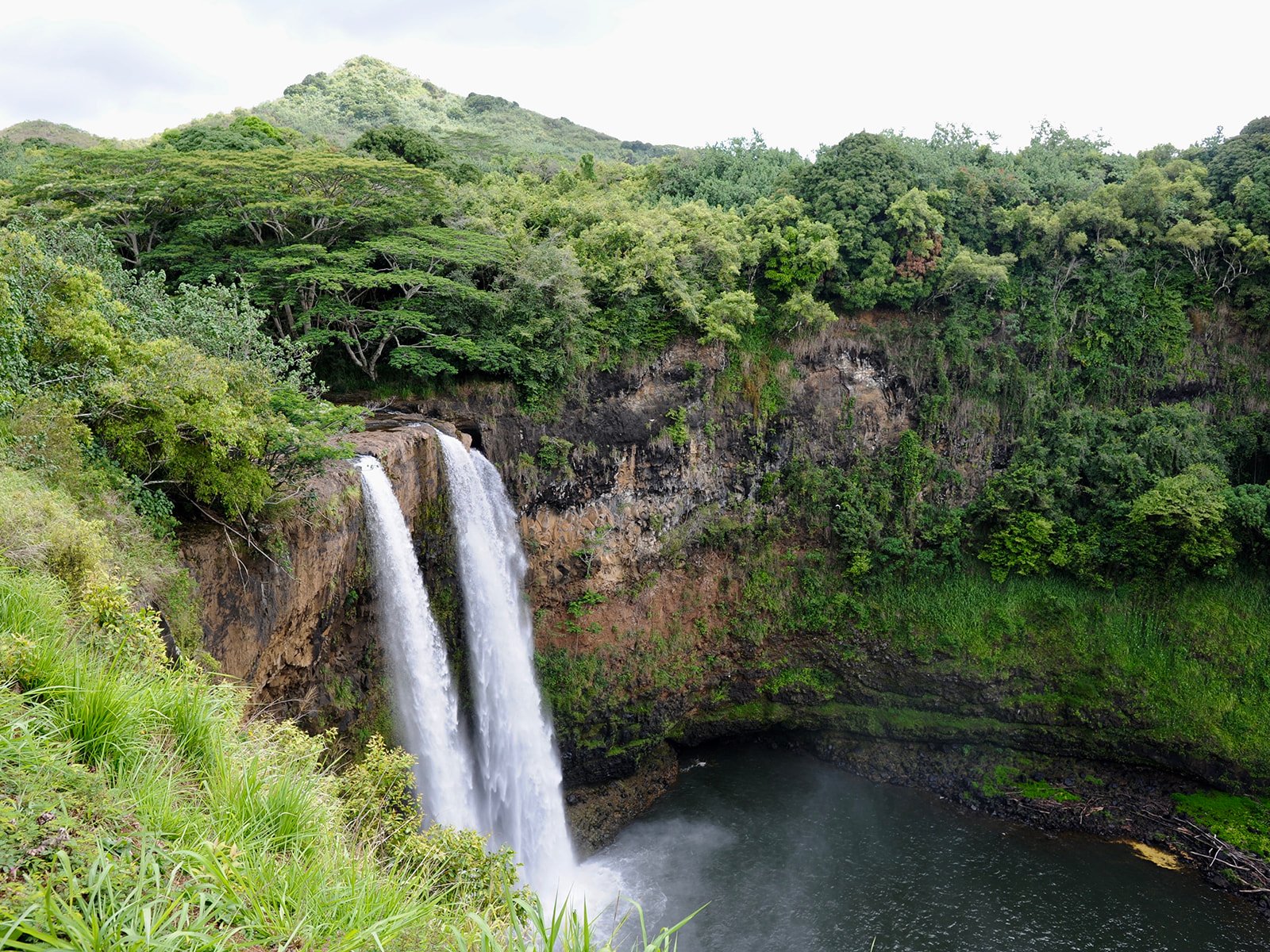
Wailua River State Park
Pālā‘au State Park
Kaiolohia (Shipwreck Beach) State Park
Lānaʻi Lookout State Wayside
Federal & Protected Lands in Hawaiʻi
Hawai‘i’s land system is unique. There are no Bureau of Land Management areas, and only limited U.S. Forest Service research lands that aren’t open for ceremonies. Most federal lands here fall under the National Park Service, U.S. Fish & Wildlife Service, or Department of Defense.
Restricted Locations
Some areas in Hawaii hold deep cultural and spiritual significance or are protected for ecological and community reasons. Eloping here means respecting that balance and avoiding spaces that aren’t meant for ceremony use.
The following areas are not appropriate for elopements or photography. You may come across them when planning your elopement. Please take note:
Puʻuhonua o Hōnaunau National Historical Park
A sacred place of refuge, protected as a living cultural site.
Puʻukoholā Heiau National Historic Site
A royal temple built by King Kamehameha I; ceremonies and photography are prohibited.
Kalaupapa National Historical Park
A memorial settlement for those exiled with Hansen’s disease; visitation is limited and only allowed with special permits and guided tours.
Hawai‘i Experimental Tropical Forest (Laupāhoehoe & Pu‘uwa‘awa‘a Sections)
Managed for research and conservation; events and ceremonies are not permitted.
Certain Heiau (Temples) and Cultural Sites across all islands
Many are unmarked or within public parks; couples should avoid entering fenced areas, climbing on structures, or holding ceremonies nearby.
Where to Stay in Hawaiʻi
Hawai’i is full of drop-dead beautiful places to stay or elope. The caveat is that not all of them are beneficial to the island and natives, and it’s hard to tell them apart. Here are locations that are considered ethically responsible, whether they’re locally owned, conservation-focused, non-profit based, or support Hawaiian communities.
Stays
Kaimana Beach Hotel - Honolulu
Lotus Honolulu - Honolulu
Paia Inn - Paia
Ho’oilo House - Lahaina
Volcano Village Lodge - Volcano
Venues
Waimea Valley - Haleiwa
Kualoa Ranch - Kaneohe
Ho‘omaluhia Botanical Garden - Kaneohe
Anna Ranch Heritage Center - Waimea
Limahuli Garden & Preserve - Hanalei
While there are Airbnb’s in Hawai’i, they are often exploitative or illegal, and figuring out which ones are ethical vs not is a knitty-gritty process that we will not go over in this guide. I’ll keep it simple by recommending couples avoid Airbnb and private rentals entirely when visiting Hawai’i. Places like the above lodging options are clear avenues to supporting the community and leaving the island better than you found it.
Most Popular Non-Sensitive Outdoor Elopement Locations in Hawaiʻi
Hapuna Beach State Recreation Area
Waiʻānapanapa State Park
Mākena Cove (Secret Beach)
Kekaha Kai (Kona Coast) State Park
Kiholo State Park Reserve
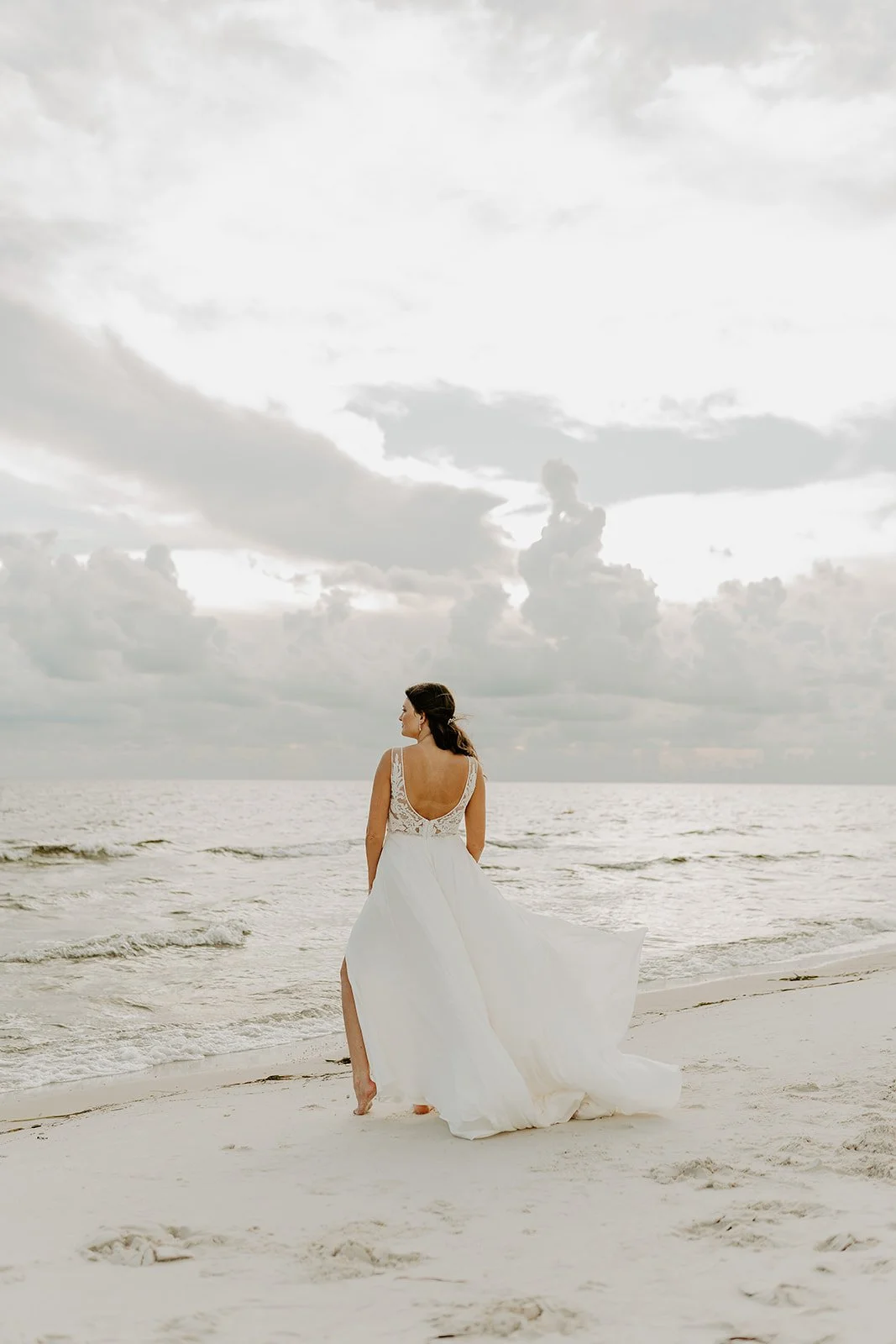
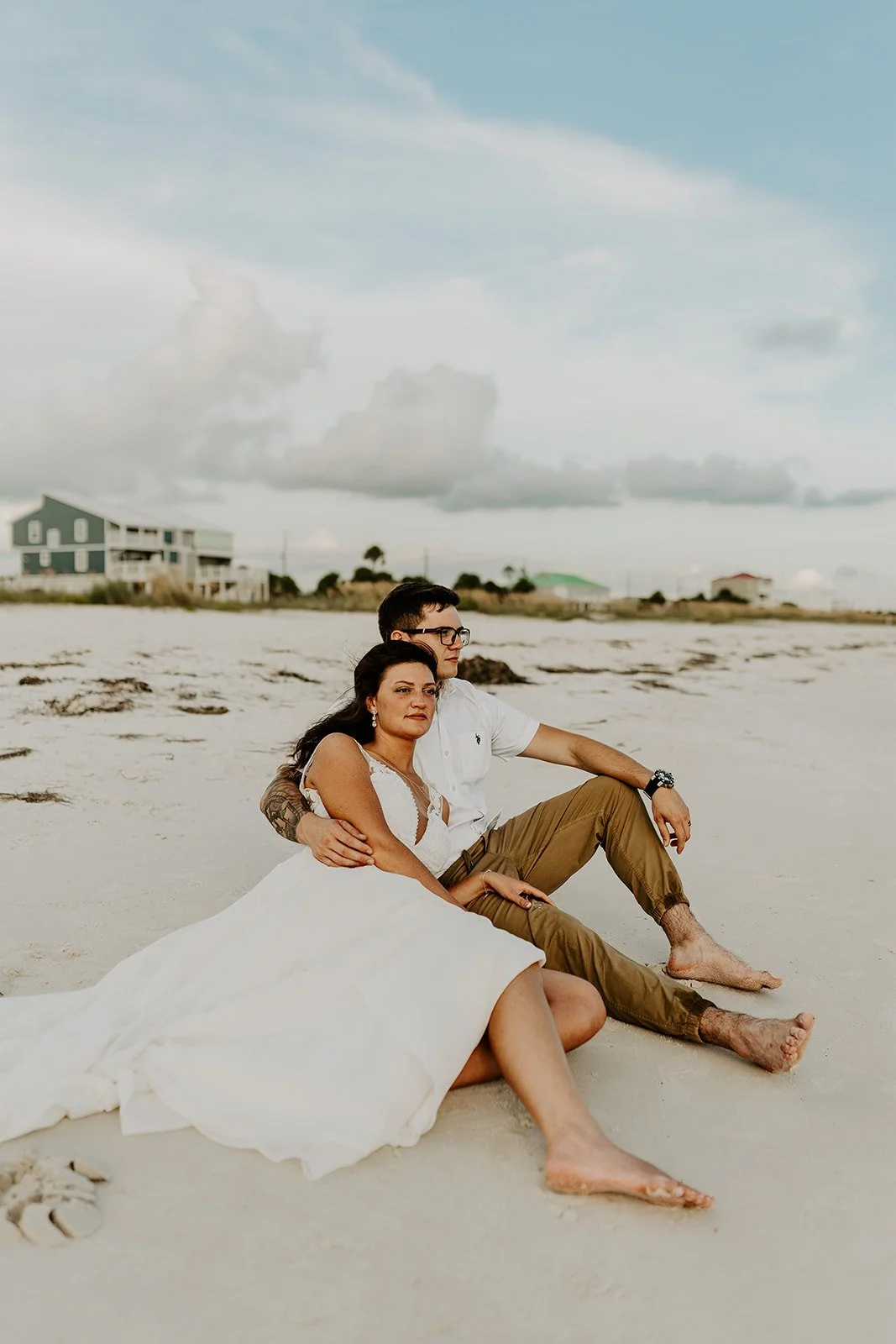
Where to Visit for Wedding Portraits in Hawaiʻi
Have the freedom to choose an elopement location and a variety of smaller, lesser-known areas that make for fun experiences and memorable photos. I keep every elopement (and location information) specific to each couple, so these are only a few of my favorite areas that I encourage readers to explore.
If you want to prioritize finding the best photographer for you, read how to find the best one.
Ho‘omaluhia Botanical Garden (Kāne‘ohe)
Kaʻena Point
Nu‘uanu Pali Lookou
Hanapēpē Town
Please respect all natural areas and leave it better than you found it. Vandalism will result in the closing and protection of such unique areas.
How Much Does it Cost to Elope in Hawaiʻi?
-
Low Cost
$65 — marriage license
$600 — 3 night local hotel stay
$5800 — photographer
$300 — bouquet + boutonniere
$500 — wedding dress
$200 — suit rental
$200 — restaurant dinner + drinks
$20 – Wiki Permit
free — DIY hair + makeup
Total: $7,685
-
Luxury
marriage license — $65
4 night luxury local hotel stay — $2000
photographer — $10800
bouquet, boutonniere, florals for ceremony and dinner — $1000
wedding dress — $3000
suit purchase — $1000
private chef — $800
5-6” custom cake — $350
onsite hair + makeup — $800
Haleakalā National Park National Park permit fee — $150
Total: $19,965
Hawaiʻi Elopement Checklist
An all in-one, comprehensive guide on how to elope. From an iceberg in Alaska to a boat deck in the Florida Keys, this guide will give you all the steps on how to plan your perfect elopement day.

Unique Things to Do in Hawaiʻi as a Couple
Whether you want to celebrate a honeymoon or get off the tourist path with your elopement experience, there are a variety of things to do around the state that will add to your fun. Here are some of my personal favorites in Hawaii.
Visit Punaluʻu Black Sand Beach
Punaluʻu Black Sand Beach on the Big Island is an easy stop along Highway 11, known for its rare black sand made from cooled lava. It’s not great for swimming, but it’s a cool place to walk, take photos, and possibly see turtles.
Go on a Star Gazing Tour
Mauna Kea is the tallest mountain on Earth when measured from its base on the ocean floor and one of the best places in the world for stargazing. Couples can visit the Mauna Kea Visitor Information Station to watch the sunset and stay for the nightly public stargazing program. While public access to visit the observatory and look through the telescope was discontinued for conservation, if you plan your trip right, they hold a monthly private telescope experience.
4x4 vehicles are highly recommended for this activity.
Hang Out at The Lāna‘i Cat Sanctuary
The Lāna‘i Cat Sanctuary is a 25,000-square-foot refuge for more than 500 rescued cats on the small island of Lāna‘i. It was created to protect the island’s cats and its native birds, offering a safe home where the animals can roam freely and receive care. Visitors can stop by between 10 a.m. and 3 p.m. to meet, play with, or even adopt one of the friendly “Hawaiian Lions.” It’s a great stop for couples who love animals and want to experience a more down-to-earth side of the islands while supporting local rescue efforts.
Visit Your First Sea Horse Farm
The Ocean Rider Seahorse Farm in Kailua-Kona is a conservation-based facility dedicated to protecting seahorses through sustainable, captive breeding. Couples can take guided tours to learn about ocean conservation, feed seahorses, and up-close under staff supervision.
Hawaiʻi Elopement Timeline Examples
-
10 AM – 11 AM: Photographer arrives; capture getting ready + details at Upcountry lodging
Locally grown florals
Maui-made vow books and details
Documentary-style coverage
No reenactment of Hawaiian cultural rituals
11 AM: Depart lodging for Haleakalā National Park (45–60 min commute)
12 PM – 12:20 PM: Enter Haleakalā NP + acclimate to summit elevation
Park entrance fee
Quiet moment of respect for sacred summit
(Drone use prohibited in all national parks)
12:20 – 12:45 PM: Walk to ceremony area + First Look
First look along summit trail
Cinder slopes + crater ridge views
Stay on marked paths to protect fragile ecosystem
12:45 – 1:15 PM: Ceremony at Haleakalā Summit District
Personal vows + rings
Slow, reverent pacing
No blowing pū or chanting unless performed by a licensed cultural practitioner
(Drone prohibited)
1:15 – 2 PM: Post-ceremony portraits at the summit
Crater overlooks
Ridge-line portraits
Stay on designated trails
(Drone prohibited)
2 PM: Depart Haleakalā for Upcountry lunch (45–60 min commute)
3 PM – 4 PM: Lunch at locally owned Upcountry Maui restaurant
Kula Bistro (family-owned)
Nui’s Garden Kitchen (Makawao, locally owned)
Pāʻia Bay Coffee Bar (locally owned café)
4 PM: Depart for Makawao Forest Reserve or Waiakoa Forest Reserve (15–25 min commute)
4:15 – 5:30 PM: Forest portraits in Upcountry Maui
Ironwood pines + eucalyptus groves
Soft forest light
Stay on designated paths
Drone use conditional
Permits may be required by DLNR Forestry Division
Must verify rules prior to session
Weather, wind, and crowd dependent
5:30 PM: Depart for South Maui coastline (Wailea / Mākena area) (45–60 min commute)
6:30 – 8 PM: Sunset session on a South Maui county beach
Lava rock shorelines
Tide pools
Golden hour light
Stay off dune vegetation + give space to wildlife
Drone use conditional
Must verify Maui County beach rules
No drone use on state park beaches
Subject to wind, crowds, and local ordinances
8 PM: Depart for private dinner at lodging (15–20 min commute)
8:20 – 10 PM: Private dinner at lodging
Catered local meal
Candlelit, cozy atmosphere
Blue-hour candids
Firepit only if permitted by lodging rules
10 PM: Coverage ends
-
On Day 1:
10 AM – 11 AM: Photographer arrives; capture getting ready + details
Locally sourced florals
Vow books
Gentle documentary coverage
11 AM: Depart lodging for Kōkeʻe State Park (45–60 min commute)
11:45 AM – 12 PM: Walk together toward Puʻu o Kila Lookout
Forest path
Red earth, ferns, native trees
Quiet, grounding atmosphere
First Look on the trail before arriving at Puʻu o Kila
12 PM – 12:30 PM: Ceremony setup + mindful grounding at Puʻu o Kila
Respectful silence moment
No floral arches or installations
No drone use in state park
Optional oli performed only by a licensed cultural practitioner
12:30 – 1 PM: Ceremony at Puʻu o Kila Lookout
Personal vows
Ring exchange
First kiss
Reverent pacing, honoring the ʻāina (land)
1 PM: Short portraits at the lookout
Ridge-side views
Soft movement prompts
No drone usage
1 PM – 1:30 PM: Depart for Waimea Canyon (20–25 min commute)
1:30 – 2:15 PM: Waimea Canyon Overlook portraits
Sweeping canyon walls
Deep reds + greens
Use only designated viewing areas
No drone use in state park
2:15 PM: Depart for Hanapēpē or Waimea (15–25 min commute)
2:30 – 3:30 PM: Late lunch at a locally owned spot
Fully Local Options:Japanese Grandma’s Cafe (Hanapēpē) – locally owned, fresh Japanese plates
Midnight Bear Breads (Hanapēpē) – artisan sandwiches + pastries
Menehune Food Mart plate lunch counter (Waimea) – local favorite for homestyle plate lunch
3:30 PM: Depart for Polihale State Park (45–60 min commute)
(Only if sand road + weather conditions are safe — avoid after heavy rains.)4:30 – 6 PM: Sunset session at Polihale Beach
Golden dunes
Long, quiet shoreline
Stay off sensitive dune plants
6 PM – 7 PM: Return to lodging (45–60 min commute)
7 PM – 9 PM: Private dinner at lodging
Locally sourced catering or take-out
Candlelit, cozy, intimate evening
Documentary candids
Optional firepit (if permitted at lodging)
9 PM: Day One coverage ends
On Day 2:
8 AM: Meet at Wailua Marina (photographer meets them on-site)
8 – 9 AM: Kayak or canoe paddle on Wailua River
Peaceful, quiet waterway
Stay in designated paddling zones
No entering sacred heiau
No drone use (air traffic + cultural sensitivity)
9 – 9:45 AM: Riverside forest portraits
Lush greenery
Soft light
Intimate candid moments
Stay on designated paths
9:45 – 10 AM: Depart for ʻŌpaekaʻa Falls Overlook (10–15 min)
10 – 10:30 AM: Overlook portraits
Shoot from designated platforms
No crossing barriers
No drone use
10:30 AM: Adventure session concludes
Couple returns to lodging independently
Photographer departs separately
Get Inspired by Other Elopements

Is Eloping in Hawaiʻi Right for Me? (Quiz)
Not the perfect fit? Try these similar states instead:
Florida (Florida Keys)
U.S. Virgin Islands
Puerto Rico
California (Big Sur, Mendocino, Channel Islands)
Washington State (San Juan Islands, Olympic Peninsula)
Alaska (Southeast / Inside Passage)
Feel adventurous? Read about eloping out of the country.
Hawai’i Elopement Packages
Your elopement experience is fully customized from the very beginning. All Hawaiʻi elopement packages include:
All travel within Hawaiʻi (your investment does not change based on location)
Personalized location recommendations based on season, accessibility, and your vision
Permit research and guidance (when required)
Curated vendor recommendations (florals, hair + makeup, private chefs, etc.)
Activity ideas unique to your relationship and interests
A handcrafted elopement timeline designed for a relaxed, intentional experience
Every elopement gallery includes high-resolution digital images with printing rights, delivered through a private online gallery where you can view, download, print, and share your images with loved ones — so you can relive your experience for years to come.
Elopement experiences begin at $4,650 for an intimate local experience (up to 4 hours). From there, each experience is shaped around your location, priorities, and how you want your day to unfold — whether that means a single intentional setting or a more layered, travel-forward experience. Coverage length and structure are guided collaboratively, with recommendations based on what will best support a relaxed, experience-first wedding day.
Which Elopement Package is Right for Me?
Multi-Day Elopement Experience
This experience is ideal for couples who want their elopement to feel like a once-in-a-lifetime journey rather than a single moment.
This experience is right for you if:
You want to combine your elopement with a getaway or honeymoon
You’re drawn to multiple Hawaiian landscapes and don’t want to choose just one
You value slow mornings, golden evenings, and complete storytelling
You want space for both adventure and restoration
Full-Day Elopement Experience (Up to 12 Hours)
This experience offers the most flexibility and creative freedom within a single day.
This experience is right for you if:
You want to document your entire day from start to finish
You’re planning multiple locations, activities, or longer hikes
You want time for getting ready, your ceremony, portraits, and a celebration
You prefer a relaxed flow rather than a tightly scheduled timeline
Half-Day Elopement Experience (Up to 6 Hours)
This experience is best suited for couples who want something intimate, meaningful, and beautifully simple.
This experience is right for you if:
You want a short, intimate ceremony
You prefer minimal transitions and a calm pace
You plan to stay close to your accommodations
You envision one primary location with little to no driving
Hawaii Elopement FAQs
-
Yes. You can legally elope in Hawaii by obtaining a Hawaii marriage license, having a licensed officiant perform the ceremony, and filing the completed license with the state.
Hawaii is a popular destination for elopements because couples can legally marry on beaches, cliffs, tropical forests, and volcanic landscapes across the islands.
-
No. Hawaii does not require witnesses for a legal marriage ceremony.
The only legal requirements are a valid marriage license and a licensed Hawaii officiant who performs the ceremony and submits the completed marriage certificate to the state.
-
To get a marriage license in Hawaii, couples first complete an online application and then meet with a licensed marriage agent in person.
Both partners must bring valid identification and pay the required license fee before the marriage license is issued.
-
No. Hawaii does not have a waiting period for marriage licenses.
Once your marriage license is issued, you can get married immediately, which makes Hawaii one of the easiest states for destination elopements.
-
Yes. Hawaii requires a licensed officiant to perform the marriage ceremony.
Officiants must be registered with the Hawaii Department of Health, and they are responsible for submitting the completed marriage certificate after the ceremony.
-
The cost to elope in Hawaii varies depending on location and vendors, but many couples spend between $5,000 and $15,000.
Costs typically include photography, travel, permits, lodging, and ceremony details, especially for couples planning beach or national park elopements.
-
Yes. Many beaches and parks in Hawaii require a permit for wedding ceremonies.
Permits are commonly required for ceremonies held in state parks, public beaches, and scenic coastal areas, and the process varies depending on the island and location.
-
Hawaii is a year-round elopement destination thanks to its tropical climate.
However, many couples prefer April through October, when weather tends to be drier and ocean conditions are calmer for beach ceremonies and sunset portraits.
-
The best Hawaiian island for your elopement depends on the type of scenery you want.
Couples often choose Kauai for dramatic cliffs and lush landscapes, Maui for beaches and waterfalls, Oahu for accessibility, or the Big Island for volcanic scenery.
Current Specials for Hawai’i Bookings
Is Hawai’i For You?
If you want a tropical elopement and you’re willing to treat Hawaiʻi like someone’s home, it might be the right place for you.


Get More Elopement Tips


Bethany Wolf
Guided Public-Lands Elopement Photographer
✔ permits & logistics handled
✔ timeline design
✔ location guidance
✔ travel included nationwide

Josh and Alexa’s intimate elopement at Blackwater Falls State Park shows what a calm, intentional West Virginia elopement day can look like — from a private waterfall ceremony to a lakeside picnic with champagne and homemade cake.