

How Much Does It Cost to Elope in Alabama?
Eloping in Alabama can be wonderfully simple. The landscapes are diverse, the logistics are often more straightforward than many national parks, and it’s possible to create a day that feels intentional without turning planning into a full-time job.
That said, “How much does it cost?” can be a frustrating question to Google because you’ll see everything from bare-minimum courthouse numbers to full wedding weekends labeled as “elopements.” In this guide, I’m sharing a realistic budget breakdown based on the kinds of Alabama elopements I help couples plan: nature-forward, low-stress, and designed around the experience of the day, not just the photos.
If you’re still deciding where to elope or you want a full walkthrough of locations, seasons, permit notes, and what’s possible across the state, start with How to Elope in Alabama – Locations, Permits, & Alabama Elopement Packages. This post is the budget companion to that guide so you can make confident decisions without guessing.
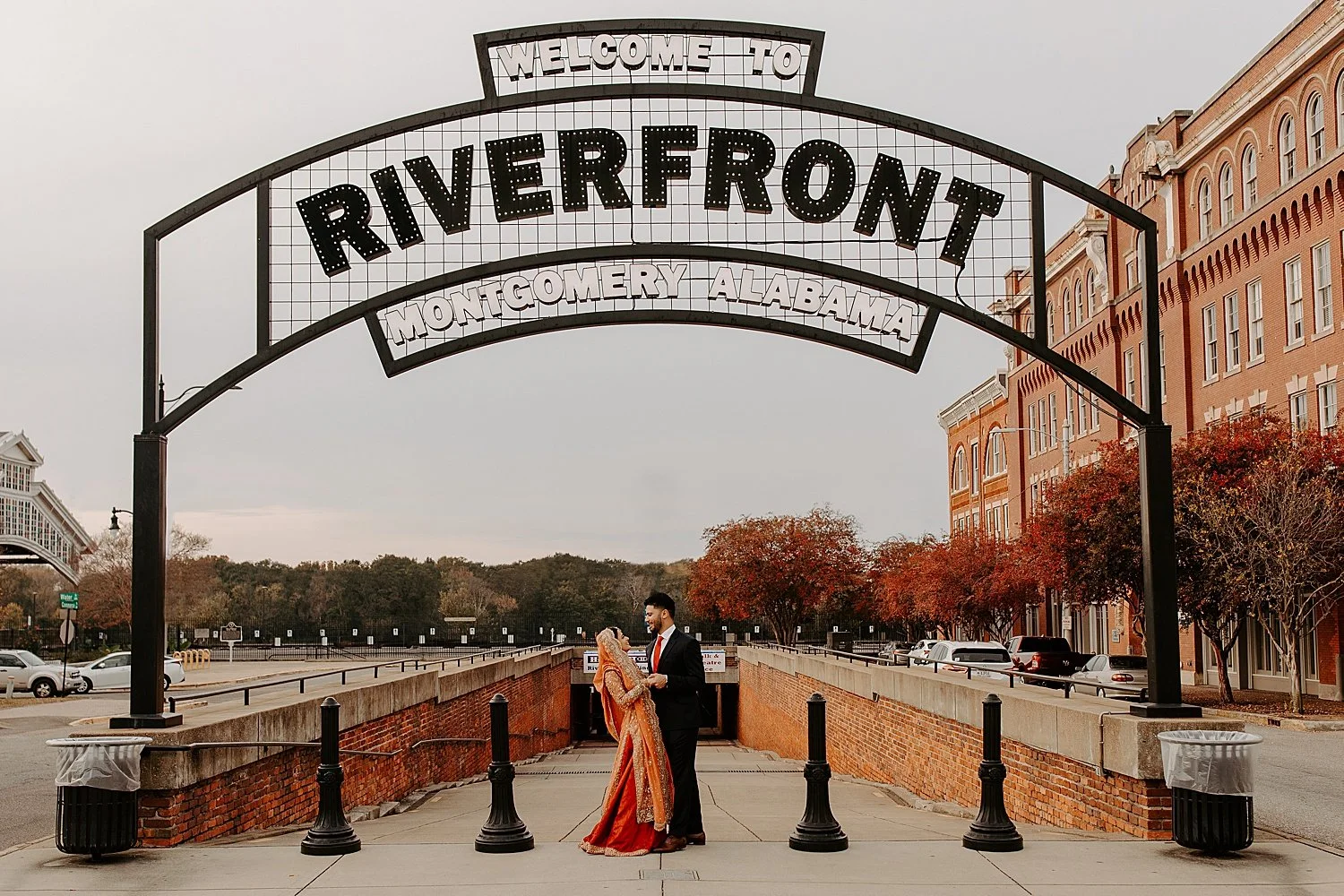
What Couples Typically Spend to Elope in Alabama
Most Alabama elopements fall into a few broad budget lanes. The difference usually isn’t about location alone—it comes down to time, access, and how supported the planning process is.
Simple weekday elopements often sit at the lower end of the range. These typically include a straightforward ceremony at an easy-to-access location, shorter coverage, and minimal vendor involvement. They’re ideal for couples who want something intentional without building a full-day itinerary.
Full-day, experience-focused elopements are the most common for couples who want breathing room. This might include getting ready together, a relaxed ceremony, time to explore more than one location, and space to actually enjoy the day instead of rushing through it. Budgets here reflect longer coverage and the kind of planning support that keeps the day flowing smoothly.
Multi-day or travel-based elopements naturally land at the higher end. These experiences often include location changes, lodging considerations, activities built into the timeline, and additional coordination to keep everything feeling calm rather than overplanned.
Rather than anchoring to a single number, it’s more helpful to understand what actually shapes the budget. The sections below break down the costs that matter most for Alabama elopements, so you can decide where you want to invest and where you can keep things simple.
If you’re still trying to understand how elopement budgets break down more broadly across locations and experience types, How Much Should I Budget for an Elopement? offers a helpful big-picture overview before diving deeper into Alabama-specific costs.

The Main Costs That Shape an Alabama Elopement Budget
Location & Permit Fees
In Alabama, location choice plays a quiet but important role in overall cost. The state offers a mix of State Parks, Natural Areas, National Forest land, and privately accessible spaces, each with different rules and fee structures.
Some locations require permits for ceremonies, while others don’t—especially for small, low-impact elopements without setups or guest seating. If you want a clear, location-by-location breakdown, see Alabama Elopement Permits Explained. Permit fees can range from very minimal to more structured, depending on who manages the land and how developed the area is. If you’re considering a ceremony in an Alabama State Park specifically, I break down what to expect in more detail in How to Elope in a State Park.
For couples hoping to keep logistics simple, I also share locations that typically don’t require permits for small ceremonies in Best Places to Elope in Alabama Without a Permit.
What matters most here isn’t just the fee itself, but choosing a location that aligns with your priorities:
Privacy vs accessibility
Developed overlooks vs more natural settings
Weekend crowds vs weekday flexibility
This is also where planning ahead helps prevent surprises. Permit requirements can vary even within the same park system, which is why I guide couples through location selection with regulations in mind from the start, rather than treating permits as an afterthought.
Photography & Planning Support
Photography is often the largest single investment in an elopement, but the range varies widely depending on what’s included beyond coverage.
Some couples choose photography-only coverage and manage the rest themselves. Others prefer a more guided experience that includes help with locations, permits, timelines, and logistics. The difference isn’t just convenience, it often affects how the entire day feels.
Planning support can reduce costs elsewhere by:
Avoiding locations that require unnecessary permits or fees
Building a timeline that eliminates rushed add-ons
Choosing locations that work well for the season and time of day
For many couples, this approach creates a more relaxed experience without stacking on extra vendors or last-minute fixes.
Travel & Lodging
Travel costs depend on whether your elopement involves:
In-state locations
Remote areas that require longer drives
Lodging that doubles as a getting-ready space
Lodging is often one of the most flexible parts of an Alabama elopement budget. Some couples choose simple accommodations close to their ceremony location, while others invest in a place that becomes part of the experience—quiet mornings, slow evenings, and a natural flow into the day.
When lodging works with the timeline instead of against it, it often reduces stress and unnecessary movement throughout the day.
Attire, Hair & Makeup
Attire budgets vary widely, but Alabama’s climate plays a role in how couples prioritize this category. Heat, humidity, wind, and seasonal weather shifts can all affect comfort and timing.
Hair and makeup aren’t required for a meaningful elopement, but many couples choose professional support simply to remove one more thing from their mental load on the day itself, especially for outdoor ceremonies where weather and movement are part of the plan.
Many couples focus less on formality and more on choosing pieces that move well, photograph beautifully, and feel comfortable in natural settings. If you’re still narrowing things down, I’ve shared guidance on what to wear when you elope, how to choose elopement hairstyles that hold up outdoors, and realistic dress-buying considerations for elopements to help couples plan without overthinking it.
Ceremony Elements & Details
For most Alabama elopements, ceremony elements stay intentionally minimal. This might include:
An officiant (if one is needed)
In some cases, couples choose coverage that includes officiating services, which can simplify planning when you’re aiming for a minimal, streamlined ceremony. This is typically best suited for small, low-impact elopements where reducing vendor coordination is part of the goal.
A small floral arrangement or bouquet
Personal details like handwritten vows or rings
Large décor setups, arches, and seating are rarely necessary and often increase permit complexity without adding much value to the experience. Many couples find that keeping ceremony elements simple allows the location itself to do the heavy lifting.
Some couples also choose a commitment ceremony instead of a legal marriage on the day itself, especially when prioritizing simplicity or privacy. If that’s something you’re considering, What Is a Commitment Ceremony & Do We Need a Marriage License? walks through the differences and options.
What This Means for Your Budget
Rather than asking, “How little can we spend?” most couples find it more helpful to ask:
How much time do we want the day to hold?
How much guidance would help us feel calm?
Where does simplicity actually make the experience better?
In the next section, I’ll walk through realistic example budgets based on common Alabama elopement scenarios, so you can see how these pieces come together in practice.
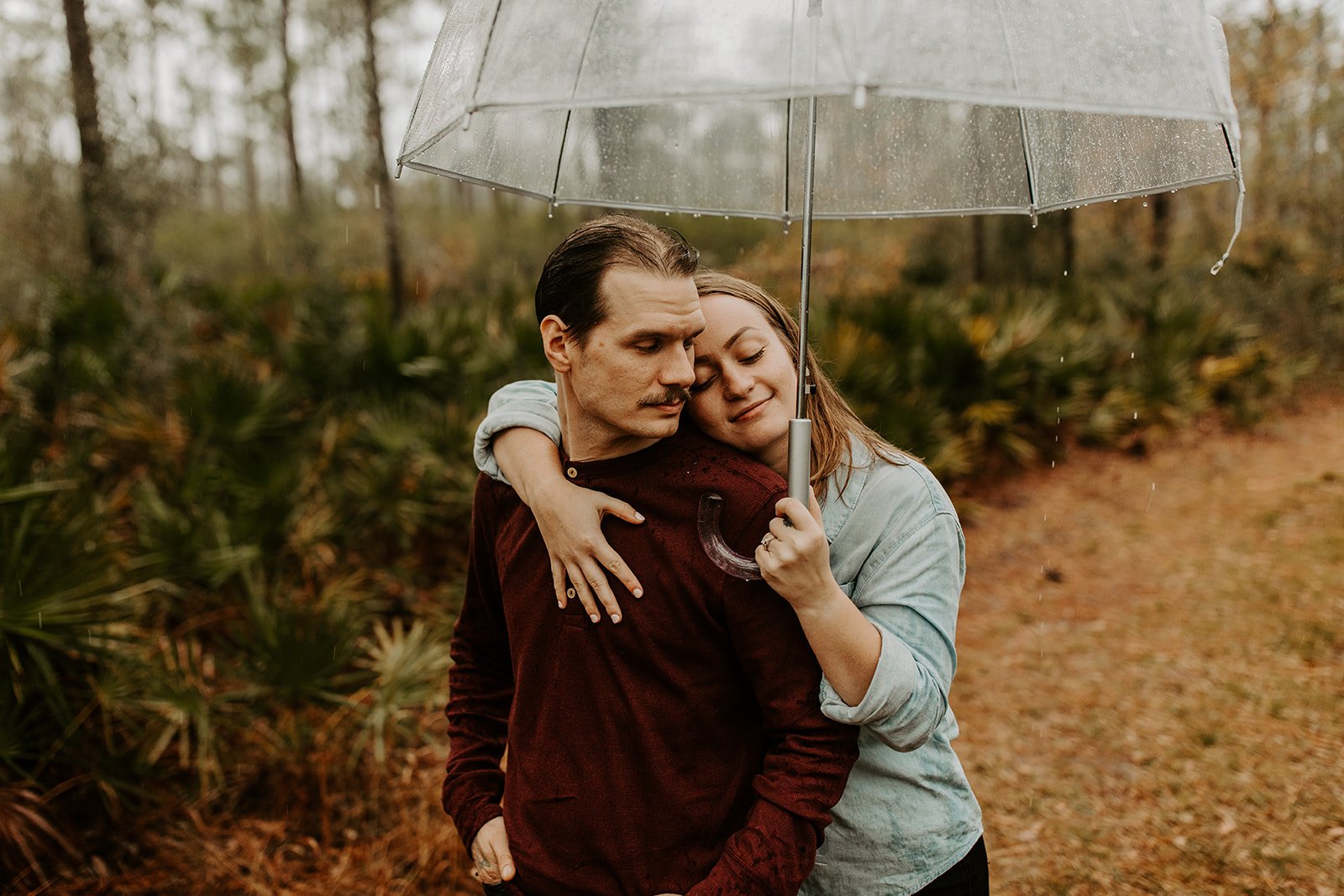
Example Alabama Elopement Budgets (Realistic, All-In Scenarios)
Elopement costs in Alabama make the most sense when viewed as a complete experience, not a single vendor line item. The examples below reflect real elopement days I plan and photograph in Alabama, with realistic total investment ranges that include photography, planning support, and the additional costs couples typically budget for.
These scenarios are meant to help you understand what working with me looks like at different experience levels—and what couples usually spend overall to make the day feel calm, intentional, and well-supported.
The examples below are ordered from the most immersive experience to the most streamlined, so you can quickly see what’s possible and decide what level of support feels right.
Scenario One: A Multi-Day Alabama Elopement Experience
Estimated total investment: $12,000–$15,000+
Multi-day elopements are for couples who want to slow everything down and treat their elopement as a broader experience rather than a single event. These days often include travel, location changes, or intentional activities woven into the timeline.
Couples planning a multi-day experience often budget for:
Photography coverage across multiple days
On-site or extended professional hair and makeup
Florals designed for durability across days
Luxury or experience-focused lodging
Travel or location changes between days
Additional permit or access fees, depending on locations
This option works best for couples who want immersion, flexibility, and an elopement that feels deeply personal rather than condensed.
Scenario Two: A Full-Day Alabama Elopement Experience
Estimated total investment: $10,000–$11,000
This is the most common experience couples choose when they want their elopement to feel like a day, not a moment squeezed between logistics. The timeline is intentionally spacious, allowing for slower pacing, flexibility, and presence.
Couples typically budget for:
Full-day photography coverage
Florals and ceremony details
Professional hair and makeup
Lodging that supports a relaxed getting-ready experience
One or two thoughtfully chosen locations
Permit fees where required
This scenario is ideal for couples who value experience over efficiency and want their day to feel thoughtfully held from start to finish.
Scenario Three: A Half-Day, Nature-Focused Elopement
Estimated total investment: $6,000–$7,000
This is a common choice for couples who want more breathing room without committing to a full day. The timeline allows for a relaxed ceremony, flexibility with light, and enough time to enjoy the location without rushing.
Couples budgeting for this experience often include:
Photography coverage that allows the day to unfold naturally
Florals and simple ceremony details
Professional hair and makeup
Lodging near the ceremony location
Light permit or location fees, depending on the site
This scenario suits couples who want their elopement to feel intentional and unhurried, but still focused.
Scenario Four: A Simple, Intimate Alabama Elopement
Estimated total investment: $4,500–$5,500
This experience is designed for couples who want something meaningful and straightforward, without turning the day into a full production. The ceremony typically takes place at an easy-to-access natural location, often on a weekday to keep things simple and quiet.
Couples planning this type of elopement typically budget for:
Short-coverage photography
A simple ceremony with minimal setup
Basic florals or personal details
Little to no permit complexity
Minimal travel or lodging needs
This scenario works best for couples who value clarity, privacy, and intention over extended timelines or multiple locations.
How to Use These Examples
These ranges aren’t meant to box you in, they’re meant to give you clarity. Most couples find it helpful to identify which scenario feels closest to what they’re envisioning, then adjust based on season, location access, and personal priorities.
If you want to see how these experiences translate into real timelines, the next step is understanding how time and pacing shape the day itself. I walk through that in What an Alabama Elopement Day Actually Looks Like, with examples based on real Alabama locations and conditions.

What Doesn’t Usually Add Much Value (and Where Couples Overspend)
One of the benefits of planning an elopement, especially in a state like Alabama, is that you don’t need much for the day to feel meaningful. Still, many couples feel pressure to add things simply because they’re “part of a wedding,” even when those elements don’t actually improve the experience.
This section isn’t about cutting corners. It’s about spending intentionally, so your budget supports how you want the day to feel.
Overdecorating Natural Spaces
Alabama’s landscapes do a lot of the work on their own. Large arches, heavy installations, or extensive décor rarely add value in outdoor settings and often introduce extra logistics, permit requirements, or stress.
Many couples find that:
Simple florals or handheld arrangements feel more natural
Minimal ceremony setups keep the focus on the moment itself
Less décor allows for more flexibility with location and timing
In most cases, scaling back décor actually makes the day feel more grounded and less performative.
Choosing Peak Weekend Times Without a Clear Reason
Weekends, especially Saturdays, can increase crowd levels, limit flexibility, and sometimes affect permit availability. While weekend elopements can absolutely work, choosing one simply out of habit can introduce challenges that don’t align with an elopement’s purpose.
Couples who choose weekdays often benefit from:
Quieter locations
More flexibility with timing
A calmer overall experience
If privacy and ease matter to you, the day of the week is often more impactful than the location itself.
Rushing the Timeline to “Save Money”
It’s tempting to compress a timeline to reduce coverage hours, but rushed days often lead to:
Missed moments
Limited flexibility if conditions change
Added stress when transitions take longer than expected
Many couples discover that allowing more time actually reduces pressure and often leads to a more enjoyable experience overall!
Adding Vendors That Don’t Support the Experience
Not every wedding vendor translates well to an elopement. Adding elements simply because they’re traditional can increase cost without improving how the day feels.
Before adding anything to your budget, it’s helpful to ask:
Does this reduce stress or add to it?
Does it support the pace we want for the day?
Will it matter to us once the day is over?
Intentional choices tend to age better than obligatory ones.
Where Couples Often Feel the Difference
On the other hand, there are a few areas where couples consistently feel their investment was worthwhile:
Allowing enough time for the day to unfold naturally
Choosing locations that align with season and access
Investing in support that reduces decision fatigue
These choices don’t always look flashy, but they tend to shape the experience more than any single detail.
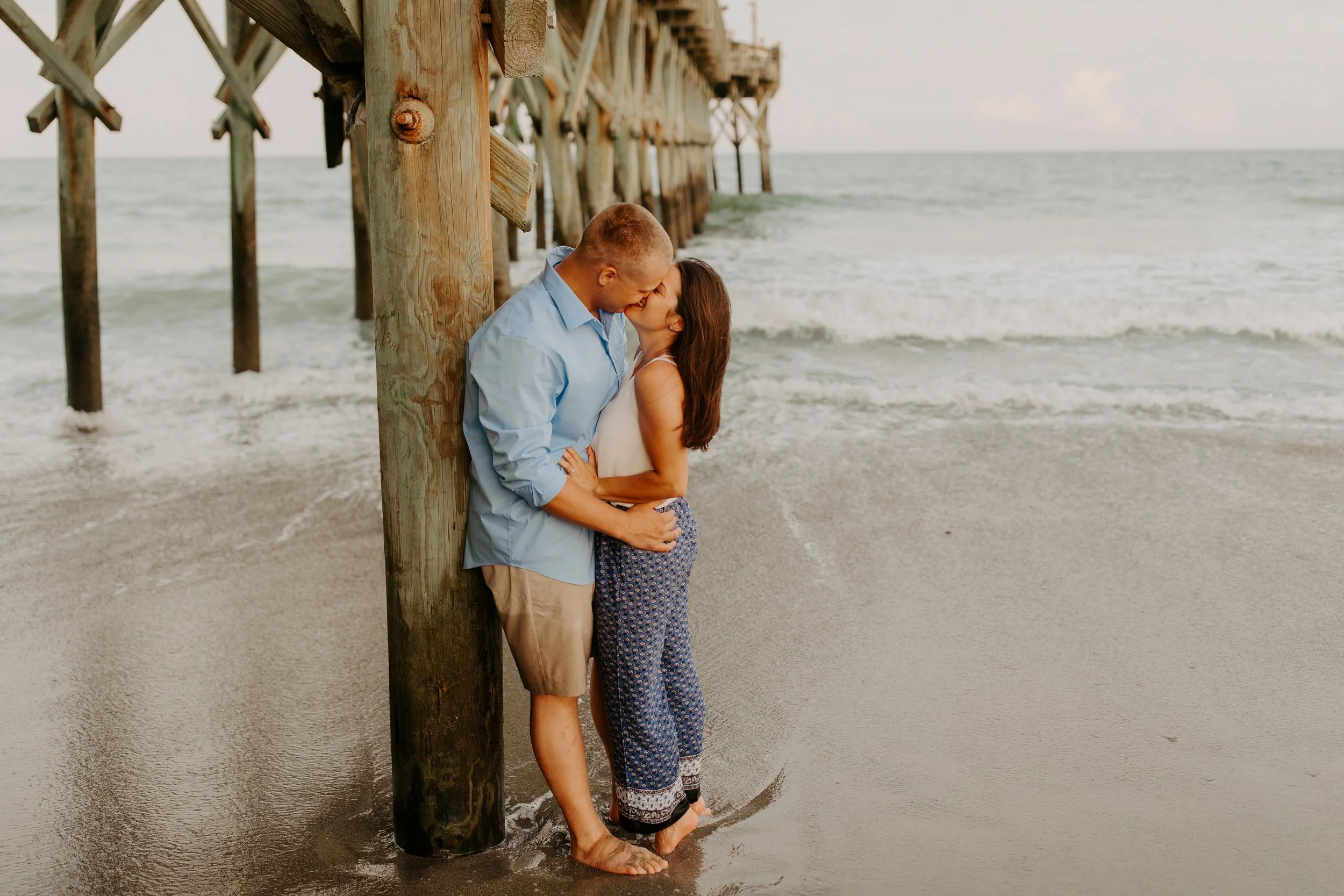
Why Guided Elopement Planning Often Saves Money Overall
At first glance, guided elopement planning can feel like an added expense. But in practice, it often helps couples avoid unnecessary costs, reduce last-minute decisions, and build a day that works smoothly from the start.
This is especially true in Alabama, where location rules, seasonal conditions, and access can vary widely from one place to the next.
Fewer Permit Surprises
One of the most common ways couples overspend is by choosing a location before understanding what’s required to use it. This can lead to unexpected permit fees, last-minute location changes, or added logistics that weren’t originally budgeted for.
Planning with regulations in mind from the beginning helps:
Avoid locations that require unnecessary permits
Choose sites that match the scale and impact of the ceremony
Reduce last-minute changes that add stress and cost
Better Use of Time (and Fewer Add-Ons)
When timelines are built intentionally, there’s less need to add extra coverage or rush through the day to make everything fit.
Guided planning often means:
Choosing locations that work well together geographically
Timing the ceremony for the best light without padding the schedule
Building in buffer time so the day doesn’t feel compressed
Instead of paying for fixes, couples are investing in a timeline that works from the start.
Location Choices That Match the Season
Alabama’s seasons affect everything from water levels to crowd patterns to comfort. Choosing the right location for the time of year can prevent the need for:
Last-minute vendor changes
Unplanned travel adjustments
Additional lodging or transportation costs
Season-aware planning keeps the experience aligned with both the environment and the budget.
Less Decision Fatigue, Fewer “Just in Case” Expenses
When couples feel uncertain, they often add things “just in case”—extra décor, backup vendors, or rushed purchases that don’t actually improve the experience.
Clear guidance helps couples:
Make confident decisions earlier
Spend intentionally instead of reactively
Focus their budget on what truly supports the day
Over time, this tends to reduce overall spending, even when the experience itself is more thoughtfully designed.
The Goal Isn’t to Spend Less—It’s to Spend Better
Most couples don’t regret investing in:
Enough time to feel present
Locations that feel right for them
Support that keeps the day calm and grounded
What they do regret is spending money on things that didn’t meaningfully contribute to the experience.
Guided elopement planning isn’t about adding complexity. It’s about removing uncertainty, so your budget supports the kind of day you actually want.
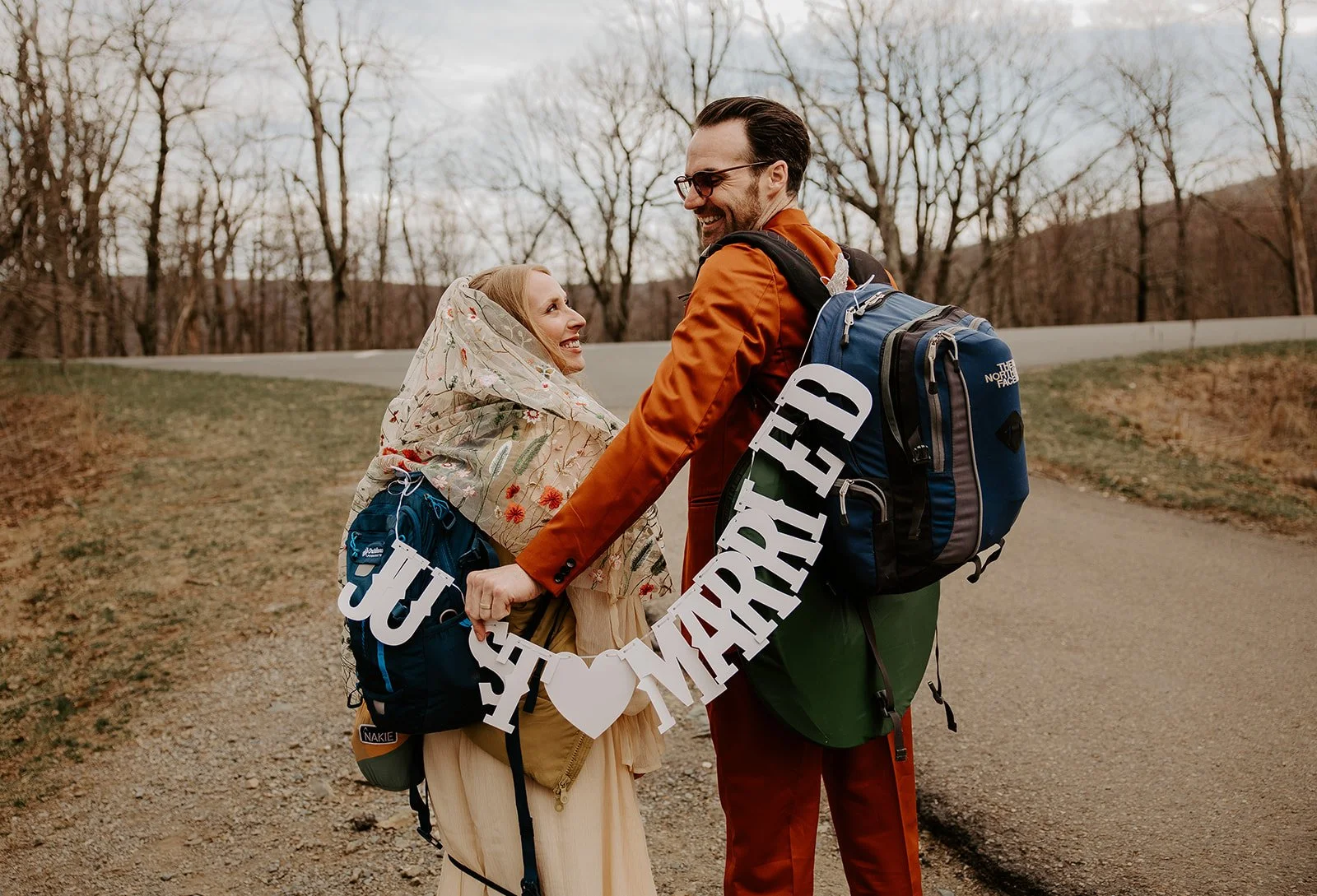
Is Alabama an Affordable Place to Elope Compared to Other States?
Alabama often surprises couples in a good way. While it offers a wide range of landscapes, from waterfalls and forests to mountains and quiet natural areas, the logistics are generally less restrictive than many high-traffic elopement destinations.
That doesn’t mean eloping in Alabama is automatically inexpensive. It means more of your budget can go toward the experience itself, rather than being absorbed by permits, congestion, or limited access.
Fewer Barriers Than Many National Parks
Compared to national park elopements, Alabama often offers:
Lower permit fees, when permits are required
More flexibility around ceremony locations
Less competition for specific sites and times
This flexibility allows couples to prioritize timing, privacy, and pacing without needing to plan months or years in advance.
Less Pressure to “Work Around the Crowds”
In many popular elopement destinations, crowds dictate everything—from ceremony timing to how long you can stay in one place. That pressure often leads to:
Sunrise-only timelines
Added coverage hours just to avoid people
Compromises that don’t align with the couple’s vision
In Alabama, it’s often easier to plan a day that feels natural and unrushed, which can reduce the need for workarounds that quietly increase cost.
More Flexibility With Lodging and Travel
Lodging options in Alabama tend to be more varied and accessible than in high-demand elopement hubs. Couples often have the option to:
Stay closer to their ceremony location
Choose lodging that supports a relaxed getting-ready experience
Avoid long drives that add stress or require extra coverage
This flexibility helps the day feel cohesive without inflating the overall budget.
Experience Still Matters More Than Location
Even in a state with fewer logistical barriers, the biggest cost differences still come down to:
How much time you want the day to hold
How many locations you’re including
How supported you want to feel throughout planning
Alabama gives couples room to shape their experience without unnecessary friction—but the quality of the day still depends on intentional planning and realistic expectations.
The Takeaway
Alabama isn’t “affordable” because it’s lesser, it’s flexible. That flexibility allows couples to invest where it matters most: time, presence, and a calm, meaningful experience.

How to Decide What’s Worth Investing In for Your Alabama Elopement
Once you’ve seen realistic budgets and examples, the next step isn’t choosing a number—it’s deciding what you want your elopement to feel like.
For most couples, the best budget decisions come from clarity around a few key priorities rather than a long checklist of details.
Start With the Experience You Want
Before thinking about line items, it helps to ask:
Do we want a simple, focused ceremony or a full day that unfolds slowly?
Is privacy more important than ease of access?
Do we want to move between locations or stay grounded in one place?
Your answers to these questions naturally shape both the timeline and the overall investment.
Think in Terms of Time, Not Just Cost
Time is one of the biggest factors in how an elopement feels. More time often means:
Less rushing
More flexibility if conditions change
Space to be present rather than managing logistics
For many couples, investing in enough time is what turns a good elopement into a meaningful one.
Invest Where It Reduces Stress
The most worthwhile investments are usually the ones that remove uncertainty. This might look like:
Choosing locations that match the season and conditions
Building a timeline that works with light and access
Having guidance so decisions don’t pile up at the last minute
These choices don’t always show up as obvious “extras,” but they often make the biggest difference in how the day feels.
Let Simplicity Work in Your Favor
One of the strengths of eloping in Alabama is that simplicity often enhances the experience. You don’t need elaborate setups or packed schedules for the day to feel intentional.
When your budget supports ease, comfort, and presence, the experience tends to speak for itself.

If You’re Deciding Between Experiences
If you’re still unsure which type of Alabama elopement experience fits best, it can help to think less about budget tiers and more about how you want the day to move.
Here are a few questions that often bring clarity:
Do you want your elopement to feel like a single, focused moment or a full day you don’t have to rush through?
Are you comfortable with a simple, accessible location, or do you want flexibility to explore and adjust as the day unfolds?
Would it feel grounding to have guidance carrying the logistics, or do you prefer to keep things minimal and self-directed?
Couples who want a calm, unhurried day tend to gravitate toward experiences with more built-in flexibility. Couples who value simplicity above all often feel most at ease with a streamlined approach. Neither is better—what matters is choosing the experience that supports how you want to feel on the day itself.
Seeing the Difference Time Makes
If you’re trying to picture how these experiences actually differ in practice, timelines are often the clearest lens. A few extra hours can change the entire pace of the day, from how you get ready to how much space you have to simply be present together.
I walk through real Alabama elopement timelines, based on season, location type, and access, in What an Alabama Elopement Day Actually Looks Like. Seeing those examples side by side often makes the decision feel much more intuitive.
Where to Go From Here
If you’ve read through these examples and found yourself thinking, this feels doable or this sounds like the kind of day we want, the next step is simply a conversation.
At this stage, most couples don’t have every detail figured out—and they don’t need to. An initial inquiry helps clarify which experience fits best, what kind of locations make sense for your priorities, and how timing, season, and access factor into the overall plan.
If you’re still exploring what’s possible across the state, How to Elope in Alabama – Locations, Permits, & Alabama Elopement Packages offers a broader look at locations, seasons, and logistics. From there, we can talk through what an Alabama elopement would realistically look like for you—and whether working together feels like the right fit.
If you’d like to see how these experiences are structured in more detail, including what’s included with each level of coverage, you can also explore my Alabama elopement pricing here.
The form below is simply a starting point. It gives me enough context to offer thoughtful guidance, not a sales pitch or a one-size-fits-all response.


Get Inspired by Other Alabama Galleries


Browse More Elopement Resources


Bethany Wolf
Guided Public-Lands Elopement Photographer
✔ permits & logistics handled
✔ timeline design
✔ location guidance
✔ travel included nationwide
Courtney and CJ’s engagement session in Port St. Joe shows how choosing a location with personal meaning creates relaxed, genuine images. This session highlights why Florida’s quieter Gulf Coast towns are ideal for engagement photos and how letting a session unfold naturally leads to effortless connection and movement.