

Imperial Sand Dunes Travel Guide: When to Go, What to Do & Photo Tips
So, you’re planning a trip to one of the nation’s largest inland sand dune systems but aren’t sure where to start. By the end of this guide, you’ll know exactly how to plan your visit to the Imperial Sand Dunes — when to go, what to do, where to stay, and how to experience the dunes at their most beautiful.
Whether you’re exploring, photographing the landscape, or dreaming up an unforgettable desert adventure, this guide will help you make the most of your time here.
About Imperial Sand Dunes
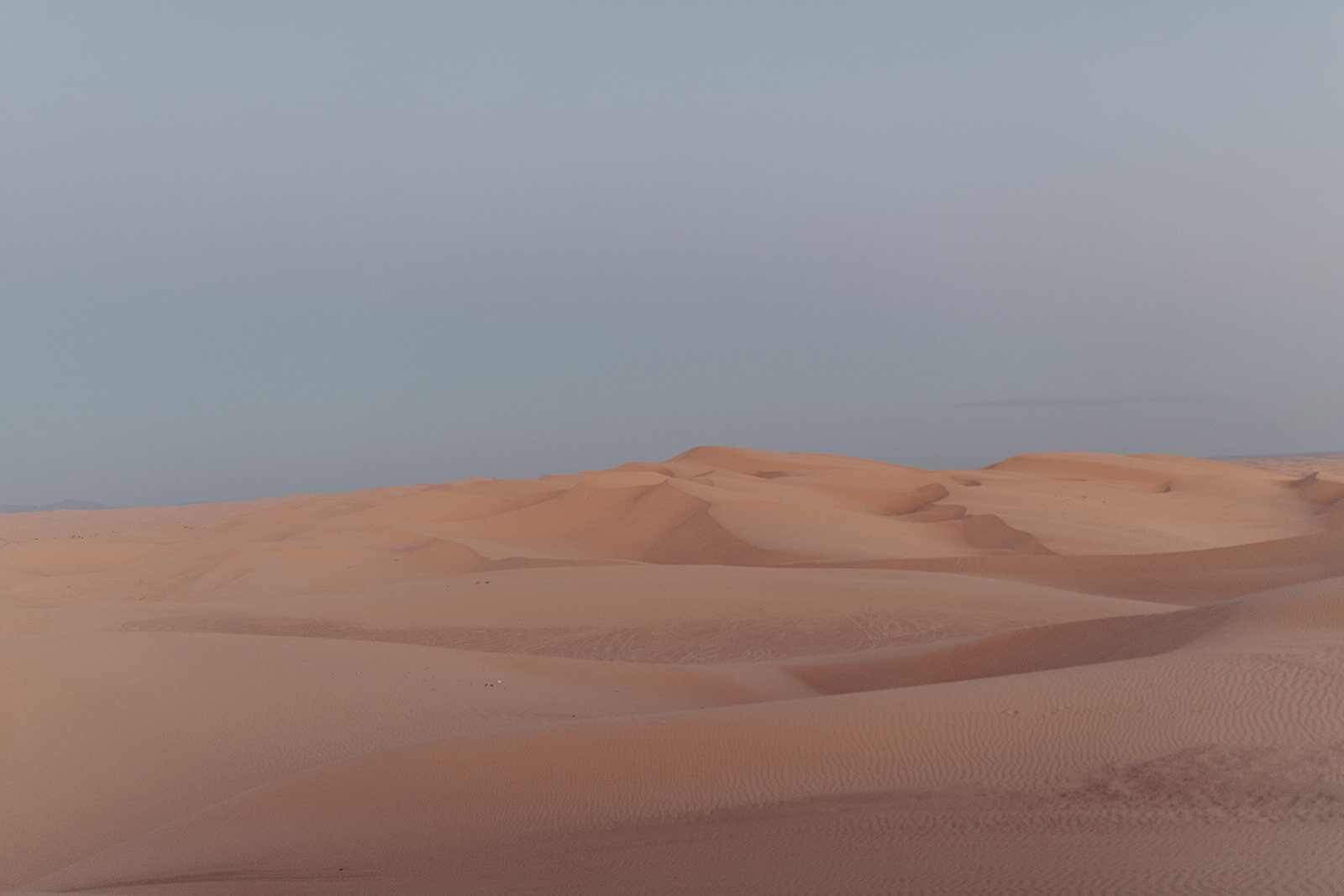
The Imperial Sand Dunes Recreation Area spans roughly 40 miles along the eastern edge of California, near the Arizona border. Often called the Algodones Dunes, this vast landscape is the largest mass of sand dunes in Californiaand one of the most expansive inland dune systems in the United States.
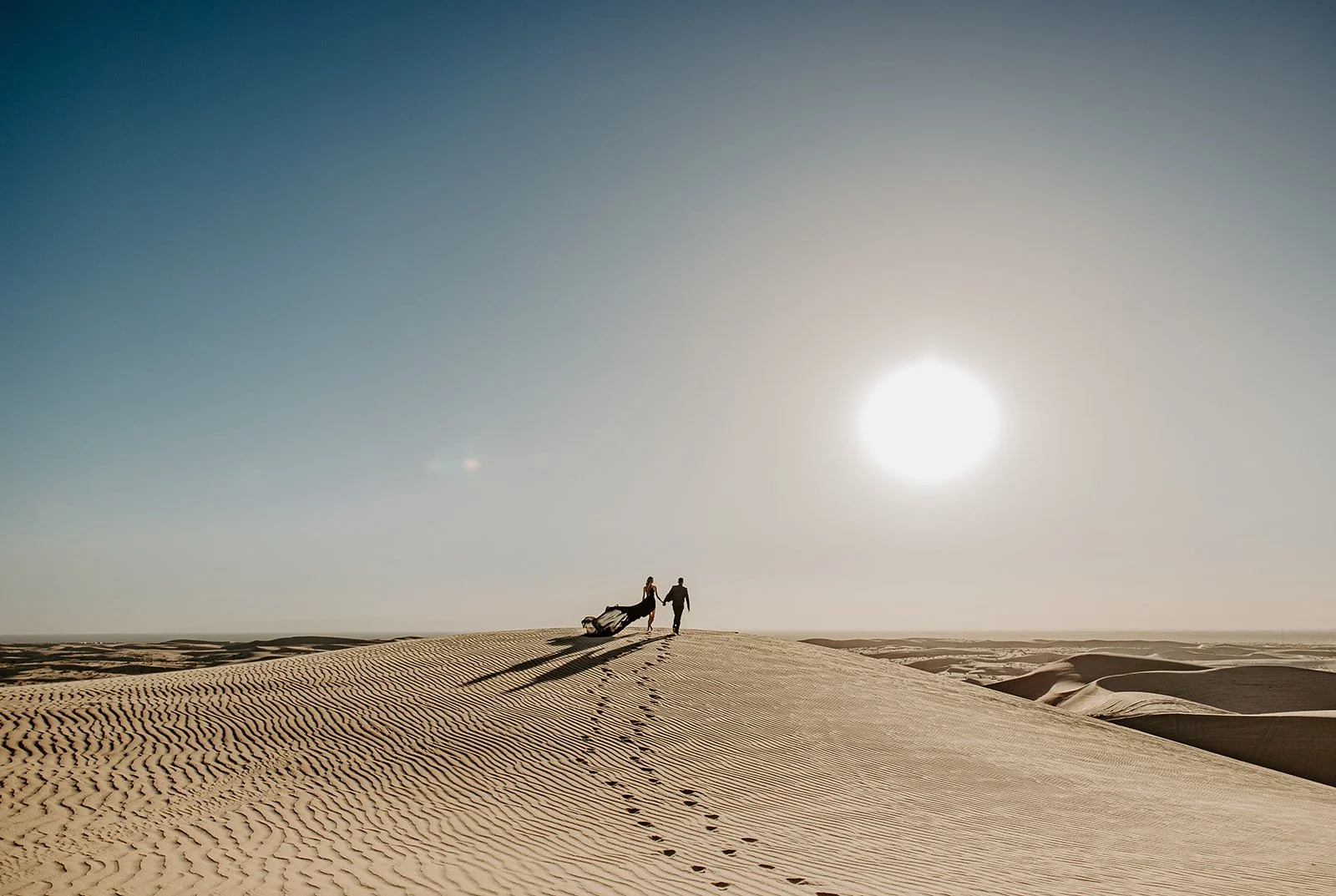
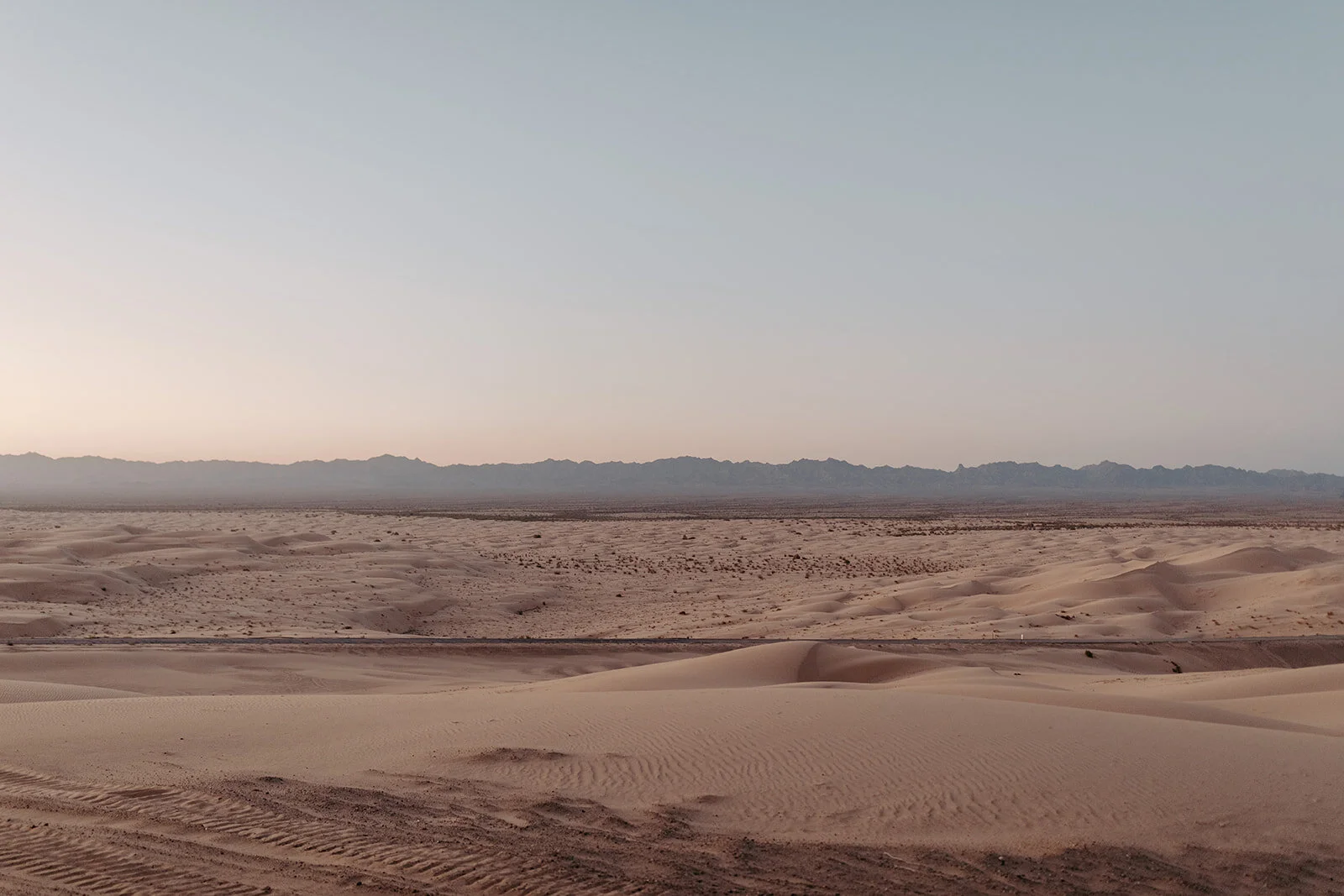
Shaped by wind and time, the dunes form sweeping ridgelines, soft valleys, and ever-shifting patterns that feel both stark and mesmerizing. Depending on the light and season, the landscape can appear golden, ivory, or softly shadowed, with tones that change by the minute.
While the dunes are well known for off-highway vehicle recreation, they also support sensitive habitats and protected wilderness areas. Portions of the recreation area are closed to vehicle travel to preserve rare plants and wildlife, including the threatened Peirson’s milk-vetch and desert species specially adapted to this environment.
Visitors may encounter kit foxes, desert lizards, and migratory birdlife, while ongoing conservation and habitat restoration efforts help protect this fragile ecosystem for future generations.
Beyond recreation, the dunes offer a rare sense of openness and quiet — especially at sunrise and sunset, when shifting light softens the landscape and the vastness feels almost otherworldly.
Location & Getting There
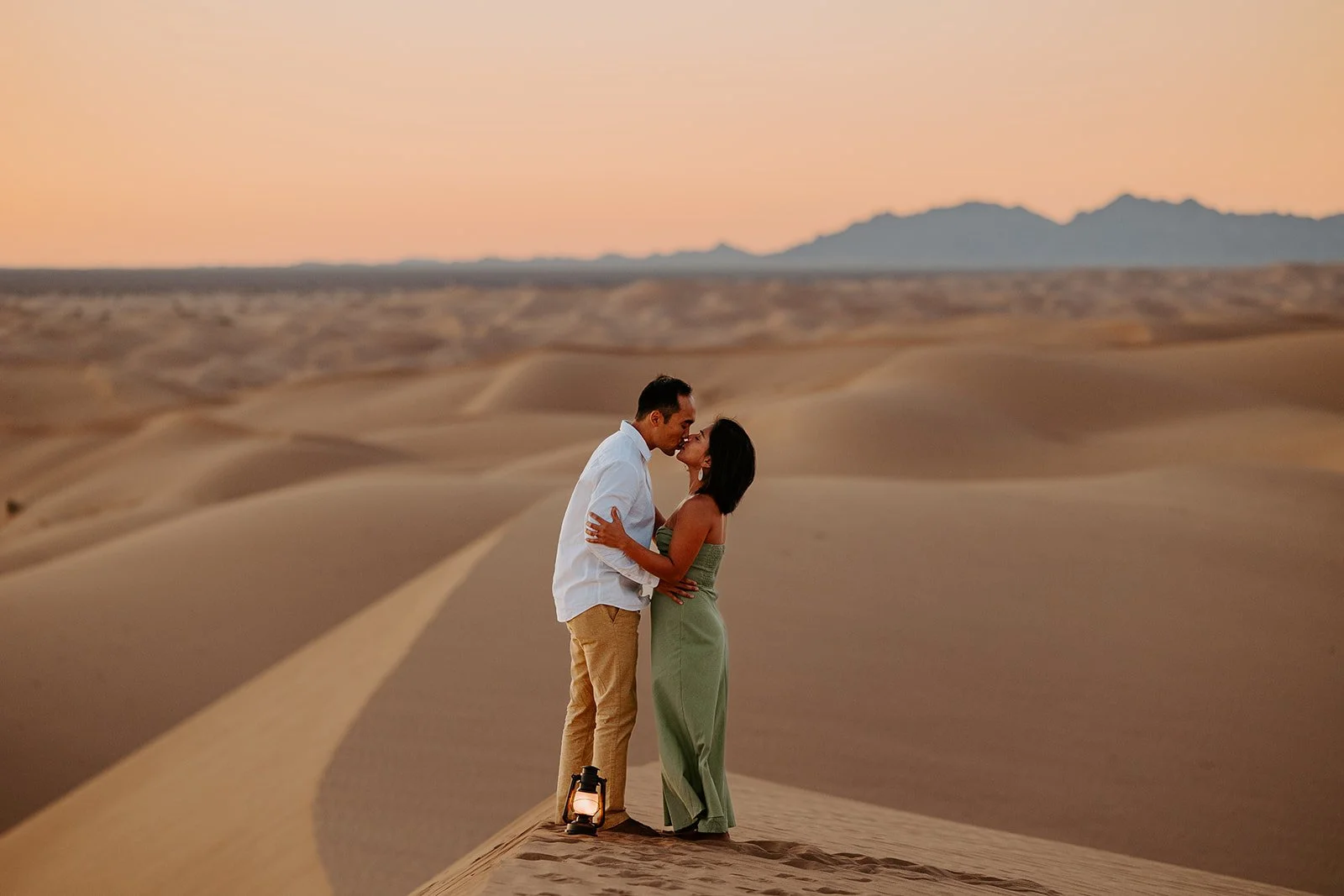
The Imperial Sand Dunes Recreation Area is located in southeastern California, near the Arizona border and just west of Yuma. The dunes stretch roughly 40 miles north to south, forming a dramatic desert landscape easily accessible by highway.
📍 Where to Find the Dunes
Nearest town: Glamis, California
Closest city with services: Yuma, Arizona (~ 25 miles)
Major access route: Highway 78 runs along the western edge
Region: Imperial County, California
Because the dunes extend across a large area, multiple entry points provide access depending on how you plan to explore.
Main Access Areas
Glamis Entrance
The most well-known access point, popular for recreation and staging.
Buttercup Valley Area
Located near Interstate 8, offering convenient access and scenic dune views.
Ogilby Road Access
A quieter entry area ideal for visitors seeking a more relaxed experience.
Closest Airports
Yuma International Airport (YUM) – about 30 minutes away
Palm Springs International Airport (PSP) – about 2.5 hours
San Diego International Airport (SAN) – about 3 hours
Due to its vast size, choosing the right access point can greatly shape your experience — from lively recreation zones to quieter stretches of open dunes.
LATITUDE/LONGITUDE: 32.97321, -115.17314
DIRECTIONS: Access to the Imperial Sand Dunes Recreation Area is best made along Highway 78 located East of Brawley, California or along Interstate 8 west of Yuma, Arizona.
History
These massive dunes were created by strong winds pushing sand from the ancient shores of Lake Cahuilla. Lake Cahuilla was formed as the Salton Sink received diverted river flow from the Colorado River. Lake Cahuilla covered Imperial, Coachella, and Mexicali Valley as late as 1450. These strong winds pushed the dunes from this old lakeshore to the location where you can now find them. This process still continues to this day! The dunes are measured to be moving southeast at a rate of 6 to 25 centimeters per year. You can even see the effects of the wind written in the sand from the unique ripples throughout the dunes that are unlike anything else.
These dunes have also played a role in more of America’s history. As the U.S. bought more land, people were naturally curious to want to explore that new land and travel, especially out west. Naturally, the Southern Pacific railroad was started in 1865. With these dunes being such a large geographical feature, they were forced to divert the railroad north in 1877 to avoid the dunes.
In October 1912, “Colonel” Ed Fletcher accepted a challenge to run a road race to determine the best route from southern California to Phoenix. San Diego’s civic leaders wanted to ensure that San Diego became the hub of southern California’s road network rather than their competitor in the road race, Los Angeles. “Colonel” Ed Fletcher found a way to cut across these dunes and easily connect San Diego, California to Yuma, Arizona. The first planks were laid on February 14, 1915 to what is now known as the Old Plank Road. When it was completed 2 months later, the road was 6.5 miles long and made from two parallel plank tracks that were spiked to wooden crosspieces that were laid underneath. The upkeep of Plank Road proved to be difficult, but ultimately proved that a road was possible. Plank Road made way for a paved highway and eventually Interstate 8! You can still see some of the plank road today at Imperial Sand Dunes.
The Bureau of Land Management states, "Today, not much of the plank road remains. The remaining fragments have been designated as an Area of Critical Environmental Concern (ACEC) under the jurisdiction of the Bureau of Land Management. The historical significance the plank road has played in early American transportation and western migration history led the State of California to designate it as a California Historical Landmark on January 21, 1971; it was also determined eligible for inclusion in the National Register of Historic Places. (Dept. of Parks and Recreation 2009) Remnants of the Plank Road are protected and the fenced section may be viewed up close at the west end of Grays Well Road by exiting Interstate 8 at the Grays Well road exit. A Plank Road Monument and interpretive wayside panels are located there."
From 1942 to 1944, the Imperial Sand Dunes were a part of America’s war efforts for World War II . The United States Military created the Desert Training Center, which is also know as the California-Arizona Maneuver Area (CAMA). It was the largest military training grounds in the history of military maneuvers during World War II. This area was used to train the United States Army and Army Air Forces in desert warfare. The CAMA ceased operation on April 15, 1944 and officially discontinued on May 1.
In 1966, these dunes were designated as a national natural landmark by the National Park Service and became the protected landmark that we visit today!
This giant sand box now attracts millions of visitors each year. Even filmmakers! That’s right! Movies have been being filmed here since 1913. Some of the most recent and most popular are Star Wars: Return of the Jedi, The Scorpion King, and Jumanji 3.
Best Time to Visit the Imperial Sand Dunes
The best time to visit the Imperial Sand Dunes is typically between November and March, when temperatures are mild and the desert landscape is most comfortable to explore.
Winter & Early Spring (Peak Season)
November through March offers the most enjoyable conditions.
Daytime temperatures: 65–80°F
Evenings: Cool to chilly after sunset
This is the ideal season for:
exploring the dunes on foot
sightseeing and photography
camping and stargazing
comfortable daytime adventures
Holiday weekends and winter events can bring larger crowds, particularly in popular recreation areas.
Late Spring (Warming Temperatures)
April through early May brings rising heat and increased sun exposure.
Daytime temperatures: often exceed 90°F
Visiting early in the morning or near sunset is strongly recommended during this period.
Summer & Early Fall (Extreme Heat)
June through September can bring dangerous heat levels, often exceeding 110°F.
During these months:
outdoor activity is limited
heat-related illness risk is high
travel planning requires extra caution
If visiting during summer, early sunrise hours are the safest time to be outdoors.
Best Time of Day to Experience the Dunes
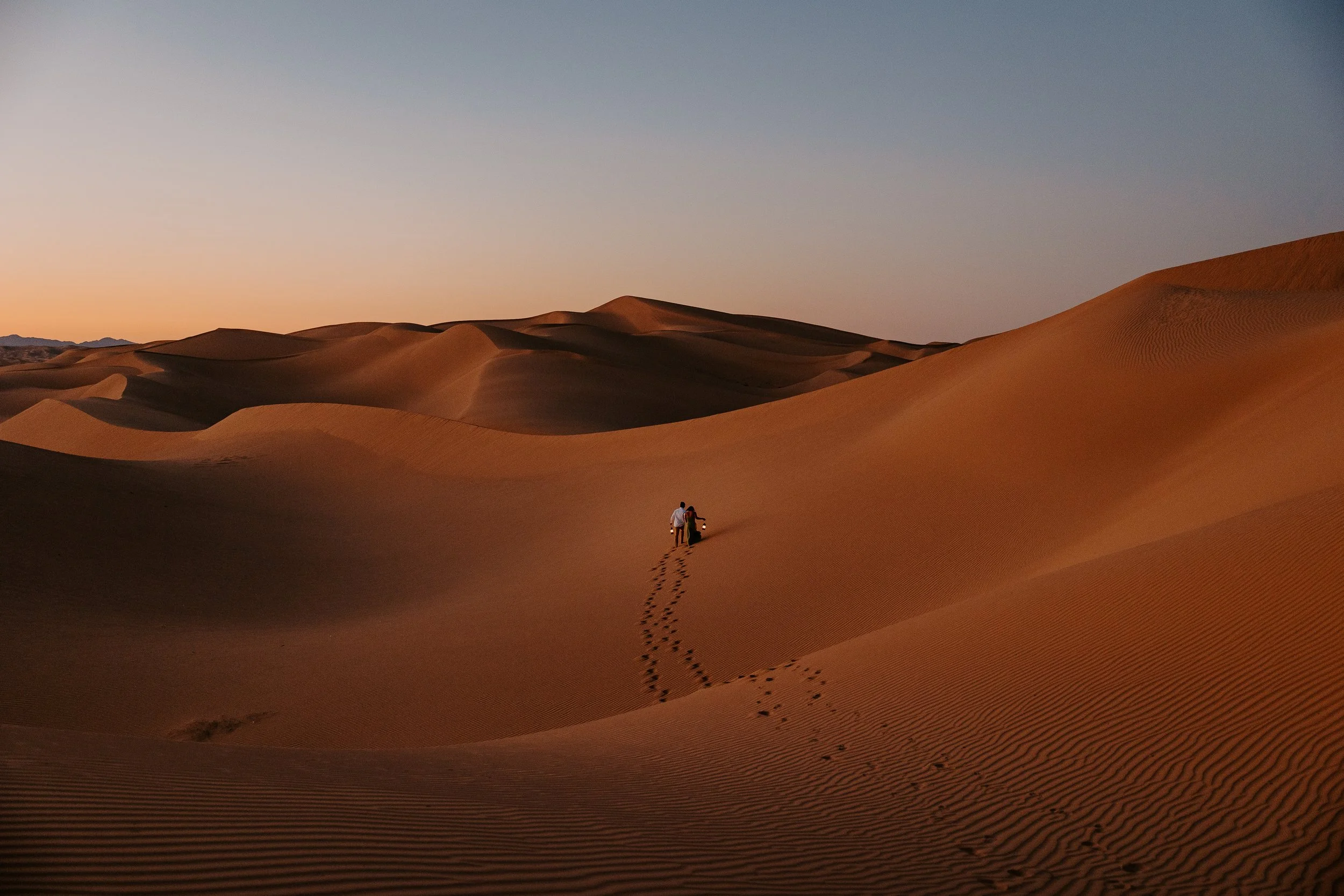
The dunes feel most magical during sunrise and sunset, when shifting light reveals texture, depth, and shadow across the sand.
These quieter hours offer:
✔ softer temperatures
✔ fewer visitors
✔ calmer winds
✔ dramatic lighting conditions

Image from Weather Atlas
Things to do at Imperial Sand Dunes
The Imperial Sand Dunes offer a wide range of experiences — from high-energy OHV riding to quiet scenic exploration. Because this is a remote desert environment, a little planning goes a long way toward having a safe, memorable visit.
Off-Highway Vehicle Recreation (ATVs, UTVs & Dirt Bikes)
The dunes are one of the most popular OHV riding areas in the Southwest, drawing riders from across California, Arizona, and beyond. With miles of open terrain and rolling ridgelines, it’s an unforgettable place to ride — but the vast landscape can also make navigation challenging.
Navigation & safety before you ride
Download offline maps before arriving — cell service is limited or nonexistent in many areas.
Consider using a satellite GPS device if exploring beyond main staging areas.
Always note your parking location and plan your return route — shifting dunes and disappearing tracks can make it easy to lose orientation.
Required safety equipment
All vehicles operating in the dunes must be equipped with a whip mast and a 6 × 12 inch red or orange safety flag mounted high enough to remain visible over dune ridgelines.
Permits & registration requirements
OHV use in the dunes requires proper registration:
Vehicles must be street-legal or registered as an OHV.
Out-of-state riders may need a California nonresident OHV permit depending on their vehicle registration.
Street-legal vehicles entering recreation areas may also require an ISDRA recreation permit.
Because regulations can change, it’s wise to verify requirements before your trip through the Bureau of Land Management (BLM).
Where to rent ATVs & UTVs
If you’re not bringing your own vehicle, several reliable rental providers serve the dunes:
Desert Adventures – Guided tours and ATV rentals with transportation options.
Outback ATV Rental – Popular UTV rentals and dune delivery service.
Sun Buggy & ATV Rentals – Long-standing desert recreation company offering guided rides.
Seasonal vendors may also operate near Glamis and Winterhaven during peak winter months.
Reservations are recommended between November and March.
Sandboarding & Sand Sledding
The dunes’ smooth slopes make them ideal for sandboarding and sand sledding, offering a fun, non-motorized way to experience the terrain.
Sandboards can typically be rented from sporting goods and outdoor recreation shops in Yuma, and some OHV rental providers may offer boards seasonally.
Waxed boards designed specifically for sand perform best.
If you’re planning photos while playing in the dunes, this guide on Your Sand Dunes Photoshoot: Everything You Need To Know can help you prepare for wind, light, and sand conditions.
Exploring on Foot (Scenic & Quiet Areas)
Walking the dunes offers a quieter, more immersive experience, especially away from motorized recreation zones.
Hugh T. Osborne Lookout Park
This easily accessible overlook provides panoramic dune views and a convenient place to walk onto the sand — especially beautiful at sunset.
North Algodones Dunes Wilderness
For a more tranquil experience, the North Algodones Dunes Wilderness prohibits vehicles and mechanized travel, preserving a quieter landscape ideal for hiking and solitude.
Old Plank Road
History lovers can explore remnants of the Old Planked Road, an early 1900s wooden roadway that once helped travelers cross the shifting sands.
Wildlife & Desert Safety Awareness
The dunes are a living desert ecosystem. While exploring, be mindful of:
desert wildlife near vegetation and shaded areas
hot sand temperatures that can affect pets and small children
rapid dehydration risk in dry desert air
Bring extra water, provide shade breaks, and monitor pets and children closely.
If you’re traveling with your dog, planning ahead for heat and terrain can make the experience much more enjoyable — a few practical tips in How To Include Your Dog In Your Elopement apply just as well to desert adventures.
Photography & Scenic Viewing
With sculpted ridgelines, shifting textures, and dramatic light, the dunes provide endless photographic opportunities.
Photographers often visit for:
sunrise shadow patterns
golden sunset light
minimalist desert landscapes
Milky Way night skies
Calm mornings after windy nights often reveal freshly sculpted sand patterns.
If you’re planning a dedicated session, you may find helpful preparation tips in Your Sand Dunes Photoshoot: Everything You Need To Know.
Before you go: Important Tips
Because the dunes are a remote desert environment, planning ahead is essential.
Restrooms
Vault toilets are available near major staging and recreation areas, but facilities are limited.
Water
Bring more water than you think you need — there are no reliable water sources in the dunes.
Gas & Supplies
Fuel up before entering recreation areas.
The closest reliable services are in Yuma, Arizona, with limited options in Winterhaven and seasonal vendors near Glamis.
Cell Service
Reception is limited or nonexistent. Download maps before arriving.
Sun & Wind Protection
Bring sunscreen, sunglasses, lip balm, and a face covering for wind and blowing sand.

Fees, Permits, Rules, & Regulations
The Imperial Sand Dunes Recreation Area is managed by the Bureau of Land Management (BLM). While visiting is straightforward, understanding a few key regulations helps protect the landscape and ensures a safe experience.
Entrance & Recreation Fees
Visitors entering developed recreation areas or staging zones may be required to purchase an Imperial Sand Dunes Recreation Permit (ISDRA).
Typical permit options include:
short-term visitor permits
weekly permits
seasonal permits
Permits are commonly available at entrance stations, local vendors, and authorized retailers in nearby communities.
If you plan to explore only roadside viewpoints or wilderness areas, fees may not apply.
OHV Riding Regulations
If you plan to ride ATVs, UTVs, or dirt bikes:
Vehicles must be street-legal or registered as an OHV.
Out-of-state riders may need a California nonresident OHV permit.
All vehicles must display a whip mast with a red or orange safety flag.
Riding is allowed only in designated recreation zones.
Protected wilderness areas prohibit motorized travel.
Protected & Wilderness Areas
Certain sections of the dunes are closed to vehicle travel to preserve fragile habitat and wildlife.
These protected zones help safeguard:
rare desert plant species
sensitive wildlife habitats
wilderness landscapes
The North Algodones Dunes Wilderness is one such area, offering a quieter experience for visitors exploring on foot.
Leave No Trace & Environmental Care
The dunes are a delicate desert ecosystem shaped by wind, time, and minimal rainfall.
Visitors can help protect the landscape by:
packing out all trash
avoiding vegetation and fragile habitat areas
respecting closed restoration zones
staying within designated riding areas
Practicing responsible recreation helps preserve this unique environment for future visitors.
Drone Use Regulations
Drone use is generally permitted on BLM land but must follow FAA regulations and avoid interfering with wildlife, recreation areas, or emergency operations.
Always verify current restrictions before flying.
Where to stay
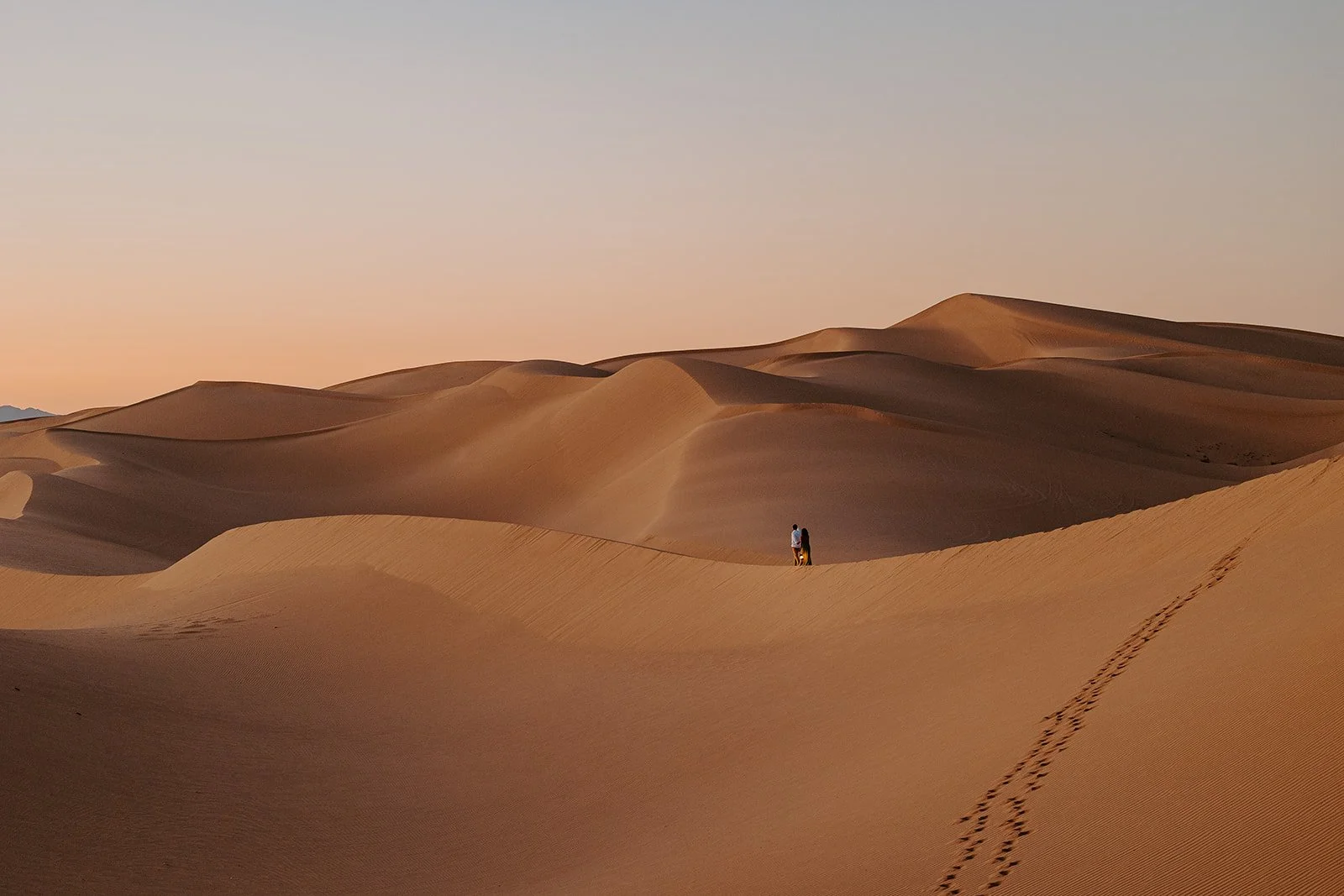
Whether you’re planning a day trip or an overnight stay, there are several ways to experience the dunes — from open desert camping to convenient accommodations in nearby towns.
Camping at the Dunes
Camping is one of the most popular ways to experience the Imperial Sand Dunes, especially during the cooler months.
Open Desert Camping
Dispersed camping is permitted in designated recreation areas.
Expect:
wide open desert views
minimal facilities
unforgettable night skies
early morning solitude
Be prepared to pack in everything you need and pack out all waste.
Buttercup Valley Campground
Located near Interstate 8, this developed campground offers:
designated campsites
vault toilets
easy access from the highway
scenic dune views
It’s a convenient option for visitors who want amenities while staying close to the dunes.
RV Camping & Staging Areas
Large staging areas throughout the recreation zone accommodate RVs, toy haulers, and trailers, making the dunes a popular destination for extended desert stays.
During peak winter months, these areas can feel lively and community-oriented, especially near major access points.
Nearby Towns & Lodging
If camping isn’t your style, nearby towns offer convenient lodging options.
Yuma, Arizona (~25 miles)
The closest full-service city with:
hotels and vacation rentals
restaurants and grocery stores
fuel and supplies
equipment rentals
Brawley, California (~ 20–25 miles west)
A smaller agricultural town that offers:
budget-friendly hotels
local restaurants
gas stations and basic supplies
quick access to Highway 78
Brawley can be a convenient base if you’re approaching from the west or looking to avoid larger city traffic.
Winterhaven, California
A small nearby community with limited services.
Many visitors choose to stay in Yuma for comfort while making day trips to the dunes.
You can also check out Airbnb for individual room rentals or even whole homes!
Why Stay Overnight?
Spending the night allows you to experience:
✔ cool desert evenings
✔ incredible stargazing
✔ sunrise light across untouched dunes
✔ quieter early morning conditions
Wind often smooths the sand overnight, making sunrise an especially beautiful time to explore.
Helpful Planning Tip
Winter weekends and holiday periods bring the highest visitation. If you’re seeking a quieter experience, visiting midweek or staying farther from main staging areas can offer more solitude.
Where to eat
Okay, so you know all about the Imperial Sand Dunes, you know what you want to do, and you know where you’re going to stay. But, where are you going to eat? Here’s a list of a few of the best places to eat around the dunes.
Where To Eat Yuma, AZ
Where to eat El Centro, CA
Where to Eat Brawley, CA

Imperial Sand Dunes FAQs
Still have more questions? Here are some frequently asked questions about Imperial Sand Dunes.
-
The dunes are located in Imperial County, California, near Glamis and Winterhaven and just west of Yuma, Arizona.
-
Yes. The Imperial Sand Dunes are commonly called the Glamis Dunes, named after the nearby community.
-
Nearby towns include Brawley, California, Winterhaven, California, and Yuma, Arizona, where visitors can find lodging, fuel, and supplies.
-
The dunes are open 24 hours a day, year-round, although extreme summer heat can make daytime visits unsafe.
-
The best time to visit is November through March, when temperatures are mild and comfortable.
-
Cell service is limited and inconsistent. Visitors should download offline maps before arriving.
-
A recreation permit is required when entering developed recreation areas, camping, or using OHVs during peak season.
-
OHVs must be registered or street-legal, and out-of-state riders may need a California nonresident OHV permit. A safety flag and whip mast are required.
-
The dunes are managed by the Bureau of Land Management (BLM).
-
Yes. Scenic areas like Hugh T. Osborne Lookout Park and the North Algodones Dunes Wilderness allow visitors to explore on foot.
-
Yes. The shifting landscape lacks clear landmarks, so visitors should download offline maps and note their parking location.
-
Bring plenty of water, sun protection, sturdy footwear, and appropriate gear for desert conditions.
-
Vault toilets are available at staging areas, but facilities are limited. There are no reliable water sources, and fuel is best obtained in nearby towns.
-
Campfires and cooking devices are typically allowed in recreation areas, but permits and seasonal fire restrictions may apply.
-
Yes. Scenes from Return of the Jedi, including the Great Pit of Carkoon, were filmed here.
Final Tips for Planning Your Visit
The Imperial Sand Dunes offer a landscape unlike anywhere else in the Southwest — vast, ever-changing, and shaped by wind, light, and silence. With a little preparation, your visit can be both safe and deeply memorable.
✔ Plan for desert conditions
Bring extra water, protect yourself from sun and wind, and prepare for temperature swings between day and night.
✔ Choose your experience intentionally
Popular recreation zones can feel lively and energetic, while quieter areas and wilderness sections offer space, stillness, and solitude.
✔ Visit during the best light
Sunrise and sunset reveal the dunes at their most beautiful, with soft shadows and golden tones that transform the landscape.
✔ Start early when possible
Morning hours often bring cooler temperatures, fewer visitors, and freshly sculpted sand shaped by overnight winds.
✔ Respect the desert environment
Stay within designated areas, pack out what you bring in, and help preserve this fragile ecosystem for future visitors.
A Landscape Meant to Be Experienced
Whether you’re riding across open sand, wandering quiet ridgelines, photographing shifting textures, or simply watching the sun sink into the desert horizon, the dunes offer a rare sense of openness that’s hard to find elsewhere.
For those dreaming up an engagement session, adventure elopement, or desert portraits, the Imperial Sand Dunes provide an unforgettable setting shaped by light, texture, and vast desert sky. If you’re planning photos here, this preparation guide can help you feel confident heading into the sand: Your Sand Dunes Photoshoot: Everything You Need To Know.
Planning More Desert Adventures?
If the dunes are part of a larger Southwest road trip, you may also enjoy exploring nearby landscapes like How to Elope at Horseshoe Bend, the Monument Valley Elopement Guide, or the red rock scenery featured in What to do in Sedona.
Why Visitors Return Again and Again
Some come for the thrill of riding.
Others for the quiet of sunrise.
Many return for the feeling of standing in a landscape that feels both immense and peaceful at once.
However you choose to experience them, the dunes offer something rare: space to slow down, breathe deeply, and feel small in the best possible way.
Real Moments in the Dunes
If you’re wondering what an engagement session or intimate elopement can feel like among the sweeping ridgelines and open desert sky, these galleries offer a glimpse into real experiences shared here.
Explore how couples have embraced the quiet, light, and vastness of the dunes to create meaningful, personal moments.

Dreaming of Photos in the Dunes?
If you’re envisioning an engagement session, desert portraits, or an intimate elopement surrounded by open sand and endless sky, the Imperial Sand Dunes offer a setting that feels both expansive and deeply quiet.
I help couples plan experience-first sessions here — guiding location choices, timing for the best light, and logistics so the day feels calm and present.
If you’d like to explore what that could look like for you, you can view my pricing and reach out through my contact form to start the conversation.
Thinking about engagement photos at the Imperial Sand Dunes? This desert engagement session breaks down what couples can expect—from sunset lighting and wind to accessibility and planning tips—so you can decide if sand dunes are the right fit for your photos.