

Your Sand Dunes Photoshoot: Everything You Need To Know
Planning an engagement session, elopement, or bridal portraits in the sand dunes? These sun-soaked, wind-sculpted landscapes create some of the most striking and unforgettable images anywhere in the world.
Whether you’re dreaming of photos at Great Sand Dunes National Park in Colorado, the sweeping dunes of Glamis in California, or another desert landscape, a little preparation goes a long way toward making your experience feel effortless — and your images look incredible.
Below, you’ll find everything you need to know to plan a sand dunes photoshoot, from weather and timing to what to wear and how to prepare.
Weather At The Sand Dunes
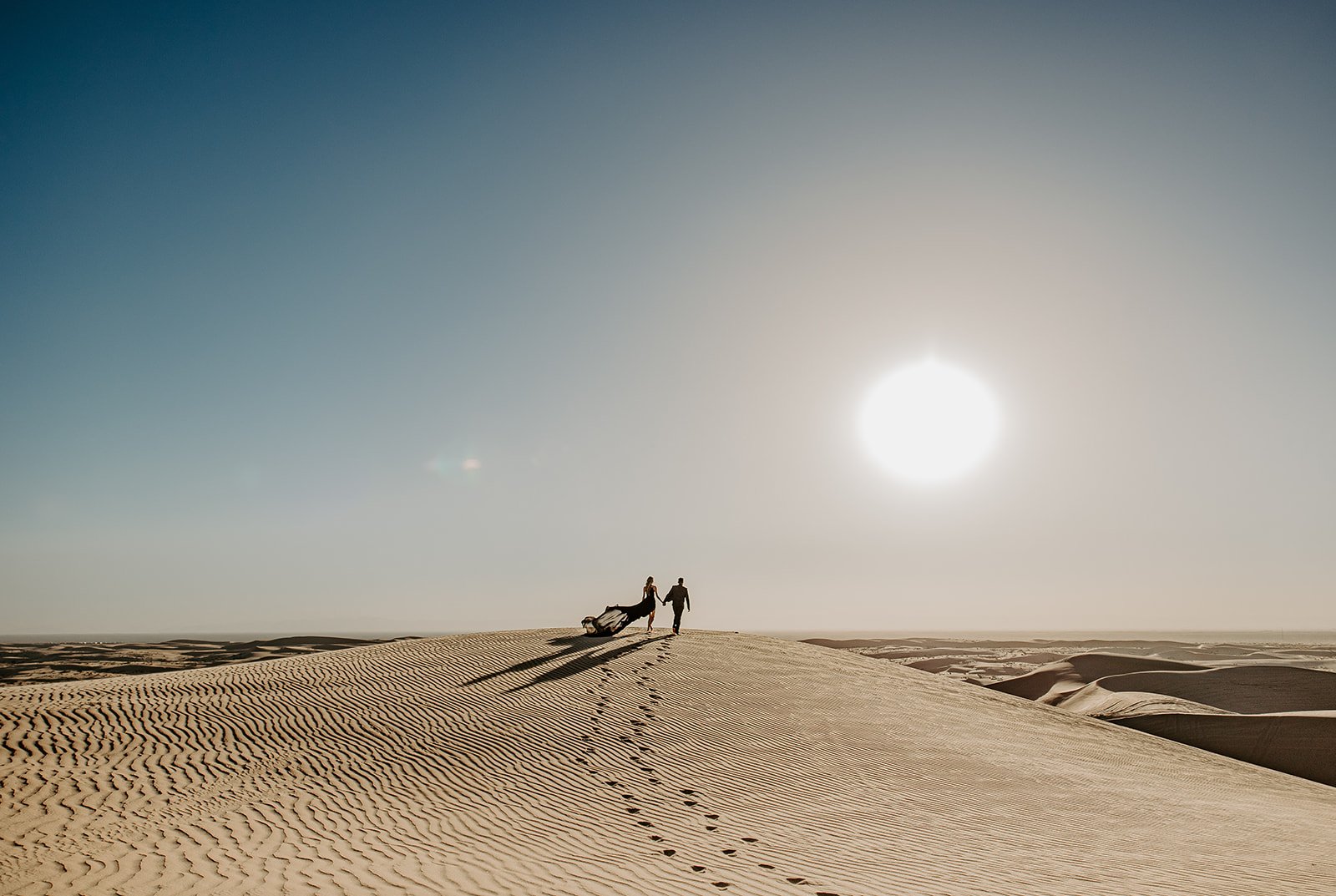
Many sand dune landscapes across the United States are located in regions where temperatures can swing dramatically. Even when air temperatures feel comfortable, the surface of the sand can become extremely hot — especially during late spring and summer.
In warmer months, midday sand temperatures can become uncomfortable or even unsafe to walk on barefoot. Planning your session for early morning or evening not only improves comfort but also creates softer, more flattering light for photos.
Wind is another important factor to consider. A light breeze can add beautiful movement to hair, dresses, and fabrics, creating dynamic, cinematic images. However, stronger winds can lift sand into the air, making conditions uncomfortable and reducing visibility.
Sand begins to shift and sting the skin when wind speeds reach around 13 mph. Most dune environments average between 5–10 mph winds, which typically feels comfortable and refreshing — but checking the forecast ahead of timeis always wise.
In places like Great Sand Dunes National Park, spring and fall often bring the most comfortable temperatures and dramatic light.
When to Plan Your Shoot
Be sure to check the official website for the dunes you plan to visit — whether it’s a National Park, State Park, or recreation area — for location-specific conditions and seasonal access.
For many dune environments located in hot climates, the most comfortable months fall between October and March. However, locations such as Great Sand Dunes National Park in Colorado experience snow and seasonal runoff, making the ideal window late April through early June and again September through October.
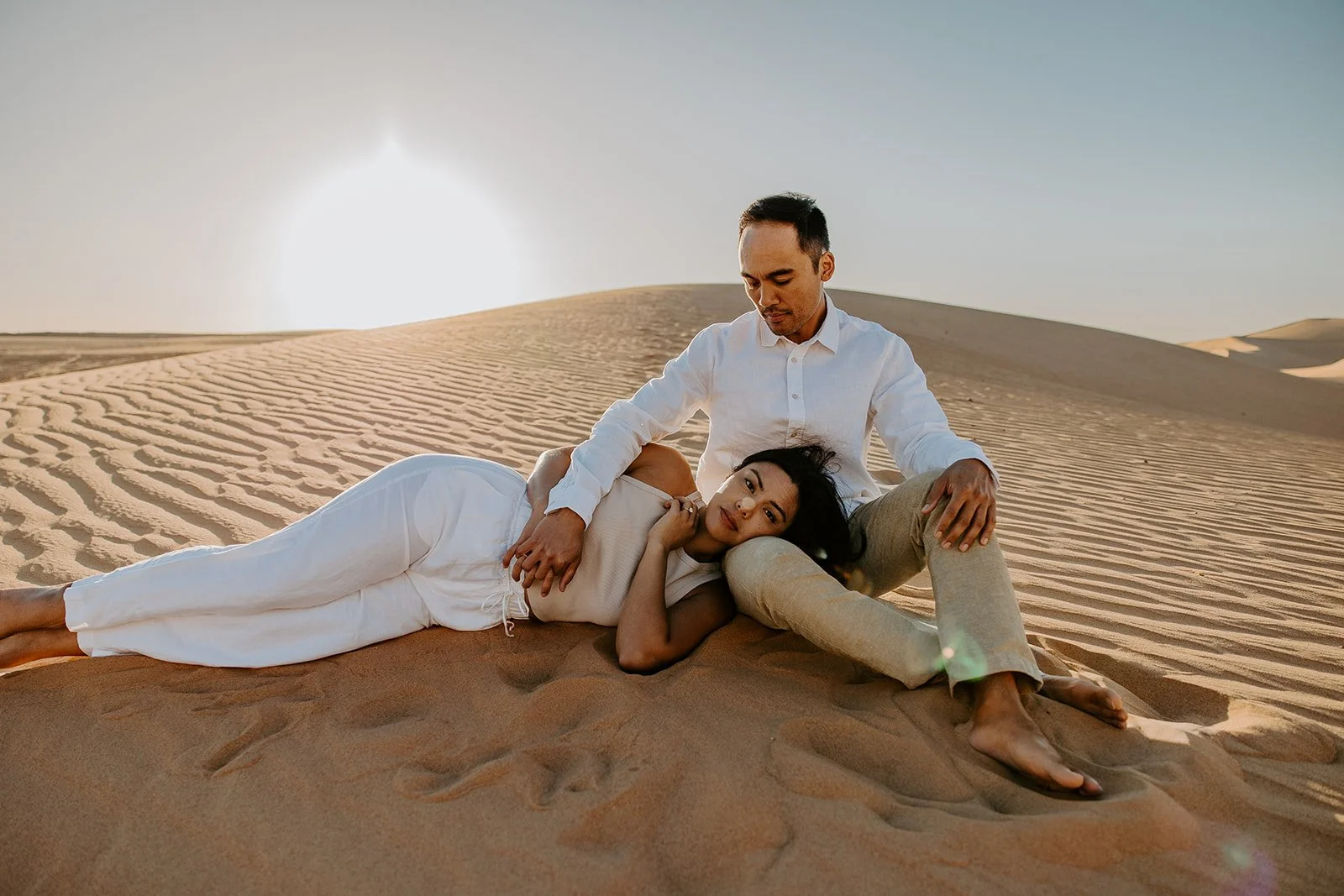
Whenever possible, avoid the peak midday sun. Planning your session for sunrise or late afternoon helps prevent overheating, protects sensitive feet from hot sand, and creates soft, dimensional light that flatters skin tones and eliminates harsh shadows. I also break down the pros and cons of Sunrise vs Sunset Elopements in more detail here.
If you’re visiting during spring, you may also find fewer crowds, cooler temperatures, and beautifully layered mountain backdrops — especially in Colorado. If you're considering turning your visit into something more intentional, you can explore my full Colorado Elopement Packages here.
April and early May can be especially beautiful at Great Sand Dunes, when snow-capped peaks frame the dunes and temperatures remain comfortable for exploring.
Spring Visits & Colorado in April
April is one of the most underrated times to visit Great Sand Dunes National Park. Snow often still caps the Sangre de Cristo Mountains while the dunes themselves remain accessible.
In April, you can:
• Hike the dunes in cooler temperatures
• Photograph dramatic snow-capped mountain backdrops
• Experience fewer summer crowds
• Catch early seasonal changes before peak tourism
Because Medano Creek typically begins flowing in late May, April visits often mean quieter dunes and uninterrupted landscapes — ideal for exploring and photography.
If you’re planning a broader Colorado trip, the dunes are one of the most unique and memorable stops to include during a spring visit.
Planning Something More Intentional?
If your trip to the sand dunes feels like it might turn into something more — an engagement session, a vow exchange, or even an elopement — having a guide who understands lighting, timing, and logistics can make the experience feel effortless.
Best Time of Day for Sand Dunes Photos
Light changes quickly in dune environments, and the time of day you choose can dramatically influence both the comfort of your experience and the overall feel of your images.
Sunrise: Quiet, Cool, and Serene
Early morning offers some of the most peaceful conditions.
At sunrise, you can expect:
• Cooler temperatures and comfortable sand
• Fewer visitors and uninterrupted landscapes
• Soft, directional light that adds depth and texture
• A calm, unhurried atmosphere
Sunrise is ideal for those seeking a quiet, reflective experience in the dunes.
Sunset: Warm Light & Cinematic Color
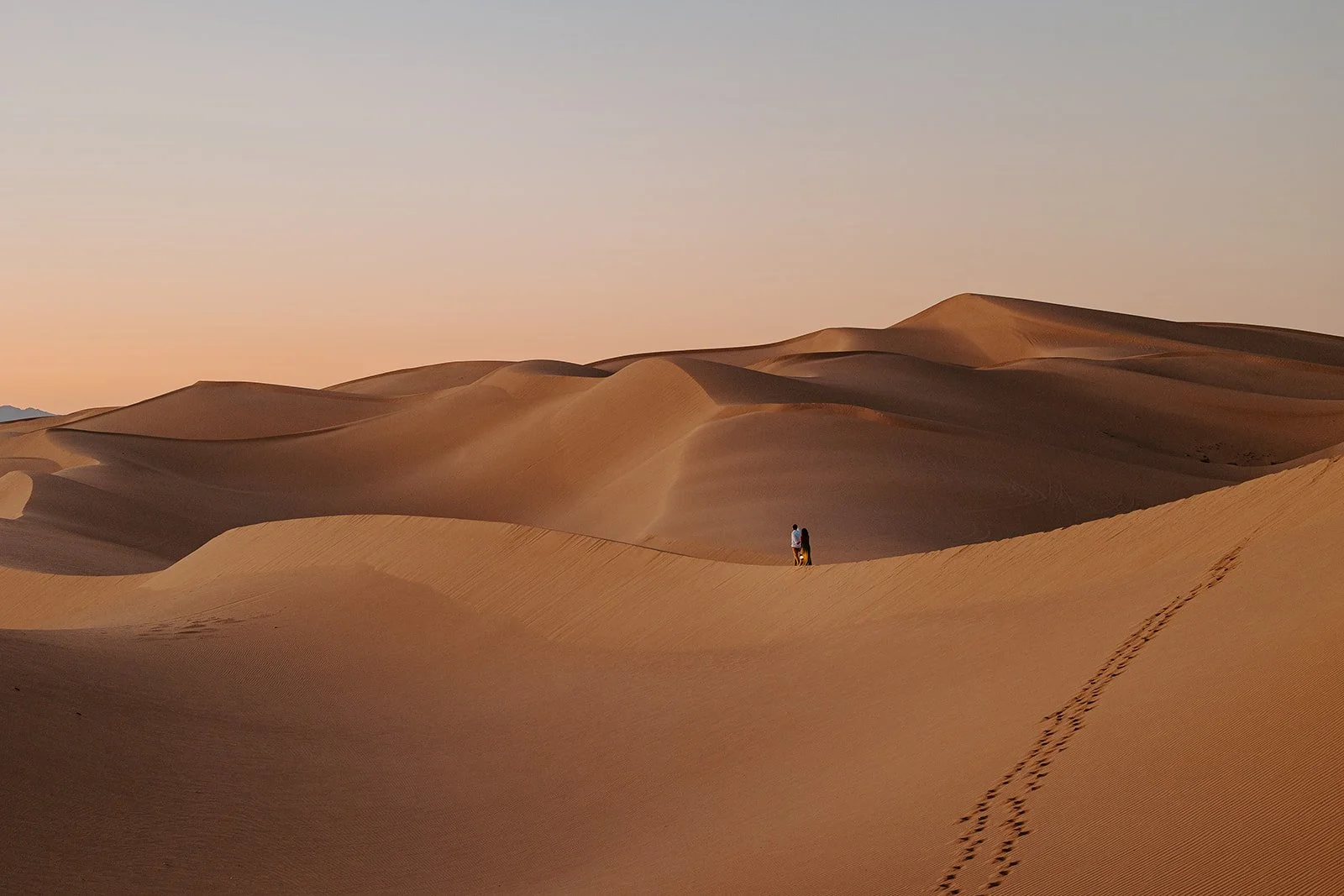
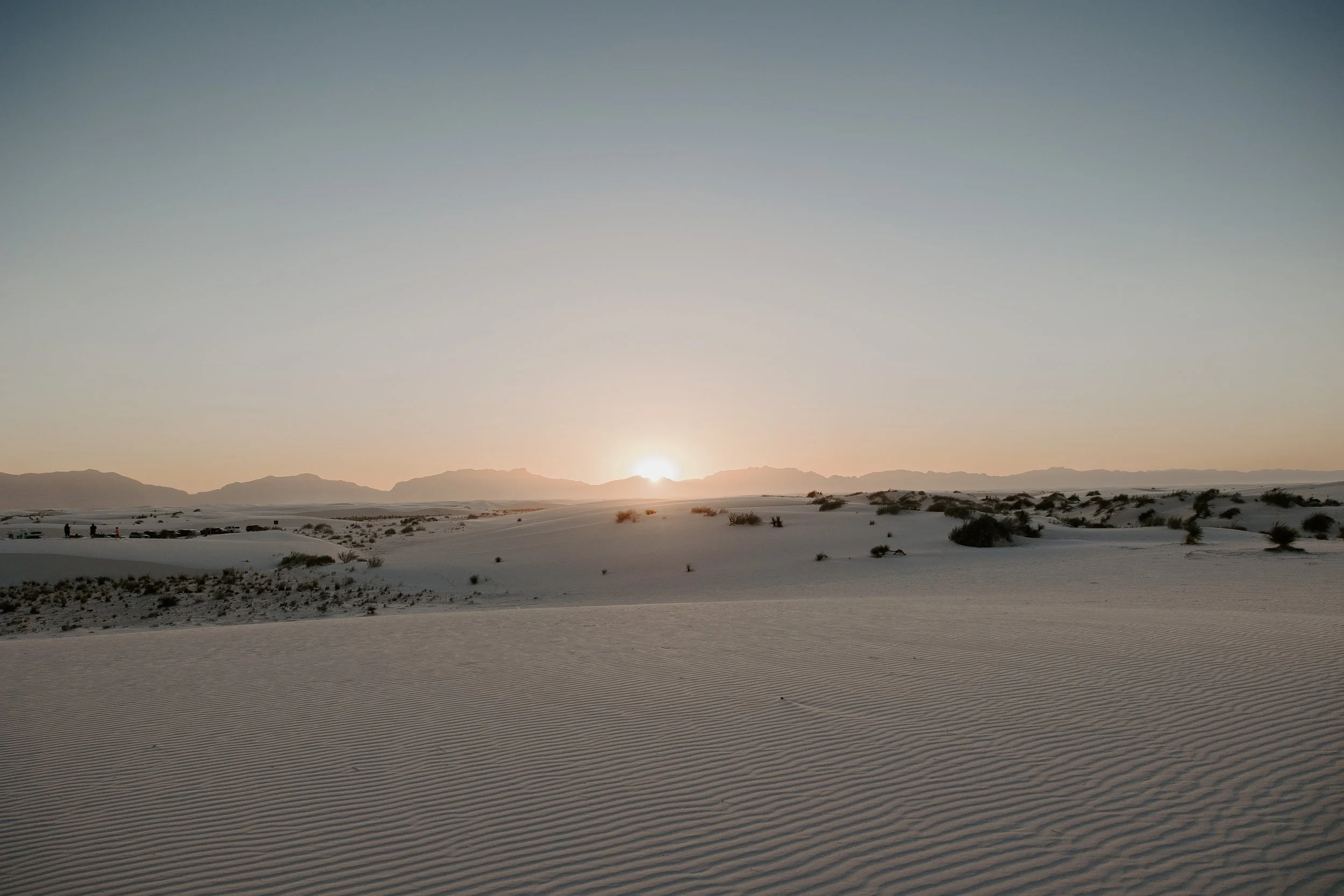
Late afternoon and sunset bring warm tones and long shadows that enhance the natural contours of the dunes.
Sunset light offers:
• Golden, glowing tones across the sand
• Long shadows that emphasize texture and shape
• Comfortable temperatures after the heat of the day
• A romantic, cinematic atmosphere
This time of day is especially beautiful for engagement sessions and elopements, when the light feels soft and dimensional.
Midday Considerations
Midday light can be harsh and direct, creating strong shadows and increased heat.
If midday timing is unavoidable:
• Seek ridgelines or angles that create dimension
• Wear footwear to protect feet from hot sand
• Stay hydrated and take breaks as needed
Whenever possible, planning around sunrise or sunset creates a more comfortable and visually flattering experience.
How Light & Wind Work Together
Wind often softens as temperatures cool, making sunrise and sunset ideal for both comfort and natural movement. A light breeze can add subtle motion to fabrics and hair, enhancing the sense of movement in your images.
Colorado Insight
At Great Sand Dunes National Park, sunrise and sunset can feel especially dramatic as changing light moves across the dunes with the Sangre de Cristo Mountains rising in the background.
Spring visits often bring crisp air and layered mountain views, while fall offers warm tones and gentle light.
If you're deciding between morning and evening timing, I break down the differences in more detail in Sunrise vs Sunset Elopements: Which is Better?

What to Bring & How to Prepare
A little preparation can make your sand dunes experience feel more comfortable and enjoyable — especially in environments where sun exposure, wind, and shifting sand are part of the landscape.
Footwear & Comfort
Walking in sand requires more effort than walking on solid ground. Many visitors choose to go barefoot, but the sand can become extremely hot during warmer months.
Consider bringing:
• Closed-toe shoes or sandals for walking to your location
• Lightweight socks to protect feet from heat
• A small towel to brush sand off before putting shoes back on
If you're visiting during cooler months or early spring, the sand may feel comfortable underfoot throughout your session.
Sun & Weather Protection
Dune environments often provide little to no natural shade, making sun protection essential.
Bring:
• Sunscreen
• Sunglasses
• A hat for before and after your session
• Plenty of water to stay hydrated
Even in cooler seasons, sun exposure can be intense due to light reflecting off the sand.
Wind & Sand Considerations
Wind is a natural part of dune environments and can add beautiful movement and texture to photos. However, stronger gusts can lift sand into the air.
To stay comfortable:
• Avoid heavy hair products that attract sand
• Bring a brush or small mirror for quick touch-ups
• Consider breathable fabrics that move naturally in the wind
A light breeze enhances movement, while stronger winds may require short breaks and repositioning.
Protecting Personal Items
Fine sand can easily find its way into bags, lenses, and electronics.
Consider:
• Keeping valuables in zippered bags
• Using lens cloths or microfiber cloths
• Minimizing what you carry onto the dunes
Travel light for the most comfortable experience.
What to Wear for Sand Dunes Photos
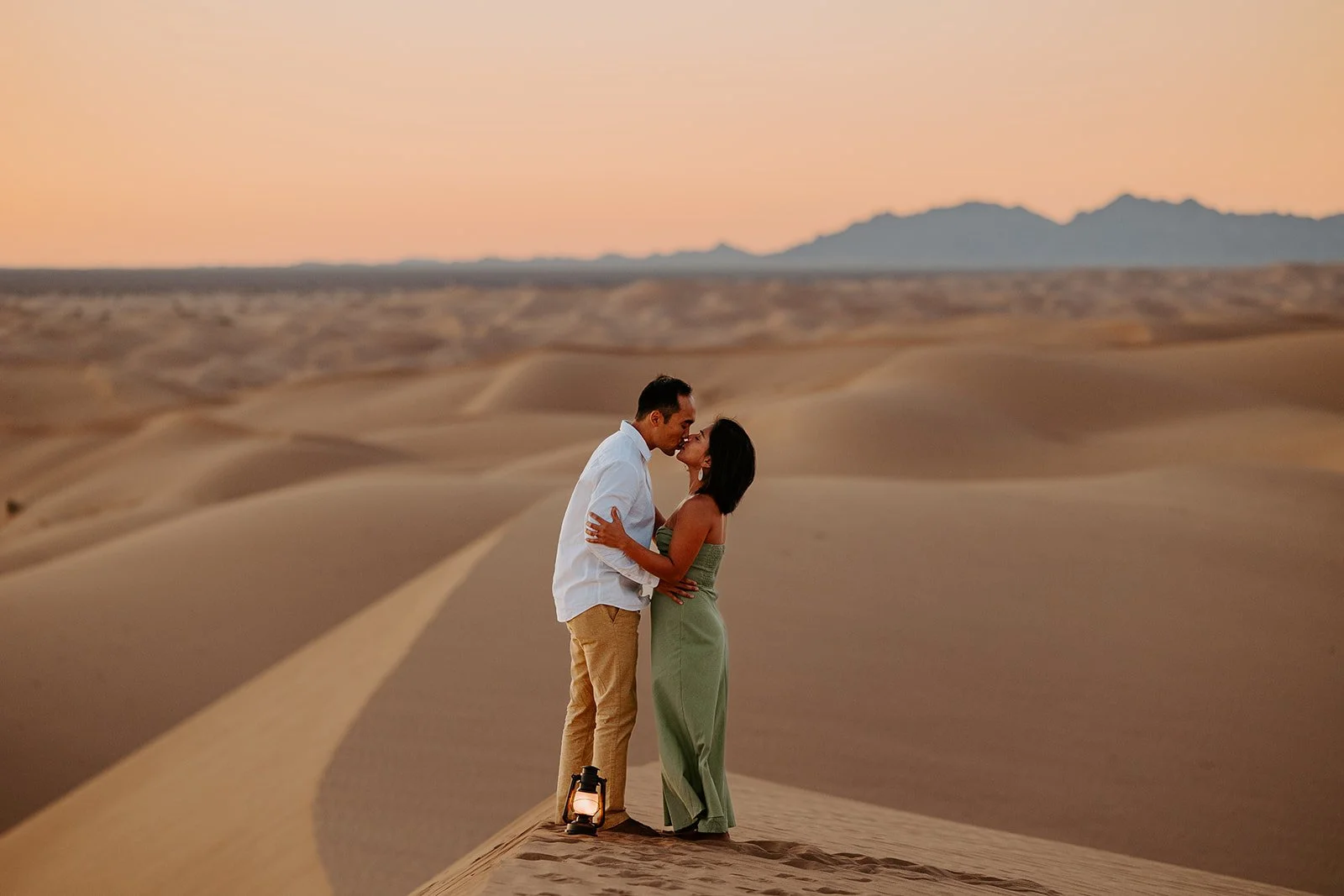
Choosing the right outfit can make a significant difference in both comfort and how your images feel. The neutral tones and sweeping textures of the dunes pair beautifully with clothing that feels natural, movement-friendly, and timeless.
Colors That Photograph Beautifully
Soft, earthy tones complement the landscape without competing for attention.
Consider:
• Cream, ivory, beige, and soft whites
• Warm neutrals like tan, camel, or rust
• Muted pastels and soft blues
• Gentle earth tones such as sage or dusty rose
For a more dramatic look, deeper tones like black, charcoal, or rich red can create a bold contrast against the pale sand and expansive landscape. These colors photograph especially strikingly at sunrise or sunset when the light is soft and directional.
Avoid neon colors or heavy patterns, which can distract from the natural setting.
Fabrics & Movement
Flowing fabrics create beautiful movement when caught by the wind, adding a sense of motion and depth to your images.
Look for:
• Lightweight dresses or skirts
• Linen, chiffon, or cotton fabrics
• Layers that move naturally
• Clothing that feels breathable and comfortable
Structured or stiff fabrics can appear heavy against the softness of the dunes.
Footwear Tips
Many sessions involve walking across uneven sand.
Consider:
• Going barefoot for a natural look
• Bringing simple sandals for walking to your location
• Avoiding heels that sink into the sand
Comfort allows you to move naturally and stay present during your session.
Dressing for Comfort & Confidence
The best images happen when you feel relaxed and at ease. Choose clothing that allows you to move freely, sit comfortably, and walk with ease.
If wind is expected, avoid overly loose necklines or garments that require frequent adjustment.
Outfit Tips for Elopements & Couples
If you’re planning an elopement or engagement session, coordinating outfits — rather than matching — helps create a balanced, cohesive look.
• Choose complementary tones instead of identical colors
• Mix textures for visual interest
• Keep the overall palette soft and natural
For more guidance on choosing attire for an intimate wedding day, you can explore my guide on What to Wear When You Elope.
Above all, choose pieces that feel like you — comfortable, grounded, and true to your connection.

Best Sand Dunes In The USA
The United States is home to several remarkable dune landscapes, each offering a distinct atmosphere, terrain, and visual experience. Whether you're planning a trip, an engagement session, or something more intentional, these destinations stand out for their scale and beauty.
Great Sand Dunes National Park – Colorado
Home to the tallest dunes in North America, Great Sand Dunes National Park offers a dramatic contrast between sweeping sand ridges and the towering Sangre de Cristo Mountains.
For planning details specific to this area, you can read more inside my guide on How to Elope at Great Sand Dunes National Park.
Why it stands out:
• Expansive ridgelines and panoramic views
• Snow-capped mountain backdrops in spring
• Cooler temperatures compared to desert climates
• Unique seasonal changes, including Medano Creek in late spring
April and early spring visits can feel especially peaceful, with fewer crowds and layered mountain scenery.
If you're considering a Colorado experience beyond a photoshoot, you can explore How to Elope in Colorado for more planning insight.
Imperial Sand Dunes (Glamis) – California
Located near the Arizona border, the Imperial Sand Dunes, also known as Glamis, offer vast rolling dunes and warm desert tones.
Why it stands out:
• Endless golden landscapes
• Accessible locations for sunrise and sunset sessions
• Strong desert aesthetic
• Wide-open horizons
For planning details specific to this area, you can read more inside my Imperial Sand Dunes – Plan Your Trip guide.
Mesquite Flat Sand Dunes – Death Valley, California
Located within Death Valley National Park, the Mesquite Flat Sand Dunes offer a striking desert landscape framed by rugged mountain ranges.
Why it stands out:
• Layered mountain backdrops behind rolling dunes
• Smooth, sculpted sand patterns at sunrise
• Dramatic desert light and expansive horizons
• Easily accessible from main park roads
Sunrise at Mesquite Flat is especially beautiful, as early light moves across the dunes and emphasizes texture before temperatures rise.
Because this location sits within a National Park, permits may be required for ceremonies or professional photography. If you're considering an intimate desert elopement, you can explore more details inside my Death Valley Elopement Guide.
White Sands National Park – New Mexico
White Sands features striking gypsum dunes that create a bright, minimalist landscape unlike anywhere else.
Why it stands out:
• Brilliant white sand and clean compositions
• Dramatic sunset tones
• Smooth, sculpted dune formations
Because this is a National Park, permits and regulations may apply depending on your plans.
Coral Pink Sand Dunes – Utah
Coral Pink Sand Dunes offer a softer desert palette with warm, reddish tones.
Why it stands out:
• Unique coral-colored sand
• Gentle rolling hills
• Less traffic than larger national parks
This location pairs beautifully with southern Utah elopement destinations.
Choosing the Right Dunes for Your Experience
Each dune location offers a different feeling.
• Mountain-backed and dramatic
• Bright and minimal
• Warm and expansive
• Intimate and textured
The right choice depends on:
• Time of year
• Crowd tolerance
• Desired aesthetic
• Accessibility needs
• Permit requirements
If you're unsure how National Parks and State Parks differ when planning something more intentional, this guide on National Park vs State Park: Which is Better for Your Elopement? can help clarify the differences.
Best Locations Within the Dunes
Once you arrive, the dunes can feel expansive and endless. Choosing the right area within the landscape makes a meaningful difference in both the experience and the final images.
High Ridgelines for Expansive Views
Climbing higher ridgelines offers sweeping views and uninterrupted horizons.
These locations provide:
• Dramatic scale and depth
• Clean, minimal backdrops
• Elevated sunset perspectives
• A sense of solitude
At Great Sand Dunes National Park, higher ridgelines often frame the dunes against the Sangre de Cristo Mountains, creating layered, cinematic compositions.
Lower Dune Valleys for Texture & Movement
Lower areas between dunes offer natural curves and wind-sculpted patterns.
These spots are ideal for:
• Capturing intricate sand textures
• Creating intimate, close-up moments
• Sheltering slightly from stronger winds
• Easier accessibility for shorter walks
These areas work beautifully for engagement sessions or couples wanting a more grounded feel.
Wind-Protected Areas
When wind speeds increase, positioning near gentle slopes or lower contours can reduce exposure.
A slight shift in angle can:
• Minimize blowing sand
• Improve comfort
• Preserve natural movement
• Protect hair and attire
Understanding how wind interacts with the landscape allows for a smoother experience.
Choosing Locations Based on Light
Different parts of the dunes photograph differently depending on the time of day.
• Sunrise favors east-facing slopes
• Sunset highlights west-facing ridges
• Side-lighting enhances texture and shadow
Selecting a location intentionally based on sun direction adds dimension and depth to your images.
Planning for Elopements
If you're planning an intimate ceremony, selecting a location that balances privacy, accessibility, and scenic backdrop is key.
Smaller ridge areas slightly removed from main access points often provide a more peaceful atmosphere while still showcasing the dramatic scale of the dunes.
If you're considering a Colorado ceremony, you can explore more details inside my Colorado Elopement Packages guide.

Permits & Rules to Know Before You Go
Sand dune locations across the U.S. are managed by different agencies, including National Parks, State Parks, and Bureau of Land Management (BLM) areas. Each location may have its own rules regarding photography, ceremonies, and group gatherings.
Photography & Ceremony Permits
Some locations require permits for professional photography, elopements, or small ceremonies, while others allow personal use without additional permissions.
For example:
• National Parks often require permits for ceremonies and professional photography
• State Parks may have location-specific requirements
• BLM land can be more flexible but may still require permits for organized events
Because regulations vary widely, checking the official park website ahead of time is essential.
If you're unsure how these regulations differ, this guide to National Park vs State Park: Which is Better for Your Elopement? helps clarify what to expect.
Protecting the Landscape
Dune environments are constantly shaped by wind and are more delicate than they appear. Staying on durable surfaces when possible and avoiding vegetation helps preserve the landscape for future visitors.
Follow Leave No Trace principles by:
• Packing out anything you bring in
• Avoiding fragile plant areas
• Respecting wildlife and natural habitats
• Leaving the landscape as you found it
Group Size & Visitor Considerations
Some dune areas limit group sizes or restrict ceremony locations to protect natural resources and visitor experiences.
If you’re planning a gathering larger than a few people, it’s especially important to review park guidelines in advance.
Planning for Privacy & Visitor Experience
For those hoping for a quieter experience, sunrise and sunset hours typically offer fewer visitors and softer light. Choosing less busy times of day helps preserve the peaceful atmosphere these landscapes are known for.
Planning a dunes session or intimate ceremony?
Navigating permits and location guidelines is something I help couples with every day, so they can focus on being present and enjoying the experience. I’m happy to help you navigate location logistics and create a timeline that feels effortless.
Sand Dunes Photography Tips
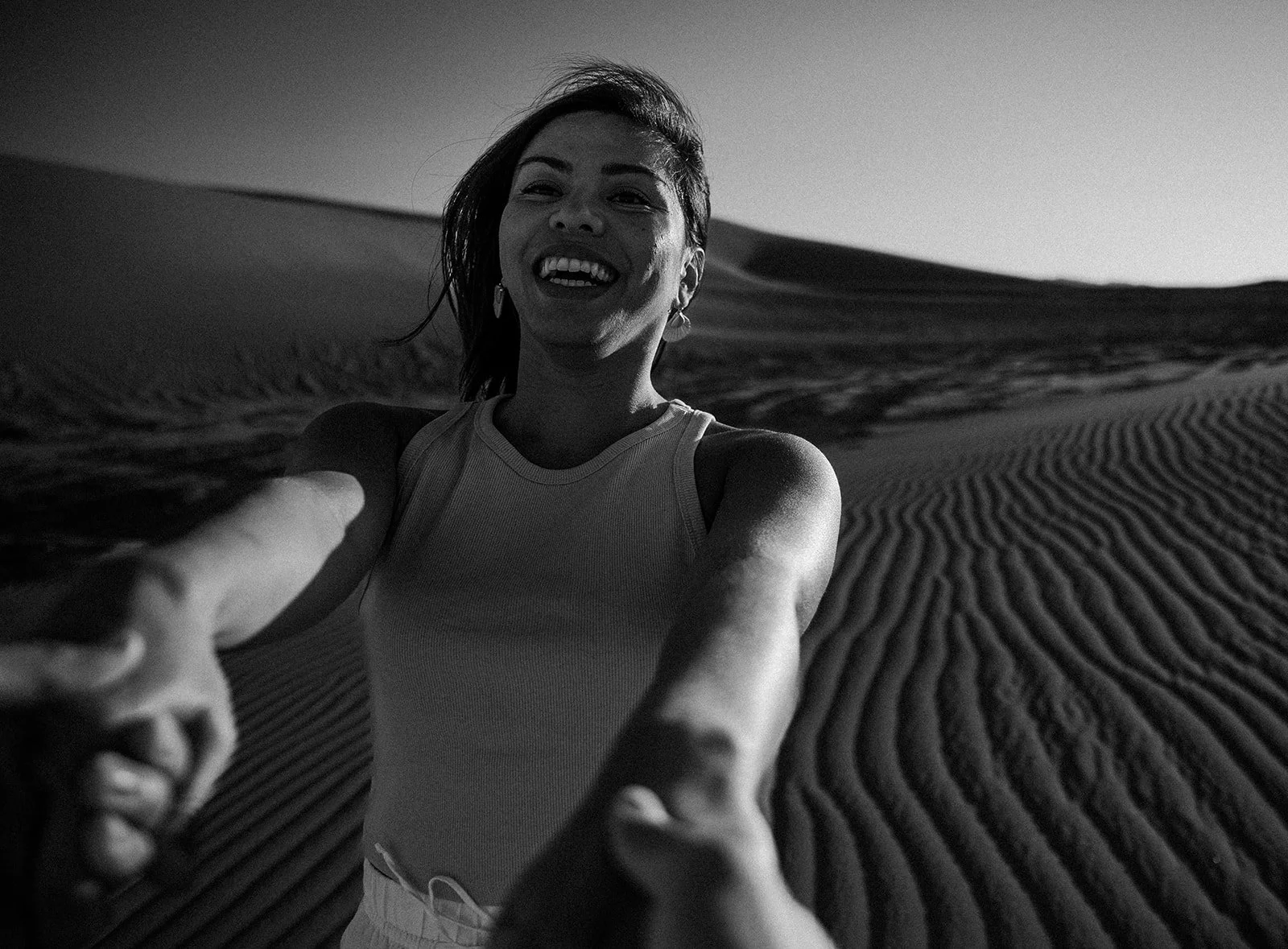
Photographing in the dunes is unlike shooting in forests, mountains, or urban settings. The landscape is minimal, reflective, and constantly shifting. A few intentional choices can dramatically elevate the final images.
Use the Landscape’s Natural Lines
Dunes are full of leading lines and curves. Positioning yourselves along ridgelines or diagonally across slopes creates depth and movement in images.
Avoid standing flat against the horizon. Instead, use the shape of the dune to add dimension.
Embrace Side Lighting
Side lighting enhances texture and brings out the natural patterns in the sand.
Front-facing light can flatten the dunes, while angled light creates shadow and depth. This is why sunrise and sunset are often ideal.
If you're deciding between the two, I break down the pros and cons inside Sunrise vs Sunset Elopements: Which is Better?
Work With the Wind, Not Against It
Wind adds movement and atmosphere — especially with flowing dresses or loose hair.
Instead of resisting it:
• Turn slightly into the wind
• Let fabric move naturally
• Keep poses relaxed and fluid
Movement feels authentic in dune environments.
Create Scale With Distance
One of the most powerful techniques in dune photography is using negative space.
Stepping back and allowing the landscape to surround you emphasizes the vastness of the setting. Small figures against large dunes create striking, cinematic compositions.
Focus on Natural Movement
Walking hand-in-hand, cresting a ridge together, or pausing at the top of a slope often feels more organic than static poses.
The dunes lend themselves to slow movement and quiet connection rather than stiff positioning.
Plan Around Texture & Fresh Sand
Wind patterns create intricate sand ripples. Visiting earlier in the day often means cleaner surfaces and fewer footprints, especially in high-traffic areas like Great Sand Dunes National Park.
For Engagements & Elopements
Dunes offer a rare combination of scale and intimacy. Choosing intentional light, movement-friendly attire, and thoughtful positioning transforms a simple session into an immersive experience.
If you're considering turning your dunes session into something more, you can explore my Colorado Elopement Packages here.
FAQs About Sand Dunes Photoshoots
-
Yes — April is one of the most underrated times to visit Great Sand Dunes National Park. Temperatures are typically cooler than summer, crowds are lighter, and the Sangre de Cristo Mountains are often snow-capped, creating dramatic backdrops. Medano Creek usually begins flowing in late May, so April visits offer quieter, less crowded dunes.
-
Choose clothing in soft neutrals or earthy tones that complement the landscape. Flowing fabrics photograph beautifully in the wind, and breathable materials help keep you comfortable. For bold contrast, deeper tones like black or rich red can create a dramatic visual effect against the sand.
For more detailed attire guidance, you can explore my guide on What to Wear When You Elope.
-
It depends on the location. National Parks often require permits for professional photography and ceremonies, while State Parks and BLM land have different regulations. Always check the official park website in advance.
If you're unsure how these locations differ, this guide to National Park vs State Park: Which is Better for Your Elopement? explains the key distinctions.
-
Sunrise and sunset provide the most flattering light and comfortable temperatures. Side lighting enhances the texture of the dunes and creates depth in images. Midday sessions can work but often involve harsher light and warmer sand.
If you're deciding between the two, you can read more about Sunrise vs Sunset Elopements here.
-
Yes, wind is common in dune environments. Light breezes can add beautiful movement to clothing and hair, while stronger gusts may require short breaks and thoughtful positioning. Checking wind speeds before your visit can help you prepare accordingly.
-
Some of the most visually striking dunes include:
• Great Sand Dunes National Park (Colorado)
• Imperial Sand Dunes / Glamis (California)
• Mesquite Flat Sand Dunes in Death Valley (California)
• White Sands National Park (New Mexico)
• Coral Pink Sand Dunes (Utah)Each location offers a different atmosphere and seasonal experience.
-
Yes — many dune locations allow intimate ceremonies with proper permits. Choosing the right time of day and location within the dunes can help create a private, peaceful experience.
If you're planning something intentional in Colorado or beyond, you can explore my guide on How to Elope in Colorado to learn more.
Planning a Sand Dunes Experience That Feels Intentional?
The dunes are expansive, quiet, and powerful — but they also require thoughtful timing, permit awareness, and light strategy to feel effortless.
If you're envisioning an engagement session or elopement that feels grounded, present, and fully supported, I guide couples through location selection, permits, and timeline design so they can focus on what matters most.
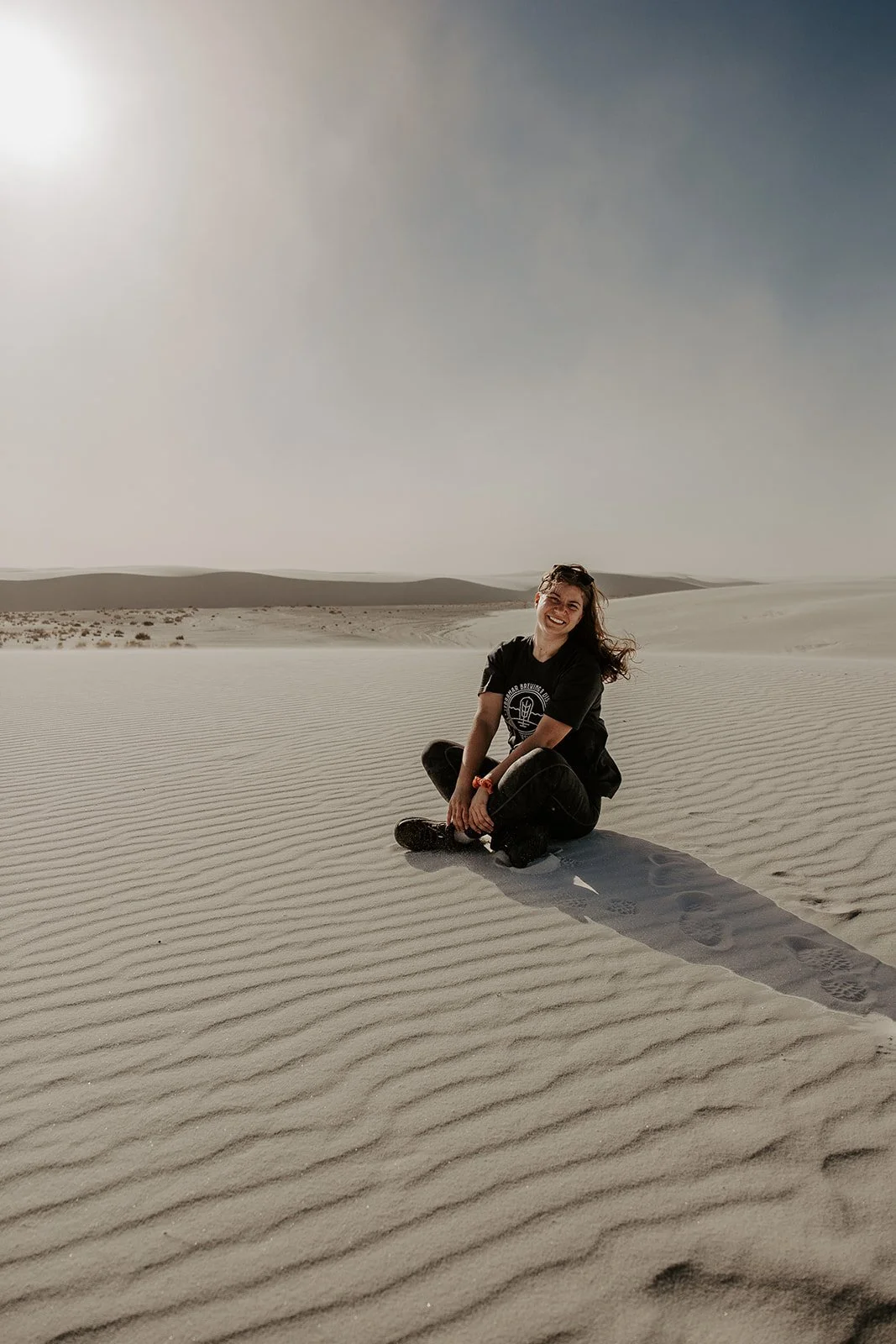




Thinking about engagement photos at the Imperial Sand Dunes? This desert engagement session breaks down what couples can expect—from sunset lighting and wind to accessibility and planning tips—so you can decide if sand dunes are the right fit for your photos.