

West Virginia Elopement Timeline Ideas for Couples Who Want It Simple
If you've started planning your West Virginia elopement and already feel like the timeline is becoming the most stressful part, you're not alone. Most couples don't need a complicated schedule — they need a realistic one that's built around where they're going and what actually matters to them. Before I get into the options below, I'd recommend starting with How to Elope in West Virginia if you haven't already. It covers permitting, logistics, and what to expect from the planning process start to finish. Once you've got the big picture, come back here and we'll figure out the timing.
West Virginia's landscape is varied enough that a single generic timeline doesn't serve everyone well. A sunrise waterfall ceremony at Blackwater Falls looks completely different from a golden hour elopement on the open balds at Dolly Sods, or a full morning of hiking into the Monongahela. These three options are built around how couples actually move through West Virginia — not a one-size schedule you have to adapt yourself.
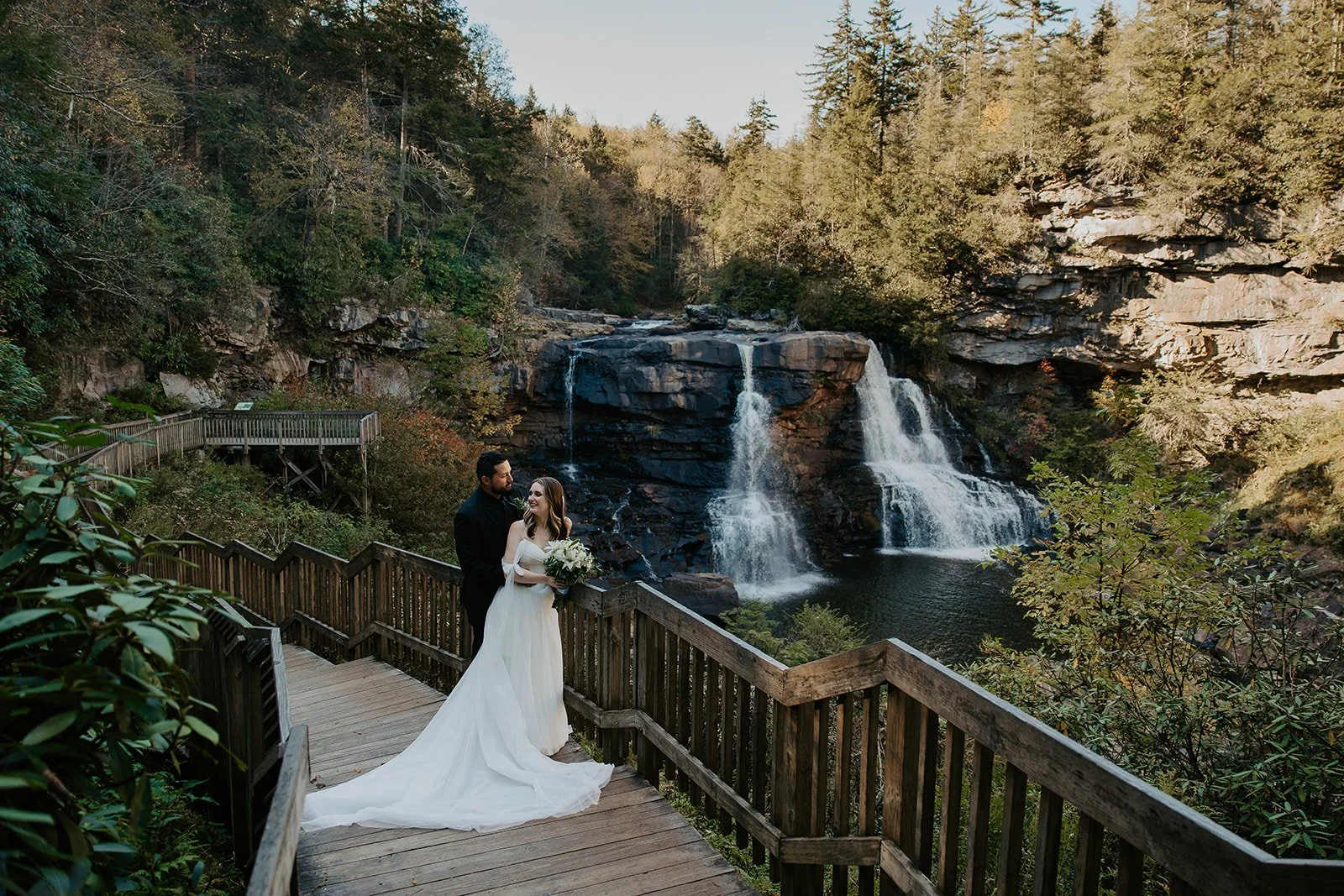
How to Use These Timelines
Each option below starts with a short card — what the day looks like, who it's best for, and honest pros and cons. After each card is a full timeline block showing how the hours actually break down, with the coverage zone marked clearly. Read both before deciding; sometimes the pros/cons section tells you more than the schedule does.
One note on timing: West Virginia's higher elevations — Dolly Sods, Spruce Knob, Canaan Valley — can run 10–15 degrees cooler than valley locations and weather can shift quickly, especially in spring and fall. If your location sits above 3,500 feet, that's worth factoring in when you choose a start time.
- Best light of the day — soft, directional, golden
- Waterfalls photograph best with morning mist and low contrast
- Fewer (or zero) other visitors at popular spots
- Cooler temperatures — comfortable for physical activity
- Natural backdrop does most of the visual heavy lifting
- Early wake-up — typically 4:00–5:00 AM
- Cold in spring and fall — layers are essential
- Limited time for elaborate prep or hair/makeup
- Some access roads have gates; opening times matter
- Sunrise times vary significantly by season
- Relaxed morning — no 4 AM alarm
- Light gets progressively more beautiful as coverage continues
- Elevated locations like Dolly Sods show their best colors in late afternoon
- Flexible enough to accommodate most WV locations
- Pairs naturally with a dinner celebration after
- Parking at popular spots fills up earlier in the day
- Sunset times shift significantly by season
- Wind can pick up on open balds in afternoon
- Less margin if you run behind — sunset waits for no one
- Cell service is limited at many ridge locations
If you're planning to elope at Dolly Sods or New River Gorge, I have detailed guides for both — Dolly Sods Elopement Guide and New River Gorge Elopement Guide — with location-specific timing notes worth reading before we finalize anything.
- Room for longer approach hikes (2–4 miles round trip)
- Multiple portrait locations possible within coverage
- Unhurried pace — no watching the clock
- Works well for remote Monongahela or Blackwater locations
- Best of both morning light and mid-morning softness
- Earlier start time than Option B
- More to coordinate — timing matters more
- Longer day requires more physical stamina
- Higher investment — aligns with 6-hour package
- Need to pack in everything (food, layers, etc.)
The Monongahela National Forest Elopement Guide has more detail on which trails and locations work best for a full-day format — worth a read if you're considering this option.
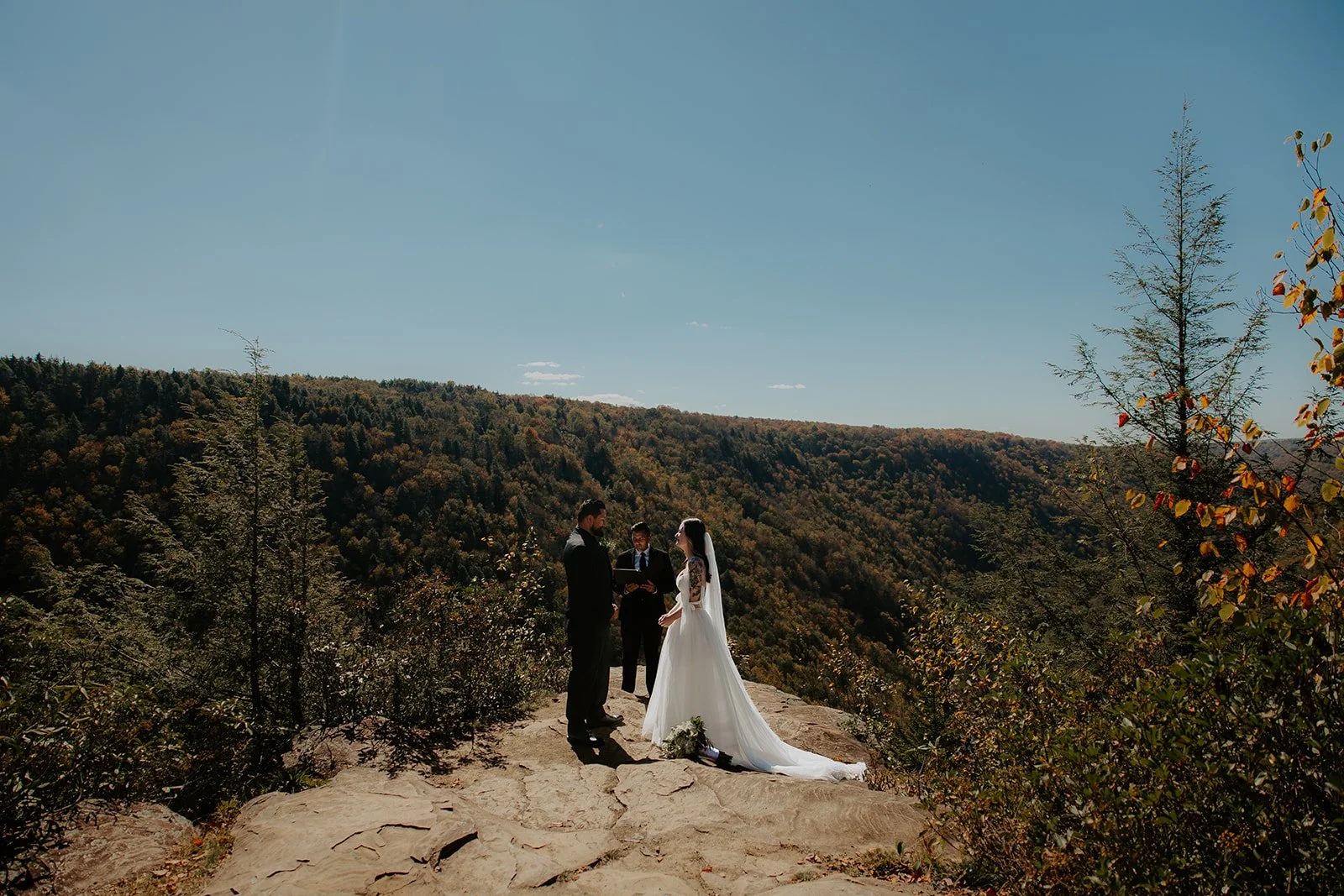
A Note on Logistics and Getting the Timing Right
The timelines above are starting frameworks, not rigid schedules. Every elopement I guide gets a customized version built around the actual location, your permits, seasonal light times, and how you two move through a day. Some couples want every 15-minute increment mapped out; others want a loose structure and room to follow whatever feels right. I build for both.
Part of what I do as your guide is handle the timing so you don't have to think about it on the day. You'll know where to be and when — I take care of the rest. If you're wondering what that kind of support looks like from a planning standpoint, How to Plan a Stress-Free West Virginia Elopement breaks it down well.
When you're ready to think about investment, How Much Does It Cost to Elope in West Virginia? is a good next read — and you can always see my current packages on the pricing page.
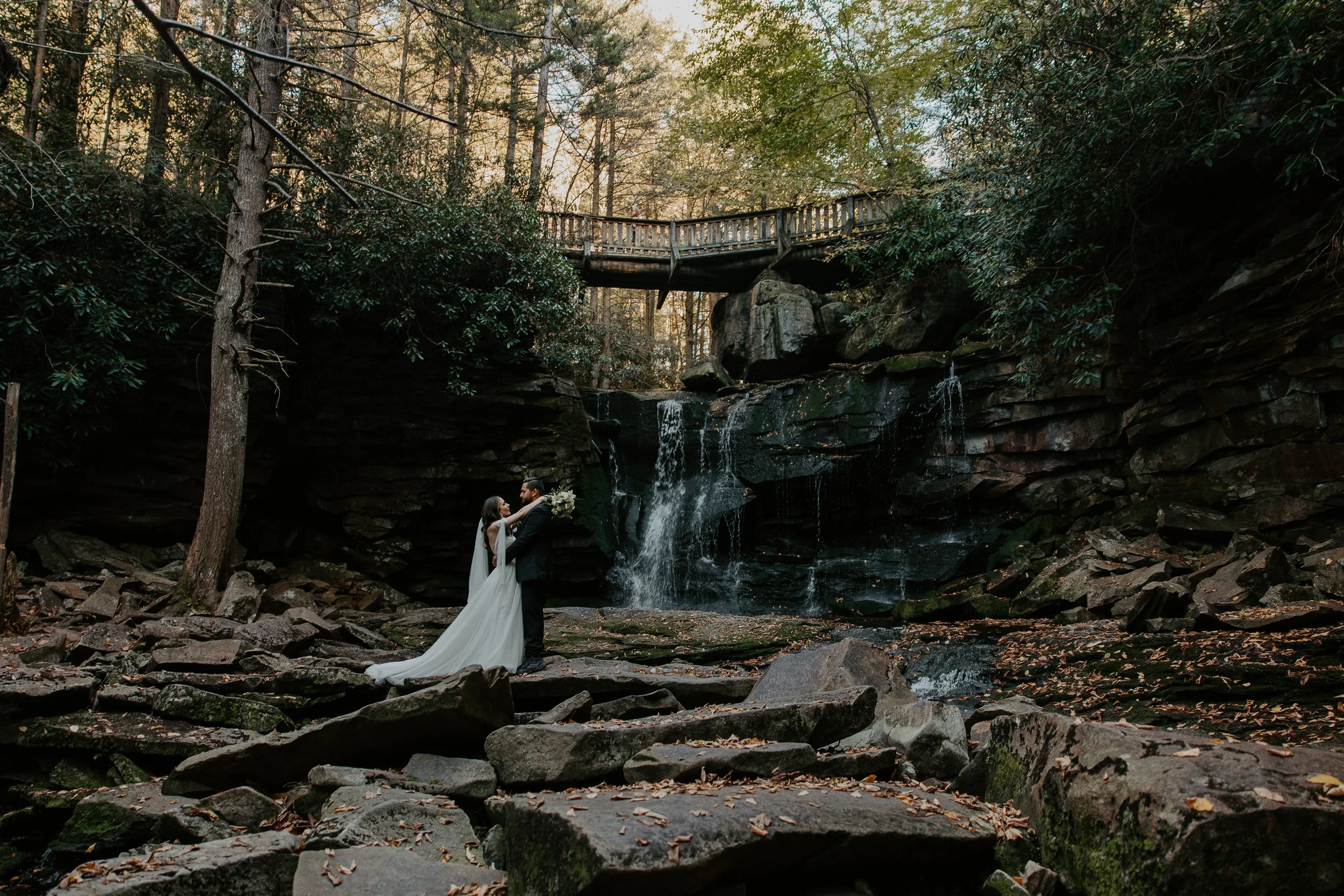
What to Consider Before Choosing Your Timeline
A few quick questions worth thinking through before you decide:
Are you a morning person? Sunrise elopements are extraordinary, but they require a 4 AM alarm. Be honest with yourself. Option B exists for a reason.
How long is your approach hike? Locations like Dolly Sods require a vehicle with clearance just to access the trailhead. Elakala Falls is a 10-minute walk. Factor in the approach when choosing how much time you actually need.
Do you need a permit? Some West Virginia locations require advance permits — National Forest areas, some state park ceremony spots. Do You Need a Permit to Elope in West Virginia? has the full breakdown. Permit requirements sometimes affect what time of day you can be at a location.
What season are you planning? Best Time of Year to Elope in West Virginia covers this in detail, but the short version: fall brings dramatic color and earlier sunsets; summer brings lush green and longer days; spring brings wildflowers and unpredictable weather; winter brings solitude and snow if you're lucky.
Learn More About Eloping inWest Virginia


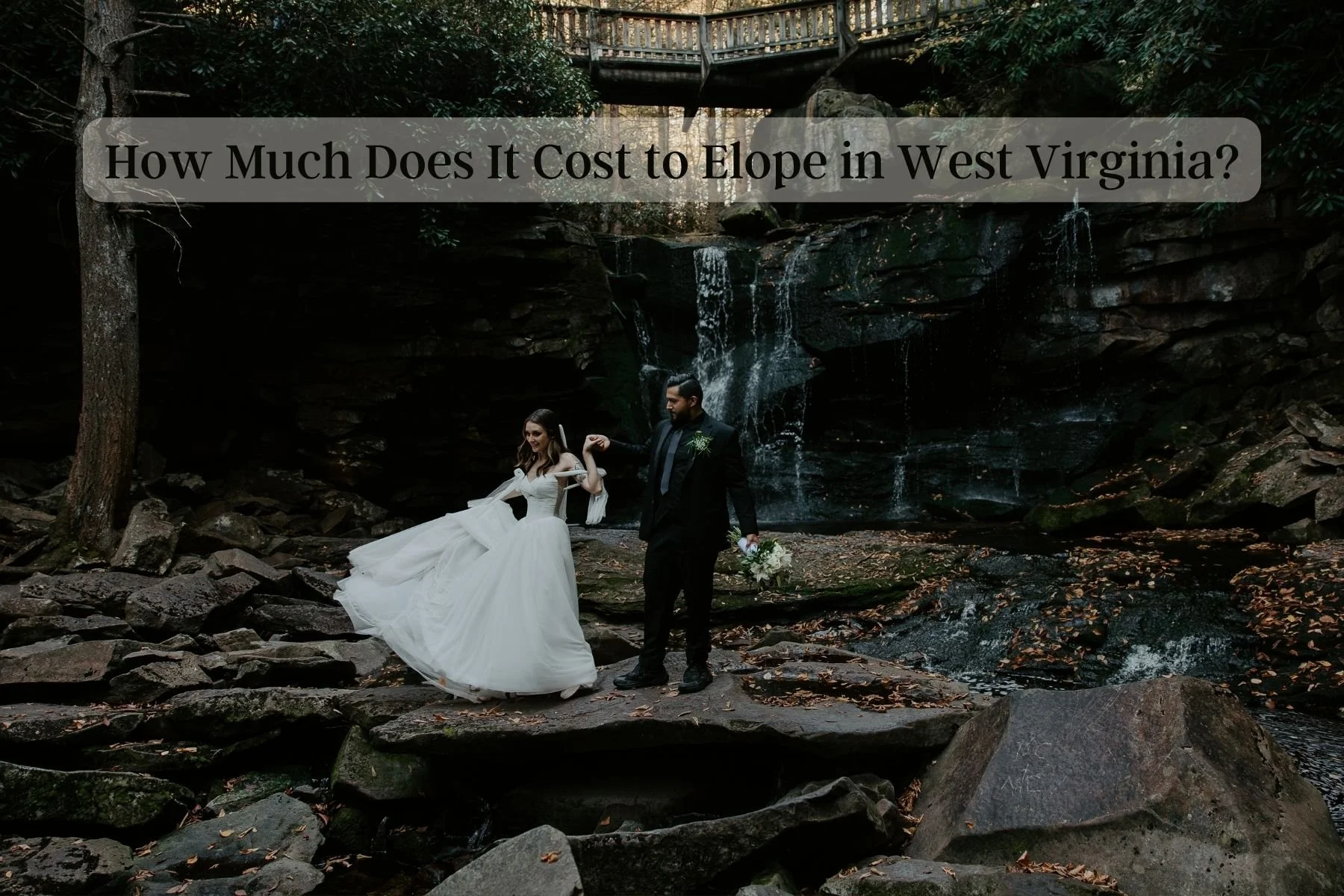
Ready to Build Your Timeline Together?
The options above are a starting point — the actual timeline I build for you will be specific to your location, your season, and how you want the day to feel. If you've got a location in mind (or even just a general sense of what draws you to West Virginia), that's enough to start the conversation. Reach out below and let's figure out what your day actually looks like.


West Virginia has ancient forests, tannin-stained waterfalls, and some of the least crowded public land on the East Coast. Here's why it belongs at the top of your elopement list.